REVIEW · BEIJING
Beijing: Hutongs & Food & Culture Walking Tour
Book on GetYourGuide →Operated by Sister tours · Bookable on GetYourGuide
Old Beijing hides in plain sight.
This tour is a practical walk through hutong life, built around courtyards, street food rhythms, and small cultural stops that make the city feel human. It also includes a guided visit to the Beijing Capital Museum, which many people enjoy because it feels big and hands-on, not just a quick look.
What I like most is how the experience mixes daily life (lanes, courtyards, local tea and crafts) with a structured museum segment so you understand what you’re seeing. I also like that you get choice in where you start, which helps you match the tour to your day.
One thing to plan for: the price can look suspiciously low, and food and drinks are not included, so you’ll likely budget a bit more once you’re on the ground.
In This Review
- Key highlights worth planning for
- Hutongs and siheyuan: why this walking tour feels real
- What to expect from the walking
- Beijing Capital Museum: the 3-hour context stop
- A realistic drawback
- The classic hutong route: Nanluoguxiang and Shichahai
- Why this route choice is valuable
- Street food stops: jianbing, tanghulu, and douzhi (what you should budget)
- A big tip for enjoying street food
- Tea house ceremony and folk crafts: paper cutting and calligraphy
- Craft time: where culture becomes hands-on
- Optional rickshaw and home visit: worth it if you want deeper access
- Price and logistics: how $2.86 can make sense
- Duration and starting points matter for value
- Who should book this hutong and food culture tour
- Should you book it
- FAQ
- What are the available starting locations?
- How long is the tour?
- Is the street food included in the price?
- Which languages are the guides available in?
- Do I need to bring my passport?
- Is flash photography or tripods allowed?
Key highlights worth planning for
- Three different starting points (鼓楼/Drum Tower, 首都博物馆/Capital Museum, and Shichahai) so you can fit it to your route
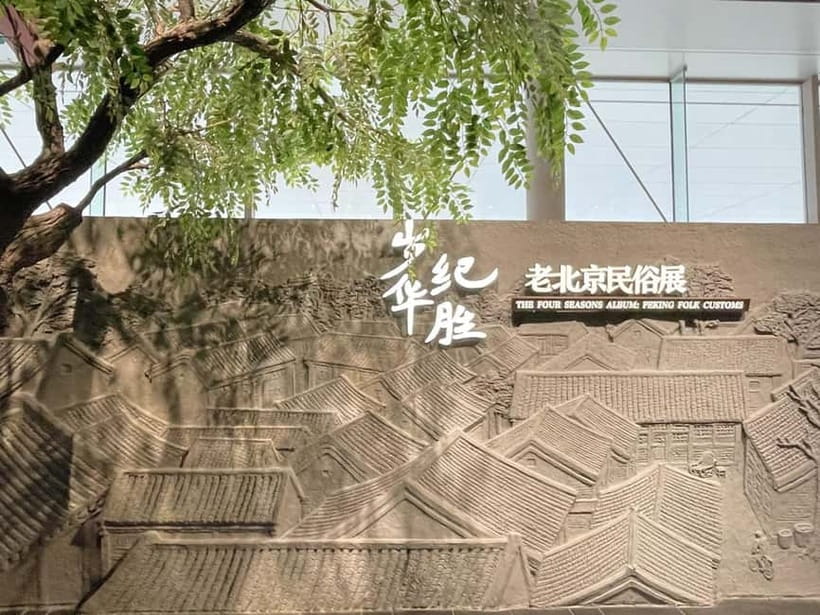
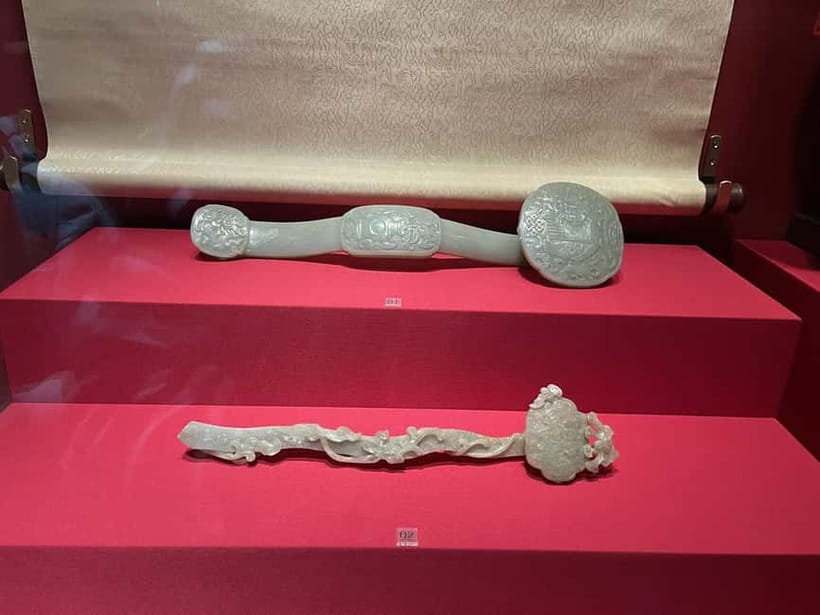
- A guided museum visit for about 3 hours to give context before the hutong walking begins
- Classic hutong areas such as Nanluoguxiang and Shichahai, with lake time and everyday scenes
- Street food stops with local favorites like jianbing guozi, tanghulu, and douzhi (you’ll pay for food yourself)
- Tea ceremony and folk crafts (paper cutting and calligraphy), with a chance to catch Peking Opera nearby
- Optional rickshaw ride and home visit depending on the package you choose
Hutongs and siheyuan: why this walking tour feels real
The main idea here is simple: you walk the hutongs, those narrow, winding lanes that connect old Beijing neighborhoods, and you see how people lived around the siheyuan courtyard model. Even if you’ve seen courtyard houses in photos, this kind of walking helps your brain map the city—doors, walls, small turns, and the sense of everyday routine behind the architecture.
You’ll notice the visual cues that make Beijing feel like Beijing: gray tiled roofs, red wooden doors, and brass door knockers you’ll see again and again as you pass from one compound to the next. The tour doesn’t treat this as a museum set. It frames courtyards as lived spaces where community and family life mattered, which makes the buildings feel less like scenery and more like a system.
You can also read our reviews of more tours and experiences in Beijing.

What to expect from the walking
This is a walking and culture experience, and that matters for your comfort level. You’ll want decent walking shoes and a flexible attitude about pacing. If you expect wide streets or lots of modern convenience, hutongs can be a slower, tighter kind of place.
Also, luggage or large bags aren’t allowed, so travel light. If you’re coming straight from the hotel with a big bag, plan an in-between stop before meeting.
Beijing Capital Museum: the 3-hour context stop
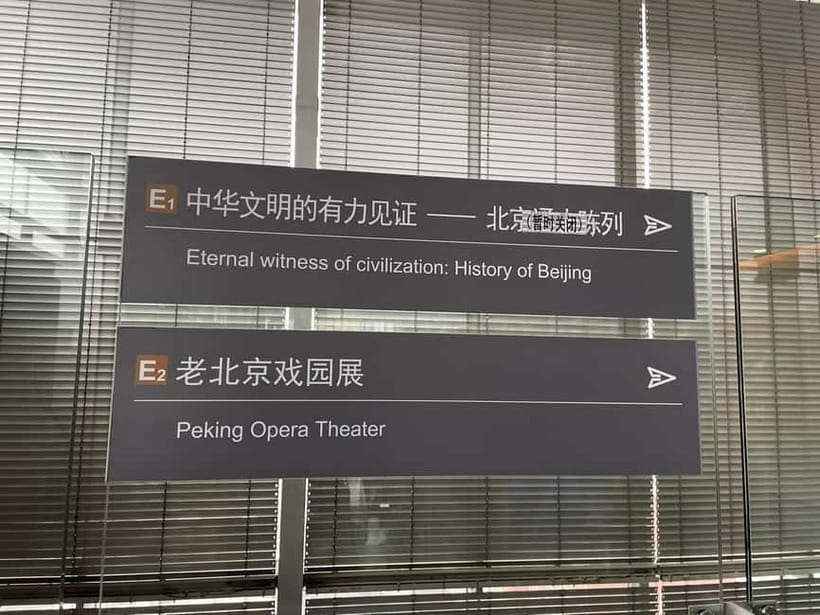
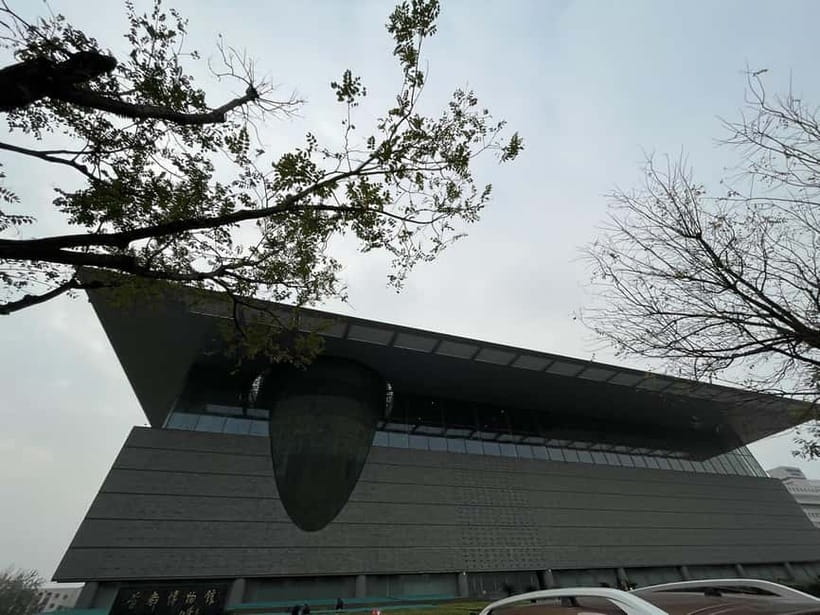
One of the smartest parts of this tour is the inclusion of the Beijing Capital Museum with a guided visit that runs about 3 hours. That time isn’t filler. It’s the portion that helps you interpret the hutong sights that come afterward—what you’re looking at, why it matters, and how old Beijing’s culture ties together.
There’s a reason the museum segment gets positive attention. The museum is described as large and interactive, which usually means you’ll spend real time with exhibits instead of just walking past display cases. If you like museums that give you things to look at and understand, this is the part that can pleasantly surprise you.
A realistic drawback
The museum portion also means you might spend part of your tour indoors—less time outside than you imagined on a nice day. If weather is your top priority, keep an eye on the forecast and be ready to adjust expectations. The total tour length runs 3 to 6 hours, so depending on your starting option and pacing, your day can skew more museum and less lane.
The classic hutong route: Nanluoguxiang and Shichahai
After the context-building museum stop, the walking route focuses on recognizable hutong areas, including Nanluoguxiang and Shichahai. This pairing is good planning because it balances two moods of old Beijing.
Nanluoguxiang gives you a blend of old and new: traditional courtyard lines alongside shops and cozy cafes. It’s the place where you’ll get street-level energy without losing the lane structure. You can use it to orient yourself—once you understand how the lanes connect here, the rest of the hutong walk makes more sense.
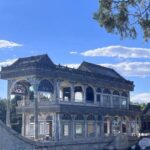
Then there’s Shichahai, built around the lake area. Instead of only moving between doorways and walls, you get a calmer stretch where you can pause and watch everyday life. You might see locals flying kites by the water, hear willow leaves in the breeze, or take a breather at a lakeside teahouse.
Why this route choice is valuable
It’s easy to think hutong tours are only about architecture, but the best ones include the rhythm of daily life—how people slow down near water, how streets feel different when shops start and stop, and how courtyards shape movement. By routing you through both Nanluoguxiang and Shichahai, the tour gives you that full sensory map.
Street food stops: jianbing, tanghulu, and douzhi (what you should budget)
No Beijing hutong experience feels complete without street food. This tour uses food as a guide—something you follow by aroma and local routine—so you’re not just “trying snacks,” you’re learning what locals actually eat.
A few of the classic items you may run into:
- jianbing guozi: a crispy fried crepe with eggs, scallions, savory sauce, and a crunchy wrapper
- tanghulu: sweet and tangy candied hawthorns on a stick
- douzhi: fermented mung bean soup, often paired with youtiao (fried dough sticks) and preserved vegetables
Two practical notes matter here. First, the tour does not include food and beverages, so plan spending for snacks and drinks. The good news is that street food is part of the culture learning, so you’re not paying for a heavy restaurant meal—you’re budgeting for the small tastes that keep the route moving.
Second, fermented foods like douzhi are not everyone’s favorite. If you’re adventurous, great—this is a real taste of everyday diet. If you’re cautious, you can choose to sample small amounts and still get the cultural point of the stop.
A big tip for enjoying street food
Wear something you can wipe clean and bring tissues. Hutong street eating is delicious but a little hands-on. If you like clean, formal dining, you’ll want to manage expectations before you eat.
Tea house ceremony and folk crafts: paper cutting and calligraphy
One of the best “pause and look” moments in this tour is the chance to visit a traditional teahouse for a tea ceremony. A skilled tea master guides the process and shares stories about tea culture, with options you might see such as jasmine tea or oolong.
This stop works because it slows you down at exactly the moment your legs need it. After walking narrow lanes and scanning doorways, sitting with tea gives your brain a reset button. You’ll come back to the hutongs with better attention instead of just rushing to the next photo spot.
Craft time: where culture becomes hands-on
If the schedule allows, you may also spot or join folk craft moments like:
- paper cutting, making delicate patterns tied to good luck and prosperity
- calligraphy, using brush and ink to create Chinese characters
These crafts are powerful because you’re watching skill, not just watching “a performance.” Even if you don’t make your own piece, seeing the tools and process helps you understand why these arts matter in daily life.
There’s also a chance you might catch a snippet of Peking Opera nearby, with its colorful costumes and distinctive singing. You’re not guaranteed a full show, but the possibility adds fun energy to the route.
Optional rickshaw and home visit: worth it if you want deeper access
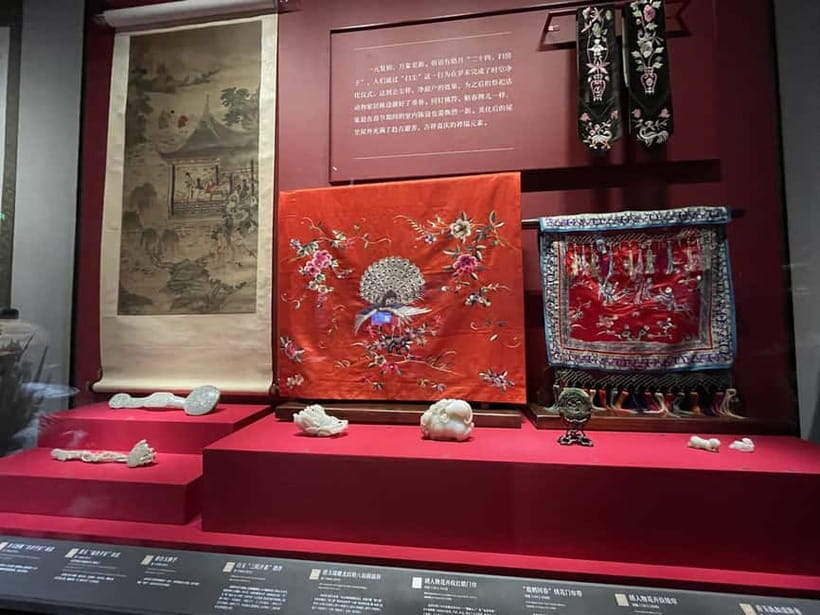
Depending on the option you select, your tour may include a rickshaw ride and home visit. This is a big differentiator. A standard walking tour gives you streets; a home visit can give you scale—how courtyards work in real life, how doors and rooms connect, and how residents experience the neighborhood day to day.
If your package includes this part, I’d consider it the most “extra” value on the itinerary. But if it’s not included, you can still get a lot from the museum, hutong lanes, tea house, and street food stops.
Price and logistics: how $2.86 can make sense
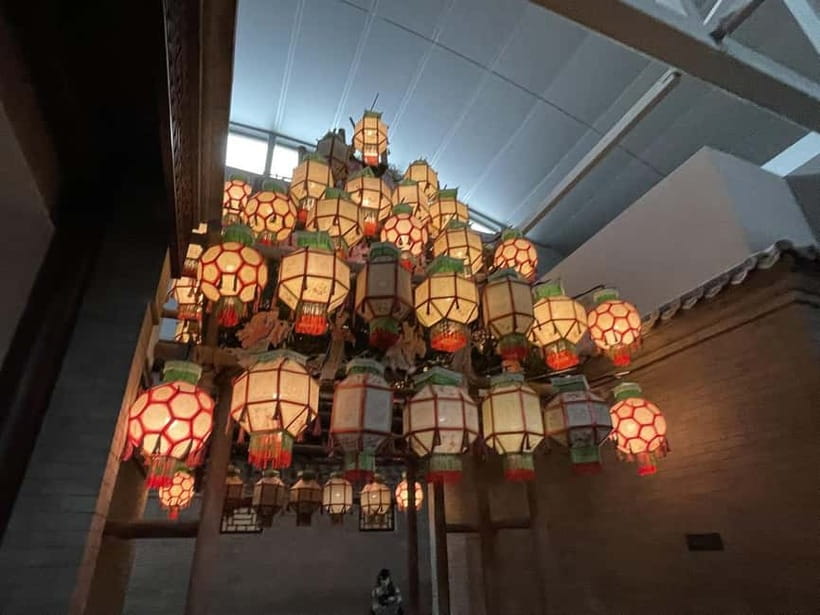
The price listed is $2.86 per person, which is so low it makes you double-take. Here’s the practical way to think about it: the tour’s “core” experience is the guided walking and museum component, and it does not include food and beverages. So if you compare it to a full day of museum entry plus guided tastings plus meals, this is not that.
What you’re really paying for is guide time and structured access—especially the guided Beijing Capital Museum portion and the organized hutong route. That’s why the price can look small while still being worthwhile.
Duration and starting points matter for value
The tour runs 3 to 6 hours, and you choose from three starting points: 鼓楼, 首都博物馆, or Shichahai. That flexibility helps you avoid wasting time traveling across the city. If you line up your day well, you’ll feel like you got a full slice of Beijing without extra detours.
One more logistics detail you should take seriously: admission to the museum needs to be booked in advance, and you’ll need to send passport information for ticket booking. Also, photography is allowed, but flash and tripods are prohibited.
Who should book this hutong and food culture tour
This tour is a strong fit if you:
- want a guided way to understand hutongs rather than wandering randomly
- enjoy street-level food culture (even if you pay for your own snacks)
- like museums with context, especially something described as large and interactive
- want a mix of walking, tea, and crafts, not only architecture photos
It’s not a fit if you:
- want zero walking and minimal transfers
- travel with a big suitcase or need to bring luggage (large bags aren’t allowed)
- prefer a full, meal-included food experience (food and drinks aren’t included)
- are older than 95 (the tour is not suitable for that age range)
On the positive side, it is wheelchair accessible, and the museum is wheelchair accessible too.
Should you book it
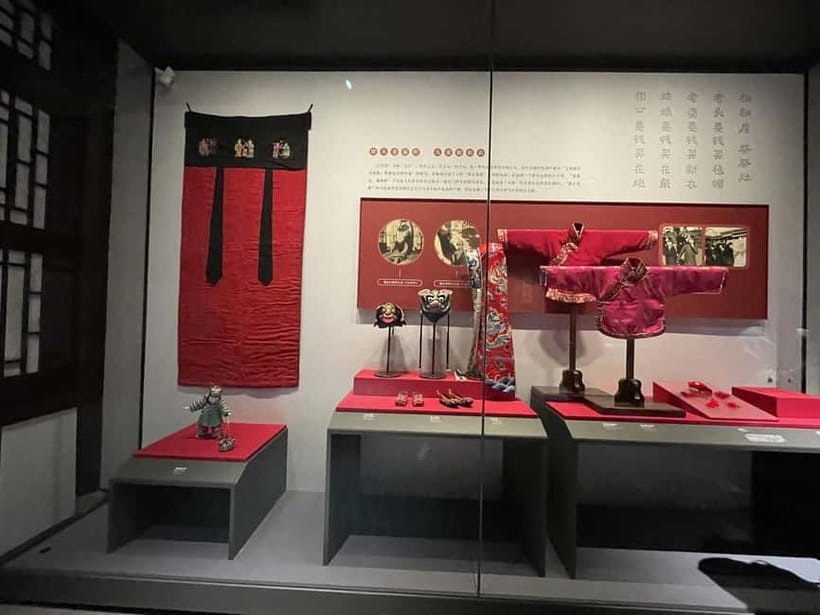
If you want Beijing that feels lived-in—lanes, courtyards, tea, and everyday food—this is a smart pick. I’d especially lean toward it if you like structured context and don’t want to spend the whole day just guessing your way through neighborhoods.
I’d be cautious only if you’re expecting the price to cover everything, including multiple tastings and drinks. Because food and beverages aren’t included, your final cost will depend on what you choose to buy along the way. If that’s not a surprise for you, the tour has a good balance of culture, pacing, and classic areas.
FAQ
What are the available starting locations?
You can start at 鼓楼 (Drum Tower), 首都博物馆 (Beijing Capital Museum), or Shichahai.
How long is the tour?
The duration is 3 to 6 hours, depending on the starting option and timing.
Is the street food included in the price?
No. Food and beverages are not included, so you’ll pay for what you eat.
Which languages are the guides available in?
The live tour guide is available in English, Chinese, French, and Dutch.
Do I need to bring my passport?
Yes. The tour requires passport or ID card information, and passport details are needed for advance ticket booking for the museum.
Is flash photography or tripods allowed?
Flash photography and tripods are prohibited, but photography is allowed.