REVIEW · BEIJING
Beijing: Lama Temple, Confucius Temple and Guozijian Museum
Book on GetYourGuide →Operated by Fun Beijing Travel · Bookable on GetYourGuide
Buddhas the size of a bus stop. This 4-hour Beijing tour layers Lama Temple’s 54-foot sandalwood Buddha with the Confucius Temple and Guozijian Museum story, then finishes in the Hutong lanes where everyday life still shows up. I love how the guide connects what you’re seeing to how people actually worship, and I love the calm shift from big temple halls to quiet Hutong alleys. One trade-off: you’re moving at a steady pace, so you won’t have hours to linger in just one courtyard.
I also like the small, manageable format. It’s a private group, with an English speaking guide, hotel pickup, and entrance fees handled, so you spend your time looking instead of sorting.
For logistics, the plan starts right at your hotel lobby. You’ll meet your guide holding a sign with your name on it, then head to Lama Temple by taxi or subway, or by private car if you choose that option to make the trip easier.
In This Review
- Key Things That Make This Tour Worth It
- Getting From Your Hotel to Lama Temple (Without Wasting Time)
- Lama Temple: The 54-Foot Sandalwood Buddha and the Maitreya Centerpiece
- What to watch for
- Possible drawback to consider
- Watching Worship Up Close (And Understanding the Religious China Context)
- How this changes your understanding
- Small practical tip
- Confucius Temple and Guozijian Museum: Imperial College Through the Yuan–Qing Lens
- What makes this stop special
- Possible drawback to consider
- Hutong Alleys: Finding Local Life in the Lanes After the Museums
- Why this matters for your trip
- Practical consideration
- Price and Value: Is $80 for a 4-Hour Tour a Good Deal?
- Who This Tour Fits Best
- Should You Book This Beijing Tour?
- FAQ
- FAQ
- How long is the tour?
- Where do we meet the guide?
- Do we get an English speaking guide?
- What sites are included in the tour?
- Is the entrance fee included?
- How do we get to Lama Temple?
- Is there a private transfer?
- Can we skip the ticket line?
- Is it possible to add dim sum?
- Is there free cancellation?
Key Things That Make This Tour Worth It
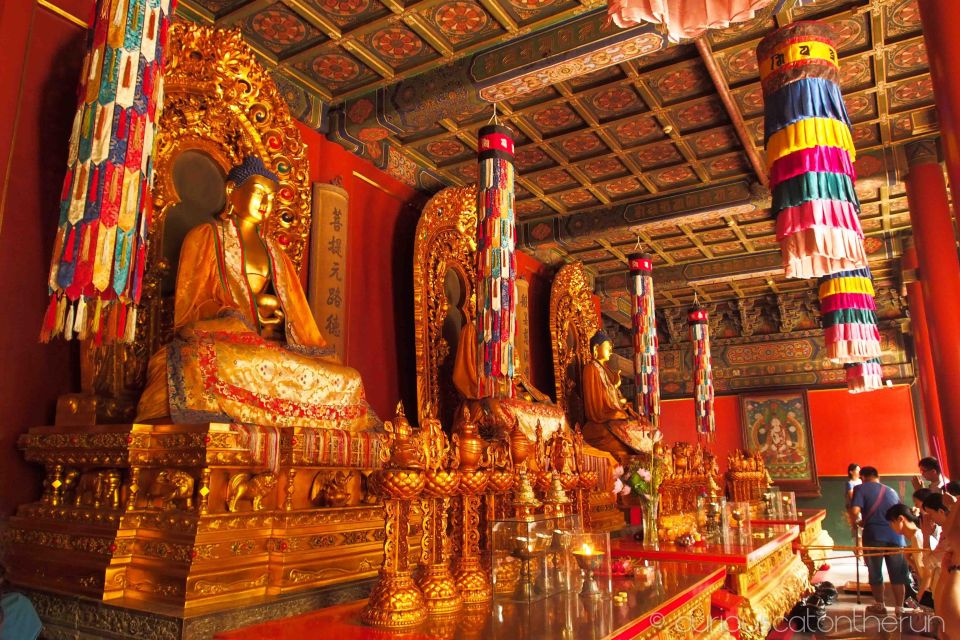
- The sandalwood Buddha wow-factor at Lama Temple, including the big Maitreya carved from a single white sandalwood log from Nepal
- Worship-in-action moments, where you watch how locals practice and hear what it means in China
- Confucius Temple + Imperial College focus, tied to the Yuan, Ming, and Qing eras
- Guozijian Museum context: built in 1306 by the grandson of Kublai Khan, then used as a top academy for centuries
- Hutong alley time, with guidance on the history of these lanes and how people live in them
- Optional dim sum add-on, if you want a food finish instead of just more walking
Getting From Your Hotel to Lama Temple (Without Wasting Time)
The tour begins in the most practical way: you meet your guide in your hotel lobby, and they’ll be holding a sign with your name. That alone saves energy, especially in Beijing where it’s easy to lose time figuring out the next step.
From there, you’ll head to Lama Temple either by taxi or subway. If you want the simplest route, there’s also a private car option. In a four-hour experience, small decisions like this matter. Taxi can reduce stress and walking between stops, while subway can save time and money if you’re comfortable navigating stations. Either way, your guide keeps the day flowing so you’re not guessing what entrance to use.
Also keep in mind that temple timing can feel crowded in the core areas. This tour includes skip the ticket line, which helps you start seeing things sooner rather than spending your limited time in a queue.
You can also read our reviews of more tours and experiences in Beijing.

Lama Temple: The 54-Foot Sandalwood Buddha and the Maitreya Centerpiece
Lama Temple is the part of this day that usually makes people stop talking mid-sentence. You’re there to see the big 54-foot high sandalwood Buddha, and the highlight is not just size—it’s the way the hall is staged around the figures so your eyes keep returning to the main statue.
One standout detail is the Maitreya Buddha, described as the biggest wooden Buddha in the world. You’ll hear the story that it was carved from one precious white sandalwood log from Nepal, which turns what looks like a giant object into something closer to a craft miracle. Even if you’re not a statue person, that kind of origin story changes how you look. You start wondering about the carving, the material, and why this temple became such a focal point for devotion.
As you move through the different courtyards and halls, your guide helps you notice what matters. You’re not just walking from one photo spot to another. You’ll be guided to see different Buddhist statues and hear the stories behind them, which is the difference between a “pretty building” visit and a “wait, I get it” visit.
What to watch for
Pay attention to how the main figure dominates the space. In a place like this, the scale isn’t only impressive—it’s instructional. The statue is designed to anchor the room and pull worshippers into a shared visual focus.
Possible drawback to consider
This is the kind of stop where you can get picture-happy. If you spend too long filming and taking photos early, you can feel rushed later. I’d rather you take fewer shots and watch the worship moments, because that’s where the meaning lands.
Watching Worship Up Close (And Understanding the Religious China Context)
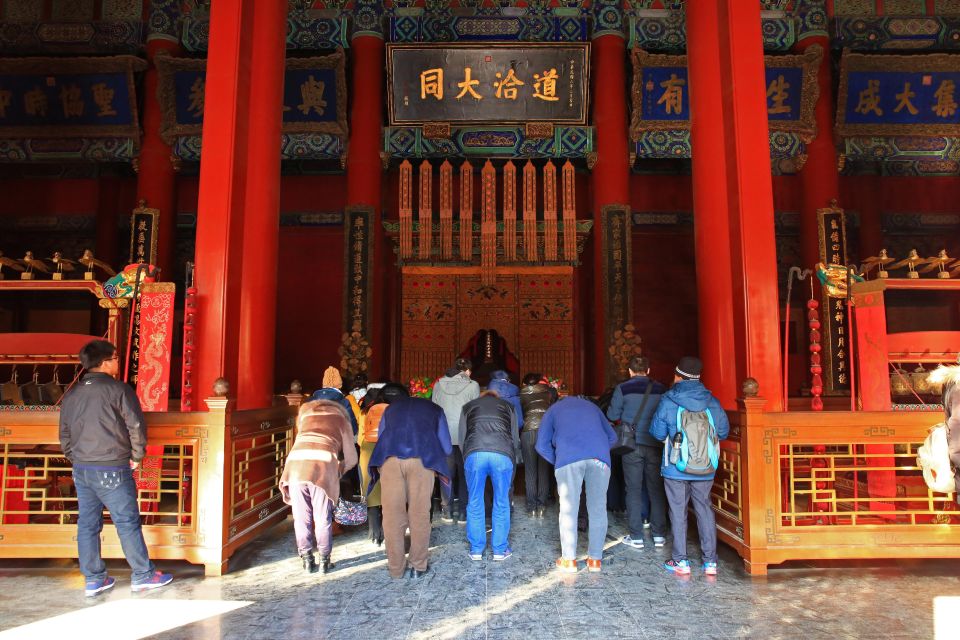
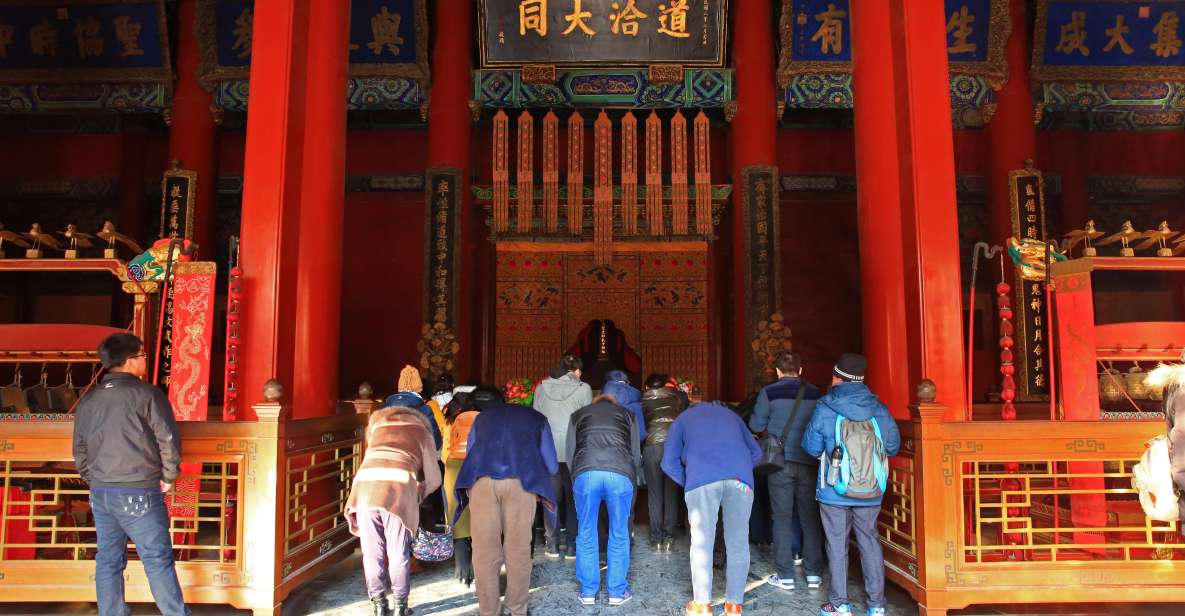
A big reason I like this tour is that it doesn’t treat temples as museums. You get to watch how the locals worship and get to know the religious in China, in a guided, respectful way.
Temple visits can become abstract if all you do is read plaques. Here, your guide explains what you’re seeing while you’re seeing it. That makes rituals feel less like background motion and more like a living practice. When you watch people pray—how they position themselves, what they do, and where their attention goes—you start picking up patterns that you’d miss from a quick walkthrough.
Your guide also connects statue stories to this daily reality. That’s important because the temple is not only about what happened centuries ago. It’s also about what’s happening now, in the same spaces.
How this changes your understanding
When you understand even a little about the purpose of the icons and the flow of worship, the whole building makes more sense. Instead of staring at decoration, you understand why people choose certain routes, certain pauses, and certain focal points.
Small practical tip
Wear shoes you don’t mind walking in. Temple courtyards and halls are comfortable if you’re prepared to move steadily, and you’ll be doing that for hours.
Confucius Temple and Guozijian Museum: Imperial College Through the Yuan–Qing Lens
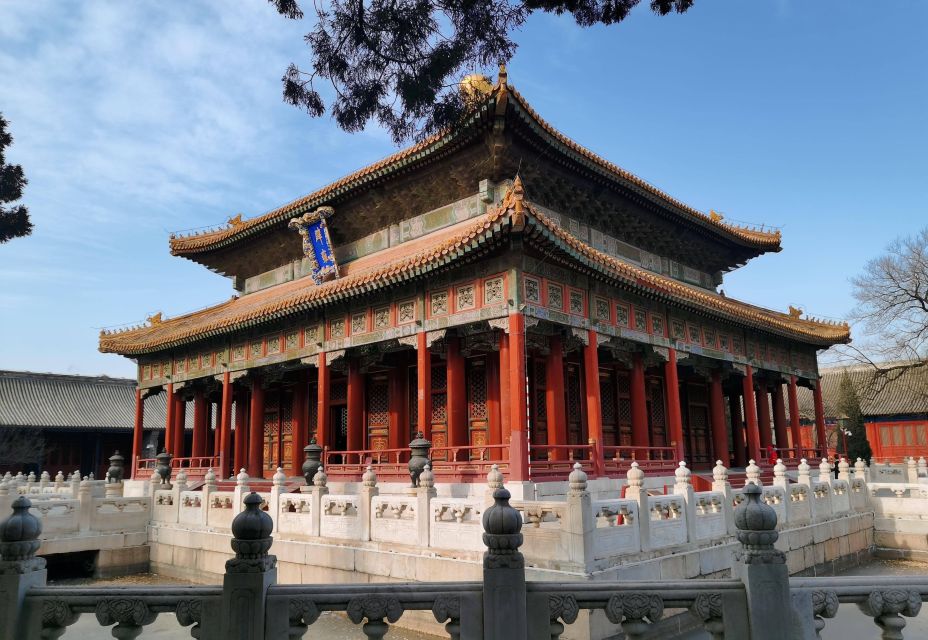
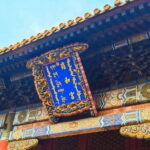
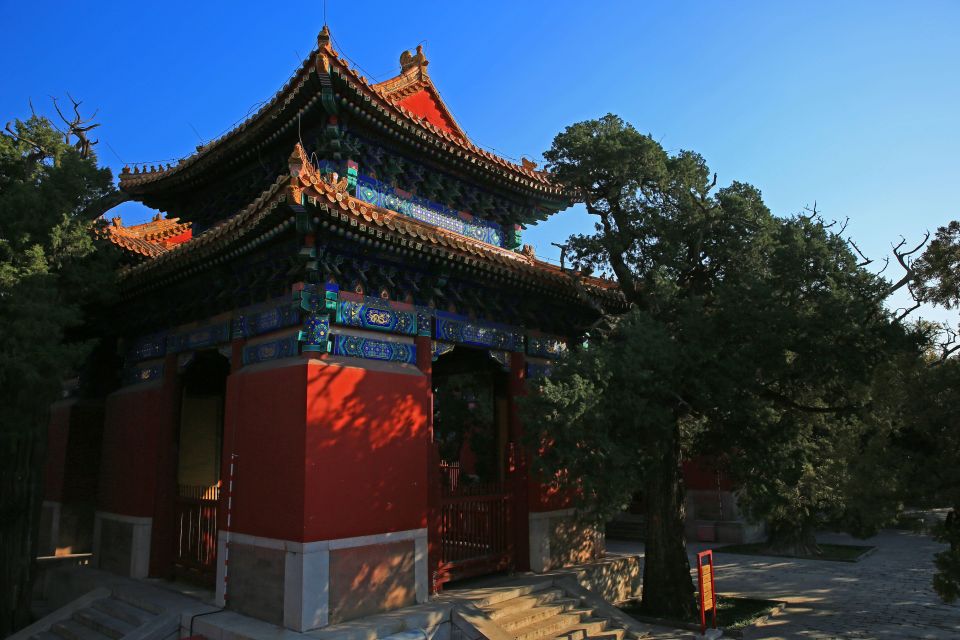
After the Lama Temple stop, the tour shifts tone—quieter, more reflective, and focused on scholarship. You’ll continue on to the Temple of Confucius and Imperial College, also known as Guozijian Museum.
This is where the tour earns its brain-space. You’re not just looking at old buildings. You’re learning the role of education and ideas in Chinese history. The Guozijian complex was built by the grandson of Kublai Khan in 1306, and the former college became the supreme academy during the Yuan, Ming, and Qing dynasties.
That timeline matters because it turns “old campus buildings” into a bigger story about how ruling systems shaped learning, and how learning shaped the society that those rulers needed.
As you explore, you’ll hear the stories behind the spaces. Even without a deep background in Chinese dynasties, you’ll be able to track the basic arc: an academy that rose to major importance, and buildings that survived long enough for you to walk through them today.
What makes this stop special
Confucian sites reward attention to detail. The architecture and the layout can feel formal and symmetrical, and that’s not accidental. When your guide ties those features back to education and authority, it clicks.
Possible drawback to consider
If your personal interest is purely religious art and ritual, Confucius and the Imperial College may feel more “thinking-focused” than “worship-focused.” I still think it’s a great pairing, but this tour isn’t only about temples doing temple things.
Hutong Alleys: Finding Local Life in the Lanes After the Museums
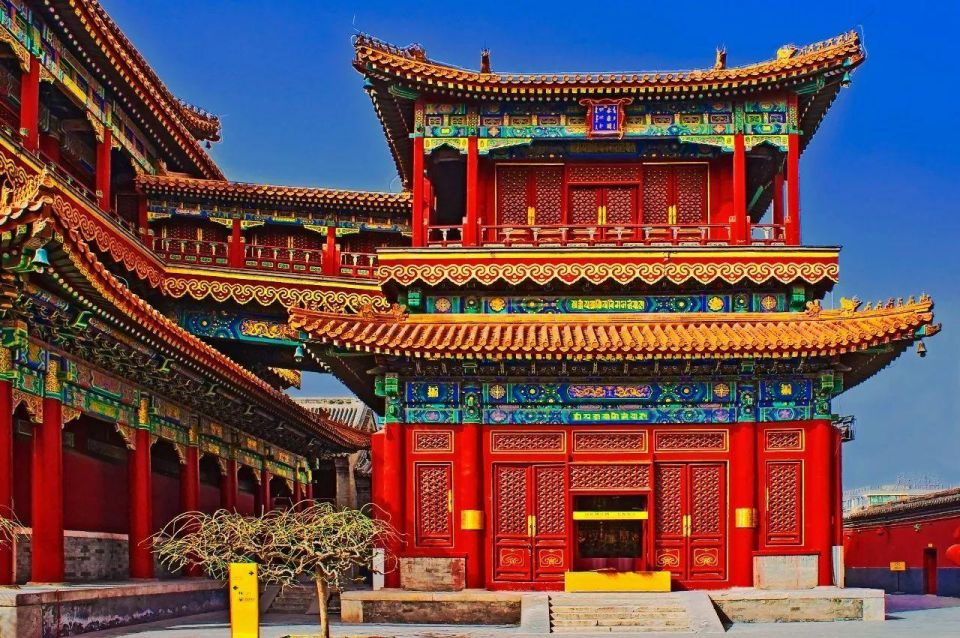
The final stretch is one of my favorite kinds of travel moments: the change from monumental sites to the lived-in city. After Guozijian, you’ll stroll around beautiful and quiet Hutong alleys, and your guide will help you understand the history of Beijing Hutong streets.
This is also where you start noticing small human details—how a neighborhood keeps going, how lanes shape movement, and why these areas have their own rhythm separate from the big tourist zones. Instead of finishing with another hall, you finish with street-level context.
Your guide will suggest additional time if you want to extend the experience. Wudaoying Hutong is specifically mentioned as a nearby place to explore after your tour ends.
Why this matters for your trip
Beijing can feel like a parade of major landmarks. Hutongs slow you down. They show you a different side of the city—one with a daily schedule rather than an attraction schedule.
Practical consideration
Hutong strolling is not the same as a paved sidewalk walk you can power through. It’s best if you’re okay moving at a slower tempo and taking it in.
Price and Value: Is $80 for a 4-Hour Tour a Good Deal?
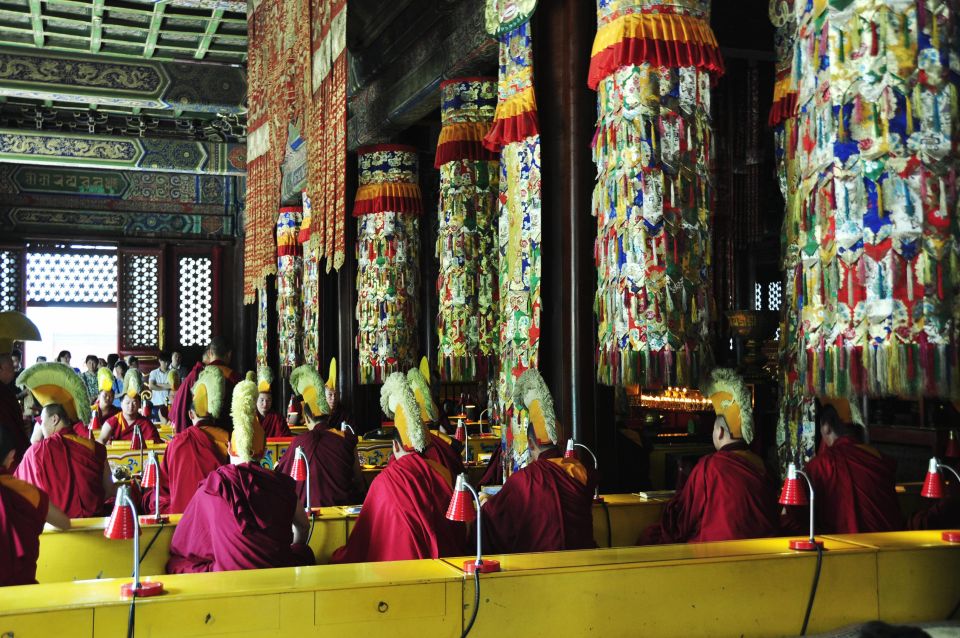
At $80 per person for about 4 hours, the value depends on how you like to travel.
Here’s what you’re paying for in practical terms:
- An English speaking guide who explains what you’re seeing
- Hotel pickup (so you’re not arranging your own meeting point and transport)
- Entrance fees included
- Skip the ticket line
- Private group format
If you tried to do this on your own, you’d still pay for tickets, spend time coordinating routes, and lose the “connective tissue” that makes the day feel like one story instead of three separate stops. That’s what I think you’re really buying: context and time savings.
Where the price might feel less great is if you’re the type who only wants to spend 10 minutes inside each stop and move on fast. This tour is built for guided pacing, not a race.
Who This Tour Fits Best
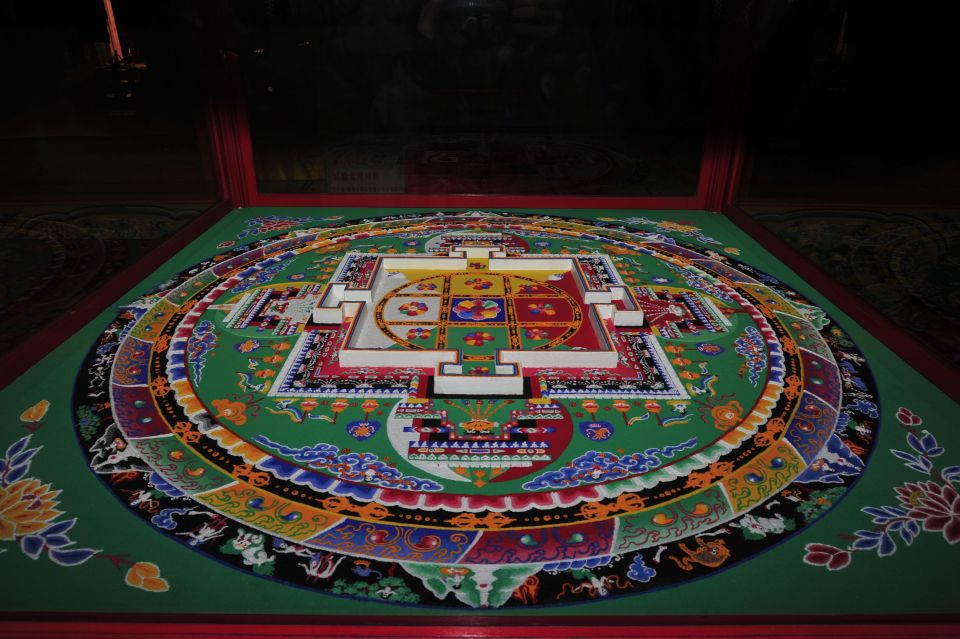
This is a good match if you want:
- A short, structured way to cover three major sites in one day
- Explanations that connect religion, education, and city life
- A smooth day with pickup and guides handling the flow
- A mix of big statues plus quieter neighborhood walking
It’s also a nice fit for first-time visitors to Beijing who want a guided “core city” day without committing to a full-day marathon.
If you’re a hardcore architecture specialist or you want maximum time per building, you might feel a bit pressed by the four-hour format. In that case, treat it as a great introduction rather than your only visit.
Should You Book This Beijing Tour?
I’d book it if you want an organized day that feels human, not just checklist tourism. The combination of Lama Temple’s scale and craft story, Confucius and Guozijian’s academy timeline, and then Hutong alley life is a smart mix. You’re also not stuck figuring out logistics, since your guide meets you at your hotel and the tour includes entrance fees and skip-the-line support.
I’d skip it only if you strongly prefer independent exploration and hate guided pacing. Otherwise, this is the kind of tour that makes Beijing feel understandable in a few hours, which is exactly what many people need on a limited schedule.
FAQ
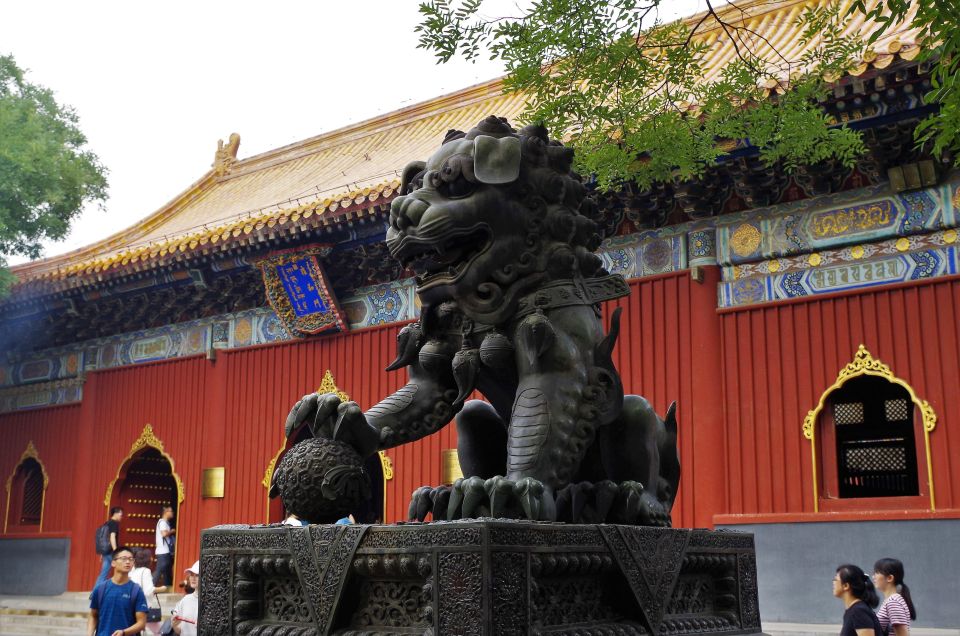
FAQ
How long is the tour?
The duration is 4 hours.
Where do we meet the guide?
You meet your guide in your hotel lobby, and they hold a sign with your name.
Do we get an English speaking guide?
Yes, the tour includes an English speaking guide.
What sites are included in the tour?
The tour covers Lama Temple, Confucius Temple, and the Guozijian Museum, and it also includes walking through nearby Hutong alleys.
Is the entrance fee included?
Yes, the entrance fee is included.
How do we get to Lama Temple?
You can go by taxi or subway, and there is also an option for a private car if you want an easier trip.
Is there a private transfer?
Private transfer is included only if you choose the related private car option.
Can we skip the ticket line?
Yes, the tour includes skip the ticket line.
Is it possible to add dim sum?
Yes, there is an option to combine the tour with a delicious dim sum meal.
Is there free cancellation?
Free cancellation is available up to 24 hours in advance for a full refund.
If you tell me your hotel area and whether you prefer subway or private car, I can suggest the easiest way to start your day.