REVIEW · BEIJING
Beijing: Prince Kung’s Palace Museum Ticket—Must-See Spot
Book on GetYourGuide →Operated by PANDA HAPPY JOURNEY IN CHINA · Bookable on GetYourGuide
Beijing has a palace that most people miss. Prince Kung’s Palace Museum gives you a strong hit of Qing-era life with self-guided freedom and an English PDF guide. I like that you get the largest Qing prince’s mansion feeling without a rigid schedule, and I especially like the preserved courtyards and gardens that make the architecture easy to follow. One watch-out: if you go late (after mid-morning), it can feel crowded and harder to see details.
This is built for history and culture lovers who want to walk at their own pace. The mansion’s late-18th-century story, tied to He Shen and Emperor Qianlong, turns each hall and corridor into more than decoration. Still, it’s a walking experience inside a complex, so plan enough time and don’t stack it too tightly with other big stops.
In This Review
- Key Points I’d Plan Around
- What You’re Actually Booking at Prince Gong’s Palace
- Skip the Lines, Keep the Day Flexible
- Your Self-Guided Flow: Halls, Corridors, Courtyards, and Garden Spaces
- The Story Behind He Shen and Emperor Qianlong
- Architecture You Can Read: Pavilions, Rockeries, and Courtyard Layout
- Garden Time: A Quieter Pace in the Middle of Beijing
- Timing Advice: Beat the Crowds Before 11:00
- Pairing With Nearby Sights: A Scenic Walk Option
- Evening Light Show & Cultural Performance: Plan, Don’t Assume
- Price and Value: Is $20 Worth It Here?
- Who This Is Best For (And Who Should Choose Something Else)
- Should You Book This Ticket for Your Beijing Day?
- FAQ
- What’s included with the ticket?
- Is there a live tour guide or audio guide?
- How long should I plan for?
- Can I choose self-guided?
- What should I bring to enter?
- What language is the guide available in?
- Is the evening show part of the experience?
Key Points I’d Plan Around
- Skip-the-line entry helps you start seeing instead of waiting
- English PDF guide is included, so you can move fast without an audio device
- Qing prince scale: it’s described as the largest Qing Dynasty prince’s mansion in Beijing
- Architecture + garden rhythm: halls, courtyards, corridors, and water features follow a clear flow
- Go early for views: after 11:00 it can get overcrowded and visibility drops
- Evening light show potential: the experience includes a Light Show & Cultural Performance, so check timing for your visit
What You’re Actually Booking at Prince Gong’s Palace
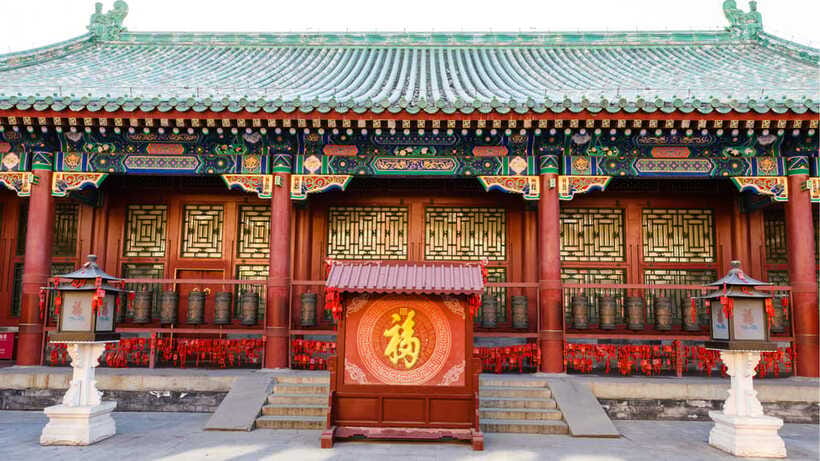
This is a ticket-focused experience to Prince Kung’s Palace Museum, also known as Prince Gong’s Palace. At its core, you’re paying for entry plus a useful English PDF guidebook—not a live guide and not an audio guide.
That matters because Prince Gong’s Palace works best when you can look slowly. You’ll be moving through courtyards and halls that connect to each other. When you can pause, turn, and re-check details, the place starts making sense.
The museum is often described as “half of Qing Dynasty history,” and you’ll feel why once you’re inside. The palace is presented as the largest Qing Dynasty prince’s mansion in Beijing, which makes it a practical “big immersion without a full-day grind” stop—especially compared with the Forbidden City’s scale.
The price is about $20 per person, and for this type of venue, it’s a fair way to buy time. If you hate ticket lines, the skip-the-line part is where a good chunk of that value shows up fast.
You can also read our reviews of more tours and experiences in Beijing.

Skip the Lines, Keep the Day Flexible
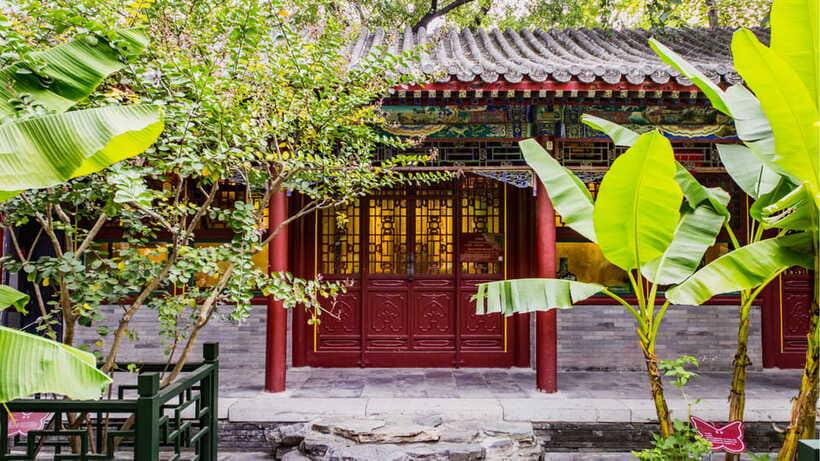
The ticket is set up for easy entry with “skip ticket line” included. That’s not a small perk in Beijing. It’s the difference between arriving and settling in versus arriving and spending your energy standing still.
You also have a “reserve now, pay later” option and free cancellation up to 24 hours (so you can adjust if your schedule shifts). That flexibility is especially helpful if you’re planning your day around other big sights like the Forbidden City, which can run long.
You’ll want to bring a passport or ID card. That’s the kind of boring requirement that can ruin a morning if you forget.
Your Self-Guided Flow: Halls, Corridors, Courtyards, and Garden Spaces
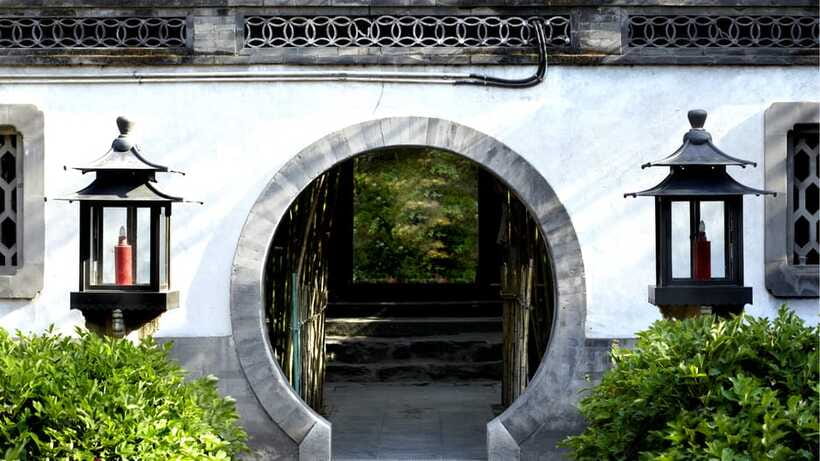
Because this is self-guided, your “itinerary” is really your walking route. The included PDF guide is designed to point you to the must-see halls, gardens, and historical artifacts, so you don’t wander aimlessly.
Here’s the pattern the palace naturally encourages:
- Start in the main ceremonial and residential zones, where you’ll see how wealth was displayed through layout and architecture.
- Move through corridors and courtyards, where the scene changes as you turn corners.
- Finish with the garden areas, where the tone becomes quieter and more scenic.
One reviewer summed up the pace well: it can be a minimum of about 2 hours, and that’s a strong baseline. If you try to squeeze it into a tiny window, you’ll feel rushed and miss the garden and the details in the halls.
I like that the setup lets you choose. If you want to do just the highlights, you can. If you’re a slower walker or you stop a lot for photos, you can spend longer without being penalized by a timed group schedule.
The Story Behind He Shen and Emperor Qianlong
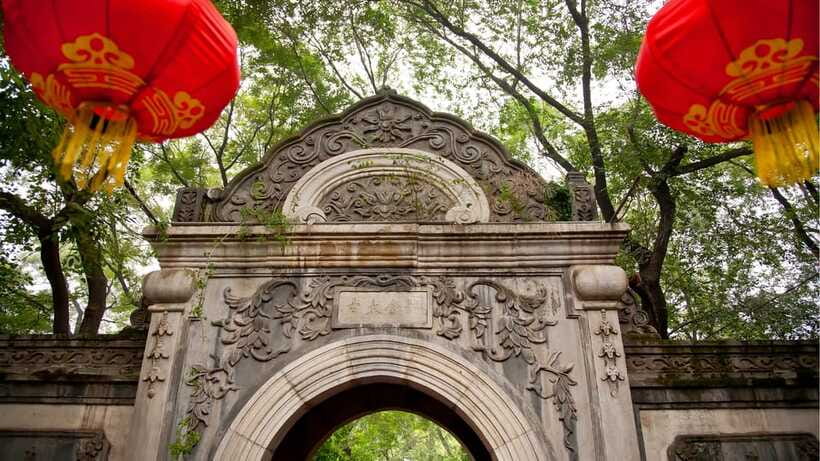
The palace dates to the late 18th century, and it was once the lavish home of He Shen, the influential minister of Emperor Qianlong. That historical link matters because you’ll see the building as a political and social statement, not just a pretty complex.
What you’ll notice as you walk:
- The space is arranged to show status through hierarchy and separation (public versus private-feeling areas).
- Many buildings look designed for viewing from specific angles, not random strolling.
The PDF guidebook is meant to help you understand what you’re looking at—so you don’t just enjoy the architecture, you get a clearer sense of how Qing elites lived. If you like history you can physically walk through, this place is a good match.
Architecture You Can Read: Pavilions, Rockeries, and Courtyard Layout
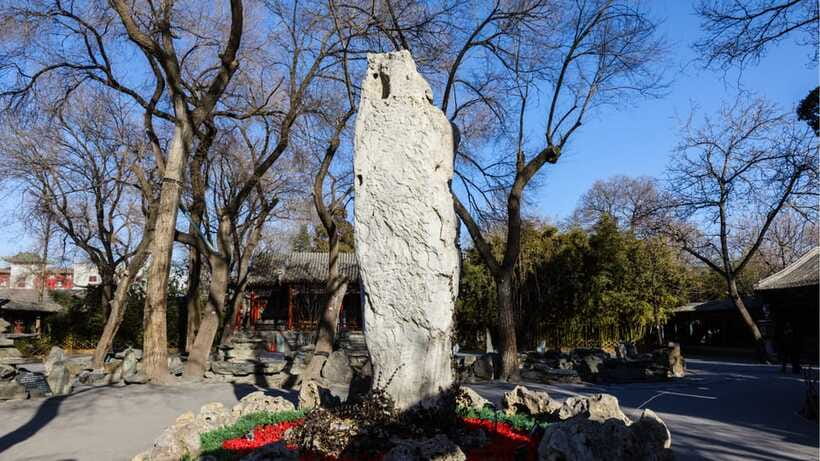
Prince Gong’s Palace is known for its varied Chinese architectural aesthetics. Translation: it doesn’t look like one building type repeating over and over. You get pavilions, courtyard geometry, and landscape features that change how the palace feels.
The palace description also points out that tranquil water features follow traditional Chinese feng shui principles. Even if you’re not trying to interpret feng shui like a textbook, you’ll likely feel the intention: the gardens are built to calm you and to guide movement through the space.
If you’re into photography, this is a practical advantage. Courts and corridors give you strong sightlines. Gardens give you softer light and textures. You’re not stuck taking photos against only one kind of background.

Garden Time: A Quieter Pace in the Middle of Beijing
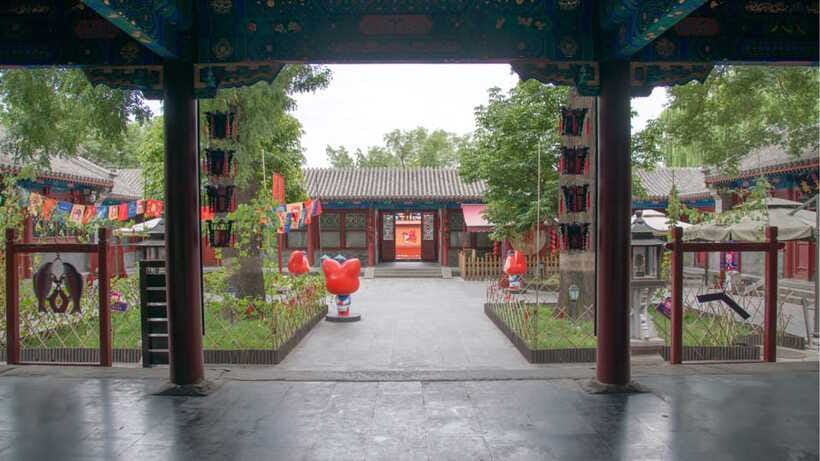
The gardens are a major reason I’d recommend this stop. In a city filled with big-ticket monuments, it’s refreshing when a historic residence includes a real retreat inside it.
The palace’s preserved water features and garden design can feel like a break from the noise outside the walls. And because the space is smaller than many mega-attractions, you can actually slow down without it turning into a half-day march.
One review highlighted the amazing garden and the fact that the palace can feel less tiring than the Forbidden City. That lines up with how you’ll likely experience it: Prince Gong’s Palace is still substantial, but it doesn’t force you into the same “endless scale” problem.
Timing Advice: Beat the Crowds Before 11:00
Here’s the main practical warning: go early.
After 11:00, it can get overcrowded and it becomes harder to see clearly. That’s not just about comfort. In a palace with detail work—signboards, carved elements, small courtyards—crowding kills your ability to actually read the building.
My suggestion:
- Plan to arrive earlier in the day so you get calmer viewpoints and easier photo angles.
- Give the garden more time rather than treating it as a quick stop at the end. When it’s quiet, it’s genuinely enjoyable.
If you’re also planning the Forbidden City on the same day, consider this: one review described it as not ideal to do after the Forbidden City because there’s a lot to see and think about. In other words, stacking too tightly can turn both visits into stress. If you do both, I’d keep a gap or start with one and treat the other as the lighter finish.
Pairing With Nearby Sights: A Scenic Walk Option
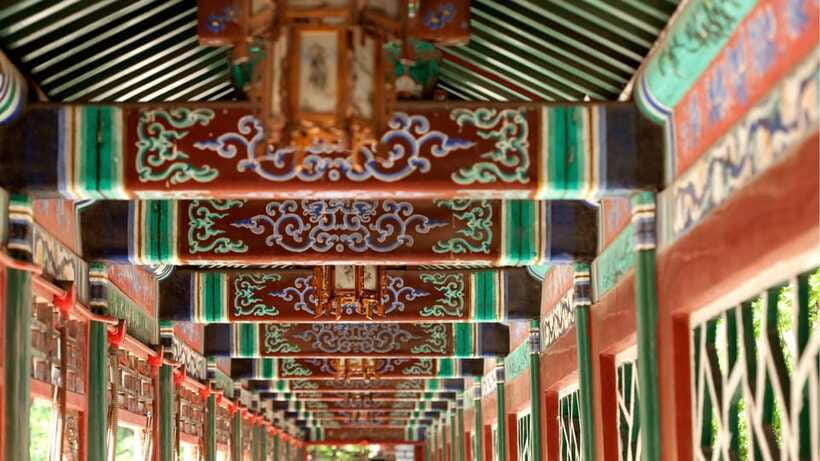
One of the best parts of the feedback is how useful the location feels beyond the palace ticket itself. You can walk from the Shichahai metro area through a scenic route and also see the Drum Tower along the way.
That matters because Prince Gong’s Palace isn’t just a standalone “enter and exit” stop. You can turn the trip into a mini outing: walk, look around, then settle into the museum.
I like this for two reasons:
- You reduce backtracking and taxi use.
- You get a Beijing neighborhood vibe before you enter a historic complex.
So if you’re near Shichahai anyway, it’s a sensible way to add value to your day.
Evening Light Show & Cultural Performance: Plan, Don’t Assume
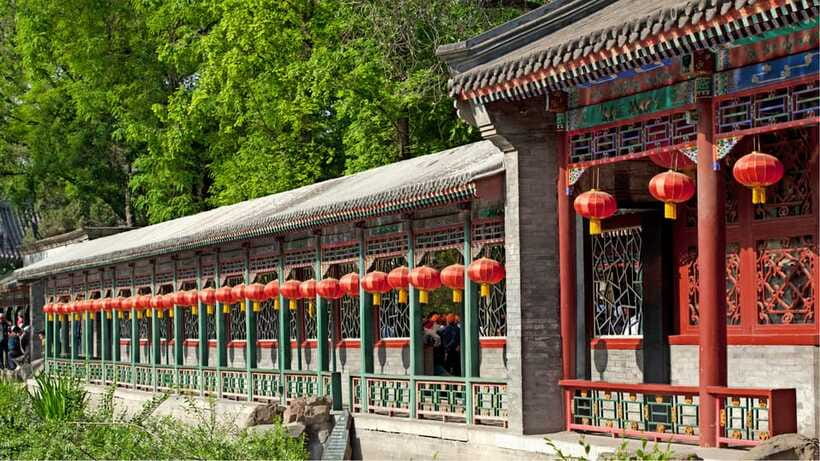
The highlights mention a Light Show & Cultural Performance in the evening. That’s a strong reason to consider a later visit if you enjoy shows and lighting effects.
But the ticket details you provided don’t spell out exactly how the evening program is included or how it’s scheduled. So my practical approach is simple:
- Check the timing when you arrive or in the PDF guide materials.
- Treat it as something you should be ready to catch, not something you should build your whole day around without a confirmation step.
If it lines up with your schedule, it can add a fun emotional finish to a day of quiet architecture.
Price and Value: Is $20 Worth It Here?
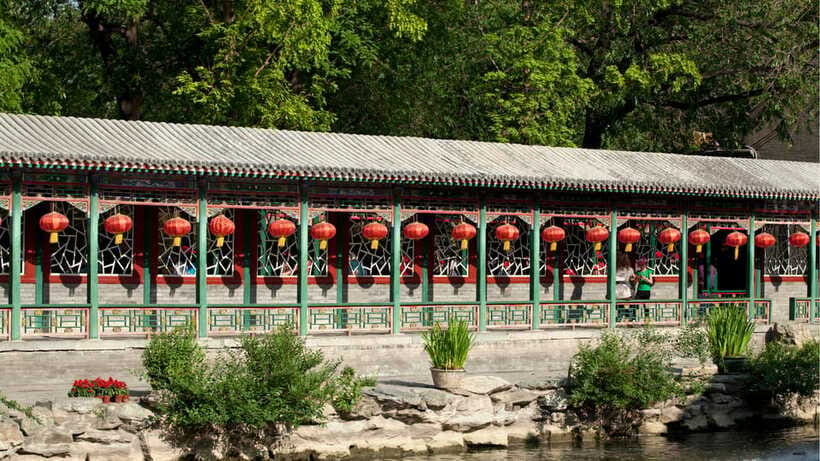
At $20 per person, this ticket is priced like a serious museum entry, not a budget add-on. The question is whether you get enough on-site value.
You do, mainly because two things are included:
- Entry to Prince Gong’s Palace Museum
- An English PDF guidebook
You’re not paying extra for a live guide or audio device, but you’re also not getting those extras included. For many independent travelers, the PDF guidebook is actually the right trade-off: you can re-read points you miss and you can keep moving.
This is also where the skip-the-line feature pays you back. Even if you only save 15–30 minutes, that time becomes more courtyard viewing, more garden walking, and more chances to notice details.
If you’re the type of traveler who hates waiting and likes to control pace, the value looks strong.
Who This Is Best For (And Who Should Choose Something Else)
This experience is a great fit if you:
- Like Qing history and want it in a place you can walk through
- Prefer self-guided visits with a clear plan (the PDF guide)
- Want architecture and gardens without committing to the Forbidden City’s full intensity
- Enjoy photography and want courtyards plus scenic garden moments
You might choose a different format if you:
- Want a live, on-the-spot explanation from a guide (a live tour guide isn’t included here)
- Rely on audio guidance for navigation (an audio guide isn’t included)
- Need a fully scripted schedule with timed stops
Also, it’s a smart stop for travelers who want something more “local and palace-like.” One review noted it feels like a place Chinese visitors know well but that Western visitors may overlook. That often means you get a calmer, more authentic-feeling rhythm.
Should You Book This Ticket for Your Beijing Day?
Yes, I’d book it if your goal is a high-quality palace visit with independence. The skip-the-line entry and included English PDF guide are the big selling points. You’re not paying for fluff, and you’re not stuck in a rigid group timetable.
Book it especially if you can go earlier than mid-day, because the difference in crowding after 11:00 can be real. If you’re traveling with a camera, or you simply want to slow down and look, this palace gives you room to do that.
If your day is already packed with mega-attractions, watch your pacing. People underestimate how much there is to see and think about here. Treat it like a real visit, not a quick detour.
FAQ
What’s included with the ticket?
You get entry to Prince Kung’s Palace Museum (Qing Palace) and an English PDF guidebook.
Is there a live tour guide or audio guide?
No. A live tour guide and an audio guide are not included.
How long should I plan for?
The experience is listed as 1 day. In practice, plan at least a couple of hours to see the palace highlights comfortably.
Can I choose self-guided?
Yes. The experience offers flexible options, and the ticket experience is set up for a self-guided visit using the included PDF guide.
What should I bring to enter?
Bring your passport or ID card.
What language is the guide available in?
The included guidebook is in English.
Is the evening show part of the experience?
A Light Show & Cultural Performance is mentioned as part of the highlights, so you should plan around evening timing and check what’s available during your visit.