REVIEW · CHONGQING
Chongqing: Surreal Urban, Ancient Town, and Secret Viewpoint
Book on GetYourGuide →Operated by SKYMATZ RESOURCES LIMITED · Bookable on GetYourGuide
A train runs through a real neighborhood. In one packed day, you’ll tackle Chongqing’s best surreal hits: the Liziba Monorail ride through a residential building, plus the Yangtze cableway for skyline views that feel unreal. I also like that the day balances big-photo moments with calmer stops like Kuixing Tower and old-town lanes, so you get the city’s 8D layout, not just a highlight reel.
One consideration: you’re walking for a long day (about 10 hours) and popular viewpoints can get crowded. Wear comfortable shoes, bring a camera, and expect Chongqing to feel busy and steep in places.
In This Review
- Key things to love about this Chongqing day
- Chongqing as a whole: why the city feels like 8D magic
- Liziba Monorail and Kuixing Tower: trains, towers, and Jialing River views
- Yangtze River cableway: the air-bus crossing you’ll remember
- Ciqikou Ancient Town: port-town streets and snack breaks
- Chongqing City Planning Exhibition Gallery: the model behind the mountain-city
- Longmenhao Old Street and tea-house life near the river
- How a 10-hour plan keeps Chongqing from eating your day
- Guides and languages: why the small stuff makes the day easier
- Price and value check: what $216 includes, and why that matters
- Practical tips for a smoother Chongqing day
- Should you book this Chongqing tour?
- FAQ
- How long is the Chongqing one-day tour?
- How much does the tour cost?
- What is included in the ticket prices?
- Are snacks and drinks included?
- Is lunch included?
- Do you pick me up in Chongqing?
- What group size is this tour for?
- What languages are available for the guide?
- Is the tour suitable for wheelchair users?
- Can I reserve now and pay later?
- What if I need to cancel?
Key things to love about this Chongqing day
- Liziba Monorail ride: that iconic train-through-a-building moment, plus the best photo angles
- Kuixing Tower views: Jialing River panoramas and a genuinely local-feeling stop
- Yangtze River cableway (air-bus): a high river crossing with city and mountain views
- Ciqikou Ancient Town: port-town streets for snacks, shopping, and street-life watching
- Urban planning + old streets: the City Planning Exhibition Gallery views, then Longmenhao’s teahouses and slow lanes
Chongqing as a whole: why the city feels like 8D magic
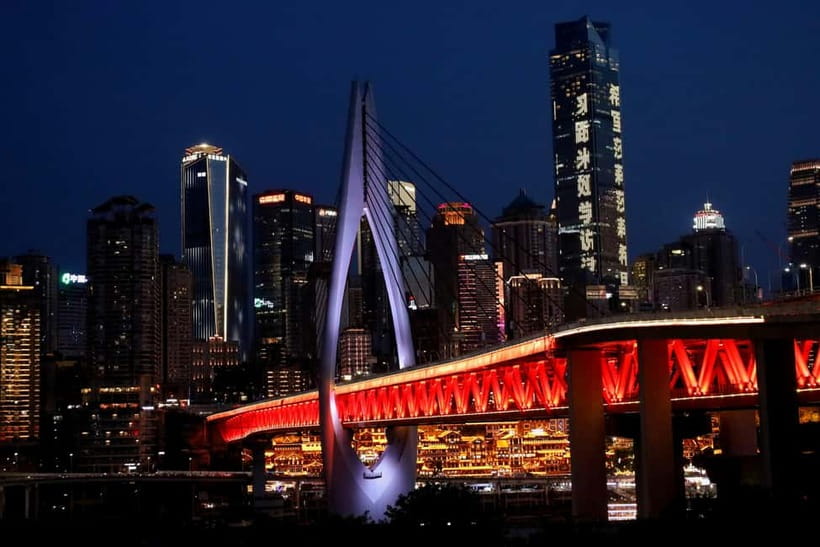
Chongqing is a city built up and around rivers and hills, and that changes how you move through it. Streets stack above streets. Viewpoints appear around corners. Even simple routes can feel like you’re stepping into different layers of the same place.
That’s exactly why this one-day plan works. You get big perspective shifts throughout the day. A monorail gives you a close-up look at the city’s tight spacing. Then a cableway lifts you far enough above the Yangtze that you can finally see how the whole puzzle fits together. After that, you slow down with old-town alleys and tea stop energy, where the city’s human scale returns.
I also like the pacing because it’s not just museum after museum. You mix one interactive city-thinking stop with street-level wandering. The result: you’ll understand what you’re seeing, not just photograph it.
You can also read our reviews of more tours and experiences in Chongqing.
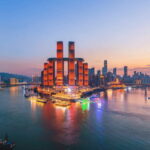
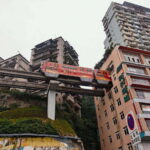
Liziba Monorail and Kuixing Tower: trains, towers, and Jialing River views
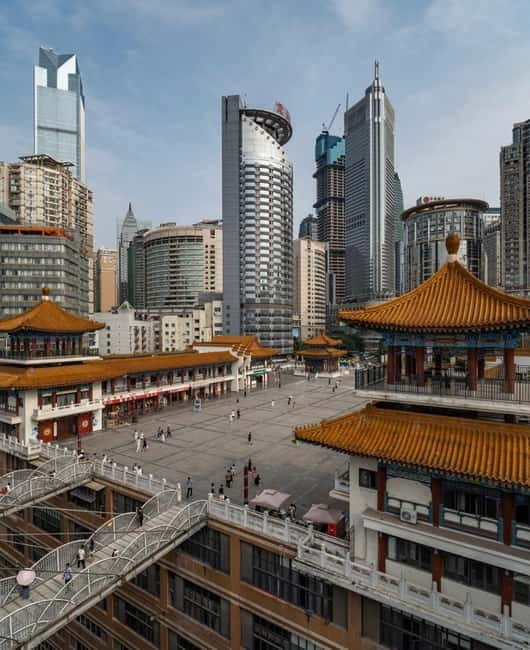
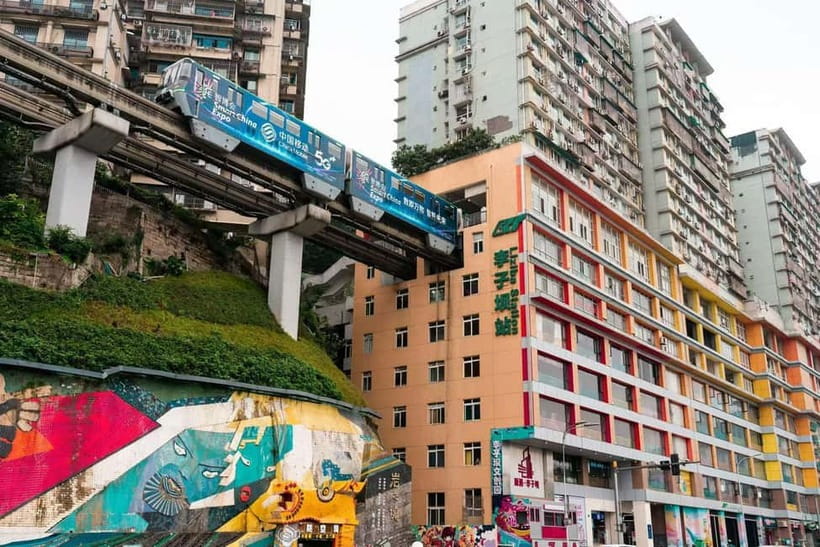
Liziba Monorail is the showstopper, and it’s memorable in a very specific way. You’re not looking at a model or a far-off landmark. You watch the train pass through a residential building, close enough that it feels like it belongs in someone’s living room.
This tour doesn’t treat it like a quick photo stop either. You get both the famous Liziba viewpoint feeling and the real adrenaline of riding the monorail yourself. That combination is what makes the experience stick. From the train, you see the city’s tight building lines from the inside. From the viewpoint areas, you understand why the city looks like it’s been drawn with rules that bend.
Then you shift to Kuixing Tower, tucked away in Yuzhong District. This isn’t just for skyline pictures. The tower connects you to the local idea of prayer for academic success, which gives the stop more meaning than a generic lookout.
Here’s a practical detail to keep in mind: Kuixing Tower can throw off your sense of direction. You might wonder if you’re on the ground level or higher up, because Chongqing’s vertical layout confuses even confident walkers. That’s not a problem if you go with the flow and let your guide steer. In a city like this, “getting turned around” is often just part of the architecture.
When the route is going well, Kuixing Tower does two jobs for you:
- It gives you sweeping views over the Jialing River
- It resets you after the loud wow factor of Liziba, so the day feels balanced
Yangtze River cableway: the air-bus crossing you’ll remember
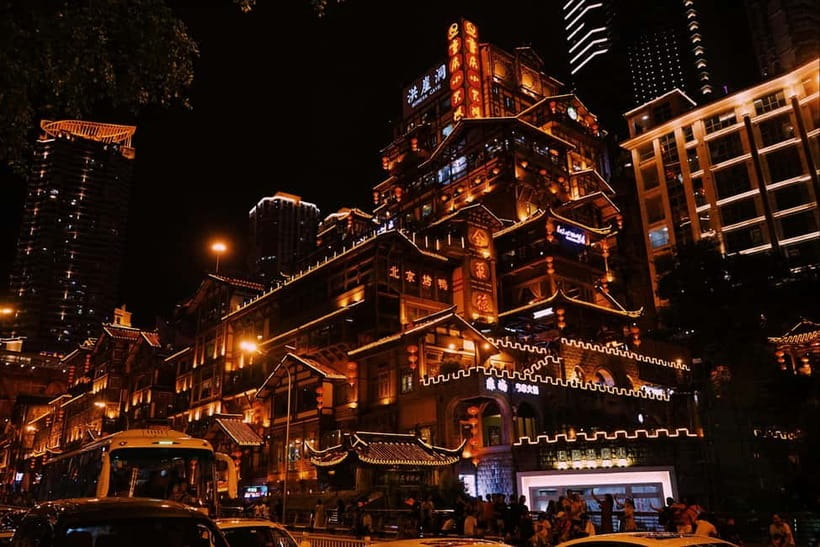
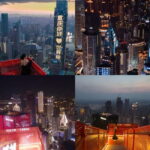
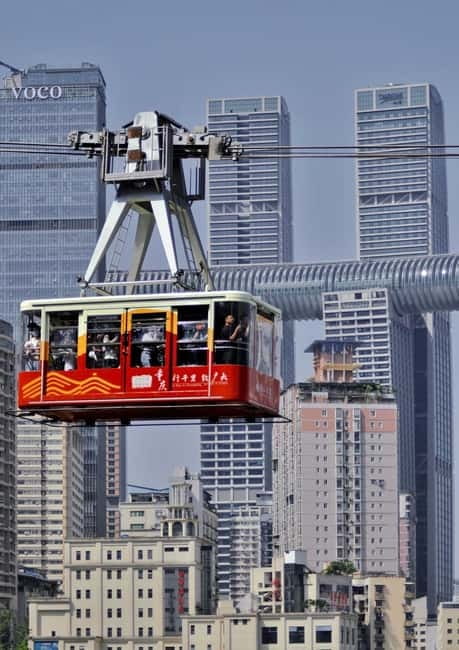
After monorail and tower stops, the Yangtze River cableway feels like someone opened a window in your brain. Locals call it the air-bus, and that name fits: you glide above the water, moving between riverbanks as the skyline slides by.
This part is included, so you don’t have to think about ticket timing. The view is the point. You’ll see the city’s high-rises from above, plus the mountain terrain that frames Chongqing’s rivers. The Yangtze itself also changes the mood of the day. Everything feels larger once you’re that high.
What’s smart about doing the cableway after you’ve already absorbed the city’s vertical logic is that you start to understand the geography. Earlier stops show you how buildings stack. The cableway shows you why the stacking is necessary in the first place.
One thing to expect: this is a popular city experience, so it can mean crowds. If you’re a photo person, plan to be flexible. Let your guide help you pick the best angle and timing so you get clear shots without losing too much time.
Ciqikou Ancient Town: port-town streets and snack breaks
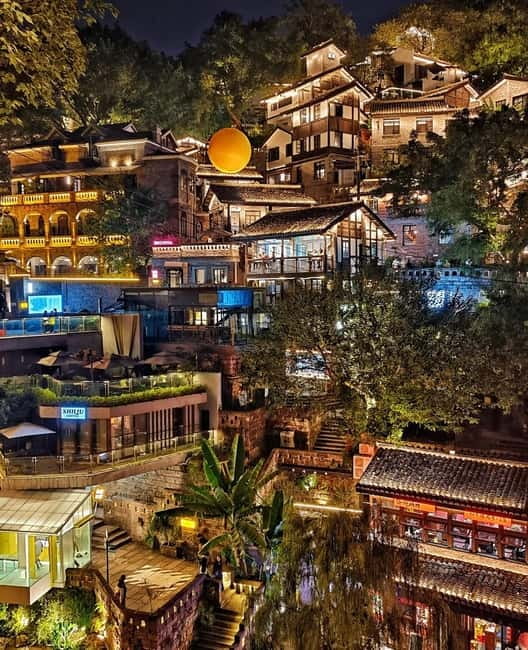
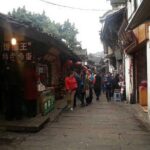
Ciqikou is the kind of place where Chongqing slows down without going quiet. It’s known as an ancient town and a vital port town, and you feel both in the street layout and the way people move through the area.
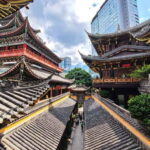
You’ll stroll through centuries-old architecture, with shops and local flavors you can actually taste and browse. This isn’t a sterile museum town. It’s the real kind of old that still works for daily life: walking lanes, casual shopping, and snack-stop energy.
I like Ciqikou because it adds texture to the day. Before this, you’ve been dealing with engineered viewpoints and transit systems. Here, you’re in a human-scale environment, where conversation, food smells, and everyday commerce give the city a pulse.
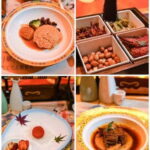
Also, you’ll have snack and drink breaks during the day (two local snacks and drinks are included). Lunch is not included, so you’ll rely on your guide’s recommendations. That’s a plus in practice: Chongqing has a lot of local specialty options, and a good guide helps you pick something that fits your day.
If you’re sensitive to crowds, go easy on expectations. Popular old towns bring people. The tradeoff is that you get the feeling of a place still being used.
Chongqing City Planning Exhibition Gallery: the model behind the mountain-city
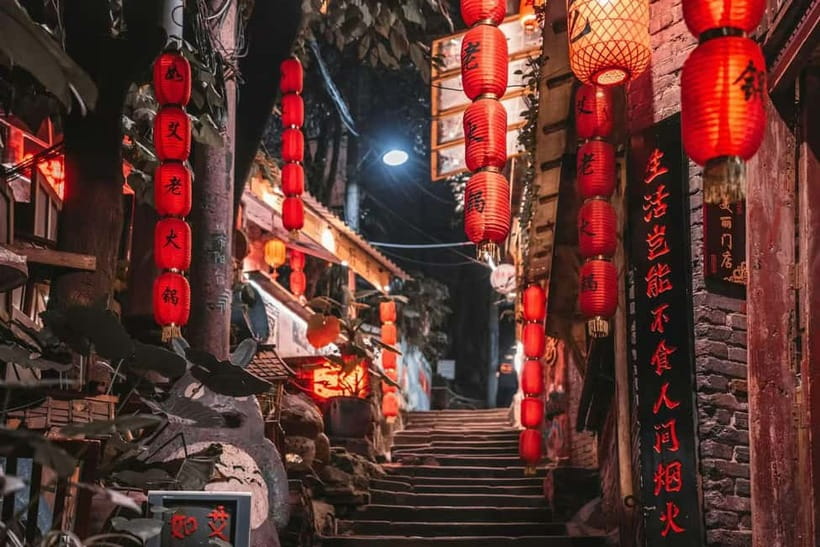
Now for the brainy part. The Chongqing City Planning Exhibition Gallery is where the day turns from photo ops into real understanding.
What you get here is an interactive look at how Chongqing became a mountain city with a famously complex urban layout. There’s a massive city model, plus multimedia exhibits that connect the past, present, and the direction the city is taking next.
You’ll also get some of the best skyline views from inside the experience. That matters because it helps you connect what you saw earlier. When you’ve ridden Liziba and crossed the Yangtze cableway, the planning gallery can tie the story together. The city stops feeling random and starts feeling inevitable.
Time-wise, this is one of those stops where you don’t need to rush. If you’re the type who likes learning while you travel, you’ll appreciate that the gallery supports both quick browsing and deeper reading. If you’re not into museums, you can still enjoy it for the views and the clear city structure it shows.
Longmenhao Old Street and tea-house life near the river
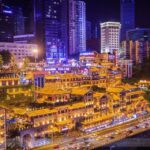
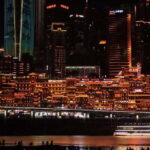
After city-planning thinking, you go back to the streets with Longmenhao Old Street. This area is described as restored buildings with century-old trees, plus a teahouse atmosphere that feels like old Chongqing’s riverfront character.
This is a good counterweight to the high-altitude views. Here, time feels slower. You can look for small details like side lanes, handwritten signs, and places where locals linger instead of only pass through.
In particular, guides can help you with the most memorable part of old street stops: talking with real people. One example from guide-style feedback is time at the Jiaotong Teahouse, where a guide helped with conversation and helped you catch the vibe of daily life. Even if you’re shy, this kind of setup makes it easier to join the moment without trying too hard.
If you like photos, this stop can be more forgiving than the big-famous viewpoints. The light and angles can be easier to manage when you’re wandering slowly rather than waiting for the one perfect second.
How a 10-hour plan keeps Chongqing from eating your day
Chongqing is not a slow city. It’s one where you can lose an entire afternoon just figuring out transit, routes, and timing. This tour helps you avoid that.
You start with pickup and end with drop-off from anywhere in Chongqing city. Your guide confirms pickup details the evening before, which sounds small, but it saves you from the common beginner mistake of showing up at the wrong place or at the wrong time.
The day is designed for people who want a full hit list without turning it into a sprint. You’ll be active, but the flow is planned: transit attraction first (Liziba), viewpoint and city logic (Kuixing Tower), then river-scale views (Yangtze cableway), then old-town wandering (Ciqikou), then the planning gallery, and finishing with old street time (Longmenhao area).
There’s also a realistic note about movement: Chongqing traffic can get congested, and certain areas may be accessed by taxi instead of the private car. That’s normal here. The important thing is that the plan acknowledges how the city behaves, so you’re not stuck waiting for a vehicle that can’t move.
Group size is small, from 1 to 12 people, which makes a huge difference in a city like this. Smaller groups mean fewer delays at each stop, and it’s easier for your guide to adjust if you’re slow with stairs or want a few extra minutes for photos.
Guides and languages: why the small stuff makes the day easier
In Chongqing, you don’t just need a route. You need someone who can translate that route into something you actually enjoy.
This tour is offered in multiple languages: English, Chinese, Spanish, Japanese, Korean, Russian, French, and Italian. That matters because city navigation and food choices are easier when you can understand directions and ask questions.
The guide quality also shows up in the small ways. Feedback highlights guides like Diego, Hao, Linxin, Flora, and Sofia for being patient, friendly, and attentive to what the group wants to focus on. One guide-level theme is helping people reach exactly what they want to see, even when the city layout makes navigation feel tricky.
Another theme I’d pay attention to is how guides handle different ages and comfort levels. One example mentioned a grandma traveling through the day with extra care. If you’re traveling with someone who needs gentler pacing or clearer communication, a guide who thinks ahead makes the whole plan feel smoother.
And if you care about photos, guides can help you get the right angles at Liziba Station. The monorail timing can be a bit of a game, and having someone who knows where to stand saves time.
Price and value check: what $216 includes, and why that matters
The price listed is $216 per person. On paper, it’s a full-day tour. In value terms, it’s best understood by what you’re actually getting without extra hassle.
Included in the price:
- Pickup and drop-off from anywhere in Chongqing city
- A small group experience (1 to 12)
- Guidance in your selected language
- Two local snacks and drinks during the day
- Tickets for the Yangtze River cableway and the Chongqing City Planning Exhibition Gallery
Not included:
- Lunch
So you’re paying for more than a bus ride. You’re paying for problem-solving: city navigation, ticket handling for two key paid stops, and guided pacing that ties together transit, viewpoints, and old streets.
Lunch being not included is common on tours like this, and it gives you flexibility. Use your guide to recommend local dishes that fit your energy level that day. If you’re prone to skipping meals, just plan for it so you don’t end up hunting under time pressure.
One more value point: the itinerary covers multiple major areas that would be harder to connect on your own in a single day. Chongqing’s layered geography makes “DIY day” surprisingly tiring.
Practical tips for a smoother Chongqing day
Here’s how you’ll enjoy this tour more without extra stress.
- Bring a camera and use it early. The Liziba monorail ride and station angles are easier if you’re not rushing.
- Wear comfortable shoes. You’re doing a full day of walking and stair-style city movement.
- Bring passport or ID card. The tour notes this as required.
- Expect crowds at popular spots like the monorail viewing areas and cableway areas. Plan for waiting.
- Keep your schedule flexible. Chongqing traffic can affect access routes, and taxi transfers may happen in congested areas.
- If you’re worried about getting lost at Kuixing Tower, don’t try to master the maze. Let your guide handle the turns.
Also, the tour is not suitable for wheelchair users. If mobility is a concern, ask your operator before booking so you can choose the right format.
Should you book this Chongqing tour?
Book it if you want a structured one-day introduction to Chongqing that mixes the surreal (Liziba Monorail, Yangtze cableway) with the human (old streets, teahouse moments). It’s a strong pick for first-timers, short-on-time travelers, and people who enjoy city design and big-picture views tied to real neighborhoods.
Skip it (or ask for alternatives) if you need wheelchair access, or if you prefer short days with minimal walking and low crowd exposure.
If you like the idea of understanding Chongqing’s 8D layout instead of just chasing photos, this is the kind of day that helps you leave with a clearer sense of place.
FAQ
How long is the Chongqing one-day tour?
The tour lasts about 10 hours.
How much does the tour cost?
The price is listed as $216 per person.
What is included in the ticket prices?
Tickets are included for the Yangtze River Cableway and the Chongqing Urban Planning Exhibition Gallery.
Are snacks and drinks included?
Yes. Two local snacks and drinks are included during the day.
Is lunch included?
No. Lunch is not included, and you’ll get recommendations of local delicacies.
Do you pick me up in Chongqing?
Yes. Pickup and drop-off are available from anywhere in Chongqing city, and pickup details are confirmed the evening before.
What group size is this tour for?
The group size is 1 to 12 people.
What languages are available for the guide?
Languages offered include English, Chinese, Spanish, Japanese, Korean, Russian, French, and Italian.
Is the tour suitable for wheelchair users?
No, the tour is not suitable for wheelchair users.
Can I reserve now and pay later?
Yes. You can reserve your spot and pay nothing today.
What if I need to cancel?
You can cancel up to 24 hours in advance for a full refund.