Street food, hutongs, and real stories. This 3-hour, max-8 walking tour in Beijing takes you through Yandai Xiejie and the Shichahai area after dark, with tastings built around how locals actually eat and talk about food. You also get a hands-on moment in back-of-house kitchens and a cultural pause at a still-functioning heritage site.
I love the small group size (easy pace, more conversation, fewer queues) and the way the evening is organized so you don’t spend mental energy figuring out what to order. I also like that you start in one of Beijing’s older hutong corridors and finish with a food concept tied to history and daily practicality, not just a restaurant hop.
One consideration: for $88 you’re paying for guided ordering, a curated route, and included dinner—so if you’re traveling with picky eaters or you only want a light snack, it may feel heavier than a DIY street-food evening.
In This Review
- Key highlights worth knowing
- Why this Beijing hutong food walk feels different at 6 pm
- Price and value: what $88 really covers
- Getting there and pacing: Shichahai start, easy walking
- Stop 1 on Yandai Xiejie: hutong origins and snack-making
- Stop 2: Shichahai to quiet alleyways and four signature dishes
- Heritage pause: a functioning ancient timekeeping system
- Courtyard dining: East-meets-West fusion in a hidden restaurant
- The one-pot finale: the ancient army feast concept
- How the guide keeps it smooth (and why that matters)
- What to expect in your plate: more than four dishes
- Who this tour suits best
- Should you book the Beijing Walking Food Culture Tour?
- FAQ
- What time does the tour start, and how long is it?
- Where is the meeting point for this Beijing food tour?
- How many people are in the group?
- What’s included in the price?
- Is it close to public transportation?
- Can I cancel and get a full refund?
Key highlights worth knowing
- Max-8 group keeps the walk relaxed and the stories specific, not generic
- Hands-on snack-making happens inside real hutong-kitchen style settings
- Yandai Xiejie + Shichahai blends old architecture with an evening rhythm locals still recognize
- Four signature dishes at a family-run spot, plus a surprise tasting
- A stop at an intangible heritage timekeeping system that’s still functioning
- The finale is a one-pot feast concept, inspired by military cooking practicality
Why this Beijing hutong food walk feels different at 6 pm

Beijing at night has a different tempo. This tour starts in the early evening at Shichaihai (Xicheng District) around 6:00 pm, when the hutongs feel lived-in rather than staged. You’ll walk through older lanes, pause for food at places locals actually return to, and get explanations along the way that connect names, cooking logic, and neighborhood life.
What makes it work is the structure. You’re not wandering without direction, and you’re not stuck in one restaurant while someone explains. The evening is built for walking plus eating, with enough stops that you notice details—like how people set up for dinner—without feeling rushed.
The group is capped at 8 (so you should book early if you’re set on a specific date). With a small team, your guide can adjust the pace and even steer what you’ll try next based on how you respond to flavors.
You can also read our reviews of more tours and experiences in Beijing.

Price and value: what $88 really covers
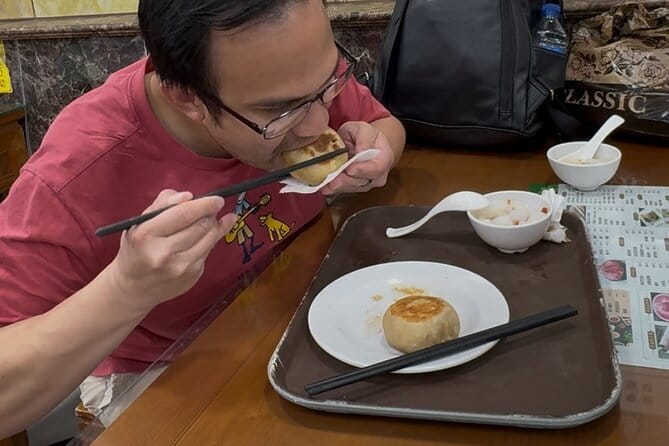
At $88 for about 3 hours, you’re paying for three things: a guided route through older hutong streets, access to a few off-the-main-path eateries, and included dinner (plus bottled water). You’re also buying convenience: you don’t have to interpret menus while hungry, and you don’t have to judge where the good food is by looking at a photo.
Where the value really shows is in how the night avoids typical tourism friction—no long waits, fewer “guessing” moments, and the guide handling ordering. That matters in hutong-area dining, where the best spots are often small and not built for crowds.
That said, food tours can feel pricey if you’re the type who wants to sample only a bite or two. Here, the meal format and snack-making are part of the deal. You’ll likely leave satisfied rather than merely curious.
Getting there and pacing: Shichahai start, easy walking
Your meeting point is in the Shichahai area (100035). The tour ends back at the meeting point, which means you don’t have to figure out a late-night connection after dinner.
The itinerary is a walking food tour, so wear shoes you can trust on uneven hutong paths. It’s not listed as an extreme trek, and “most travelers can participate,” but it’s still several hours of strolling plus time standing at small eateries.
Two practical tips based on how these nights tend to run:
- Bring a small layer. Night air and indoor kitchen warmth can swing fast.
- If you have any mobility concerns, ask in advance. The route is hutong-focused, so the guide may plan around tighter lanes.
Service animals are allowed, and the area is near public transportation, so you should be able to reach Shichaihai without a long taxi detour.
Stop 1 on Yandai Xiejie: hutong origins and snack-making
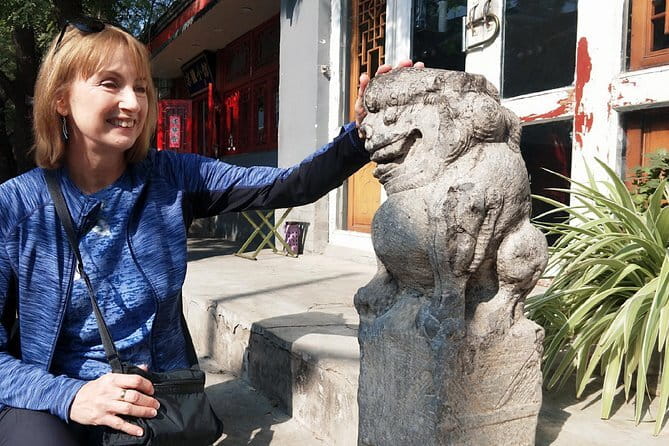
You begin on Yandai Xiejie, one of Beijing’s older hutong byways. This is a smart first move because it sets the tone: you’re not starting at a random restaurant. You’re starting where hutong life is visible—traditional architecture, local rhythms, and small landmarks that help you understand how names and street logic work.
One highlight here is the mention of the Great Qing Post Office. Even if you’ve seen Beijing postcards, the guide’s angle matters: you’ll learn how hutong names connect to cultural logic, not just trivia. That’s the kind of context that makes the rest of the evening click.
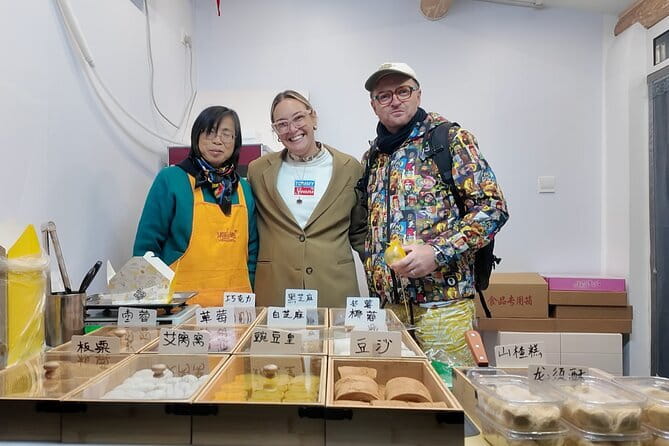
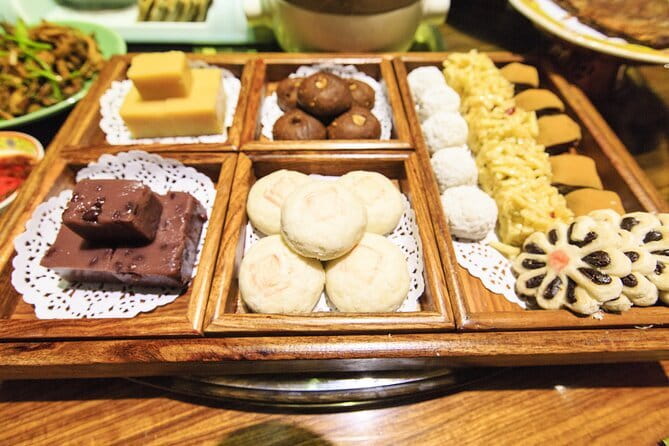
The stop also includes a hands-on snack-making component. The point isn’t theater—it’s learning how signature Beijing snacks are prepared in day-to-day ways, then tasting freshly made delicacies passed down over time. Expect the guide to translate what you’re seeing into “how this flavor is built” rather than simply listing ingredients.
Stop 2: Shichahai to quiet alleyways and four signature dishes
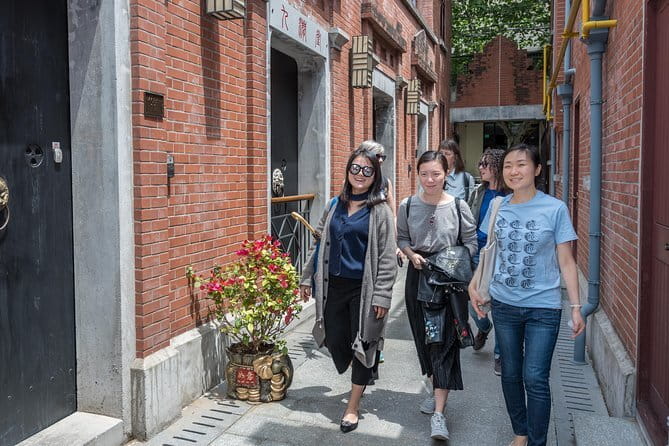
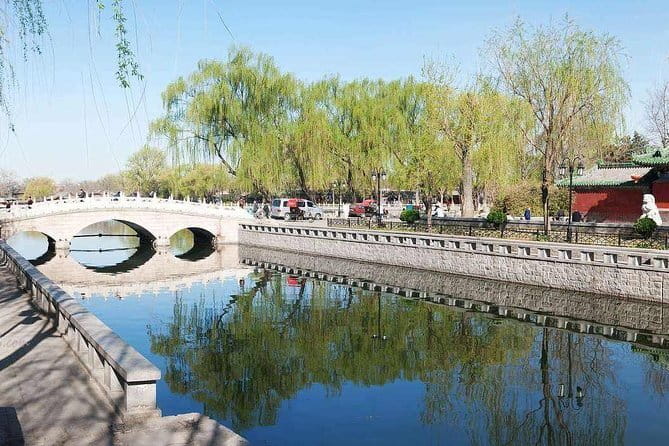
After Yandai, you shift toward the Shichahai Lake area and move from busier edges into thinner, calmer hutong lanes. This is one of the best parts of the route if you like atmosphere. You get that contrast: foot-traffic and activity near the water, then quieter alley life as you go.
At a cozy, family-run eatery tucked in the hutongs, you’ll be served four beloved local dishes. Each dish comes with a story, and the guide frames them so you can taste them with a little more intention. Instead of just “spicy, salty, good,” you’ll learn what locals value about textures, timing, or the cooking approach.
Then there’s a surprise tasting at the end. That’s the moment where your taste buds may either celebrate or make you do a face you’ll laugh about later. The nice part is that your guide can steer you toward trying it without awkward pressure.
If you’re someone who wants to order for yourself, keep in mind this tour is designed around the guide’s selections. You’ll taste what you’re meant to taste, not what you randomly decide on the fly.
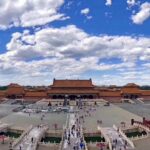

Heritage pause: a functioning ancient timekeeping system
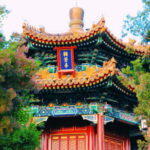
Food tours get better when they slow down for context. Midway through, you’ll head north to an intangible heritage site tied to an ancient timekeeping system that’s still functioning today.
Even if you’re not a museum person, this kind of stop works because it connects to daily life. Timekeeping isn’t just a historical curiosity; it’s how people organized work, food schedules, and routine. You’ll likely stand near a square area and watch ordinary scene-setting: older locals playing chess and vendors preparing for evening dinner.
This is also a good mental reset. After a couple of eating and walking moments, a short cultural pause keeps you from feeling like the tour is just a food marathon with no meaning.
Courtyard dining: East-meets-West fusion in a hidden restaurant

Next comes a change of pace: a traditional courtyard restaurant that adds an unexpected twist. This stop is framed around how daily life in Beijing can blend influences—especially the question of how foreigners live in hutong settings, and how older Chinese recipes can get a modern makeover.
You’ll sample creative takes on traditional dishes, then have a chance to chat with the guide about the cross-cultural hutong angle. The goal isn’t to turn Beijing into a novelty. It’s to show that tradition can still move, not freeze.
This stop also includes another hands-on food activity, again aimed at helping you understand the “why” behind the taste. If you like interactive experiences (and you don’t mind getting a little hands-on with food), you’ll probably enjoy how this part is run.
The one-pot finale: the ancient army feast concept
You finish with a hearty, history-inspired meal: one pot, many stories, built around an ancient army feast concept. The idea is simple and practical—carry one copper pot, keep the meal warm, and make sure it’s balanced enough to sustain you.
This final stop is where the tour ties its themes together: food as daily problem-solving, not just flavor. You’ll gather around the table and eat something rooted in survival practicality, with a guide explaining how Chinese cooking ingenuity turned necessity into something satisfying.
If you’re the type who likes endings that feel meaningful, this one tends to land well because it’s both a meal and a lesson in how people think about cooking under real constraints.
How the guide keeps it smooth (and why that matters)
This experience is led by a local history-and-sociology expert. That’s a big deal because street food tours can go two ways: either you get random anecdotes, or you get stories that connect people, neighborhoods, and cooking logic.
In real-world terms, it means the guide can:
- explain why places earn trust over time (not just what you’re eating),
- connect hutong naming and neighborhood patterns to daily life,
- and keep the flow moving so you spend less time waiting and more time tasting and walking.
In the guide lineup you’ll hear names mentioned—Rina shows up in feedback for being super easygoing and especially effective at ordering for groups. One of the smartest perks is that ordering is handled for you, and surprise dishes can show up based on how your group reacts to flavors.
That helps a lot if you travel with someone who hesitates at unfamiliar dishes. The guide can pace the experimentation so it feels like curiosity, not a test.
What to expect in your plate: more than four dishes
Even though the core plan includes four signature dishes plus a surprise tasting, the overall evening is structured to add extra bites through hands-on steps and the final one-pot meal. In practice, you should expect to eat enough that you won’t need a second dinner later.
Two practical expectations:
- You’ll be sampling flavors that are likely familiar to Beijing locals but new to you if you mostly eat mall-style Chinese food at home.
- The guide will guide pacing, so you’re not stuck eating too fast or too slow.
Drinks: the tour includes bottled water. Other drinks aren’t listed as included, so if you want beer or specific beverages, plan to pay for them separately (or ask ahead). If your group includes beer drinkers, guides may be mindful of what works with the dishes, but that’s not guaranteed.
If you have strong allergies or dietary restrictions, this is one of those cases where you should message the operator in advance. The itinerary is food-focused, and the specifics of dishes aren’t listed here.
Who this tour suits best
This is a great match if you:
- want a small-group evening with real storytelling (not a standard checklist walk),
- enjoy hutong neighborhoods and want to see how people live when it’s dinner time,
- like interactive food moments such as snack-making,
- and want a guided route that avoids the “should we go here?” guessing game.
It’s also a good option for limited time. At about 3 hours starting around 6 pm, it can fit nicely into a travel day without consuming your whole afternoon.
If you hate walking after dark or you need frequent rest stops, this might still be doable depending on your comfort level. But hutong lanes are part of the package, so the vibe is closer to neighborhood strolling than sightseeing bus comfort.
Should you book the Beijing Walking Food Culture Tour?
If you want authentic hutong food with a guide who ties dishes to daily life and local logic, this is a strong choice—especially for the price point when you factor in included dinner and a max-8 group that keeps things personal.
I’d book it when:
- you’re hungry for a structured food night with less decision-making,
- you want to learn how Beijing snacks and meals are made and why they matter,
- you like the idea of a heritage stop that’s not just a photo stop.
I’d think twice if:
- you’re only looking for a light sampling and not a full dinner experience,
- you’re traveling with someone with strict dietary limitations and you can’t confirm accommodations.
FAQ
What time does the tour start, and how long is it?
The tour starts at 6:00 pm and runs for about 3 hours. It ends back at the meeting point.
Where is the meeting point for this Beijing food tour?
The meeting point is in the Shichahai area, Xicheng District, Beijing (100035).
How many people are in the group?
This tour has a maximum of 8 travelers, which helps keep the pace relaxed and the experience more personal.
What’s included in the price?
The tour includes dinner and bottled water.
Is it close to public transportation?
Yes, the meeting area is listed as near public transportation.
Can I cancel and get a full refund?
Yes. You can cancel up to 24 hours in advance for a full refund. If you cancel less than 24 hours before the start time, the amount is not refunded.