REVIEW · BEIJING
Beijing Historic City Guided Walking Tour + Calligraphy Creation
Book on Viator →Operated by Free Tours China · Bookable on Viator
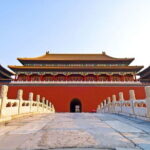
Imperial Beijing on foot can be a lot more fun. I like how this route pairs dynasty-era stories with real street scenes you’ll still see today, and I love the chance for calligraphy creation while you’re in the artistic district area.
Two things that really clicked for me were the stop at Huguang Guild Hall (built in 1807, with an opera stage and connections to merchants from Hubei and Hunan) and the way the walking route keeps changing moods—from old hutong lanes to market streets. The calligraphy time works as a nice break from pure sightseeing because it turns history into something you can hold in your hands.
One thing to consider: this is a shared walking tour with limited size per booking, and the day still ends near Tiananmen Square without going inside. So if your main goal is entering Tiananmen, you’ll need to plan that separately ahead of time.
In This Review
- Key highlights you’ll feel on the walk
- What a 3.5-hour Beijing walking tour really means
- Starting at Huguang Guild Hall: opera stage and merchant ties
- Hutong lanes for real Beijing scale
- Liulichang Street: antiques and calligraphy time
- Yangmeizhu Byway: modern creative alley energy
- Dashilan Street: classic commerce and local snacks
- Qianmen Walking Street and the view toward Tiananmen Square
- Price and tips: how $5 turns into a real local experience
- Group size and how crowded it might feel
- Weather reality: it’s a walk, so Beijing weather matters
- Who this tour suits best (and who might want to pass)
- Should you book this Beijing Historic City walk?
- FAQ
- How long is the Beijing Historic City Guided Walking Tour + Calligraphy Creation?
- Where is the meeting point?
- What time does the tour start?
- Where does the tour end?
- Does the tour enter Tiananmen Square?
- Is calligraphy creation part of the tour?
- Are admission tickets included?
- Is the tour fee the full price you pay?
- How many people are in a group?
- What happens if the weather is bad?
- Is free cancellation available?
Key highlights you’ll feel on the walk
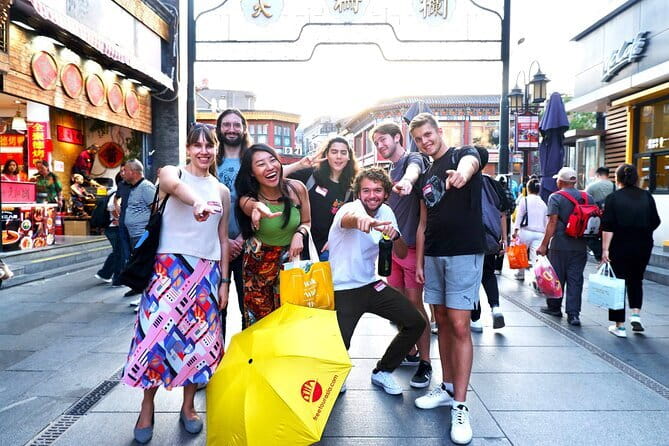
- Huguang Guild Hall (1807): a quick, story-packed start with a famous opera setting
- Hutong tour (1 hour): alleys, everyday life, and urban change explained as you walk
- Liulichang Street (40 minutes): antiques plus the district where calligraphy fits naturally
- Yangmeizhu Byway (20 minutes): modern creative shops along the way
- Dashilan Street + Qianmen (about 40 minutes total): classic commercial streets ending near Tiananmen’s edge
- Tips-based model: the small booking fee is mainly to reserve your spot
What a 3.5-hour Beijing walking tour really means
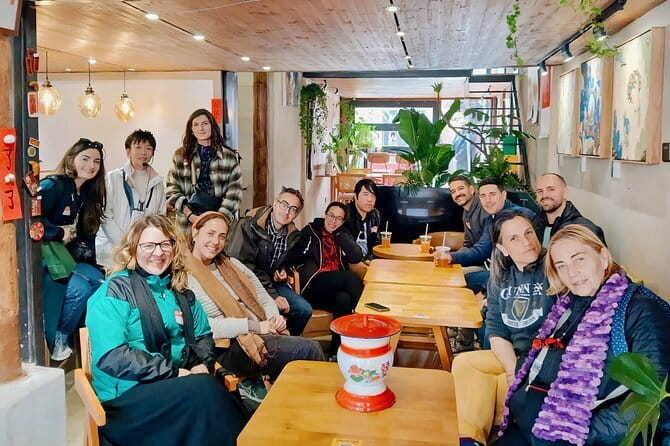
A good Beijing walking tour doesn’t just list sights. It helps you see how the city is layered—imperial power, merchant life, and today’s commercial streets all sharing the same map. This one runs about 3 hours 30 minutes, which is long enough to feel like a real experience, but not so long that you’ll be rushing.
It also helps that the pace is built around a sequence of neighborhood textures: a guild hall and opera setting to start, then hutongs (alley life) for the human scale of the old city, then an artistic stretch, and finally the major pedestrian streets near Tiananmen.
If you like tours where the guide explains the why, not just the what, you’ll get that here. The route is also set up to connect history with what Beijing is doing now—urban planning progress and its challenges come into the conversation as you move between areas.
You can also read our reviews of more tours and experiences in Beijing.

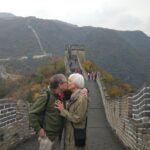
Starting at Huguang Guild Hall: opera stage and merchant ties
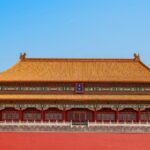
Your walk begins at Huguang Guild Hall, located at 3 Hu Fang Lu, Xicheng District (100052), with a 10:00 am start. This is a smart opener because it sets the tone: the old capital wasn’t only emperors and palaces—it was also administration, business networks, and cultural performance.
The hall was built in 1807, and it historically hosted influential merchants and officials from Hubei and Hunan. Even if you’re not an opera person, you’ll still get the point. The setting is tied to how guild halls worked: bringing people together under shared regional identity, then supporting community life through events and performances. You get about 20 minutes here, and admission is listed as free.
Practical tip: arrive a little early and get oriented. The tour is on foot, and the first stop is where your guide usually sets up the storyline that connects the day’s later streets.
Hutong lanes for real Beijing scale
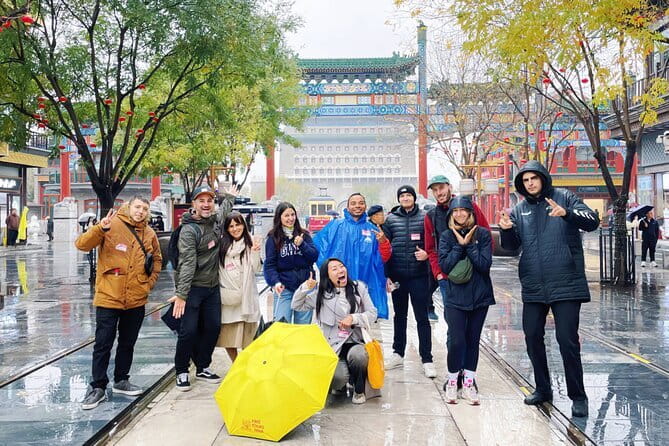
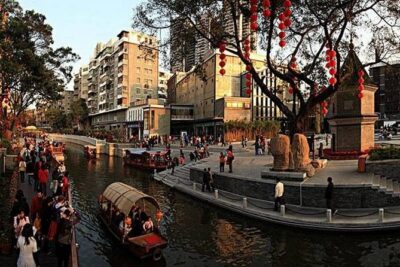
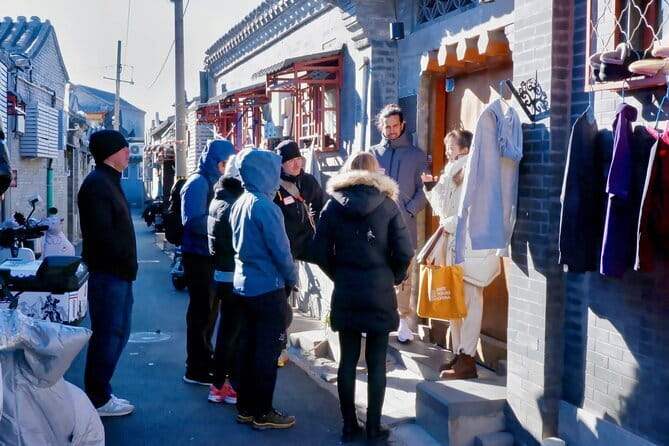
After the guild hall, you head into a hutong tour segment of about 1 hour. Hutongs can feel like a theme-word until you’re actually walking them. Here, the guide focuses on why the alleys matter: the homes tucked into narrow lanes, the local culture you can read in everyday scenes, and the way Beijing’s modern life presses up against older urban patterns.
This is also where the tour style shows. Instead of treating hutongs like a museum hallway, you’re guided to understand them as living neighborhoods—places shaped by history, but constantly changing. The tour description even frames this as part of Beijing’s urban planning progress and challenges, which helps you connect what you see to bigger city decisions.
One more bonus: a hutong portion of the tour is a good antidote to only chasing big-ticket landmarks. It gives you depth in fewer minutes.
Liulichang Street: antiques and calligraphy time
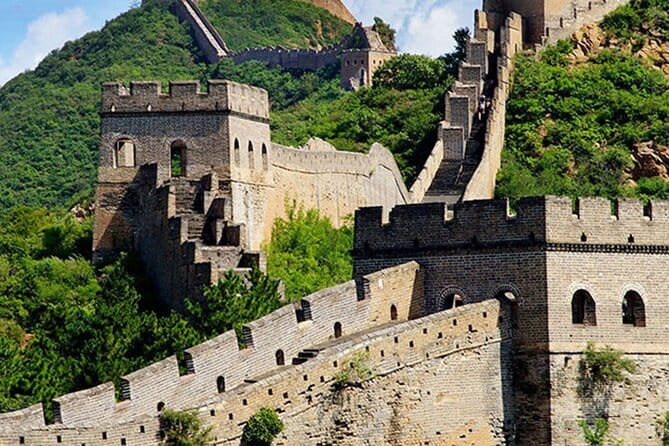
Next comes Liulichang Street, about 40 minutes. This is the kind of place that’s hard to experience correctly if you rush, because it mixes browsing with atmosphere—antique shopping, art-related stores, and the feeling of a district built around cultural goods.
Liulichang is described as an artistic heart of Beijing, and the stops here are aligned with that: shops offering things like calligraphy and traditional painting items show up as part of the district vibe. Since this tour is specifically titled Beijing Historic City Guided Walking Tour + Calligraphy Creation, this is where the calligraphy part makes the most sense.
What you should expect from the calligraphy time: not just a photo-op. It’s scheduled as a creation moment, so you’ll be doing more than watching. The exact setup isn’t detailed in the provided info, but the time is clearly part of the Liulichang artistic theme.
If you’re even mildly curious about Chinese brush writing, this is the payoff stop. And if you’re not, you still get a break from walking plus a tangible memory you can carry.
Yangmeizhu Byway: modern creative alley energy
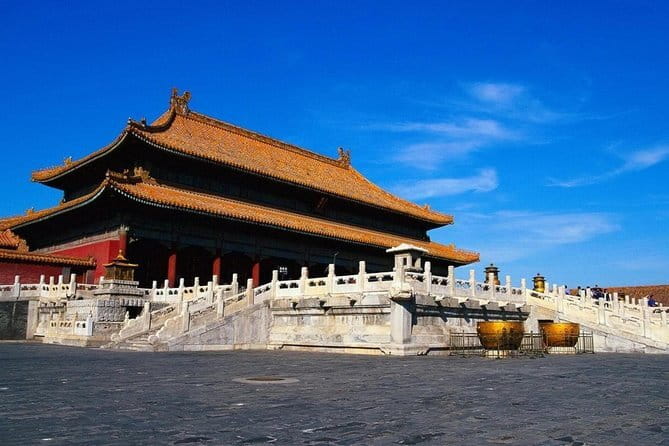
Then the tour shifts gears to Yangmeizhu Byway for about 20 minutes. This stop is described as a place where history and modern creativity collide, with boutique shops, art studios, and stylish cafés.
You can think of this segment as a palate cleanser. After the older city lanes and the art-market vibe, Yangmeizhu introduces you to Beijing’s newer identity—still in an alley format, but tuned to contemporary tastes. It’s also a useful moment for the guide to connect the past and present without changing neighborhoods again and again.
If you enjoy stopping for quick observations—signs, shop styles, and how people use a side street—this one tends to land well.


Dashilan Street: classic commerce and local snacks
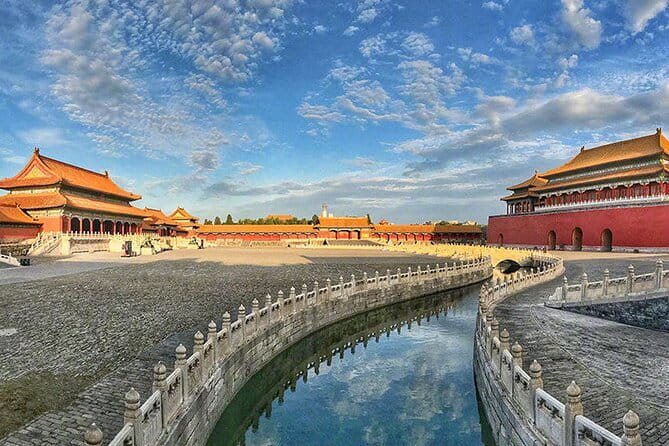
Next is Dashilan Street for about 20 minutes. It’s called Beijing’s oldest and most lively commercial hub in the tour description, and that matches the feel of a pedestrian shopping street with legacy brands and ongoing street-level activity.
This is also a likely place to pick up the food side of the day. Some tour experiences like this include street-food tasting while you’re walking through market zones, and here the route includes shopping streets where it’s easy to stop for something small.
Even if you don’t plan to eat on every stop, keep your senses open. Dashilan gives you the “city life now” layer that balances the historical layers you’ve already walked through.
Qianmen Walking Street and the view toward Tiananmen Square
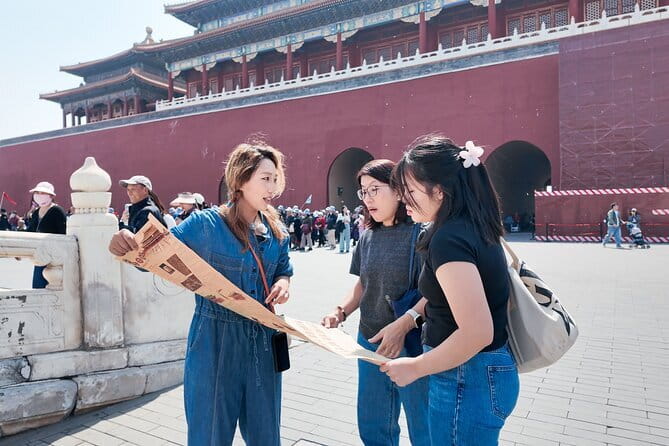
The final major street stop is Qianmen Walking Street, again about 20 minutes. Qianmen is just south of Tiananmen Square, and it’s described as a place where timeless history meets modern shopping and cuisine.
You’ll be close to big-name sights here, but the key rule is: the tour ends in front of Tiananmen Square and does not enter Tiananmen Square itself. The info also notes that you should make your own reservation at least one day in advance if you want to visit inside, and same-day reservations aren’t available.
So what’s the win of ending here? You get a clear, walk-close finish near one of the most famous parts of Beijing, without the extra hassle and uncertainty of trying to force an official entry during the tour.
For getting off the route cleanly, the end point is also near Qianmen Metro Station (Line 2 & 8), south of Tiananmen Square.
Price and tips: how $5 turns into a real local experience
The booking price is listed as $5.00 per person, but the important part is how it works. The tour fee you pay here is a reservation fee. The actual guiding model is tips-based, meaning your guide is supported by what you choose to tip.
The suggested tip is 160–200 RMB (about $20–25 / €20–25). That isn’t a random number. It’s framed as fair compared with what you might pay for a regular guided tour—and in a walking route like this, where the guide is moving you between six meaningful stops over half a day, tips are the real “price” you’re choosing.
How I’d think about it as a value test:
- If you enjoy storytelling and want your guide to connect old and new Beijing, tipping on the higher side makes sense.
- If you’re only looking for quick sightseeing photos, you might feel the urge to tip less—but the guide’s work is what makes this tour more than a street stroll.
Also remember this is free Tours China as the provider name, which typically means the “paid” part is mostly the reservation, while the guide’s compensation comes from your tip.
Group size and how crowded it might feel
This is a shared group tour, limited to 6 participants per booking. That’s the best kind of small for a walking route: you can still hear the guide and follow the pace without getting swallowed by a huge crowd.
At the same time, the activity is listed with a maximum of 50 travelers. That doesn’t mean you’ll all be together shoulder-to-shoulder for the entire walk, but it does mean multiple groups can exist under the same umbrella. The practical takeaway is simple: wear good walking shoes, keep your pace steady, and expect a little regrouping at street corners.
Duration is about 3 hours 30 minutes, so you’ll want to be comfortable with a half-day on your feet.
Weather reality: it’s a walk, so Beijing weather matters
The experience is described as requiring good weather. If it’s canceled due to poor weather, you’ll be offered a different date or a full refund.
That’s worth taking seriously, because a walking tour loses its charm fast in rain or cold wind. If you’re traveling in the cooler months, bring layers and plan for sudden temperature shifts.
Who this tour suits best (and who might want to pass)
This tour is a strong pick if you want:
- A guided story through imperial-era spaces and everyday alley life
- A day that connects old districts with Beijing’s present-day city planning issues
- A hands-on cultural moment via calligraphy creation
- A low-commitment start near central locations, since it finishes near Qianmen and Tiananmen’s edge
It may be less ideal if your top priority is:
- Spending time inside Tiananmen Square (this tour does not enter)
- A highly flexible itinerary where you stay exactly where you want, without a fixed route
- A quiet, private experience (it’s shared, even if limited)
Should you book this Beijing Historic City walk?
Yes, if you want a guided route that helps you understand Beijing beyond the postcard level. The combination of Huguang Guild Hall, a hutong walk, and a serious calligraphy creation stop gives you variety without exhausting you.
Book it especially if you’re short on time and want the day to feel structured. The ending near Tiananmen Square is a clean finish, but you still need to plan separate entry if that’s your must-do.
One last decision rule: if you’re willing to tip your guide well (the suggested 160–200 RMB range), you’ll get the best version of this tour—stories, pacing, and those small street moments that make Beijing feel human.
FAQ
How long is the Beijing Historic City Guided Walking Tour + Calligraphy Creation?
The tour runs for about 3 hours 30 minutes.
Where is the meeting point?
The tour starts at Huguang Guild Hall, 3 Hu Fang Lu, Xicheng Qu, Beijing 100052.
What time does the tour start?
The start time is 10:00 am.
Where does the tour end?
It ends in front of Tiananmen Square at Zhengyangmen, near Qianmen Metro Station (Line 2 & 8).
Does the tour enter Tiananmen Square?
No. The tour ends in front of Tiananmen Square, but it does not enter. You would need to reserve separately at least one day in advance.
Is calligraphy creation part of the tour?
Yes. The tour is titled Beijing Historic City Guided Walking Tour + Calligraphy Creation, and it includes a calligraphy creation component.
Are admission tickets included?
The listed admission ticket for Huguang Guild Hall is free, and the other listed stops also show admission as free.
Is the tour fee the full price you pay?
No. The booking fee reserves your spot, and the tour operates on a tips-based model.
How many people are in a group?
It is limited to 6 participants per booking (shared group tour).
What happens if the weather is bad?
The experience requires good weather. If it is canceled due to poor weather, you’ll be offered a different date or a full refund.
Is free cancellation available?
Yes. You can cancel up to 24 hours in advance for a full refund.