REVIEW · BEIJING
Beijing: Yonghe Lama Temple Entry Ticket
Book on GetYourGuide →Operated by Andy's private china tours · Bookable on GetYourGuide
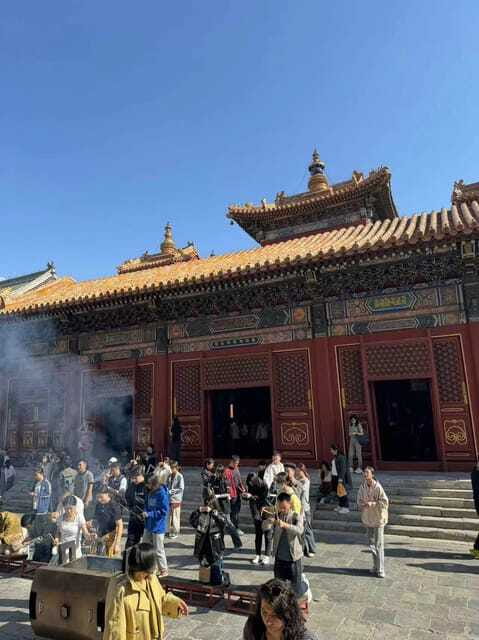
Beijing’s lama temple entry is refreshingly simple. I like that you can use a QR code plus your passport to get in, and the whole thing is set up for a smooth, self-paced visit. I also love the scale of this site: Yonghe Lamasery is the largest and best-preserved lamasery in present-day China. One thing to keep in mind: the QR from the booking experience may not be valid, so you’ll need the correct one from your email or WhatsApp.
This is also a great use of time if you want something meaningful without eating up half a day. The temple complex connects to major Qing-era history—starting as part of an emperor’s city-wall project and later becoming a Buddhist monastery tied to Tibetan monks. The visit lasts about 2 hours, which is just enough to take it all in without rushing.
The main drawback is practical, not cultural: if you show up with the wrong QR code, entry can turn into a frustrating detour. So do your QR homework before you head out.
In This Review
- Quick hits: Yonghe Lama Temple ticket essentials
- Why Yonghe Lamasery is a smart Beijing stop (and not just a photo stop)
- Price and value: what $9 gets you in real time saved
- QR code rules that can make or break your entry
- Getting there the easy way: Subway Line 2/5 to Yonghegong
- Subway route (the practical favorite)
- Bus options (good backup when the subway is awkward)
- What to do in your 2 hours inside the complex
- Phase 1: Entry and getting your bearings
- Phase 2: The core “why this place matters” part
- Phase 3: Let the Qing-era story guide what you notice
- Phase 4: Finish with a calmer exit
- The Yonghe Lamasery story: from palace plans to a Buddhist center
- Accessibility and who this 2-hour ticket suits best
- Tour provider and what the setup really means
- Should you book the Yonghe Lama Temple entry ticket?
- FAQ
- How long is the Yonghe Lama Temple entry experience?
- What do I need to enter Yonghe Lamasery?
- Is the GetYourGuide QR code valid for entry?
- How do I get to Yonghegong Station by subway?
- What bus stops are available near Yonghe Lamasery?
- How much does the ticket cost?
- Does this ticket help you skip the ticket line?
- Can I cancel and get a full refund?
- Is the attraction wheelchair accessible?
- Who provides this experience?
Quick hits: Yonghe Lama Temple ticket essentials
- QR + passport entry: You just use the right QR code and your passport to enter.
- Self-paced 2-hour visit: Plan for about two hours on-site at a calm walking pace.
- Skip-the-line setup: The ticket is designed to help you avoid wasting time at entry.
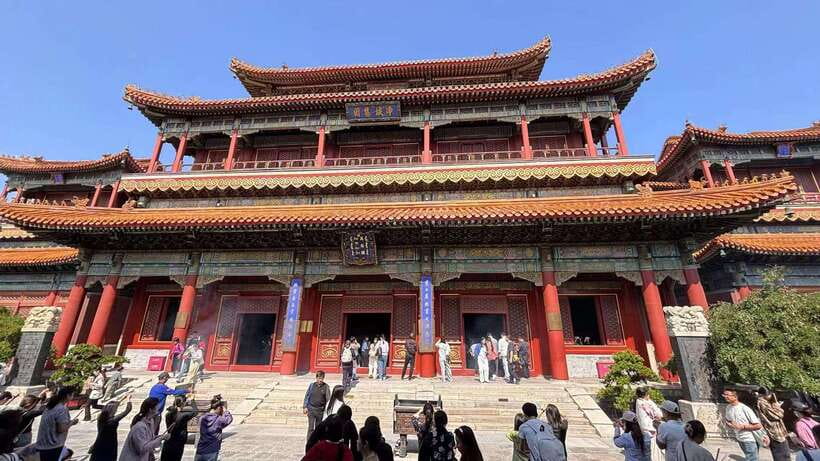
- A top-tier lamasery: Yonghe Lamasery is known as the largest and most perfectly preserved in modern China.
- Qing dynasty roots: Built in 1694; later transformed into a Buddhist monastery with Tibetan and Chinese scholars.
- Easy transit access: Subway Line 2 or 5 to Yonghegong Station, then a short Exit F walk.
Why Yonghe Lamasery is a smart Beijing stop (and not just a photo stop)
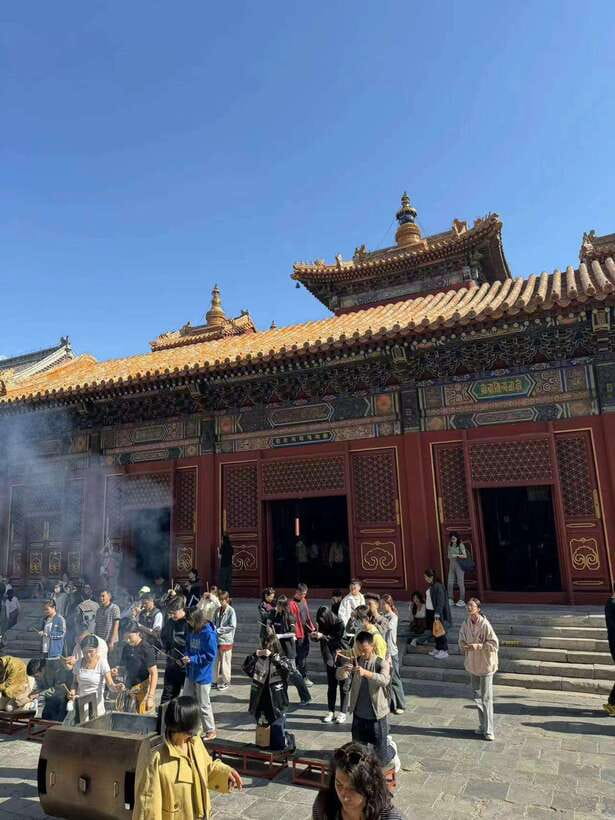
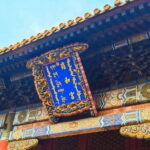
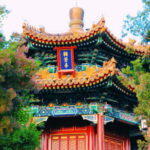
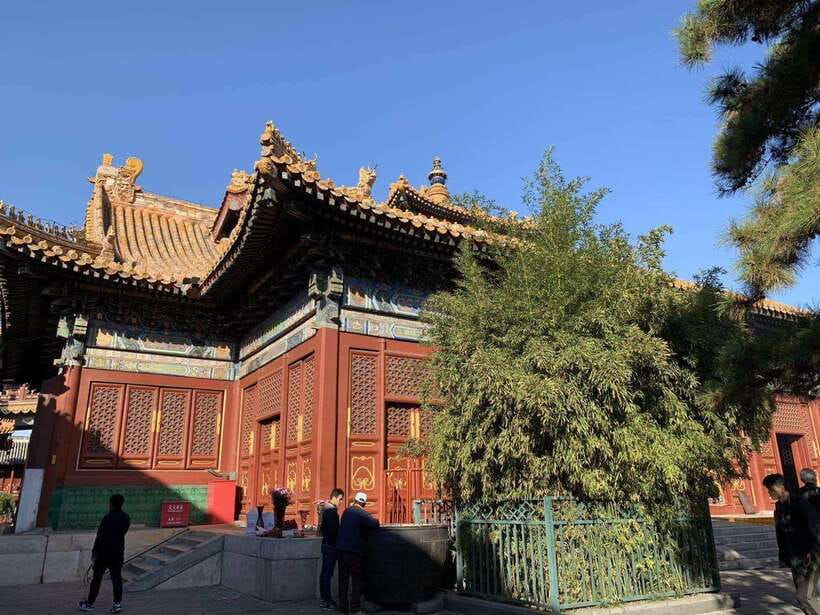
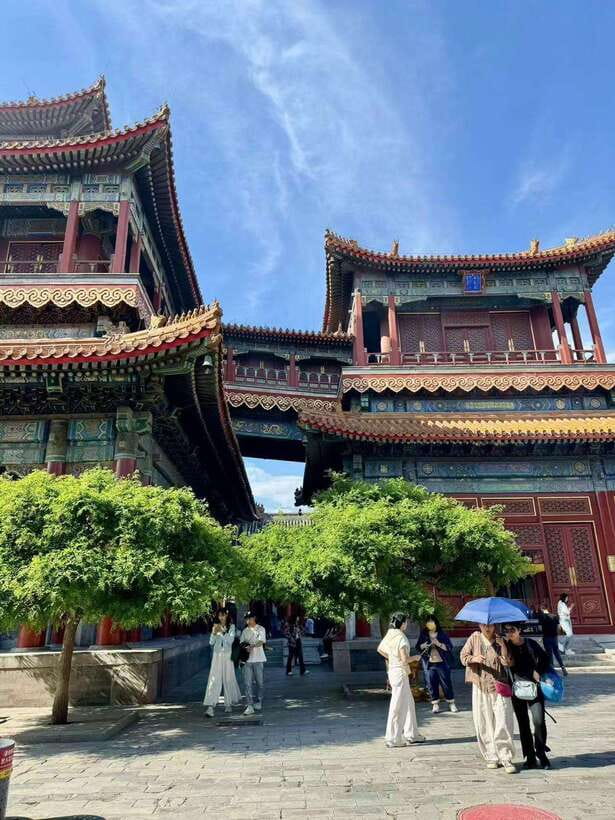
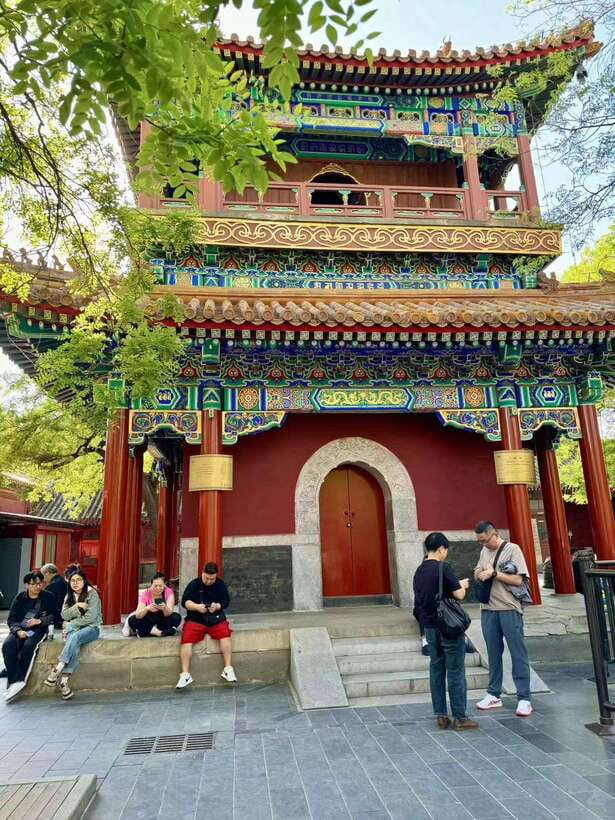
Yonghe Lamasery is one of those places where the walls alone feel like history. You’re entering a major Buddhist temple complex in Beijing, and the whole site carries the authority of being the capital’s principal and largest Buddhist temple. Even if you don’t speak Chinese, you’ll still get value from slowing down and watching how the space works for prayer and contemplation.
I like that the ticket experience is built for real visiting, not paperwork. You’re not stuck hunting for help at the gate if you’ve got the QR and passport ready. That matters in Beijing, where one small delay can turn into an annoying time sink.
You also get the benefit of being in a place that’s more than a single courtyard. Yonghe Lamasery is described as the largest and most perfectly preserved lamasery in present-day China, so it’s the kind of stop that rewards multiple angles—entry areas, worship spaces, and the way the complex unfolds as you move through it.
The history connection is another big win. This wasn’t built as a modern tourist attraction. It began in 1694 and later became a monastery centered on Tibetan Buddhism in Beijing. That background helps you read what you’re seeing as you walk.
You can also read our reviews of more tours and experiences in Beijing.

Price and value: what $9 gets you in real time saved
At about $9 per person, the ticket is priced like a straightforward sightseeing entry. The value here isn’t just the admission—it’s the time-saving setup. The experience is specifically marked as skip the ticket line, and in places with ticket checks, skipping the queue can be the difference between a relaxed visit and a rushed one.
You also get clarity on what’s included. The ticket covers the Yonghe Lamasery admission, plus there’s a booking services charge included in the price you pay. So you’re not likely to hit surprises like extra on-site fees for the basic entry.
And because the duration is listed as 2 hours, you can plan it like a “half-block” activity in your day. If you already have a few major sights lined up, this fits cleanly. If your schedule is tight, it’s still enough time to walk the grounds and absorb the vibe without turning the visit into a full afternoon.
If you’re trying to maximize value, I’d treat it as a low-cost, high-impact cultural stop. It’s one of the best-known temples in Beijing, and the experience is built so you spend more time inside rather than waiting outside.
QR code rules that can make or break your entry
Here’s the key practical point: the listing’s GetYourGuide QR isn’t valid. You need the correct QR code sent to you by the experience’s confirmation email or via WhatsApp.
So before you leave your hotel, do this:
- Open your confirmation message and confirm you have the right QR ready
- Have your passport on hand (this is explicitly required for entry)
- Screen-shot the QR only as a backup—don’t rely on a low-quality screenshot if the scanner struggles
This is the kind of small detail that saves you from a very avoidable hassle. Temple sites can be strict at the gate, and if your QR won’t scan, you may end up standing around while someone tries to sort it out.
Once you have the right QR and passport, entry is described as simple: use the QR code and passport to enter the park/temple grounds.
Getting there the easy way: Subway Line 2/5 to Yonghegong
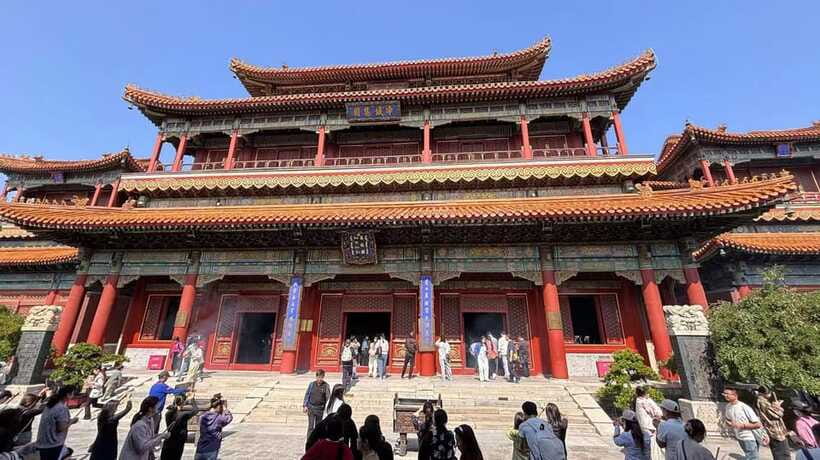
You’ll find Yonghe Lama Temple is easy to reach by public transit, which helps a lot if you’re building a day around multiple stops.
Subway route (the practical favorite)
Take Subway Line 2 or Subway Line 5 to Yonghegong (Yonghe Temple) Station. Exit through Exit F, walk south for a few meters, then turn east. The directions suggest it’s about a two-minute walk from the exit.
That Exit F detail is worth remembering. The fastest route is usually the one that avoids extra crosswalks and backtracking.

Bus options (good backup when the subway is awkward)
If you’d rather take a bus, you’ve got multiple options. The listed buses include:
- 13, 116, 117, 684 (get off at Yonghegong Station)
- 13, 18, 44, 75, 116, 684, Te 2, Te 12 (get off at Yonghegong Qiao Dong Station)
- 117, 125 (get off at Yonghegong Qiao Bei Station)
Use the one that puts you closest to your hotel or next stop. With multiple stations named Yonghegong, the trick is to pick one and stick to it so you don’t land farther away than you expected.
What to do in your 2 hours inside the complex
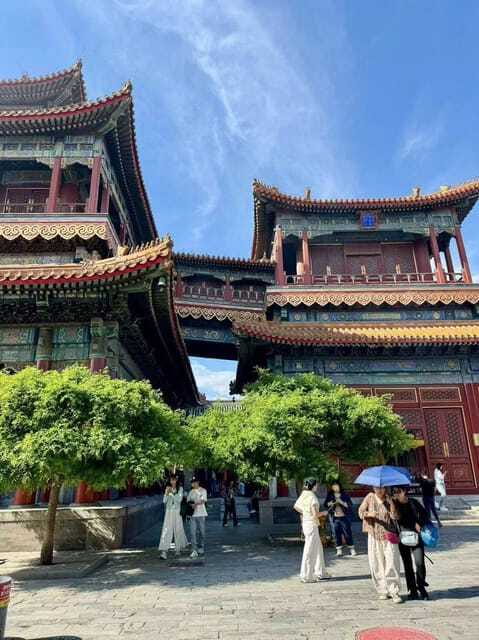
This ticket is designed around a 2-hour visit, and you should treat it like that: enter, walk, read, and reflect. This isn’t presented as a multi-stop tour with scheduled checkpoints. It’s an admission ticket experience where you get in smoothly and then explore at your own pace.
Phase 1: Entry and getting your bearings
When you arrive, plan to be ready right away with your QR code and passport. Once inside, take a few minutes to orient yourself. Look for the main worship areas and the most direct walking paths through the complex, then decide how you want to loop—fast and linear, or slower with extra viewing points.
Phase 2: The core “why this place matters” part
Your focus during these two hours should be the temple’s identity as Yonghe Lamasery, Beijing’s principal and largest Buddhist temple. That means paying attention to how people use the space—where they pause, where they gather, and how the complex supports quiet prayer and observation.
Even with limited time, you can still get meaningful value by slowing down at a few key spots rather than trying to sprint through everything.
Phase 3: Let the Qing-era story guide what you notice
While you walk, let the history “explain” the layout. This place wasn’t born as a temple for tourists. It was built in 1694 as part of the city wall for Emperor Yongzheng, before he rose to the throne in 1722. Later, his son, Emperor Qianlong, sent 300 Tibetan monks and 200 Chinese students in 1744, and housed them in the palace.
That transformation is central to what you’re seeing. It helps you understand why Yonghe Lamasery is considered a major center of Buddhism outside of Tibet—because it was built to host and sustain a religious community, not just visitors.
Phase 4: Finish with a calmer exit
Give yourself time to wrap up without feeling rushed. When you only have two hours, it’s easy to spend too long in the first courtyard. I recommend saving a few minutes at the end for a final pass—just enough to notice details you may have missed on the first loop.
The Yonghe Lamasery story: from palace plans to a Buddhist center
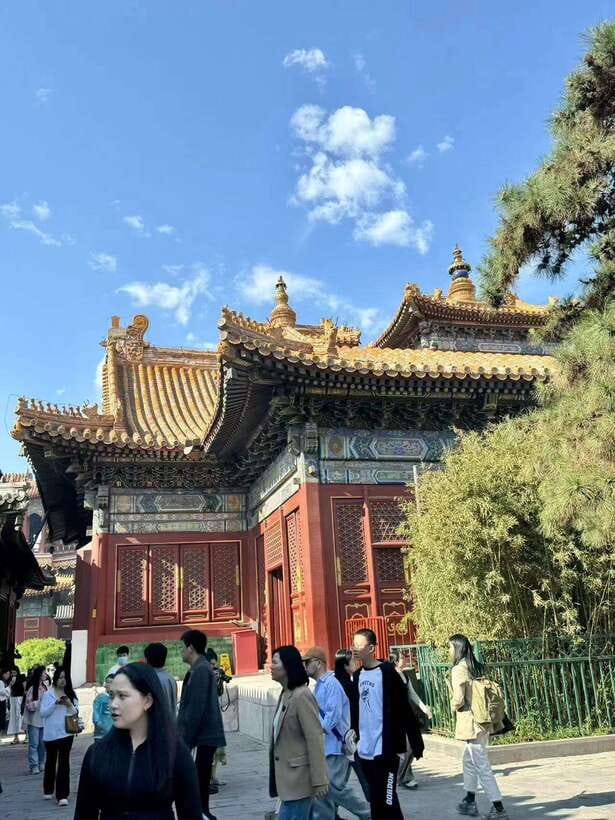
One of the best parts of the Yonghe Lamasery experience is the clarity of its origin story. You get a strong sense that this site was important to Qing-era rulers and religious life.
Here’s the timeline you should keep in mind:
- 1694: Built as part of the city wall project associated with Emperor Yongzheng.
- 1722: Yongzheng rises to the throne.
- 1744: Emperor Qianlong sends 300 Tibetan monks and 200 Chinese students, and they are housed in the palace.
- From then on, the dwelling becomes a temple and monastery.
- Yonghe Lamasery is later recognized as one of the greatest centers of Buddhism outside Tibet.
Why this matters for your visit: you’re not just looking at a temple. You’re walking through a site that was repurposed for religion at the top levels of imperial power. That’s a very different feel from temples that began with purely local religious initiatives.
If you’re the kind of person who likes a little context while you walk (most of us are, even if we don’t want to admit it), this background makes the experience more than scenery.
Accessibility and who this 2-hour ticket suits best
The ticket is marked as wheelchair accessible, which is a big practical plus. If mobility is a concern, having that stated clearly helps you plan with more confidence.
Who I think will enjoy this most:
- People who want a major Beijing landmark without a long day
- Anyone who likes religious sites with strong historical context
- First-time visitors who want an entry ticket that’s easy to manage
- Travelers using public transit and seeking a straightforward stop
Who might reconsider:
- If you hate QR-based entry systems or you’re likely to misplace confirmation messages, double-check your email/WhatsApp right away
- If you’re hoping for a long guided narrative, this ticket experience is set up more like admission than a detailed multi-hour guided route (based on what’s included)
Tour provider and what the setup really means
This experience is provided by Andy’s private china tours. From what’s included, you’re paying for the Yonghe Lamasery ticket and the booking services charge. The experience focuses on getting you into the temple grounds smoothly—especially with the skip-the-line note and the QR entry method.
So think of this as: a reliable entry solution for a top temple, with a limited 2-hour window to explore on your own terms.
Should you book the Yonghe Lama Temple entry ticket?
Yes, you should book it if your goal is a fast, efficient, high-value Beijing temple visit. For about $9, you get admission to one of the most important lamaseries in modern China, plus a system designed to reduce waiting at entry.
The decision hinges on one thing: you have the correct QR code. If you double-check your email or WhatsApp for the right one (and keep your passport handy), this is a low-stress way to see a major site.
If you’re short on time, this fits perfectly. If you’re building a longer sightseeing day, it still works because 2 hours is realistic and not overly demanding.
If you do one thing before you go, make it this: confirm your QR code is valid before you leave. That single step protects your schedule.
FAQ
How long is the Yonghe Lama Temple entry experience?
The listed duration is 2 hours, so plan to spend around two hours exploring the grounds at a comfortable pace.
What do I need to enter Yonghe Lamasery?
You’ll need the QR code and your passport to enter.
Is the GetYourGuide QR code valid for entry?
No. The GetYourGuide QR is not valid. Check your email or WhatsApp for the right QR code.
How do I get to Yonghegong Station by subway?
Take Subway Line 2 or Line 5 to Yonghegong (Yonghe Temple) Station, then use Exit F and walk for a short distance.
What bus stops are available near Yonghe Lamasery?
The instructions list several buses, including 13, 116, 117, 684 to Yonghegong Station, and other options to Yonghegong Qiao Dong Station or Yonghegong Qiao Bei Station.
How much does the ticket cost?
The price is listed as $9 per person.
Does this ticket help you skip the ticket line?
Yes. It’s marked as skip the ticket line.
Can I cancel and get a full refund?
Yes. Free cancellation is available up to 24 hours in advance for a full refund.
Is the attraction wheelchair accessible?
Yes. The experience is marked as wheelchair accessible.
Who provides this experience?
The provider listed is Andy’s private china tours.