REVIEW · HONG KONG SAR
Dark Side of Hong Kong – Kowloon Caged Homes Walking Tour
Book on Viator →Operated by Hong Kong Free Tours · Bookable on Viator
Kowloon’s housing story is hard to forget. This 2-hour guided walk trades postcard Hong Kong for the math behind subdivided flats and cage homes, plus market scenes in Sham Shui Po. You’ll start near Prince Edward and finish in the neighborhood where everyday people deal with sky-high housing pressure.
I like this tour for two specific reasons. First, the guide names the drivers clearly—scarce land, post-war population growth, and the economic model that shaped outcomes—so it makes sense, not just shocks. Second, the human layer lands because guides such as Alice and Isaac are praised for pacing the facts and answering questions without talking down.
One thing to consider: this is not a walk-through of truly lived-in cage homes. One review notes the subdivided-flat stop is a staged display unit and that actual cage homes are not visited, so if you want a more literal look inside, set expectations now.
In This Review
- Key highlights you’ll actually care about
- A Walking Lesson on Hong Kong’s Housing Math
- Prince Edward Start, Sham Shui Po Finish: How the Day Flows
- Cedar Street: The Subdivided Flat and the Size of Reality
- Ki Lung Street: Why the Crisis Happened, Not Just That It Exists
- Lui Seng Chun: A Firsthand Account That Changes the Tone
- Yee Kuk Street: Markets, Backstreets, and the Shadow Economy
- Hai Tan Street: New Luxury Next to Subdivided Density
- Pei Ho Street Rooftop: Hong Kong Not on Postcards
- SoCo at Kweilin Street: Moving From What You See to What You Can Do
- Guides Make the Difference: Alice, Isaac, Grace Wu, and More
- Pricing and Value: Is $32.82 Worth Two Hours?
- Who Should Book This Tour (and Who Might Skip It)
- Practical Tips Before You Go
- Should You Book the Dark Side of Hong Kong?
- FAQ
- How long is the Dark Side of Hong Kong – Kowloon Caged Homes Walking Tour?
- What is the price per person?
- Where does the tour start and when?
- Where does the tour end?
- What is included in the tour price?
- Do I get a mobile ticket?
- Is hotel pickup included?
- What meeting place should I use near the start?
- Is the tour suitable for people with limited mobility?
- Does this tour run in any weather?
- What size group should I expect?
Key highlights you’ll actually care about
- 2 hours, focused route between Prince Edward and Sham Shui Po, with a small group size (max 30)
- Housing crisis explained with numbers, including the idea of a 500 sq ft apartment being cut into five 100 sq ft units
- A guided step inside a tiny example home, showing how kitchen/bed/living space compress for a minimum-wage household
- Side-by-side contrast of pricey new apartments next to dense subdivided units and cage homes
- Market and backstreet stops that connect inequality to everyday life, not just headlines
- A solutions conversation at SoCo, a charity with 50 years of work for marginalized people
A Walking Lesson on Hong Kong’s Housing Math
Hong Kong can look impossibly smooth from the top down—skyline sparkle, efficient streets, and money everywhere you turn. This tour points your attention the other way: at how housing gets sized, sliced, stacked, and sometimes crammed into spaces that feel like design mistakes.
The core theme is the housing crisis. You’ll learn why Hong Kong ranks among the world’s least affordable cities and how the shortage of land turns a basic need into a daily pressure test. At multiple stops, you’ll connect policy and economics to what you see on the ground—especially the way small apartments get subdivided, then subdivided again, until rooms start doing jobs they were never meant to do.
What makes it worth your time is that the story stays practical. It’s not only about suffering. It’s about the mechanism: population pressure after the war, limited land, and a low-tax, capitalistic approach that helped drive demand while keeping supply tight. Once you see that chain, Sham Shui Po stops feeling like a random “dark side” and starts feeling like a logical consequence.
You can also read our reviews of more tours and experiences in Hong Kong SAR.


Prince Edward Start, Sham Shui Po Finish: How the Day Flows
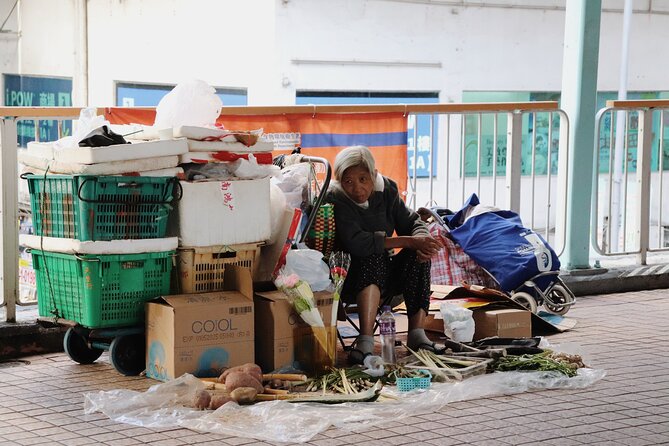
The walk begins near Nathan Rd and Prince Edward at 11:00 am and ends in Sham Shui Po. It runs about 2 hours and stays in a workable walking loop with multiple short stops—most under 15 minutes.
This matters because you can do it without surrendering your whole day to one activity. Also, there’s no hotel pickup, so you’ll want to plan on getting to the start area using public transit. The tour is also designed for people with at least moderate physical fitness, which usually means you’re comfortable walking city blocks and standing for short explanations.
There’s one more practical note: the experience requires good weather. If conditions are poor, you’ll be offered a different date or a full refund. In Hong Kong, that affects comfort, because you’ll be out on the streets long enough to feel humidity.
Cedar Street: The Subdivided Flat and the Size of Reality
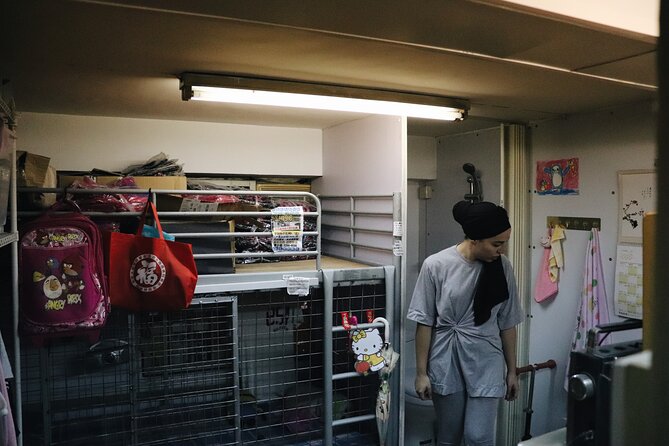
Cedar Street is where the tour shifts from explanation to scale. You’ll hear how a typical roughly 500 sq ft apartment can be subdivided into about five units around 100 sq ft each. That may sound like a math trivia point until you connect it to daily life—where every “room” becomes a flexible corner that has to do everything.
Later on Cedar Street, you step into a 100 sq ft subdivided flat example. The focus is the minimum-wage household layout: where the kitchen is, where the bed sits, and how “living space” shrinks into something you almost have to picture in motion. The point isn’t to produce a shock photo. The point is to understand how space decisions shape health, stress, sleep, and family routine.
One caution from the experience itself: you should not expect to freely roam a real resident’s home. At least one person reported that the unit presented is a staged display. I’d go in ready to learn from a demonstration, not ready for a voyeur’s tour of someone’s private life.
Ki Lung Street: Why the Crisis Happened, Not Just That It Exists
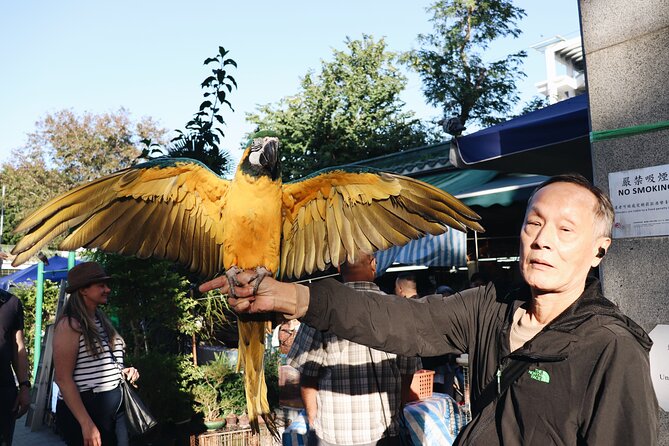
Ki Lung Street is where the guide builds the “perfect storm” argument. You’ll connect post-war population growth, the economic approach Hong Kong used, and the reality of scarce land supply. It’s the kind of explanation that makes the housing situation feel less like a mystery and more like a predictable system response.
What I like here is that it keeps your thinking sharp. Instead of only hearing that rents are high, you learn why housing pressure concentrates in specific neighborhoods and why subdivided housing becomes a coping strategy when people get priced out of normal options.
It’s also where the tour becomes a useful primer for Hong Kong beyond housing. When you understand how land scarcity drives everything else—work, daily commute, and family stability—you start reading the city differently.
Lui Seng Chun: A Firsthand Account That Changes the Tone
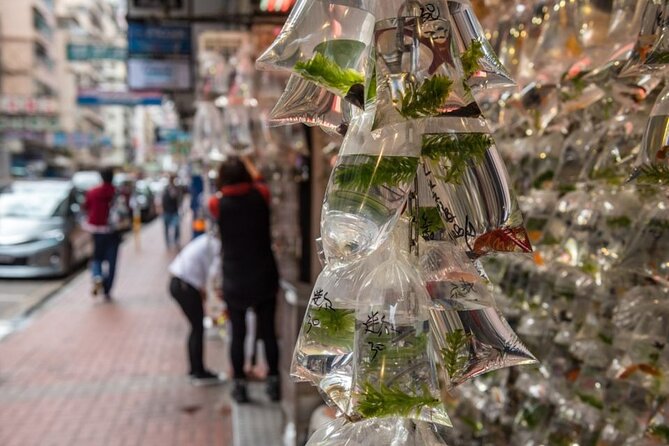
At Lui Seng Chun, the tour shifts into personal experience. You’ll hear a guide’s firsthand account of navigating housing in what’s often described as one of the toughest property markets on Earth.
This stop is important because it changes the emotional tone without becoming preachy. It shows that the housing crisis isn’t only a statistic. It’s decisions made under pressure: where you can live, how close you can be to work, what compromises you accept, and how long you can stretch a bad situation before it turns into a permanent one.
You’ll also get chances to ask questions, and that’s a big part of why the tour earns such strong ratings. People mention guides who pace the facts and answer follow-ups clearly, so if you come with curiosity—policy, affordability, inequality—bring it. This is a question-friendly format.



Yee Kuk Street: Markets, Backstreets, and the Shadow Economy
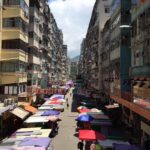
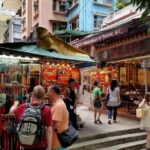
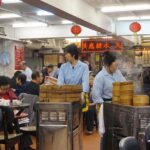
Yee Kuk Street brings you into Sham Shui Po’s backstreet reality. You’re there to see traditional markets and lower-income areas, and the guide ties the atmosphere to wealth disparity.
This is also the stop that includes a tougher topic: the illicit links discussed between the drug and sex trades. The way it’s presented matters. Done well, it’s not sensational. It’s part of how inequality can create hidden systems—where vulnerabilities get exploited and where enforcement and social support don’t always keep up.
If you’re the type who likes your sightseeing strictly light and scenic, this part can feel emotionally heavy. If you want to understand the city as it is—messy, layered, and uncomfortable in places—you’ll probably feel the tour doing its job.
Hai Tan Street: New Luxury Next to Subdivided Density
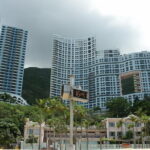
Then comes Hai Tan Street, and the contrast lands instantly. You’ll see expensive new apartments listed around USD $1.5 million, sitting alongside a dense cluster of subdivided units and caged homes.
This isn’t only a visual contrast. It’s a reminder that the housing market creates parallel worlds that share the same streets. You’ll leave with a clearer sense of how inequality can become architectural—how money translates into building types, building heights, and who gets to live with space as a default.
I also found this kind of stop makes the earlier numbers feel real. When you remember the subdivided-flat scale you saw on Cedar Street, the contrast at Hai Tan Street stops being a vague idea and becomes a concrete story about what’s happening to other people’s lives right now.
Pei Ho Street Rooftop: Hong Kong Not on Postcards
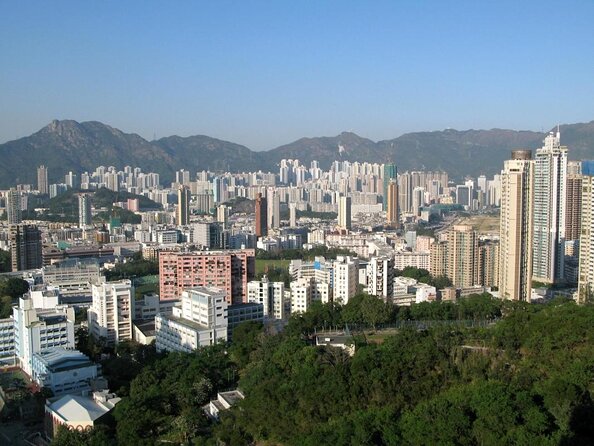
At Pei Ho Street, you ascend to a rooftop in central Sham Shui Po. This is where the tour “zooms out” visually so you can understand the neighborhood’s hidden slums from above.
Rooftops are a good teaching tool in Hong Kong. They show how density stacks up in vertical layers—where space ends, where makeshift extensions begin, and how daily life often continues in places outsiders don’t look. One of the reasons photography lovers tend to like this tour is that the viewpoint helps you notice details you might otherwise miss.
Just keep in mind: rooftop time can feel exposed. Dress for humid weather, and keep your phone/camera secure. This is an area-focused tour, not a grand monument stop.
SoCo at Kweilin Street: Moving From What You See to What You Can Do
Ending at Kweilin Street with a visit to SoCo adds the final piece: solutions and advocacy. SoCo is described as a charity with 50 years of history supporting marginalized people, and the conversation moves from describing the problem to discussing what the city’s future could look like.
I appreciate this because it prevents the experience from turning into pure exposure. You learn, then you get a framework for thinking about responses—policy, support systems, and community-level efforts that try to reduce the harms of housing pressure.
If you’re leaving Hong Kong feeling restless (in the good way), this stop helps you channel that feeling into something more useful than outrage.
Guides Make the Difference: Alice, Isaac, Grace Wu, and More
The single biggest pattern in the experience is the guide quality. People highlight guides like Alice, Isaac, Grace Wu, Wind, Summer, Wing, and Simeone Lo for being engaged, answering questions, and keeping the information balanced.
That balance matters. This tour isn’t written as a one-sided “poor people as a spectacle” act. It aims to help you understand Hong Kong through grassroots living conditions and an urban planning lens. If you go expecting it to be upbeat, you might be disappointed. If you go expecting reality, you’ll probably find it well structured.
Also, the tour is praised for not feeling like a rush job. The pacing is described as good, with information delivered in a way that lets you absorb it instead of sprinting from one hard fact to the next.
Pricing and Value: Is $32.82 Worth Two Hours?
At $32.82 per person for about 2 hours, the value depends on what you want from your trip.
If your goal is a quick entertainment hit, this may feel too serious for too little “wow factor.” But if you want a guided, human explanation of Hong Kong’s housing crisis—plus a hands-on-style look at how subdivision can function inside an example unit—then it’s a solid deal.
You’re paying for three things: a local guide, a tight route linking multiple real-world housing contexts, and time spent answering your questions. That combination is exactly what city tours are supposed to do, and in a place like Hong Kong, it’s hard to replicate on your own without going down a rabbit hole of unreliable sources.
Who Should Book This Tour (and Who Might Skip It)
You’ll probably love this if you:
- want to understand Hong Kong beyond the skyline
- like economic or housing context and can handle nuance
- enjoy street-level observation in places that aren’t built for tourists
It’s also a good match if you’re into street photography, because the neighborhood details and rooftop views give you more than “generic city shots.”
I’d hesitate if you:
- want a light, feel-good walking tour
- expect to enter true resident cage homes as the main attraction
- get overwhelmed by stories about exploitation and crime topics
This is a walking tour with emotional weight. Many people find that weight worth it because it creates a sharper, more honest understanding of the city.
Practical Tips Before You Go
- Bring water and wear breathable clothes. You’ll be outdoors enough to feel the weather.
- Plan to stand and walk more than you might on a sit-down museum tour. The physical fitness requirement is listed as moderate.
- Have a camera ready, but be respectful of privacy and street life. This is about understanding, not staring.
- Ask questions early. The format is designed for a guide to respond, and the best value comes when you use that time.
- Service animals are allowed, and the tour is near public transportation—so it’s not a remote hike.
Finally, check the weather the day you go. Since the tour requires good weather, a forecast can affect your day more than you’d expect.
Should You Book the Dark Side of Hong Kong?
Book it if you want Hong Kong’s housing crisis explained in a real neighborhood setting, with a guided route that connects policy to what people live with. The small-group format and the repeated praise for guides like Alice and Isaac are strong signals you’ll get clarity, not confusion.
Skip it or pair it with something lighter if you’re hoping for a purely scenic tour or if you specifically want to see actual lived-in cage homes. This experience focuses on learning and context, with demonstration-style stops rather than unrestricted access to private living spaces.
If your trip includes a day in Kowloon anyway, this is the kind of tour that changes the way you read the city afterward.
FAQ
How long is the Dark Side of Hong Kong – Kowloon Caged Homes Walking Tour?
It runs for about 2 hours.
What is the price per person?
The price is $32.82 per person.
Where does the tour start and when?
It starts at Nathan Rd, Prince Edward, Hong Kong at 11:00 am.
Where does the tour end?
It ends in Sham Shui Po, Hong Kong (near Sham Shui Po MTR Station).
What is included in the tour price?
A local guide is included.
Do I get a mobile ticket?
Yes, the tour features a mobile ticket.
Is hotel pickup included?
No, hotel pickup and drop-off are not included.
What meeting place should I use near the start?
You’ll meet at Nathan Rd, Prince Edward, Hong Kong, with the specific starting point listed as Exit D of the Prince Edward station area.
Is the tour suitable for people with limited mobility?
The tour requires a moderate physical fitness level, and it’s a walking tour with neighborhood stops.
Does this tour run in any weather?
It requires good weather. If canceled due to poor weather, you’ll be offered a different date or a full refund.
What size group should I expect?
The tour has a maximum of 30 travelers.