REVIEW · HONG KONG SAR
Small-Group Hong Kong Island Food Tour
Book on Viator →Operated by Hello Hong Kong · Bookable on Viator
Cantonese classics meet British leftovers in four hours. This is a small-group walking-and-eating plan on Hong Kong Island that strings together old neighborhoods, local tea houses, and the stuff Hong Kongers line up for—plus a guide to smooth over the menu and language. You start in Sheung Wan and finish in Wan Chai, with stops that explain how flavors and food habits evolved in this port city.
I really like the way the tour starts with trolley yum cha (dim sum) in a crowded old-school tea house—fast, loud, and very Hong Kong. I also love the end-of-tour payoff: dan tat egg tart and the roast-meat classics along the way, all served in places that feel made for locals, not tourists.
One consideration: the tour isn’t suitable for vegetarians, gluten-free diets, or people with seafood allergies, and it’s designed for an empty stomach approach (skip breakfast).
In This Review
- Key highlights in plain terms
- How A Four-Hour Hong Kong Island Bite Plan Fits Your Day
- Sheung Wan Yum Cha: Trolley Dim Sum In A Tea House With Real Atmosphere
- Wonton Noodles + The Local Art Of Simplicity
- Milk Tea And The British Flavor Thread You Can Actually Taste
- Seafood Street, Kai Fat Tea, And Graham Street Market: Learn Ingredients, Not Just Dishes
- Quick reality check
- Western District To Mid-Levels Escalator: City Sights That Make The Food Story Make Sense
- Ding Ding Tram To Wan Chai: Roast Meat, Char Siu Fan, And A Classic Ride
- Hennessy Road Egg Tarts And The Easygoing End At Southorn Playground
- Price And Value: What $115.52 Gets You (And What It Doesn’t)
- What Makes The Guides Matter (From Real Experience Feedback)
- Who Should Book This Food Tour (And Who Might Skip It)
- Should You Book This Hong Kong Island Food Tour?
- FAQ
- What time does the tour start and where do I meet?
- How long is the Small-Group Hong Kong Island Food Tour?
- What foods and drinks are included?
- Is the tour only for vegetarians or gluten-free diets?
- Will I get help ordering since I may not speak Cantonese?
- What group size should I expect?
- Can I get a full refund if I change my plans?
Key highlights in plain terms
- Up to 9 people keeps the pace friendly and helps the guide get you seated and fed fast
- Trolley yum cha for a classic Hong Kong breakfast-style dim sum start
- British-era influence shows up in the milk tea and in Hong Kong takes on English custard tarts
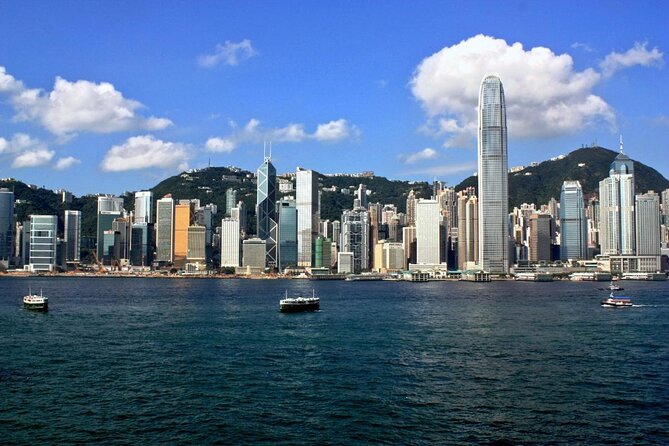
- Old neighborhoods on foot: Sheung Wan, Central/Western area, Mid-Levels, then Wan Chai
- Ding Ding tram ride adds an iconic Hong Kong transit moment between food stops
How A Four-Hour Hong Kong Island Bite Plan Fits Your Day
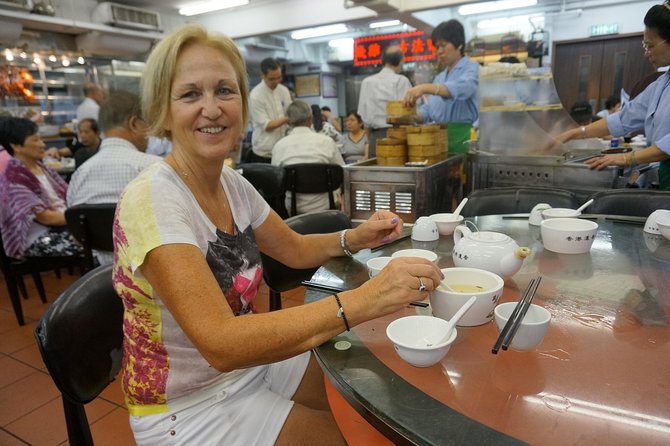
This tour is built for people who want a lot of Hong Kong food context without spending your whole trip in lines. It runs about 4 hours and moves through several neighborhood zones, starting around 9:30am in Sheung Wan and ending in Wan Chai. The group size is capped at 9, so it feels more like a local-led stroll than a cattle-car tour.
For value, what matters is not just the price ($115.52) but what’s included. You’re not only tasting four foods—you’re also getting a professional guide, multiple tastings (dim sum, wonton noodle soup, milk tea, char siu/BBQ pork, egg tart), and extras like dried fruit sweets and a tram ride.
Language is handled too. The tour is conducted in English, and the whole point of the guide is to help you navigate restaurants where you might be the only tourists—and that can make ordering less stressful and eating more fun.
You can also read our reviews of more tours and experiences in Hong Kong SAR.

Sheung Wan Yum Cha: Trolley Dim Sum In A Tea House With Real Atmosphere
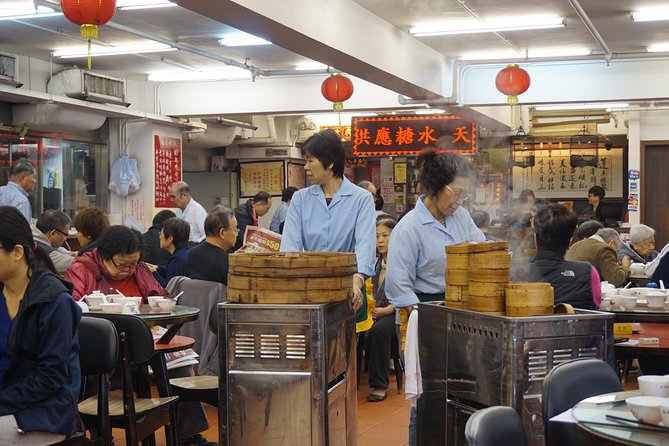
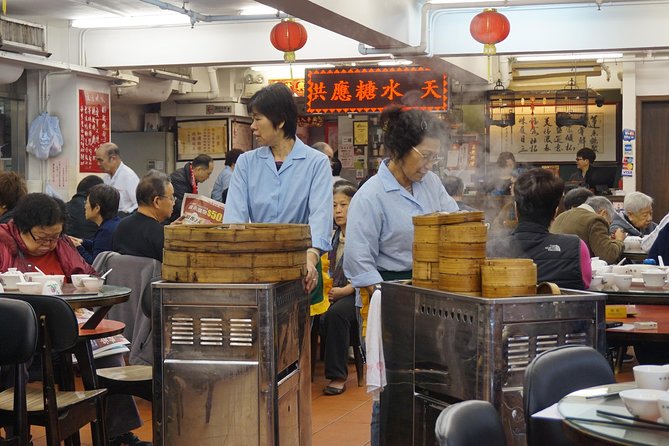
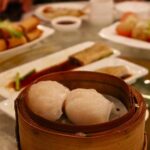
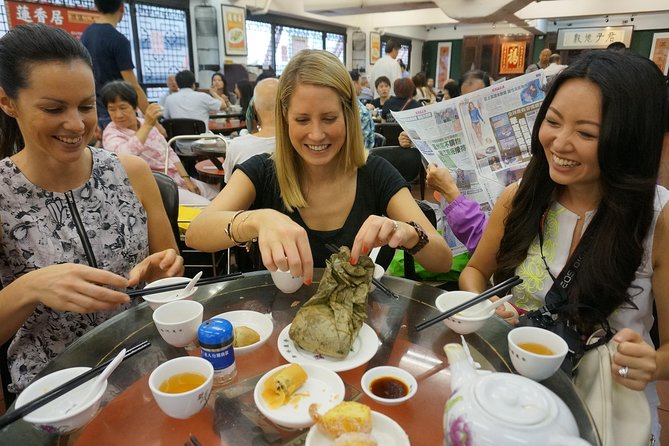
You begin in Sheung Wan, then head to an older tea house for the tour’s first big hit: yum cha, served by trolley. This matters because dim sum in Hong Kong isn’t a sit-and-wait experience—it’s a moving, lively service style, and the trolley rhythm is part of what makes it feel authentic. You’ll get a first taste of how Hong Kong does breakfast: quick, social, and packed with small plates.
The tea house atmosphere is described as lively and crowded, with a history that goes back nearly 100 years. Even if you don’t know the food names yet, you’ll feel the energy and learn along the way—what to look for, what makes a Cantonese dim sum order work, and how people eat during morning tea.
A practical tip: arrive hungry. The tour guidance explicitly says you should not eat breakfast before the tour, and that’s exactly what allows you to enjoy the later tastings without feeling stuffed-too-early.
Wonton Noodles + The Local Art Of Simplicity
Next you’ll move to a family-run place from the 1960s for wonton noodles, described as a Hong Kong specialty. What I like about this stop is that it teaches you something important: simple food often takes the most skill. Wonton noodles might sound straightforward, but Hong Kong’s version is all about balance—broth clarity, noodle texture, and the way the wontons are done.
This stop also fits the tour’s bigger story. As you go, your guide ties each dish back to Hong Kong’s culinary mix—mainly Cantonese roots, plus British-era changes that influenced tea and desserts. You’re tasting the “result,” then hearing the why behind it.
One good sign: the restaurant is noted as recommended by the Michelin Guide. That doesn’t mean it’s formal or fancy; it usually means the basics are done reliably well—and for a food tour, that’s what you want.
Milk Tea And The British Flavor Thread You Can Actually Taste
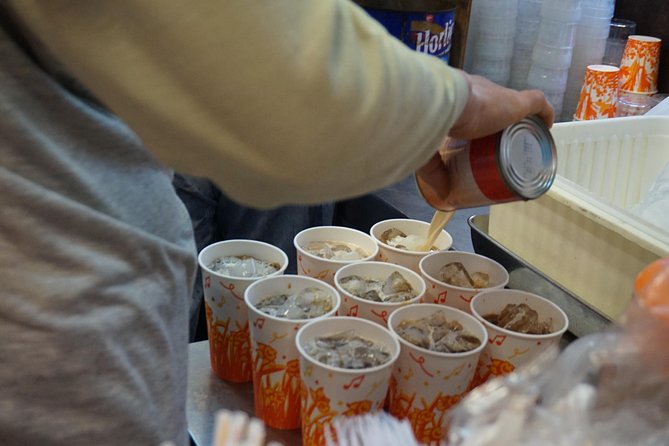
After noodles, the tour gives you Hong Kong milk tea, one of the most recognizable parts of the city’s food culture. The guide frames it as an influence that remains from British rule, which helps you connect a drink you’ve probably seen in street menus to the city’s history.
This isn’t just a random sip stop. It’s a palate reset that also explains why milk tea became a daily ritual: it’s sweet, comforting, and easy to order in almost any Hong Kong neighborhood. If you’re the type who thinks of tea as a side dish, you’ll enjoy seeing how seriously Hong Kong treats it as part of the meal.
Seafood Street, Kai Fat Tea, And Graham Street Market: Learn Ingredients, Not Just Dishes
One of the tour’s best strengths is that it slows down just enough to teach you ingredients and shop culture. You’ll visit Seafood Street in Sheung Wan, clustered around Des Voeux Road West, where dried seafood trade is concentrated. Dried seafood shows up across Chinese cooking, and seeing the trade area helps you understand why it’s so common in Hong Kong kitchens.
Then comes a quick tea-and-sweets stop at Kai Fat Tea, a shop selling tea and assorted candies made from fruits. This is where you can sample the smaller, snack-style flavors that Hong Kong loves—sweet bites, preserved textures, and the kind of local candy that feels less like a souvenir and more like what people actually eat between meals.
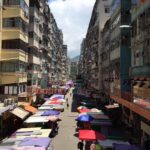
Graham Street Market is another key stop, known for its long history and its sloped street lined with food stalls. It’s a great place to picture daily Hong Kong life: produce, seafood, and market browsing close to where locals live and cook. The tour also references the city’s oldest wet market experience, so you’ll get that “real market” feeling instead of just standing outside a photo spot.
Quick reality check
These ingredient-focused stops mean the food theme stays very Cantonese and very Hong Kong. If you’re avoiding seafood entirely, you’ll want to rethink this tour because the data notes it’s not suitable for seafood allergies.
Western District To Mid-Levels Escalator: City Sights That Make The Food Story Make Sense
Between tastings, the tour includes walking and a few landmark-type stops that help explain the neighborhoods you’re moving through. In the Central and Western District area, the vibe is described as old yet dynamic, spanning sloped streets and small alleys with colonial-style and modern layers. It helps you see Hong Kong as more than a food crawl—this is a city shaped by its geography and history.
A standout transit moment is the Mid-Levels Escalator, the longest outdoor escalator in the world (about 800 meters, lifting around 135 meters). It’s a fun break in the walking and also a reminder that Hong Kong’s daily life is tied to movement and steep streets. Even if you’re not a transit nerd, it’s a great way to reset your legs without losing momentum.
You also stop at Tai Kwun, the restored and revitalized Central Police Station compound. This gives a bit of heritage context in the middle of a food-focused day, without turning into a museum slog. You’ll come away with a sense of the neighborhoods’ layers—people, power, and food all in the same part of the city.
Ding Ding Tram To Wan Chai: Roast Meat, Char Siu Fan, And A Classic Ride
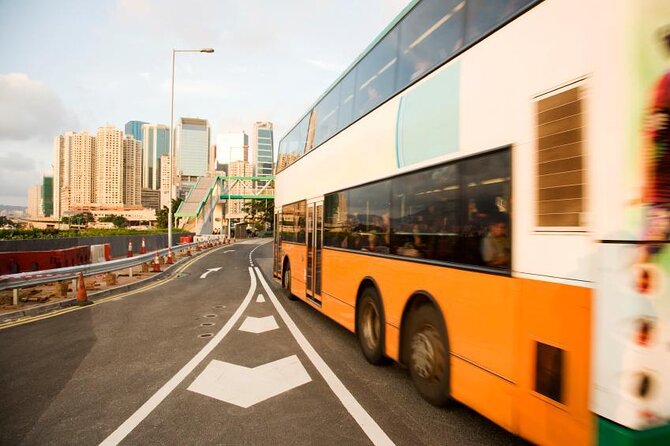
Now for the fun: you board the Ding Ding tram. The tram system is one of the oldest public transports in Hong Kong, first operated in 1904 under British rule, and it’s known for its double-decker design. It’s included as part of the tour’s experience, and it’s the kind of moment you’ll remember long after the last bite disappears.
From there, you reach Wan Chai for a family-run restaurant described as Michelin Guide recommended and dating back to pre-20th-century Qing Dynasty. The highlight dish is char siu fan—roast BBQ pork rice—served with homemade sauces and paired with traditional roasted meats.
What makes this stop click is that you’re tasting a British-influenced Hong Kong flavor story through a Cantonese delivery system. Char siu is often described as an English-named roast in Hong Kong conversations, but the flavor and style stay unmistakably local. You’ll see why people go back: the meat is rich, the sauce does the heavy lifting, and the rice grounds everything.
Hennessy Road Egg Tarts And The Easygoing End At Southorn Playground
The final meal-style tasting is dan tat (egg tart) at a well-established bakery on Hong Kong Hennessy Road. This stop is special for two reasons: the egg tart is described as a Chinese take on an English custard tart, and the bakery’s history is said to be about 60 years, once favored by a former Hong Kong governor.
If you like desserts, this is your payoff. The custard filling and flaky crust are a Hong Kong signature, and having it at the end of a savory route feels perfectly timed. You’ll likely slow down here, because eating a great last bite is half the point of a tour like this.
The walk ends around Southorn Playground in Wan Chai, where you can watch the local crowd move through a more relaxed public space. It’s a gentle landing after the food-heavy stretch. You finish with less urgency and more chance to take photos and digest what you just ate.
Price And Value: What $115.52 Gets You (And What It Doesn’t)
At $115.52 per person for about 4 hours, this tour isn’t “cheap eats,” but it is a practical value if you account for the included items. You get a guide, multiple meals and drinks (dim sum/yum cha, wonton noodle soup, milk tea, char siu roast meat/BBQ pork, egg tart), dried fruit sweets, and the Ding Ding tram ride.
You’re also paying for someone to put you in the right rooms at the right times. The tour specifically targets local restaurants where you’re likely to be the only tourists, which is the hardest part to do solo. A guided day also helps you avoid wasting time figuring out ordering, names, and which places are worth the detour.
On the downside, this is not built for dietary flexibility. The information is clear that the tour isn’t suitable for vegetarians, gluten-free travelers, or people with seafood allergies. If you fall into any of those categories, you’ll likely have a less enjoyable day—or end up skipping too much.
What Makes The Guides Matter (From Real Experience Feedback)
The tour’s quality seems to come down to the guides. Names you may see include Andy, Ivy, Mel, Sinclair, Alex, and Jane, and the common theme is pacing and care. Multiple comments highlight that guides make sure you get enough food at each stop and keep the group moving without feeling rushed.
You’ll also get story time that links dishes to Hong Kong life. People mention explanations about Cantonese foods plus the more recent history of Hong Kong and how it connects to what’s on the table. That history won’t replace reading a book, but it does make the food choices click.
One very Hong Kong detail: at least a couple of reviews mention the guide sharing bathroom ratings and getting people to a better restroom spot. That’s not glamorous, but it’s real travel value on a morning with a lot of stops.
Who Should Book This Food Tour (And Who Might Skip It)
I’d book this if you want an organized introduction to Hong Kong Island food without having to plan every order yourself. It’s especially good if you like Cantonese classics, don’t mind walking, and enjoy the “local rhythm” feeling—tea houses, markets, and old-school restaurants.
You should also consider it if you want British influence in the mix. Milk tea and the egg tart connection to an English custard-style dessert are built right into the tasting plan.
Skip it if you’re vegetarian, gluten-free, or dealing with seafood allergies, because the tour isn’t designed around those needs. Also skip if you hate being on your feet for several hours; this is a walking tour with transit moments, not a sit-down tasting menu all day.
Should You Book This Hong Kong Island Food Tour?
Yes, if you want a high-impact food day that also teaches you why Hong Kong tastes the way it does. The included dishes cover the big hitters—dim sum yum cha, wonton noodle soup, milk tea, roast meat, and dan tat egg tart—plus you add markets and neighborhood landmarks without turning it into a long sightseeing marathon.
If you can’t eat seafood or you need vegetarian/gluten-free meals, this one probably won’t work. But if you’re flexible and you’ll show up hungry (seriously), it’s a solid way to get a strong first taste of Hong Kong Island in one morning-to-early-afternoon session.
FAQ
What time does the tour start and where do I meet?
The tour starts at 9:30am and meets at 28號 Des Voeux Rd W, Sheung Wan, Hong Kong.
How long is the Small-Group Hong Kong Island Food Tour?
It runs for about 4 hours.
What foods and drinks are included?
Included tastings are dim sum/yum cha, wonton noodle soup, Hong Kong milk tea, egg tart (dan tat), traditional dried fruit sweets, and char siu (BBQ pork). A Ding Ding tram ride is also included.
Is the tour only for vegetarians or gluten-free diets?
No. The tour is not suitable for vegetarians, gluten-free people, or people with seafood allergies.
Will I get help ordering since I may not speak Cantonese?
Yes. The tour includes a guide who helps you navigate local restaurants and any language barriers.
What group size should I expect?
The maximum group size is 9 people per booking.
Can I get a full refund if I change my plans?
Yes. You can cancel for a full refund up to 24 hours before the experience’s start time.