REVIEW · BEIJING
Chinese Kungfu class in old temple beside Forbidden Ci
Book on GetYourGuide →Operated by Bayi Teahouse · Bookable on GetYourGuide
Practice kungfu by the Forbidden City gate. This class teaches traditional Chinese kungfu inside Pudusi inheritance, a royal-temple legacy tucked in a hutong area just by the east gate of the Forbidden City. I like the mix of real training and real setting: the teacher’s background starts in Shaolin at age five, and the lesson pushes beyond forms into self-defense you can actually apply. One consideration: the active class time is short (about one hour), so this is best as a strong introduction, not a full-length workout program.
I also like the human support. English is handled by the English host/greeter and a translator, and Limeng often helps with explanations so you understand what you’re doing—not just copy moves. If you add a tea ceremony, your morning can start in a calmer way at Bayi Teahouse before you head to the park-temple meeting point for practice.
In This Review
- Key things to know before you go
- Kungfu in a hutong temple lane by the Forbidden City
- Meet the Shaolin master—and learn how the teaching actually works
- Your one-hour class: basics, principles, and practical self-defense
- Tea ceremony at Bayi Teahouse: a calm cultural start before practice
- Where you practice: hutong compound vibes and temple-side atmosphere
- Price and value: what $45 gets you in Beijing
- Logistics that actually matter: time, clothes, and comfort
- Who should book this class—and who should skip it
- Should you book this Chinese kungfu class?
- FAQ
- How long is the kungfu class?
- Where does the class take place?
- Is the class taught in English?
- What kungfu styles are included?
- Is tea ceremony included?
- What’s the cancellation and payment policy?
Key things to know before you go
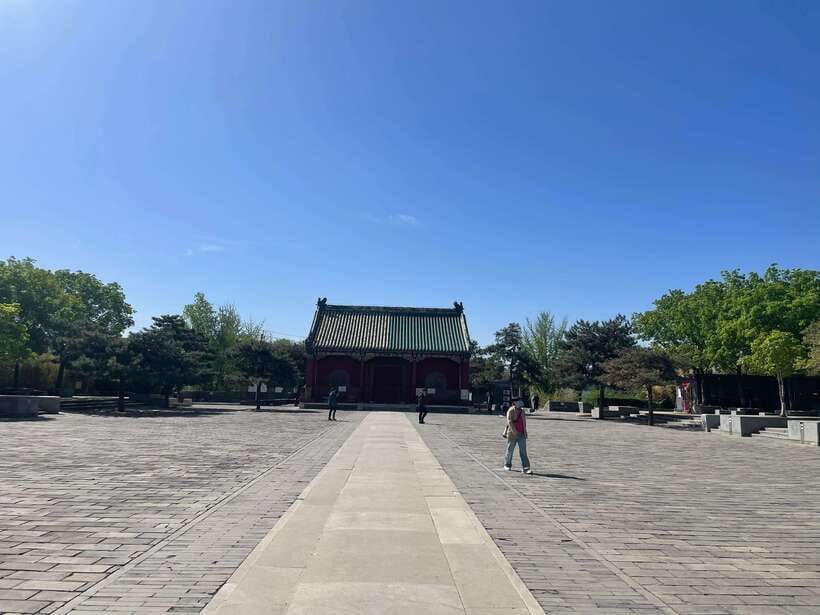
- Pudusi inheritance location: a royal-temple compound in a hutong beside the east gate of the Forbidden City
- Shaolin-trained master: training since age five, plus Shaolin kungfu and multiple traditional forms
- 1-hour basics with practical use: moves taught with everyday self-defense in mind
- English translation and guidance: you get help understanding principles as you practice
- Optional tea ceremony start: a gentle cultural warm-up before you train
- Uniform option: you’ll be offered traditional practice clothing, with sizing/color help if you want to buy
Kungfu in a hutong temple lane by the Forbidden City
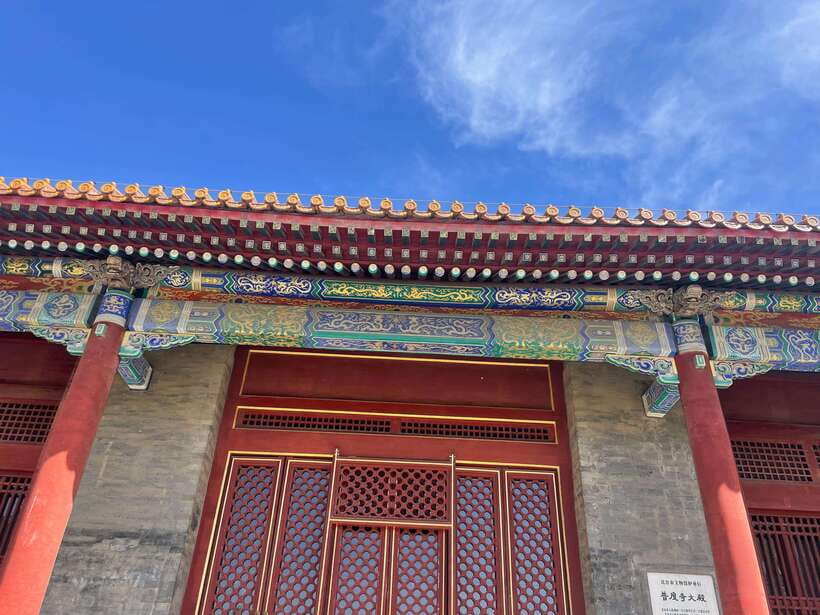
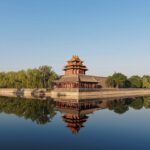
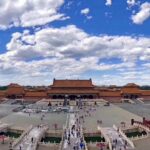
The setting is the hook. You’re not in a studio with mirrors and fluorescent lighting. You’re in a hutong area with centuries behind the walls—specifically tied to the Pudusi inheritance, described as a royal temple legacy with around 700 years of history. And the best part for first-time Beijing visits: this is right beside the east gate of the Forbidden City, so the whole experience feels like culture you can touch, not just landmarks on a checklist.
I like that the experience respects the neighborhood scale. Hutongs are lived-in spaces, not museum sets. That matters because the kungfu class isn’t only about athletic skill—it’s framed as a tradition passed through daily life, posture, discipline, and intention.
Possible drawback: if you want lots of time in training or a bigger “show,” you’ll likely feel the one-hour format. This is more about giving you foundations you can build on later, in your own practice.
You can also read our reviews of more tours and experiences in Beijing.

Meet the Shaolin master—and learn how the teaching actually works
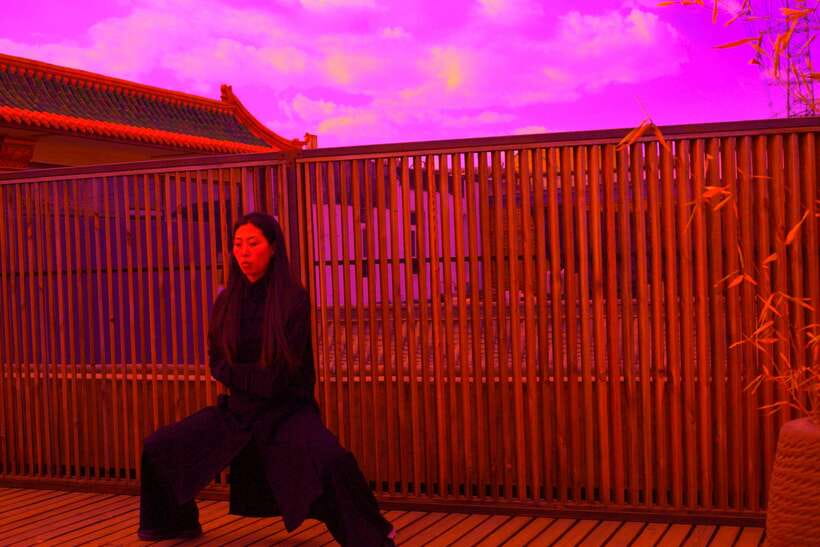
This is taught by a professional kungfu master trained from a very young age. The instructor’s background is Shaolin-focused (started training at age five), and he’s practiced Shaolin kungfu along with multiple traditional styles and forms. What makes the instruction feel different is the promise of practical application: the class isn’t framed as performance-only.
You’ll notice how corrections shape the session. Several people emphasize the patience and precision of the teacher, including how he checks your basics and guides you step-by-step rather than rushing you through. That approach is especially helpful if you’re new to martial arts or you don’t speak Chinese.
The translation support matters here, too. With an English host/greeter and translator (often with help from Limeng), you can connect what the master says to what you’re practicing. It’s the difference between doing moves and understanding the principles behind them.
And yes, there’s a cultural angle. The class aims to show the spirit of traditional Chinese kungfu—how posture and intent matter, not just how fast you can swing an arm.
Your one-hour class: basics, principles, and practical self-defense
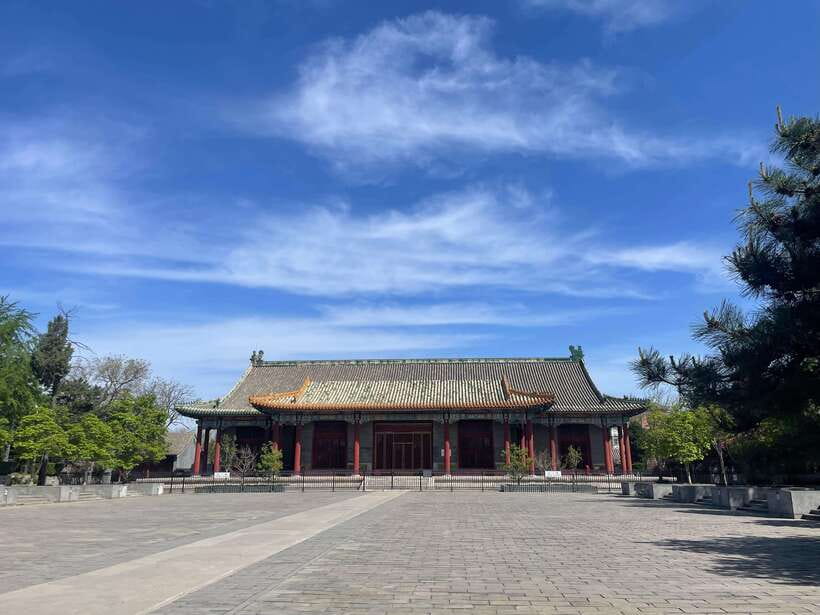
The core training is about one hour. In that time, you’re introduced to basic kungfu training, plus the practical use of kungfu techniques in casual life. The idea is simple: learn fundamental movements and then connect them to defensive concepts.
What you should expect during that hour:
- Foundational movements: you work on core skills that form the base of many traditional kungfu styles
- Technique demonstrated and practiced: the master shows, then you try, with corrections as needed
- Practical application: the lesson includes use of movements for self-defense, not only choreographed sequences
This is where the class earns its high marks. People consistently highlight practical teaching for real scenarios—especially guidance tailored to everyday self-defense. One person even noted the help was specifically oriented to defense and attack movements for a girl. That doesn’t mean you’ll leave ready for everything. It means you’re taught the right mindset: controlled movements, awareness, and usable technique.
Also, expect a hands-on pace. This isn’t a lecture. You’ll be physically practicing, so bring a calm attitude and be ready to sweat a little.
Tea ceremony at Bayi Teahouse: a calm cultural start before practice
Because the experience provider is Bayi Teahouse, many bookings pair the training with a traditional Chinese tea ceremony first. In one described flow, the tea ceremony lasts around one hour and includes trying two types of tea, plus a small snack.
If you’re doing the tea portion, you’ll likely meet the guide in a small house in the hutong area. The host explains the tea ceremony details, translates where needed, and keeps it conversational—so you’re not just watching, you’re learning the culture through a slow, grounded ritual.
Why this matters: kungfu is physical, but it’s also mental discipline. Starting with tea can shift your energy from tourist mode to “student mode.” It also gives you a smoother transition before practice, especially if you’re arriving with a lot of walking and sightseeing already in your legs.
One practical note: if you’re short on time, consider whether you want the tea part or just the training. The kungfu segment itself is the main event.
Where you practice: hutong compound vibes and temple-side atmosphere
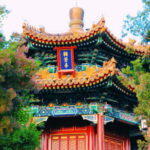
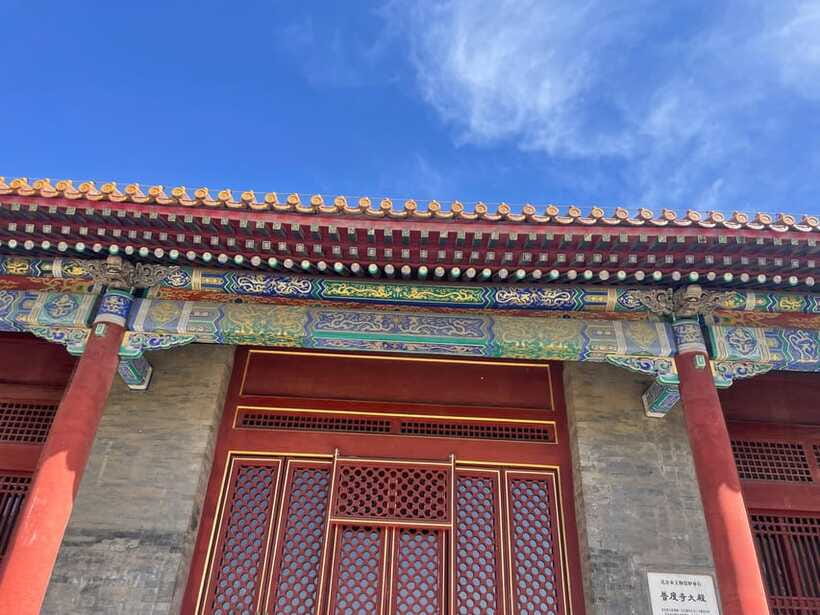
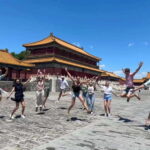
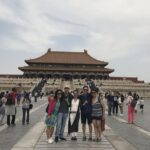
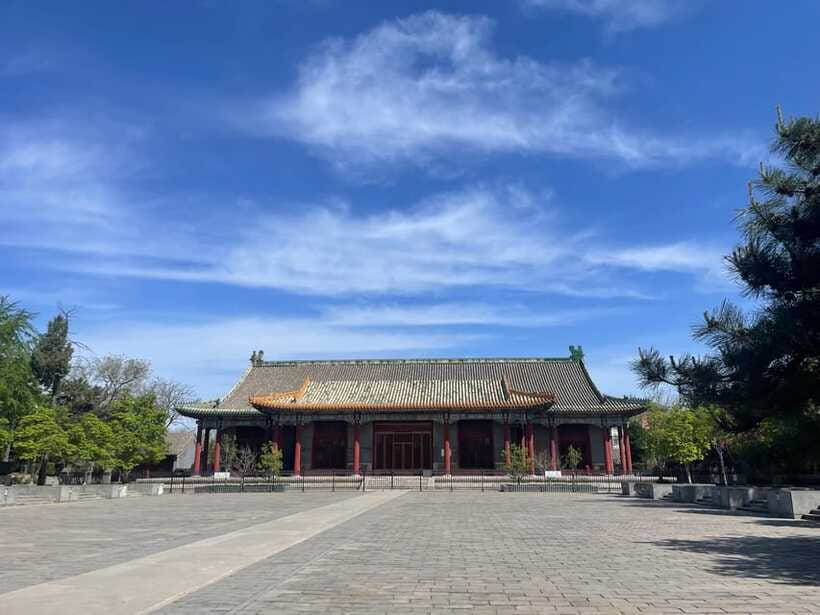
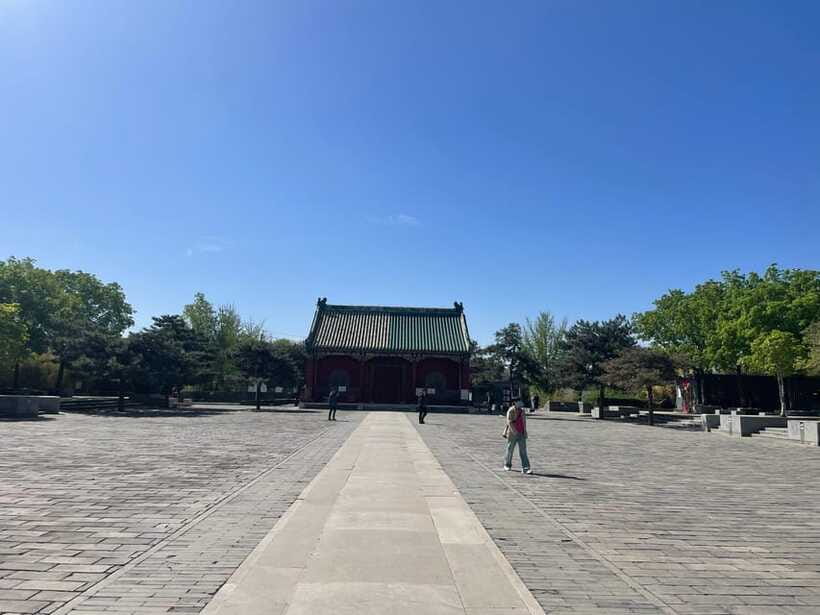
A big reason this feels authentic is the way the lesson is staged. The class takes place in a local hutong area, inside the Pudusi inheritance setting near the Forbidden City. When there’s a tea start, the flow can shift from the hutong tea home to a nearby park with a temple where the master meets you for kungfu practice.
That temple-side setting isn’t just pretty. It reinforces the message: traditional kungfu grew up in communities tied to temples, courtyards, and daily routine. You don’t have to romanticize it. You just benefit from the atmosphere that makes the instruction feel grounded.
If you’re the type who likes linking your hands-on activities to the geography, you’ll enjoy this. You’ll be training where Beijing’s old fabric still shows through.

Price and value: what $45 gets you in Beijing
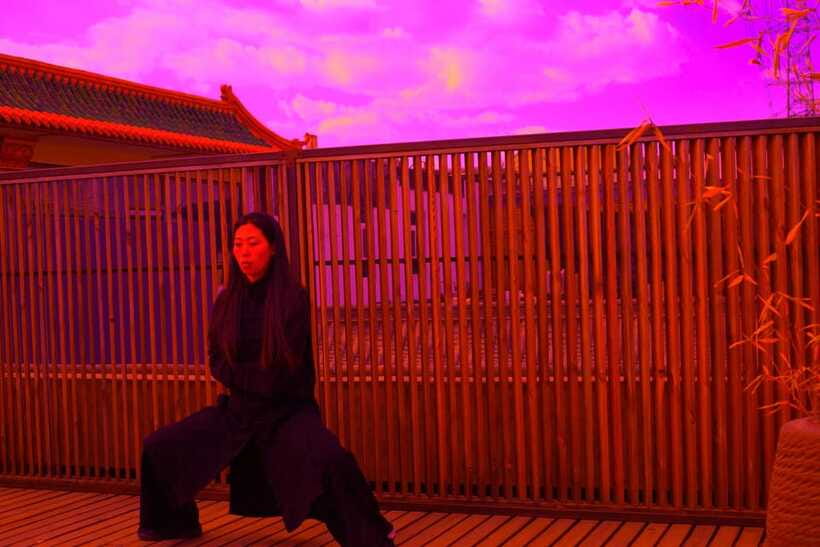
The listed price is $45 per person, and for Beijing, it’s a pretty solid value when you compare what’s typically offered in tourist-heavy areas.
Here’s what your money covers, based on what’s included:
- A professional kungfu master
- Shaolin kungfu and different traditional styles (as taught in the class)
- Practical use of kungfu technique, including self-defense focus
- English host/greeter and translation support
What pushes value higher is the teaching format. Several participants mention getting individualized attention, including one-on-one sessions, plus strong translation and video follow-ups afterward. That’s not guaranteed in every situation, but it shows the program is designed to communicate clearly and help you retain what you learned.
Also, you have an optional uniform angle. You can practice in traditional kungfu clothing (outer and inner pieces plus pants are mentioned), and if you want to buy, the team helps with size and color. Even if you don’t buy, the chance to practice in authentic attire can make the lesson feel more real.
Is $45 cheap? It’s not the absolute bottom. But for a teacher-led, translation-supported, hands-on cultural experience in a historically significant location, it’s fair.
Logistics that actually matter: time, clothes, and comfort
The active kungfu class is about one hour. The broader “3 days” duration you see in the listing typically means your travel window for booking options, not that you train for three full days. So if you want long training blocks, you may need to look for a different option.
Clothes matter. Multiple participants recommend bringing an extra t-shirt to change afterward, because the practice is hands-on. You don’t need fancy gear. You do need comfortable clothes that let you move without worrying about restrictions.
If you’re doing the tea ceremony too, plan for a slightly longer morning flow. Tea first can set a good pace, but it changes how quickly you’ll be able to sprint off to your next sightseeing stop.
One more tip: keep your schedule flexible if you can. There’s evidence the team can accommodate start times and reschedule if someone is late, which reduces the stress factor when Beijing traffic or your walking route runs wild.
Who should book this class—and who should skip it
This is a great fit if you want:
- A first introduction to traditional kungfu with practical self-defense concepts
- A chance to practice in an authentic hutong/temple setting near major Beijing landmarks
- English support through a host/greeter and translator so you understand what’s happening
- A cultural pairing with tea if you like starting calm and ending active
I’d steer someone away from booking if:
- You’re an advanced martial artist expecting long, intensive training sessions and high-level sparring (the lesson is focused on basics and application)
- You hate hands-on learning and prefer watching from a distance (this is training, not viewing)
Families can also like it, since hosts are described as accommodating, including with kids—though of course kids’ comfort with movement and instruction pacing will vary.
Should you book this Chinese kungfu class?
If you’re in Beijing and you want more than photos, book it. You’re getting a professional teacher-led introduction, English translation help, and a location that connects kungfu tradition to the real geometry of old Beijing. The short one-hour structure is the only real trade-off, but it’s also why the class works well as a highlight without stealing your whole day.
My decision rule is simple: if you want a meaningful cultural activity that ends with you knowing a few basic movements and principles you can repeat later, this is a strong yes.
If you want a full martial arts training program, treat this as step one, not the whole journey. Take what you learn, practice after you return home, and look for longer sessions if you still love it.
FAQ
How long is the kungfu class?
The kungfu training itself is about one hour.
Where does the class take place?
The class is held in a local hutong area, inside the Pudusi inheritance compound, located right beside the east gate of the Forbidden City.
Is the class taught in English?
Yes. The experience includes an English host/greeter, and translation is available so you can follow along.
What kungfu styles are included?
The instruction includes Shaolin kungfu and different traditional Chinese kungfu forms, taught along with practical use of techniques.
Is tea ceremony included?
Some schedules pair the activity with a traditional Chinese tea ceremony at Bayi Teahouse, depending on what you book.
What’s the cancellation and payment policy?
You can cancel up to 24 hours in advance for a full refund, and you can reserve now and pay later.