REVIEW · CHENGDU
Leshan Giant Buddha & Huanglongxi/Buddha Temple Day Trip
Book on GetYourGuide →Operated by NewPanda Trip · Bookable on GetYourGuide
One statue, three rivers, and a big wow factor. I love how the Leshan Giant Buddha turns into a real place you can study, not just a photo. I also love the flexibility with an English-speaking guide so you can choose the sightseeing style that fits you, like a boat cruise versus walking. The main drawback to plan around is that you’re on your feet (and lunch isn’t included), so you’ll want good shoes and a snack strategy.
From Chengdu, the day mixes temple culture, Leshan street food, and river views, with hotel pickup and drop-off so you’re not wrestling transit. You’ll also get one of two classic add-ons: Giant Buddha Temple first, or Huanglongxi Ancient Town later for preserved old-street China.
I think this trip works best when you want an efficient, guided day that still leaves space to slow down and look. If you need minimal walking, it may not be the right fit since the tour involves walking and isn’t listed as suitable for mobility impairments.
In This Review
- Key things I’d prioritize on this trip
- Why the Leshan Giant Buddha feels different in person
- Getting from Chengdu to Leshan: comfort, timing, and less hassle
- Snack street and the Winter Swimming Plaza: where the day turns fun
- The Giant Buddha tour: boat cruise or walking route
- The boat option (shorter, scenic, and great for first impressions)
- The walking option (longer, closer, and more detailed)
- On-site tickets and that renovation note
- Giant Buddha Temple vs Huanglongxi Ancient Town: choose your second mood
- Package A: Giant Buddha Temple
- Package B: Huanglongxi Ancient Town
- What’s included (and what you’ll plan to pay for)
- Practical tips that make a real difference
- Wear shoes you can trust
- Bring some cash
- Weather matters
- Don’t forget the passport info step
- No pets
- Guide quality: why it matters more than you think
- Price and logistics: is $188 worth it for a one-day plan?
- Who should book this day trip (and who should rethink it)
- Should you book this tour?
Key things I’d prioritize on this trip
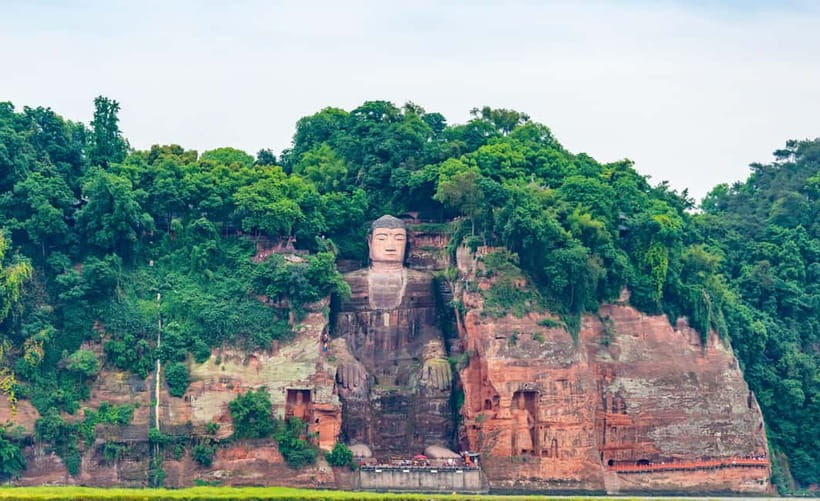
- UNESCO Giant Buddha views from both the temple area and the river approach
- Boat cruise vs walking (about 1.5 hours by boat, or roughly 3 hours on foot) based on your comfort
- Leshan snack street time so lunch is basically a choose-your-own-adventure
- A second stop that matches your mood: Zen at Giant Buddha Temple or history at Huanglongxi Ancient Town
- Hotel pickup/drop-off with admission fees included so the day stays simple
Why the Leshan Giant Buddha feels different in person
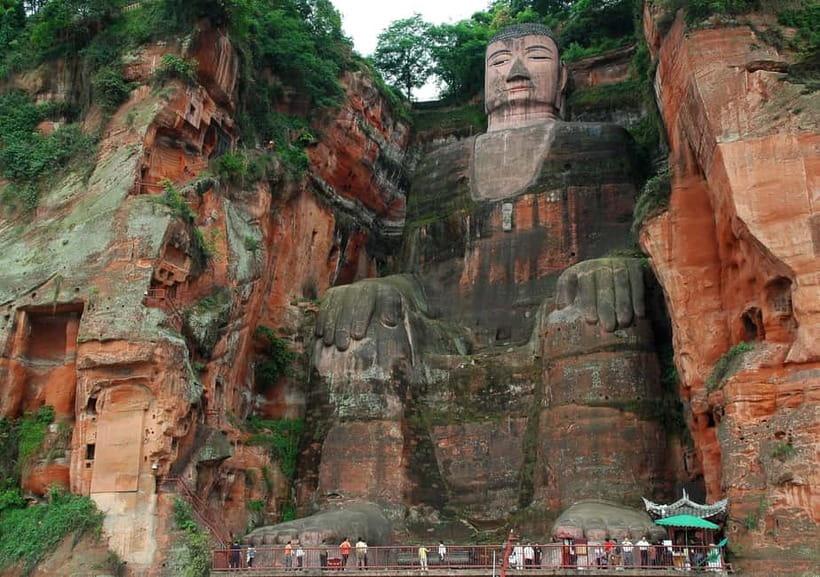
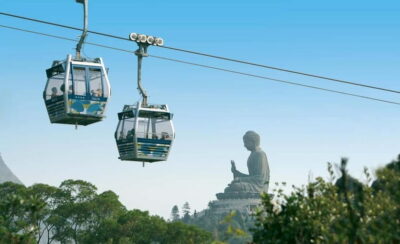
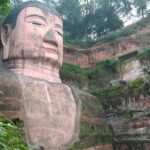
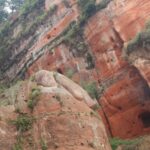
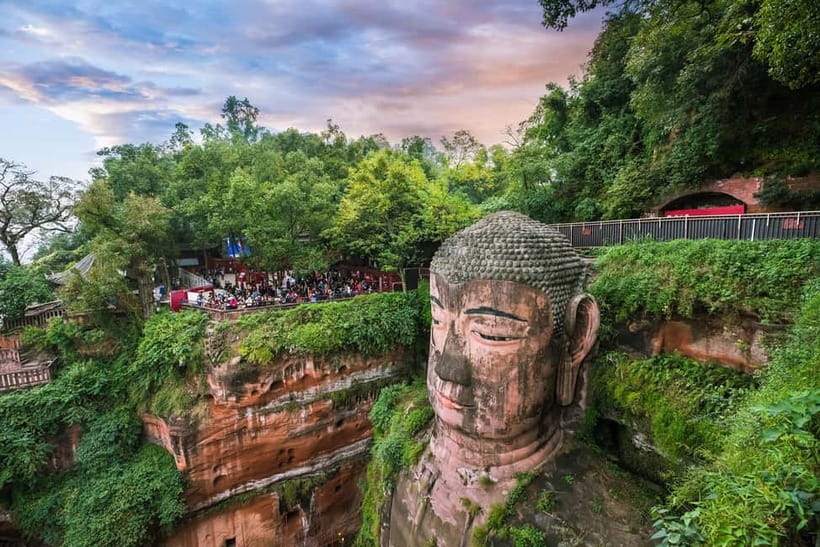
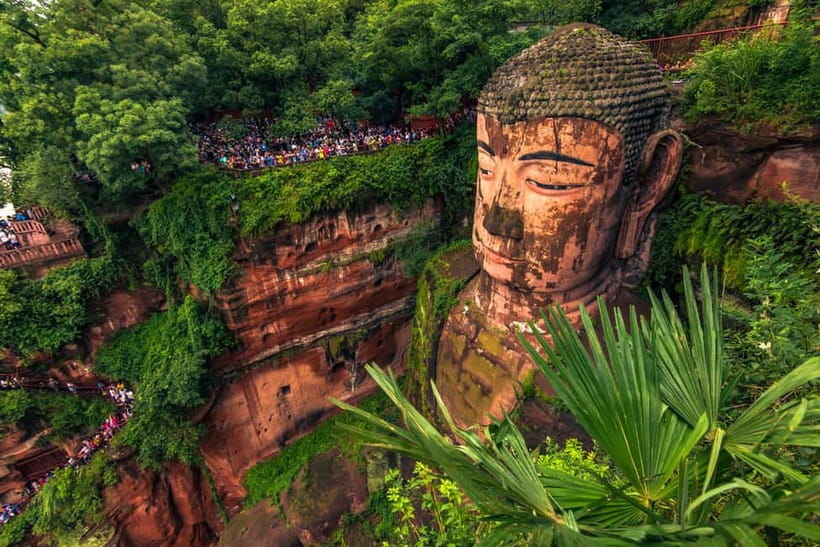
The Leshan Giant Buddha is UNESCO-listed, and the scale is the first shock. This 71-meter stone Buddha is carved from red sandstone and set at the confluence of the Min, Qingyi, and Dadu rivers, so you’re not just looking at a monument—you’re looking at it in the place it was meant to be seen.
What makes it more than a postcard is the kind of attention the site asks for. You can spot the human-like details that don’t read as “giant” once you’re close: long ears and famously long fingers. It’s easy to lose time staring up at features that feel almost absurd in size, especially when the river air changes the lighting as you move.
And because the area has faced pollution and weathering over time, restoration work matters here. Even if you don’t chase every technical detail, you’ll feel that the site is actively cared for, not frozen in time.
You can also read our reviews of more tours and experiences in Chengdu.
Getting from Chengdu to Leshan: comfort, timing, and less hassle
You start with pickup from downtown Chengdu (including the Chunxi Road Residential District). A staff member meets you in the hotel lobby holding a paper with your name, and the trip runs as a private group with private transportation—so you’re not waiting around for other schedules.
For me, the value of this kind of setup is straightforward: the drive is part of the day, and you don’t want to spend your best daylight figuring out buses, tickets, or where the drop-off actually is. The guide is in the loop too, which helps when you’re coordinating boat time versus walking time.
The tour is built around one day, so plan to be ready for a full schedule. Even if you take the boat option, you’ll still spend time moving between areas, and the day includes multiple stops rather than one long museum-style session.
Snack street and the Winter Swimming Plaza: where the day turns fun
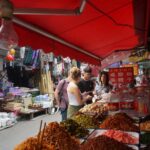
Leshan’s street food is not a side quest here—it’s part of how the day stays enjoyable between the big sights. If you choose the package that goes to the ancient town, you’ll head first to the snack street in downtown Leshan. The time block is about an hour for street food and food market browsing.
Here’s the practical point: lunch isn’t included, so you get to eat what you actually want. That’s a big deal on a one-day trip, because “included lunch” often means rushed set meals. Instead, you can sample multiple snacks and crêpes/ice-type treats if that’s your thing, while keeping lunch flexible.
Right next to the snack area, you get a short walk at the Leshan Winter Swimming Plaza. This is a smart setup stop because it gives you an overlook—an easy way to see the Giant Buddha in your mind before you commit to the main viewing route. On a clear day, that perspective can completely change how you understand the later angles.
The Giant Buddha tour: boat cruise or walking route
This is the core of the day, and you get real choice. You can pick a walking tour (about 3 hours) or a boat tour (about 1.5 hours) depending on your stamina, and you communicate with your guide about what you prefer.
The boat option (shorter, scenic, and great for first impressions)
The boat cruise is a strong choice if you want maximum “wow” with less time on sidewalks. From the river, the Buddha reads differently: you get a broader sense of how the statue sits in relation to the water and the valley. It’s often the best way to understand why the rivers matter to the site.
If you love photographs, the boat time tends to give you angles you can’t recreate as easily from land. Even in casual photos, it looks more dramatic because the Buddha feels framed by the river space.

The walking option (longer, closer, and more detailed)
Walking takes more stamina, but it gives you time to study the Buddha as a sculptural object. If you like slow looking—especially at carving details and the way the scale changes as you move—then walking is the route that rewards you.
Just know walking is part of the reason this trip isn’t listed as suitable for mobility impairments. Comfortable shoes matter more than you’d think, especially if you’re doing the full route.
On-site tickets and that renovation note
One scenic spot ticket or cruise ticket is included in the package. Also keep in mind that the Leshan government was renovating the right side of the Giant Buddha before April 30, 2025, which can obscure part of the view during that period. If your dates overlap that timeframe, plan to accept some blocked angles and focus on the areas that remain open.
Giant Buddha Temple vs Huanglongxi Ancient Town: choose your second mood
Your second major stop depends on which package you choose.
Package A: Giant Buddha Temple
If you’re heading to Giant Buddha Temple (in the eastern suburbs of Emeishan City), you start with Zen temple atmosphere and big architecture. It’s described as the largest Zen temple in Asia and also serves as a gateway to Emei Mountain, so the feeling here is tied to pilgrimage as well as tourism.
This option is best when you want a cultural anchor before you hit the river monument. The temple setting can also help you interpret what you’re seeing later, because the day isn’t only about “how big”—it’s about how people relate to the place.
Package B: Huanglongxi Ancient Town
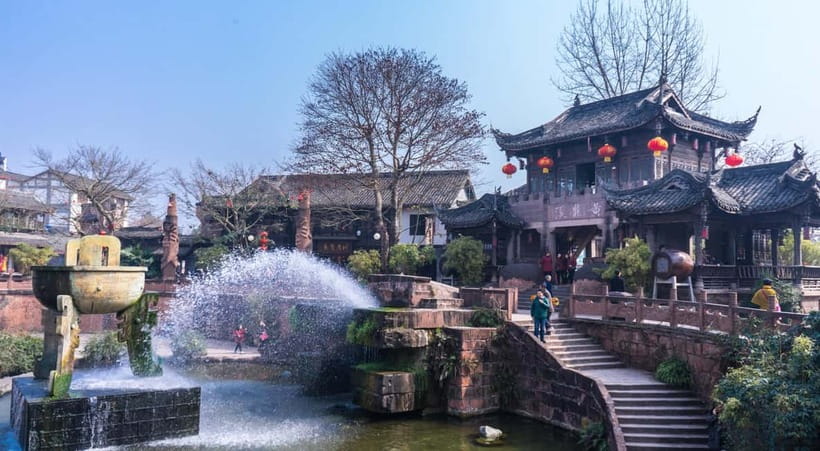
If you pick Huanglongxi Ancient Town, you’re trading temple gateway energy for old-street China. The town has over 2,100 years of history and features preserved Ming and Qing architecture, including seven ancient streets.
What I like about this choice is how it adds human-scale scenes. There are three temples in the central street and plenty of cultural relics, plus it’s known for folk activities like the Fire Dragon Dance. If the Giant Buddha is your “big monument” day, Huanglongxi becomes your “live in the streets for a bit” day—especially if you time it for sunset and the night view.
Huanglongxi also gives you a natural contrast to river scenery. The lighting shifts from outdoor stone monument to street rhythm and evening visuals, and the day feels less repetitive.
What’s included (and what you’ll plan to pay for)
The tour price is $188 per person, and the value comes from what’s bundled, not just the sightseeing itself. You get private transportation, an English-speaking tour guide in-person, travel insurance, and all scenic spot admission fees. You also get pickup and drop-off from your downtown area, which can be the difference between a calm day and a chaotic day.
Inside the day, you’ll have:
- Admission tied directly to the Giant Buddha site and the second attraction (either temple or ancient town)
- A guide who handles the flow so you’re not constantly checking what’s next
Not included:
- Lunch and dinner
- Optional golf car shuttle inside the Giant Buddha Scenic (15 RMB per person round-way). If you buy it, it can save about 30 minutes compared with walking.
- Personal expenses
That golf car detail is worth noting. Even if you plan to walk, having the option in your pocket can turn a tough day into a manageable one. If your walking route surprises you with longer distances, you’ll be glad it’s available on-site.
Practical tips that make a real difference
Wear shoes you can trust
This is a walking-inclusive day, whether you do the full walking route or split time across stops. Bring comfortable shoes—not just “cute but okay.” You’ll be glad you did when you’re moving between river viewing areas and temple or town streets.
Bring some cash
Cash is specifically recommended, and it’s smart for snack street purchases and any on-site add-ons like the golf car shuttle. Even if you plan to pay digitally for big tickets, street snacks often run more smoothly with cash.
Weather matters
You’ll see people taking photos in rain or wind because China’s weather doesn’t always cooperate. The tour runs based on a schedule that still needs outdoor time, so bring weather-appropriate clothing.
Don’t forget the passport info step
The operator asks for passport numbers and full passport names of all travelers more than one day in advance to purchase scenic tickets and travel insurance. If you want this trip to run smoothly, send that info promptly so there’s no last-minute scramble.
No pets
Pets aren’t allowed on this tour, so leave them behind if you’re traveling with animals.
Guide quality: why it matters more than you think
This trip succeeds when the guide turns “what you see” into “what you understand.” In the feedback you’ll see names like Nick, Amanda, Teresa, Kai, and Maggie connected with high satisfaction, and that usually points to good pacing and explanation.
One detail I really appreciate: guides don’t just recite facts. They help you choose the better mode—boat or walk—and adjust the day so you can actually see what you came for. That’s especially helpful if you’re short on stamina, or if you want to prioritize certain angles of the Buddha.
Even the driving gets credit when traffic gets stubborn. The experience is one day long; a smoother ride and a well-run schedule can make the difference between a memorable day and a day you just survive.
Price and logistics: is $188 worth it for a one-day plan?
For a one-day trip at $188, you’re paying for four big things:
1) private transportation from downtown Chengdu
2) an English-speaking guide who’s with you the whole time
3) scenic spot admission fees included
4) travel insurance included
If you tried to DIY this, you’d likely spend time coordinating transit, ticket lines, and schedule timing across multiple stops. The tour’s structure eliminates a lot of that uncertainty, which is exactly what you want when you only have one day in the region.
Could you do it cheaper on your own? Maybe. But you’d also trade away convenience, English guidance, and the ability to switch between boat and walking styles without stress. For many visitors, that trade is the real reason this kind of package works.
Who should book this day trip (and who should rethink it)
This is a great fit if you:
- want a guided UNESCO highlight without spending your whole day on logistics
- enjoy both monuments and everyday culture (snacks, streets, temple atmosphere)
- want the option to reduce walking time with a boat cruise
It may not be the right fit if you:
- have mobility impairments, since the tour involves walking and is specifically noted as not suitable
- hate walking at all and don’t want to consider a shuttle option inside the scenic area
If you’re traveling as a couple, solo, or small group and you want someone to handle the flow, this private group format makes sense.
Should you book this tour?
I’d book it if you’re coming to Chengdu with limited time and you want your day to feel organized, not improvised. The combination of Leshan’s Giant Buddha, a snack-focused break, and either Giant Buddha Temple or Huanglongxi Ancient Town gives you a full regional taste without rushing across too many unrelated stops.
Book it especially if you’re the type who wants real angles of the Buddha. If you’re unsure, I’d lean toward the boat option for your first viewing of the Giant Buddha, then use the rest of the day to slow down and look from land.
But if walking is a serious concern, take that seriously and consider the walking time involved—or look for a different format that matches your pace better.
If your dates overlap the renovation period noted for the Buddha’s right side (before April 30, 2025), go with a flexible mindset. You’ll still get a remarkable experience, just with some angles limited.