REVIEW · GUANGZHOU
Guangzhou Walking Tour To Explore The Old Xiguan Area
Book on Viator →Operated by SilkRoadTrips · Bookable on Viator
Old Xiguan feels close on foot. This 3.5-hour Guangzhou walking tour strings together the key corners of old Cantonese life, from Lychee Bay to Shamian Island, with a local guide setting the scene. I like that you don’t just see places—you walk through day-to-day streets, plus you’ll stop for a local snack.
The main drawback is simple: you’re doing a long-ish stroll, so wear good shoes and be ready for weather and street noise. Also, it’s not aimed at kids under 8, since the pace is very much “walk and look” for the whole route.
In This Review
- Key Highlights You’ll Actually Care About
- Why the Old Xiguan Walking Route Feels Different
- Price and What $89 Covers (And Why It’s Reasonable)
- Getting Started at Zhongshanba Station (Exit A, Line 5)
- Yong Qing Fang and Renwen Temple: Taoism Meets Everyday Streets
- Liwanhu Park: The Local Park Scene You’d Probably Skip
- Lychee Bay and Xiguan Old Houses: Old Guangzhou That Still Stands
- Yong Qing Fang to Shangxiajiu: Old Streets, Busy Markets, and Shop Signs
- The Snack Stop: A Small Cost, Big Payoff
- Shamian Island Finish: Old Houses by the Pearl River
- Walking Comfort, Timing, and Group Size Notes
- Should You Book This Guangzhou Old Xiguan Tour?
- FAQ
- How long is the walking tour?
- Where do I meet the guide?
- What time departures are available?
- What’s included in the price?
- Is the tour suitable for children?
- What are the cancellation rules?
Key Highlights You’ll Actually Care About
- Small group size (max 15) means more time to ask questions, not just shuffle forward.
- Two daily departures (9am and 2pm) helps if your Guangzhou day is short.
- Meet at Zhongshanba Station (Metro Line 5, Exit A) with a nameplate, so finding the guide is usually straightforward.
- Yong Qing Fang + Renwen Temple area blends Taoist temple sights with lived-in old-street energy.
- Lychee Bay and the Xiguan old-house lanes are the part that feels most like “old Guangzhou, still standing.”
- Shamian Island finish by the Pearl River gives you a calmer, photo-friendly ending.
Why the Old Xiguan Walking Route Feels Different
This tour focuses on one neighborhood story instead of spreading you across random highlights. You’ll spend your time in the Old Xiguan area—where older houses, older shop streets, and everyday routines still show up in the streetscape.
I also like that it’s built around walking. You naturally slow down when you’re following someone who can point out what you’d otherwise miss: the temple setting, the park habits, the shopfront details, and why people still gravitate to certain streets.
You can also read our reviews of more tours and experiences in Guangzhou.


Price and What $89 Covers (And Why It’s Reasonable)
At $89 per person, you’re paying for a guided 3.5-hour walk plus a few practical extras. Your ticket includes a local guide, bottle water, entrance fees, and a local snack.
That matters because entrance fees and a snack can quietly add up on a self-planned day. Here, you get a planned route and basic comforts baked in, which is great value when you only have a few hours in Guangzhou or you don’t want to play “guess the bus/train” while hungry.
Getting Started at Zhongshanba Station (Exit A, Line 5)
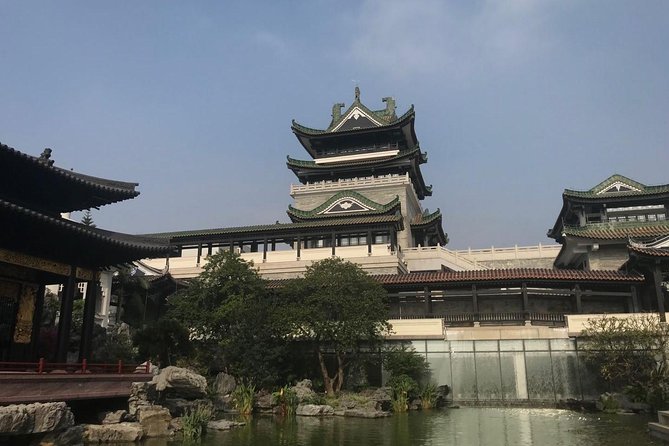
The meeting point is outside Exit A at Zhongshanba Station on Metro Line 5. You’ll meet the guide with a nameplate, then start walking from there.
If you’re staying in a central area, pickup is optional for Liwan, Yuexiu, Tianhe, and Haizhu districts. Drop-off is not included, so plan to finish near the end point on your own (the tour ends on Shamian Island).
Two departures run each day—9am and 2pm—so you can choose based on your energy and your other plans. If you’re on a short layover, the midday option can also help you avoid a too-early start.
Yong Qing Fang and Renwen Temple: Taoism Meets Everyday Streets
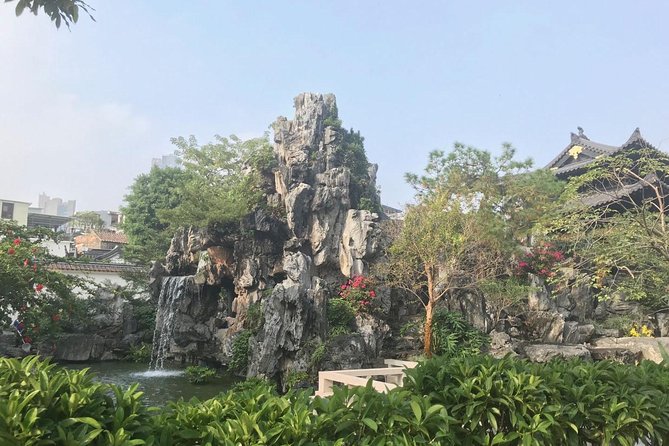
Your walk kicks off in the Yong Qing Fang area, where the first stop ties the sightseeing to local belief. You’ll visit Renwen Temple, described as a typical Taoism temple, and that’s the kind of context that makes the rest of the neighborhood easier to understand.
This part also sets the tone of the tour: the guide doesn’t treat temples as isolated “photo props.” You’ll move from the temple setting into nearby areas used by locals, including places that feel like they belong to the neighborhood’s daily rhythm.
One more thing I like: the guide experience. Guides such as Sunny, Stoney, and Mango are described as patient, funny, and strong with English. That combination makes it easier to ask the small questions that turn a walk into real understanding.
Liwanhu Park: The Local Park Scene You’d Probably Skip
From Yong Qing Fang, you head toward Liwanhu Park, where local people dance, sing, and play games. This isn’t a museum stop with a ticket line. It’s a living scene—people out in the open doing what they do on a normal day.
If you care about how cities feel, this is a good place to stop and watch. It also breaks up the walking, so it’s not just street-shopping and old lanes for hours.
A practical tip: because it’s park time, bring your camera instincts down a notch. Sometimes the best photos are the ones that show a moment without turning the park into a stage.





Lychee Bay and Xiguan Old Houses: Old Guangzhou That Still Stands
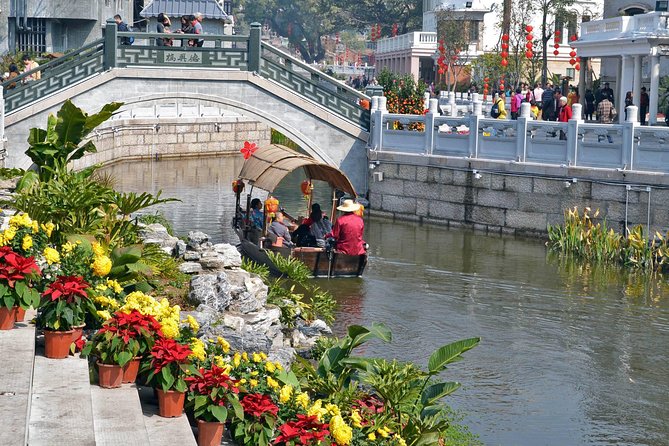
This is the heart of the “Old Xiguan” idea. You’ll see Lychee Bay and well-preserved Xiguan old houses, which used to be homes for wealthier families. The streets around here help you picture how the old city looked—less like a postcard, more like a lived-in neighborhood that never fully disappeared.
Your walk includes lanes such as Duobao Road and En’ning Road, which you’ll likely recognize (later) from how often people describe Cantonese street life. The guide’s background makes a difference here. Instead of treating the buildings as scenery, you’ll understand what they were built for and why the area stayed culturally important.
If you like atmospheric neighborhoods, this stop is the payoff. If you only care about landmark towers and big monuments, you may feel this is slower. But that slow pace is the point.
Yong Qing Fang to Shangxiajiu: Old Streets, Busy Markets, and Shop Signs
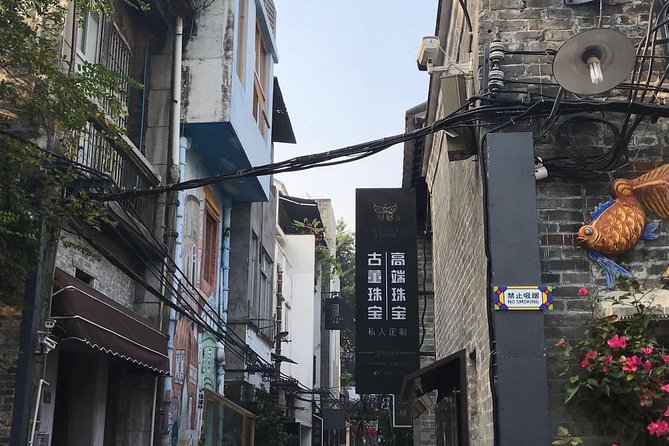
The route continues through classic street zones. You’ll pass through areas described as busy markets, old shops, and a snack street feel—plus the tour includes Shangxiajiu Pedestrian Street in the overall route.
This is where you get that “Cantonese street energy.” You’ll see how a neighborhood handles crowds, storefront signage, and everyday buying habits. For first-time visitors, this is often more valuable than another exterior photo of a major site.
Try to keep an eye on what the guide points out: older shop styles, street layout logic, and small details that hint at how these places worked in the past. A good local guide turns a chaotic street into something you can read.
The Snack Stop: A Small Cost, Big Payoff
You’ll taste a local snack at a local restaurant. That might sound like a small detail, but it’s one of the best parts of a short walking tour. It stops you from spending your limited time hunting for food that matches your schedule and tastes.
The tour also includes bottle water, which is not glamorous, but it helps when you’re walking for hours. For Guangzhou weather, hydration is part of the sightseeing.
One bonus from the guide experience you might appreciate: Mango is specifically mentioned as helping with practical needs like allowing use of a hotspot and waiting until a ride arrived. That’s not guaranteed, but it shows how hands-on some guides can be when the day gets hectic.
Shamian Island Finish: Old Houses by the Pearl River
The tour ends on Shamian Island, with a 30-minute stop in the island area. This part is described as a place with old houses near the Pearl River.
Shamian Island usually feels different from the earlier streets. It’s a good ending because you shift from market-like motion to a calmer streetscape where you can take your time looking. It’s also a smart finish if you need a clear point to jump back into your own plans—food, photos, or heading elsewhere by taxi or ride-hail.
If you’re the type who likes a nice final “exhale” after a busy walk, you’ll likely enjoy this ending.
Walking Comfort, Timing, and Group Size Notes
This is a 3 hours 30 minutes walking tour. Your pacing will depend on the group and the guide’s rhythm, but you should assume it’s active time, not a sit-and-stare tour.
It also has a maximum of 15 travelers, which is a sweet spot. Small enough to ask questions without shouting, large enough that the route stays organized.
The tour is not recommended for child aged 8 and under. That’s mostly a heads-up that you should expect steady walking and lots of street-level watching.
And yes—bring comfortable shoes. Old neighborhoods are worth it, but your feet need to keep up.
Should You Book This Guangzhou Old Xiguan Tour?
Book it if you want a short, guided walk through the older Cantonese side of Guangzhou, especially if you enjoy street life, traditional architecture, and local context. It’s also a strong pick for a layover day, because the route is concentrated and doesn’t require planning every transfer.
Skip it if you prefer major-ticket, monument-heavy itineraries, or if you know you don’t like walking through busy streets for hours. This tour is built for the people who like neighborhoods more than checklists.
FAQ
How long is the walking tour?
The tour lasts about 3 hours 30 minutes.
Where do I meet the guide?
Meet outside Exit A of Zhongshanba Station on Metro Line 5, with your nameplate.
What time departures are available?
There are two departures each day: 9am and 2pm.
What’s included in the price?
It includes a local guide, bottle water, entrance fees, and a local snack.
Is the tour suitable for children?
It is not recommended for children aged 8 and under.
What are the cancellation rules?
Free cancellation is available up to 24 hours in advance for a full refund. If you cancel less than 24 hours before the start time, the amount paid is not refunded.