REVIEW · XIAN
Half-Day Xi’an Biang Biang Noodles Cooking with a Market Visit
Book on Viator →Operated by Chilli Cool China · Bookable on Viator
Hand-pulled noodles start with spices. This half-day Xi’an class pairs a Muslim Quarter market walk with learning the exact rhythm of biang biang noodles in a traditional home setting. I like that you’re not just watching a chef; you gather ingredients, then make noodles with guidance, plus you get tea and beer with your meal.
The big plus is how “small” it feels, with a maximum of 15 people, so questions actually land. I also love that the price includes the full ingredient load, recipes, and food tasting, so you’re not doing math mid-class. One thing to consider: if you expect total one-on-one, every-person station cooking, you should ask how hands-on the format is, because one past participant felt it leaned more toward demonstration in their session.
In This Review
- Key Highlights I’d Prioritize Before You Book
- Xi’an Biang Biang Noodles: The Real Reason This Class Works
- Meeting at Sajin Bridge and Getting Into the Flow
- Muslim Quarter Spice Market: More Than a Quick Photo Stop
- What You Can Expect to Notice While You Walk
- Cooking at a Local Chef’s Home Courtyard: Tea, Beer, and Hands-On Steps
- A Practical Note on How Hands-On You’ll Be
- What You’ll Make (and Why the Ingredients Matter)
- The Meal at the End: Tea Now, Beer Later
- Price and Value: Why $75 Can Make Sense Here
- Who This Class Is Best For
- Vegetarian Option?
- Weather, Comfort, and Small-Group Reality
- Should You Book This Xi’an Biang Biang Noodles Cooking Class?
- FAQ
- How long is the biang biang noodles cooking experience?
- Where does the experience start and where does it end?
- What is included in the class price?
- Can I choose a morning or afternoon session?
- Is there a vegetarian option?
- How big is the group?
- Does the activity run in bad weather?
Key Highlights I’d Prioritize Before You Book
- Small group (max 15): Easier to ask questions and see what the chef is doing
- Muslim Quarter spice market stop: You’re choosing ingredients, not just eating them
- All ingredients plus recipes included: You can recreate the meal later without hunting for everything
- Traditional home cooking setting: The class happens in a local chef’s house/courtyard style
- Tea and beer included: You end with a proper meal, not a snack
- Morning or afternoon sessions: You can match it to your Xi’an schedule
Xi’an Biang Biang Noodles: The Real Reason This Class Works
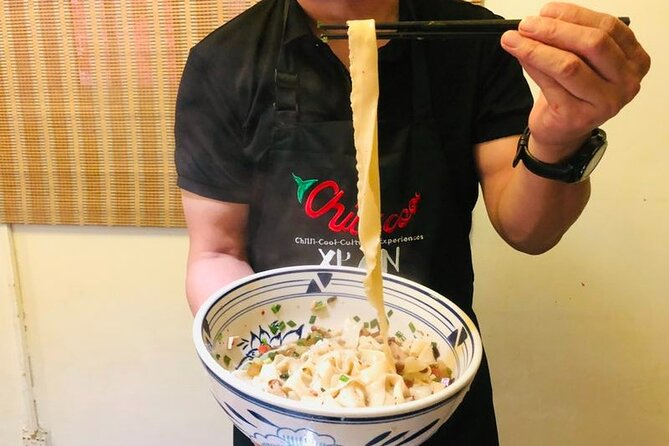
Biang biang noodles aren’t hard because they’re fancy. They’re hard because they’re specific. The “biang” part is tied to technique and feel—how the dough stretches, how it lands, and how the final texture holds up with the sauce.
I like that this class treats noodles as a craft, not a photo-op. You’ll visit a spice market first, which makes the later cooking make sense: you see what goes into the flavor, then you build it with your own hands. And since you’re given recipes afterward, you’re not stuck guessing what to do once you’re back home.
You can also read our reviews of more tours and experiences in Xian.
- Mini Group Xian Day Tour to Terracotta Army, City Wall, Pagoda and Muslim Bazaar
★ 5.0 · 1,320 reviews


Meeting at Sajin Bridge and Getting Into the Flow
The experience starts at Sajin Bridge (Sa Jin Qiao), in the Lian Hu Qu area of Xi’an, and it ends back at the same meeting point. That matters more than people think. If you’re short on time in the city, you want a tour that doesn’t peel you away from your day for hours of extra transit.
You’ll also receive confirmation at booking time and likely use a mobile ticket, which tends to keep things smooth when you’re moving around a city like Xi’an. The class runs about 3 hours 30 minutes, so it’s a half-day block you can plan around without wrecking your next meal or temple visit.
Muslim Quarter Spice Market: More Than a Quick Photo Stop
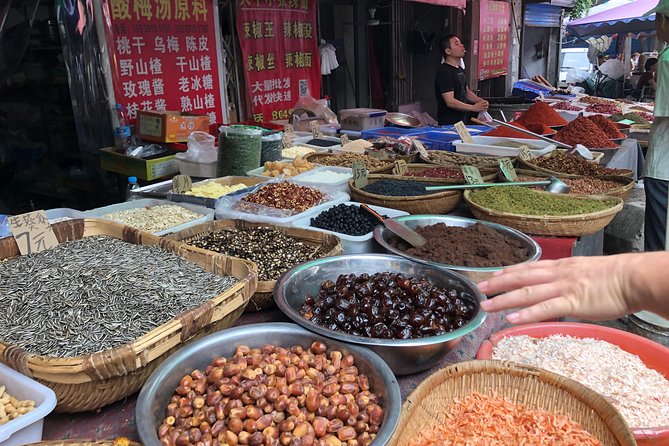
You head to the Muslim Quarter, and the spice market part is where your shopping skills get turned into cooking skills. You’ll explore the market and learn about different spices and ingredients that will show up in what you make later.
This is the portion I’d pay attention to, even if your Mandarin is limited. You’ll likely get fun “learn by doing” challenges, the kind that make you ask questions like why certain spices are used for certain dishes. One key benefit from the class format is the ingredient logic: when you taste what you chose, it’s easier to remember what you’re building.
Also, wear comfortable walking shoes. Markets mean uneven pavement, lots of standing, and quick stops.
What You Can Expect to Notice While You Walk
Spice markets can look overwhelming at first. Don’t worry. Your guide’s job is to help you connect labels to flavors and then connect flavors to the noodles.
If you’re a spice person, this is a joy. If you’re not, it’s still useful because you’ll learn what matters—what’s essential to Xi’an flavor style—and what you can taste immediately in the final dish.
Cooking at a Local Chef’s Home Courtyard: Tea, Beer, and Hands-On Steps
After the market, you cook in a traditional chef’s home setting. The class takes place in a courtyard-style home environment, which feels more local than the usual kitchen demo rooms you might see elsewhere.
You’re treated to local tea first. It’s not just a courtesy stop; it sets the pace. Tea also makes the whole thing feel like a visit to friends rather than a timed production.
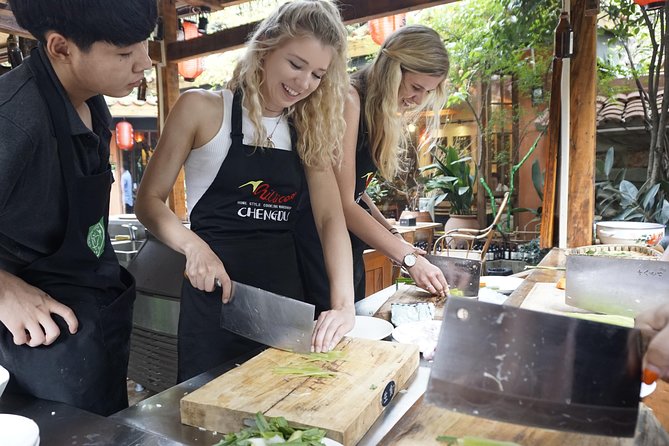
Then comes the main work: learning to make biang biang noodles with professional guidance. Several instructors are mentioned in past sessions, including Fiona and Lily (with Lily specifically praised for her spice and food knowledge and Fiona for clear English). Other sessions mention instructors like Michael and Bruce. Even when the instructor changes, the value stays the same: you learn technique, not just ingredients.



A Practical Note on How Hands-On You’ll Be
Most people come for the hands-on noodle magic, and many sessions sound very hands-on. Still, one past participant felt their session leaned more toward demonstration than everyone fully working at a personal station.
So here’s my practical advice: if your dream is fully hands-on, ask the operator what the class layout is like for your specific session (how much each person actually handles dough and pulling). That one question can prevent disappointment.
What You’ll Make (and Why the Ingredients Matter)
Biang biang noodles are iconic in Xi’an, but the class uses that fame as a starting point, not the finish line. You’re learning the noodles’ process and pairing them with flavors sourced from the market.
Because everything is included—food ingredients, recipes, and tea/beer/water—you’re not stuck improvising. And since the class includes food tasting, you’ll taste the result in a real way instead of only sampling a sauce.
In at least one session, you may also get some background on noodles in China. That kind of added context helps you remember the “why” behind technique. And once you understand why the sauce and spices fit the noodle texture, it’s easier to recreate at home.
The Meal at the End: Tea Now, Beer Later
This isn’t a class that ends with a tiny bite. After you cook, you eat what you made, typically with beer or other beverages. That’s a big deal for value. Instead of treating the class like a short demonstration followed by a separate dinner hunt, this one covers both.
So plan your day with that in mind. If you have a second meal scheduled right after, you might end up eating only half and then regretting your snack cravings later.
Price and Value: Why $75 Can Make Sense Here
At $75 per person, this class isn’t the cheapest food tour in Xi’an. But the price includes a lot that normally costs extra:
- Ingredients are provided, not just suggested
- Recipes are included so you can repeat the dish later
- Drinks are included (tea, beer, and water)
- You also get food tasting
- A meal is included based on your schedule (lunch or dinner)
When you add that up, you’re paying for a guided market experience plus a meal plus an actual cooking lesson. For many travelers, that’s a better deal than paying separately for a market guide, a cooking workshop, and then dinner.
Who This Class Is Best For
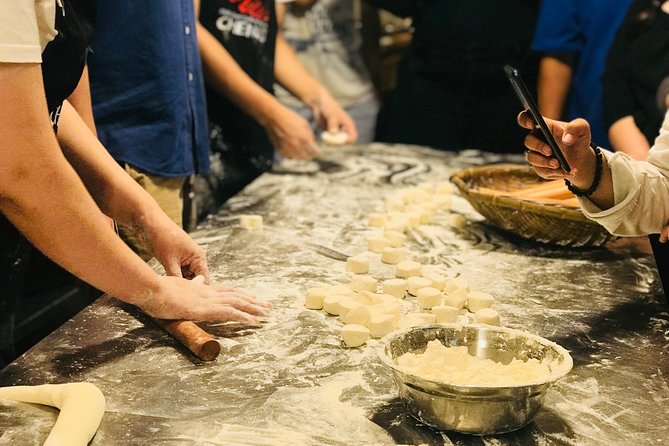
This is a strong fit if you want a hands-on cooking skill you can reproduce. If you’ve struggled at home with noodle stretching or you just want to learn a technique properly, this is the kind of class that helps you fix the common mistakes.
It’s also good if you like food travel that includes a story you can taste. The spice market portion makes the cooking feel grounded in local ingredients, not just a single dish presented in isolation.
It may be less ideal if you want a very loose, walk-around sightseeing day. This is focused: market first, then cooking, then you eat. You’ll get Xi’an food culture, but you won’t come away with broad city highlights.
Vegetarian Option?
Yes. A vegetarian option is available, and you should advise the operator at booking if that’s you.
Weather, Comfort, and Small-Group Reality
The experience is described as operating in all weather conditions, but like any outdoor market walk day, you should dress for reality. Bring shoes that can handle walking and possible damp patches.
Because the group max is 15 travelers, you’ll usually feel like you’re part of a working group instead of a crowd. That matters for noodle technique. With a big group, chefs can’t correct everyone. With a small group, you can get your questions answered in the moment.
Should You Book This Xi’an Biang Biang Noodles Cooking Class?
I’d book it if you want three things in one half-day: market ingredients, a real cooking lesson, and a meal that’s worth eating slowly. You’ll get the chance to learn from experienced instructors (including names like Fiona, Lily, Michael, and Bruce in past sessions), and you’ll leave with recipes instead of only memories.
I’d think twice only if you’re the type who needs full personal station control at all times. If that’s you, ask how hands-on the format is for your specific session.
If you’re curious about Xi’an food and you want to come home with a technique you can actually repeat, this is a smart use of time—and a very fun one.
FAQ
How long is the biang biang noodles cooking experience?
It runs about 3 hours 30 minutes (approximately).
Where does the experience start and where does it end?
The tour starts at Sajin Bridge (Sa Jin Qiao, Lian Hu Qu, Xi’an) and ends back at the meeting point.
What is included in the class price?
You get beverages/beer/tea/water, lunch or dinner based on the session time, food ingredients, food tasting, and recipes. All required cooking ingredients are included.
Can I choose a morning or afternoon session?
Yes. You can choose either a morning or afternoon session.
Is there a vegetarian option?
Yes. You can request a vegetarian option at booking.
How big is the group?
The class has a maximum of 15 travelers, which helps keep it more intimate.
Does the activity run in bad weather?
It operates in all weather conditions, but if it’s canceled due to poor weather, you’ll be offered a different date or a full refund.




More Tour Reviews in Xian
- Mini Group Xian Day Tour to Terracotta Army, City Wall, Pagoda and Muslim Bazaar
★ 5.0 · 1,320 reviews