REVIEW · LHASA
6 Days Central Tibet Culture Small Group Tour
Book on Viator →Operated by Tibet Vista · Bookable on Viator
Lhasa hits hard, then rewards you slowly. This 6-day Central Tibet culture tour links Lhasa’s sacred sites with small-group pacing, so you can actually absorb the places instead of speed-walking them. You’ll also get scenic road time through high passes and nomad regions that make Tibet feel big in the best way.
I especially like the max 12-person group size and the way the tour uses a minibus to keep logistics simple. I also like the Tibet permit handling that the local operator advertises, with office support in Lhasa (and also Kathmandu and Chengdu for paperwork help).
One thing to keep an eye on: the details list some entrances as not included for certain stops, while the inclusions list also mentions admission fees. Before you go, confirm what you’ll pay on-site (and clarify which meals are actually covered), so there are no surprise costs.
In This Review
- Key things that make this tour work
- First day in Lhasa: acclimatize, then look up
- Potala Palace, Jokhang Temple, and Barkhor Street on Day 2
- Day 3: Dadong Village (instead of Drepung) plus Sera’s afternoon debate
- The road day to Shigatse: Gampala Pass and Yamdrok-tso views
- Gyantse Kumbum and Pelkor Monastery: the stop worth slowing for
- Day 5: Tashilunpo Monastery and the return via Yalong Valley
- What you’re really paying for: value at $829
- Group size, timing, and how to get comfortable at altitude
- Should you book this Central Tibet culture tour or skip it?
- FAQ
- How long is the tour, and when does it start?
- Where does the tour begin and end?
- Is pickup and drop-off included?
- What group size should I expect?
- Do I need to provide passport and visa information in advance?
- Is the Tibet permit included?
- Are entrance fees and meals included?
Key things that make this tour work
- Small group (up to 12) with an English-speaking Tibetan guide and a minibus
- Permit support built into the package, with local offices in Lhasa plus Kathmandu and Chengdu
- Classic Central Tibet anchors: Potala Palace, Jokhang Temple, Sera, Tashilunpo, plus major lake/pass viewpoints
- Real walking and religious rhythm on Barkhor Street with tea time and a kora-style stroll
- High-altitude pacing from day one, starting with rest in Lhasa instead of an immediate cram session
First day in Lhasa: acclimatize, then look up
Your tour starts with an airport or station pickup in Lhasa and a transfer to GangGyan Lhasa Hotel or your reserved hotel. Day 1 is intentionally gentle: you’ll check in, rest, and let your body catch up to the altitude. If you feel good, you can do a low-effort wander around Potala Square for photos with the fountain and views of the Potala area.
This “rest first” approach matters. Tibet travel is not just about sightseeing; it’s about breathing slower than you’re used to and avoiding the urge to rush. A good night’s sleep on arrival is one of the easiest wins you’ll get on the entire trip.
Practical note: Day 1 suggests you don’t rush into Lhasa attractions right away. I’d take that advice seriously and save your walking legs for the temple days.
You can also read our reviews of more tours and experiences in Lhasa.
Potala Palace, Jokhang Temple, and Barkhor Street on Day 2
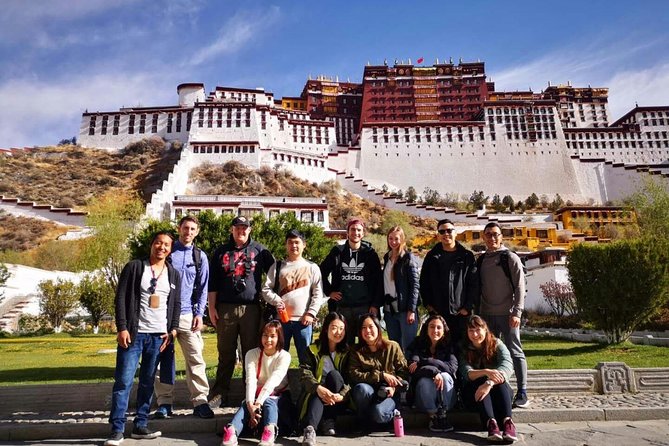
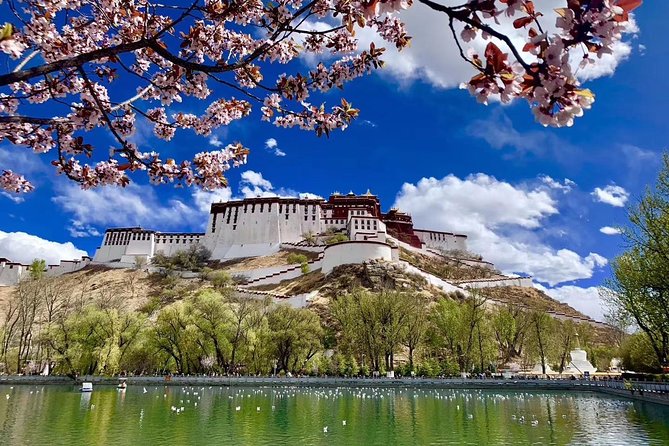
Potala Palace is the headline, and for a reason. You’ll visit the winter palace associated with the Dalai Lamas, and you can expect major sacred spaces like gilded burial stupas and a meditation cave tied to historic figures. The stop runs about 1.5 hours, and the entry ticket is listed as not included in the detailed day notes—so expect to budget for this one if it’s truly on you.
After lunch, the tour shifts to Jokhang Temple, the spiritual heart of Lhasa. You’ll see the Buddha Sakyamuni statue shown as a 12-year-old, plus you’ll be watching pilgrims prostrate outside the temple. That prostration culture is one of those things you can’t fake with photos—it’s slow, repeated, and deeply focused.
Then comes Barkhor Street, where the day turns practical and atmospheric. This is where you can join a kora loop around the temple with locals and pilgrims, poke through the old market area, and take a break with Tibetan tea in a tea house. A welcome dinner is also arranged to match the group’s meeting in Lhasa.
Balance check: this is a full, high-demand day—temples, crowds, and walking. If crowds make you nervous, plan to take a few short pauses instead of powering through every street.
Day 3: Dadong Village (instead of Drepung) plus Sera’s afternoon debate
Day 3 is interesting because it changes the usual script. The plan does Dadong Village and Nyimatang Monastery, and it explicitly states it will not go to Drepung Monastery. Dadong sits about 25 kilometers southwest of downtown Lhasa and is described as a well-protected ancient Tibetan village surrounded by valleys—so you get a slower, more rural rhythm.
At Nyimatang Monastery (built in the 11th century), you’ll get a monastery visit before a light village walk. A highlight here is lunch offered by a local Tibetan family, which can feel more personal than standard buffet-style touring.
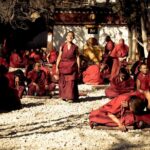
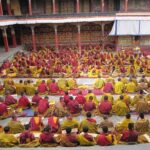
In the afternoon, you’ll head to Sera Monastery, one of the “great three” Gelug monasteries. The main attraction is the monks’ debate, typically around 3 to 5 in the afternoon. You’ll also have time to see a scripture printing house, plus sand mandalas and colorful Buddhist rock paintings.
Why this mix is good: it gives you two different Tibet experiences in one day. Rural village life and monastery practice aren’t the same story, and combining them makes the culture feel less like a checklist.
Altitude tip: by Day 3 you may feel more acclimated, but you’re still at high elevation. Plan on steady pace, water breaks, and avoiding long stretches without rest.
The road day to Shigatse: Gampala Pass and Yamdrok-tso views
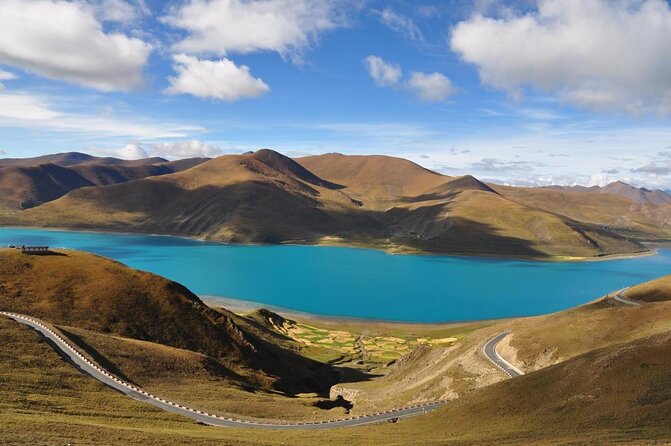
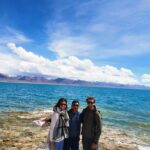
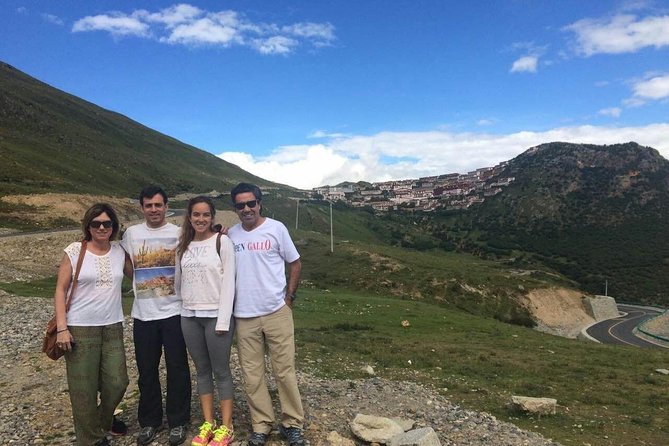
Day 4 is where the tour becomes a proper road trip. You’ll drive from Lhasa to Shigatse, going over Gampala Pass (about 4,790 m). Along the way, you’ll get glimpses of Yamdrok-tso (around 4,400 m), a lake surrounded by snow-capped mountains. The views direction is also specific: you can look toward Holy Mount Nyenchen Khangsar (7,191 m), which helps you read the terrain instead of just staring at it.
Later stops can include roadside glacier views around Karo La Glacier and a pass area where you hang prayer flags at Simila Mountain Pass. There’s also mention of Manak Dam Lake, so it’s not just one viewpoint—it’s a string of them.
You’ll then reach Gyantse, Tibet’s third largest city historically, and do a major monastery-and-stupa stop: Pelkor Monastery and Gyantse Kumbum, plus a far view of Gyantse Fortress. After about 1.5 hours more driving, you arrive in Shigatse.
One small realism note: long-distance driving at altitude can be tiring even when you’re comfortable in a minibus. Bring layers, because weather can swing quickly as you climb.
Gyantse Kumbum and Pelkor Monastery: the stop worth slowing for
Gyantse is often a “connector city,” but the Pelkor Monastery and Gyantse Kumbum stop is a strong reason to care. The Kumbum complex is meant for more than quick sightseeing; it’s a place where you’ll notice details because there’s so much structure to look at.
You also get a far view of Gyantse Fortress, which is a good way to understand how cities in Tibet historically positioned power and safety. Even from a distance, it helps the region feel less random.
If you want the most value from this stop, don’t rush through your photos. Take a moment to walk a bit, look up, and then come back down to street level. That quick shift is how the architecture starts to make sense.
Day 5: Tashilunpo Monastery and the return via Yalong Valley
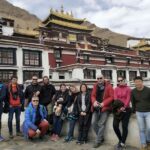
On the final full sightseeing day, you’ll visit Tashilunpo Monastery, described as the home of the Panchen Lama. You can see the well-preserved largest statue of Jampa (the future Buddha), and the monastery is tied to successive Panchen Lamas. Time here is about 2 hours, and entrance is listed as not included in the day notes—again, worth confirming.
After monastery time, you follow Yalong Valley back toward Lhasa. You’ll end with a hotel transfer in Lhasa.
This return drive is a good moment to rest your brain. Days in Tibet can stack up fast—temples, altitude, and constant “look at this” energy. If you can, use the ride to catch up on sleep rather than trying to photograph every meter.
What you’re really paying for: value at $829
The price listed is $829 per person based on double occupancy. That matters because single rooms have a supplement subject to availability, which can change your real bottom line.
So what is the value? In the info you get:
- Transportation by comfortable van or minibus with an experienced local driver (gas included)
- An English-speaking Tibetan guide
- Airport pickup and drop-off in Lhasa
- Hotels on twin-sharing, plus breakfasts (5)
- Tibet travel permit and other necessary permits
- Drinking water provided during the trip
- A Tibet handy map
- Liability insurance
Two flags to clarify before you book:
- Meal coverage is inconsistent in the provided details. The inclusions list mentions lunch and dinner, but the separate section says all lunches and dinners are not included. If you’re counting on meals being covered, message the operator and get it in writing.
- Entrance fees also look inconsistent. Some day notes say tickets are not included (like Potala Palace and Jokhang Temple), while another inclusions line suggests entrance fees are covered. Confirm which sites you’ll pay for on-site.
Also, the inclusions list mentions an Everest Base Camp Echo bus. Since this tour is focused on Lhasa, Shigatse, and high-altitude lake routes, I’d treat that as a documentation mismatch and verify it won’t affect your plan.
Group size, timing, and how to get comfortable at altitude
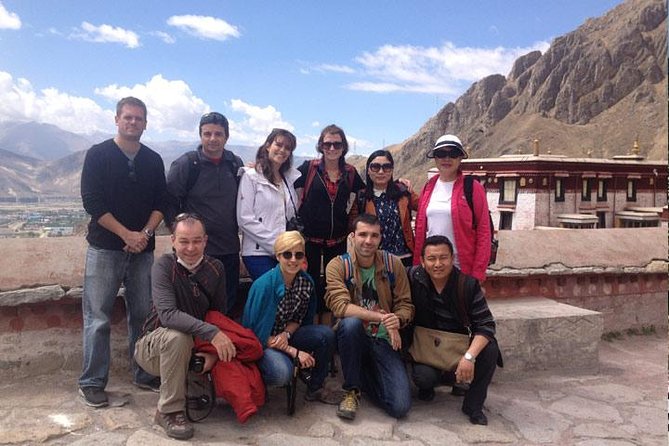
This is a small-group tour with a maximum of 12 people. That tends to mean less waiting around and easier questions for your guide. The guide is described as English-speaking and Tibetan, and past guide names connected to this kind of central Tibet touring include people like Lha Dup, Phurbu Tsering, Ngawang, Dechen, Tserina, Lhakdon/Lhak Don, and Kunchok—so you’re likely to get strong cultural context rather than just a route script.
Timing starts at 9:00 am, and you’ll be moving on most days. Pack for early starts and a lot of walking, plus layers for cold wind when you’re near passes and lake viewpoints.
A simple altitude strategy:
- Take Day 1 slow, like the plan suggests.
- Drink the provided water and avoid alcohol the first couple of days.
- If you feel headachy or nauseous, stop pushing sightseeing and rest.
You can’t “solve” altitude with willpower. You can, however, make the schedule work for you.
Should you book this Central Tibet culture tour or skip it?
Book it if you want a focused Central Tibet trip that balances major Lhasa temples, a monastery experience with an afternoon debate at Sera, and a road journey toward high-altitude lake and pass viewpoints (including the tour’s mention of Namtso Lake around 4,718 m). The small group size and guide support are a big part of why this can feel more human than the bigger bus-style tours.
Skip or at least verify details first if you’re strict about budgeting exactly what you’ll pay on-site. The provided information has contradictions around meals and entrance tickets for certain key sites. A quick confirmation email can save you money and stress.
If you’re comfortable traveling at altitude and you like religious sites that feel active (not just staged), this is a strong match. If you hate crowds and long driving days, you might find parts of this itinerary tiring—even with the minibus and the pacing built in.
FAQ
How long is the tour, and when does it start?
The tour runs for about 6 days and starts at 9:00 am. It ends back at the meeting point.
Where does the tour begin and end?
The tour begins in Lhasa (with airport or station pickup) and ends back at the meeting point, with drop-off assistance in Lhasa at the end.
Is pickup and drop-off included?
Yes. Airport pick up and drop off in Lhasa are included, and pickup is offered.
What group size should I expect?
This tour has a maximum of 12 travelers.
Do I need to provide passport and visa information in advance?
Yes. You’re required to provide photocopies of your passport and China L visas at least 20 days prior to travel.
Is the Tibet permit included?
The package includes Tibet travel permit and other necessary permits. The operator also advertises a 100% guarantee to get your Tibet permit for free.
Are entrance fees and meals included?
Entrance fees are inconsistent in the provided details. Some day notes list tickets as not included (for example, Potala Palace and Jokhang Temple), while the inclusions list suggests entrance fees may be covered. Meals also conflict in the details: the inclusions section mentions lunch and dinner, but another section says all lunches and dinners are not included. You should confirm which specific meals and entrance tickets are covered.