REVIEW · HONG KONG SAR
Hong Kong Street Food Tour with Locals – Dim Sum, Wonton & more
Book on Viator →Operated by Hong Kong Free Tours · Bookable on Viator
Hong Kong Central is a food maze, in the best way. This street food tour pulls you through the historic Chinese quarter with dim sum, char siu, and egg tart tastings guided by locals, plus stories that connect the food to the city. I love that you can skip the map work, and I also love that the food tastings are included, so you snack through key stops without constant decisions.
One possible drawback to plan around: it is not suitable for vegetarian, and halal food is not provided. Also, it’s a walking tour with a moderate pace, so bring comfy shoes and expect to move.
In This Review
- Key Highlights You’ll Care About
- Price and Value: Why $52.51 Feels Fair
- Where You Start and How to Find the Meeting Point
- The Group Size Sweet Spot (and Why That Matters)
- Stop-by-Stop: What You’ll Actually Taste and Learn
- Wing Lok Street Dim Sum: Har Gow in Bamboo Baskets
- The Dried Seafood Market Moment: Prosperity, Tradition, and Shock Value
- Sheung Wan Market + Cooked Food Centre: Cha Chaan Teng Classics
- Bonham Strand West History Stop: Trade Embargo to Financial Hub
- Possession Point for Char Siu: The Crackling-Skin Show
- Possession Street Egg Tart: Cantonese vs Portuguese
- Five Flowers Tea on Queen’s Road West: Herbal Brews and Balance
- Wonton Noodles in Queen’s Road Central: From Snack to Bowl
- Gilman’s Bazaar Chinese Tea House: Aged Pu-erh Tea Cakes
- Central Market Egg Waffle: Crisp Lattice, Creamy Center
- What Makes This Tour Feel Local (Not Like a Theme Park)
- The Biggest Practical Advice Before You Go
- Who Should Book This Tour
- FAQ
- FAQ
- How long is the Hong Kong Street Food Tour?
- What does the tour cost?
- What’s included in the price?
- What’s not included?
- Where do I meet the guide, and where does the tour end?
- Does the guide translate if I don’t speak Cantonese?
- Is this tour suitable for vegetarians?
- Is halal food provided?
- Do I need to walk a lot?
- What if the weather is bad?
- Is water included?
- Should You Book This Street Food Tour?
Key Highlights You’ll Care About
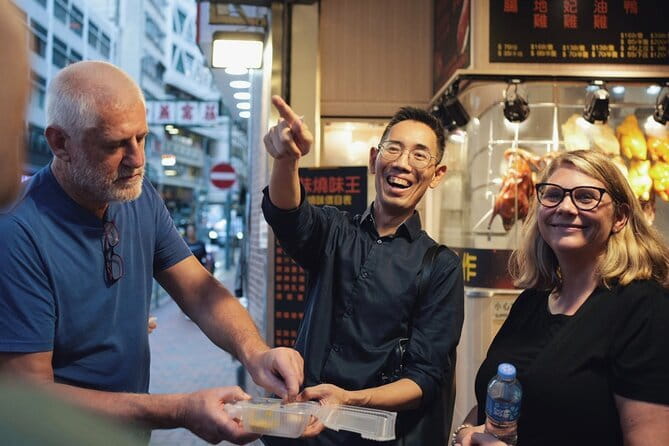
- A local guide routes you through Central and Sheung Wan so you’re not guessing where to eat.
- Street food tastings are included, covering sweet and savory classics like har gow, char siu, egg tart, and egg waffle.
- Food + history are tied together, from Cantonese street staples to Hong Kong’s trade-era shifts.
- Language support is built in, since the guide translates, which makes ordering easy.
- Moderate walking in 3 hours with about 20 people max, keeping it social but not chaotic.
- Teas are part of the show, including traditional herbal brews and aged pu-erh tastings.
Price and Value: Why $52.51 Feels Fair
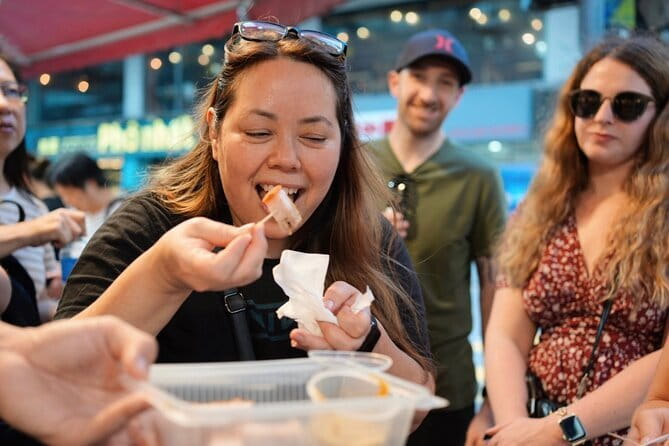
At about $52.51 per person for roughly 3 hours, the value comes from two things: a professional local guide and street food tastings that are spread across multiple classic stops. This isn’t a single sit-down meal where you order one dish and call it a day. Instead, you’re tasting your way through Hong Kong comfort foods and Cantonese snacks, plus teas, which is where group tours often shine.
You should still go in hungry. More than one guide-led experience on this route gives the same practical advice: plan for a big finish, not a small sampler. If you’ve already eaten a full lunch, you may feel “meh” about dessert stops later—because you’ll have to make room.
You can also read our reviews of more tours and experiences in Hong Kong SAR.

Where You Start and How to Find the Meeting Point
You’ll meet at Grand Millennium Plaza Garden, located at Queen’s Road Central, Sheung Wan, Hong Kong. The tour starts at 3:00 pm, and it ends at Central Market, 93 Queen’s Road Central.
This is great if you like walking into the neighborhood rather than waiting around. It’s also near public transportation, so if you’re arriving from anywhere in Hong Kong Island, you can usually connect without fuss.
One small tip: since the start point is in Central/Sheung Wan, you’ll want to give yourself a few extra minutes to orient. Queen’s Road is busy and pedestrian-dense, even when the tour group is small.
The Group Size Sweet Spot (and Why That Matters)
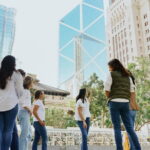
The tour caps at 20 people. That size keeps the walk manageable and helps the guide keep tabs on everyone. In a city where lines form fast at food stalls, smaller groups also mean fewer awkward delays.
You’re also not going to be shoved onto a bus between stops. It’s a true walking format with multiple short food moments, which is ideal if you want the alleyway feel of Hong Kong Central rather than a “grab and go” checklist.
Stop-by-Stop: What You’ll Actually Taste and Learn
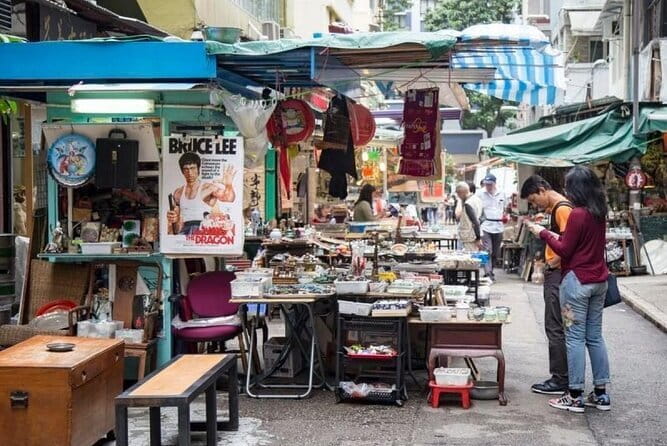
Wing Lok Street Dim Sum: Har Gow in Bamboo Baskets
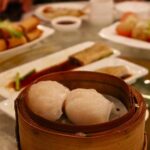
The first bite is all about har gow, steamed dumplings served in bamboo baskets. It’s delicate, bouncy, and very much a Cantonese signature. The tour frames this as something that evolved over centuries—linked to older trade routes and how food ideas traveled—then showed up in modern Hong Kong everyday life.
What I like about starting here: it sets the tone. You’re not starting with something you can easily find anywhere. You’re learning how dim sum works in real street conditions, where timing and texture matter.
If you’re sensitive to seafood flavors, note that dim sum shops often share kitchen space with other fillings. The tour doesn’t promise special dietary handling, so consider your comfort level ahead of time.

The Dried Seafood Market Moment: Prosperity, Tradition, and Shock Value
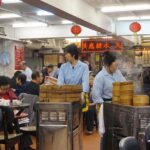
Next comes a quick look at the dried seafood market, where you’ll hear about famous Cantonese delicacies like shark fin, bird’s nest, and cordyceps. Even if you never plan to order those items, the context matters. The tour uses this stop to explain why these ingredients became tied to ideas of prosperity and how Cantonese cuisine shaped itself around what was available and valued.
This stop can feel intense for first-timers because the list sounds exotic. I’d call it an education stop as much as a tasting-adjacent moment. If you’re easily put off by strong odors in markets, you may want to take a quick breath and keep moving.
Sheung Wan Market + Cooked Food Centre: Cha Chaan Teng Classics
You’ll then get into the sweet spot of modern Hong Kong street eating: Cha Chaan Teng style food. The tour focuses on classics such as milk tea and crispy peanut butter French toast.
This is one of those stops that explains why Hong Kong food is so addictive. It’s not just Cantonese tradition. It’s also a clever postwar remix of Western comfort food with local tastes and techniques.
If you’re the type who loves trying drinks as much as bites, you’ll be happy here. Milk tea is one of those flavors that tastes familiar but not the same as what you may have tried elsewhere.
Bonham Strand West History Stop: Trade Embargo to Financial Hub
Between food stops, you’ll walk through Bonham Strand West, where you’ll hear a historical story tied to the 1953 Korean War trade embargo on China and how it forced merchants to reinvent Hong Kong. The guide connects the idea of scarcity and improvisation to the city’s shift toward finance—turning rough-and-ready instincts into more formal systems.
This is not a museum lecture. It’s brief, in-the-streets history, using real places to explain how Hong Kong became Hong Kong.
It’s also a nice break from purely sensory stuff. If you’ve ever wished your food tour had more “why this exists,” this section helps.
Possession Point for Char Siu: The Crackling-Skin Show
The tour heads to Queen’s Road West and references Possession Point, a place linked to the British claim of Hong Kong in 1842. You’ll watch Cantonese BBQ masters create char siu, known for its shiny, crackling skin and sweet-savory glaze.
Char siu is the kind of food that turns “street snack” into something you’d want to order again on your own. The walk-through makes the technique feel less mysterious. You understand why the outside sets up the way it does and why the timing is everything.
Practical note: smoky aromas are part of the experience here. If you dislike barbecue smells, you may want to keep a buffer of distance when the crowd thickens.
Possession Street Egg Tart: Cantonese vs Portuguese
Then it’s dessert time at Possession Street with Hong Kong egg tart. The tour explains it as a Cantonese lard-pastry innovation and distinguishes it from Portuguese custard cousins.
This stop is a lesson in how food styles can look similar but taste meaningfully different. The egg tart hits with a crisp crust and a smooth, custardy center—comforting, not heavy.
If you’ve had egg tarts before, I still recommend trying this version. Hong Kong egg tarts have a particular balance—sweet enough to feel like a treat, but not so sugary you lose the custard.
Five Flowers Tea on Queen’s Road West: Herbal Brews and Balance
Next you’ll sip a traditional herbal brew, described as Five Flowers tea, tied to “toxin-clearing” beliefs and Traditional Chinese Medicine’s focus on balance for Hong Kong’s climate.
This is one of those moments where you learn that drinks in Hong Kong aren’t just beverages. They’re part ritual, part wellness philosophy, and part social experience.
Taste-wise, herbal teas can be earthy or floral depending on the mix. If you prefer sweet drinks only, this might be an acquired taste. I’d treat it as a short “try it once” moment, not a forever commitment.
Wonton Noodles in Queen’s Road Central: From Snack to Bowl
At Queen’s Road Central, you’ll sample wonton noodles, with a story that ties wontons to older snack culture and a modern hearty bowl. You’ll hear about shrimp-packed dumplings served in amber monkfish broth and how refugee chefs reinvented culinary traditions.
This stop is especially satisfying because it shifts you toward something warm and grounding after sweet bites. The dumplings and broth combo is built for appetite.
If you’re seafood cautious, this is the place where you’ll want to read your comfort level carefully. The tour framing clearly mentions shrimp and monkfish broth.
Gilman’s Bazaar Chinese Tea House: Aged Pu-erh Tea Cakes
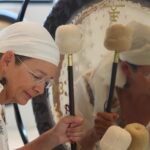
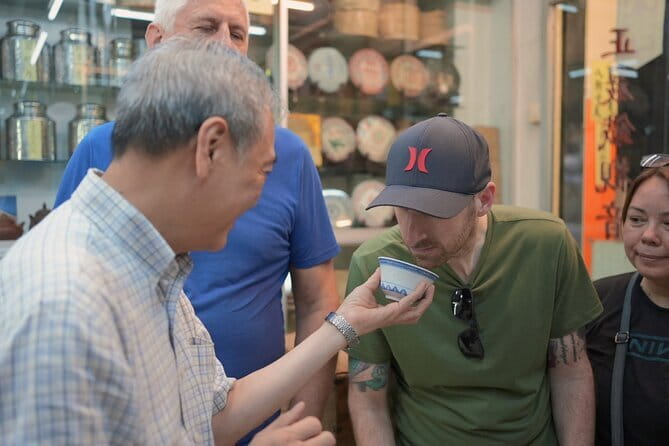
In Gilman’s Bazaar, the tour takes you to a Chinese tea house where you’ll learn ritual brewing using aged pu-erh tea cakes in unglazed clay pots. The tour notes tea cakes can involve serious money—handling HK$80,000 aged pu-erh tea cakes—and explains how flavor layers show up over multiple infusions.
You’re not just sipping. You’re watching a process. That’s a big difference between “tea as a beverage” and “tea as craft.”
What I’d suggest: if you’re a tea person, you’ll love this stop. If you’re not, it still works because the brewing method gives the tea story structure. You can follow along without needing deep tea knowledge.
Central Market Egg Waffle: Crisp Lattice, Creamy Center
Finally, you’ll end at Central Market for Hong Kong egg waffle—also called a street waffle—described as born from 1950s ingenuity using leftover lard and cracked eggs. The tour explains why it’s known for a crisp lattice shell and creamy center.
This ending makes sense. It’s portable, it’s iconic, and it turns the walking tour into a “gift to yourself” moment.
If you’ve got a sweet tooth, this stop will feel like the reward. If you don’t, you can treat it as your final tasting and still leave full, not stuffed.
What Makes This Tour Feel Local (Not Like a Theme Park)
A food tour in Hong Kong can go two ways: either you eat a bunch of great food but learn nothing, or you learn a bunch of history but stay hungry. This one tries to connect the dots.
The guide’s job is not only translation. It’s choosing stops that explain how Hong Kong food evolved—through imperial-era dim sum roots, postwar culinary reinvention, and colonial-era turning points. That history layer makes each bite feel like it has context, not just flavor.
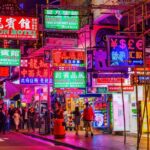
It’s also small touches that keep it real. The tour stays in the Central/Sheung Wan area, where street vendors, markets, and quick counters are part of daily life.
The Biggest Practical Advice Before You Go
1) Don’t eat a heavy meal beforehand.
I found that even a light snack can make the later dessert stops feel like a chore instead of fun.
2) Wear shoes for uneven sidewalks and quick turns.
The tour involves a moderate amount of walking. You don’t need to train for a hike, but you do need comfort.
3) Bring your water habit up to speed.
The tour details don’t list water as included. One guest noted no water was provided, so plan to grab water before or during the walk.
4) Decide early if you eat seafood.
Halal is not provided, and the tour is not vegetarian. If you avoid seafood, read the food plan closely, because several stops center on dumplings, broth, and dried seafood culture.
Who Should Book This Tour
You’ll likely love it if:
- You want a Hong Kong Central street-food experience without hunting for addresses.
- You enjoy both eating and short history stories tied to real neighborhoods.
- You like trying classic Cantonese snacks like har gow, wonton noodles, char siu, egg tart, and egg waffle.
- You’re open to tea stops, including herbal brews and aged pu-erh.
You should think twice if:
- You’re vegetarian (the tour is not suitable).
- You need halal options (not provided).
- You don’t handle herbal flavors well, or you strongly avoid seafood ingredients.
FAQ
FAQ
How long is the Hong Kong Street Food Tour?
It runs for about 3 hours.
What does the tour cost?
The price is listed as $52.51 per person.
What’s included in the price?
You get a professional local guide and street food tastings.
What’s not included?
The tour does not include hotel pick-up and drop off.
Where do I meet the guide, and where does the tour end?
You start at Grand Millennium Plaza Garden on Queen’s Road Central, Sheung Wan. The tour ends at Central Market, 93 Queen’s Road Central.
Does the guide translate if I don’t speak Cantonese?
Yes. The tour description highlights that you can enjoy a guide for translation, so language barriers are handled.
Is this tour suitable for vegetarians?
No. The tour is not suitable for vegetarian.
Is halal food provided?
No. Halal food will not be provided.
Do I need to walk a lot?
There is a moderate amount of walking, and the tour notes a moderate physical fitness level is recommended.
What if the weather is bad?
The tour is subject to favorable weather conditions. If it’s canceled due to poor weather, you’ll be offered an alternative date or a full refund.
Is water included?
Water is not listed as an included item in the tour details, so plan to get it separately.
Should You Book This Street Food Tour?
If you want a fun, efficient way to try a lot of Hong Kong classics in Central, I’d book it. The included tastings plus the guide-led routing are the big wins, and the history connections make the food feel more meaningful.
But be honest about your diet. This tour is set up for people who eat pork and seafood, not for vegetarian or halal needs. If that fits you, come with an appetite, wear good shoes, and plan to leave Central feeling like you’ve learned Hong Kong the way locals snack—one alley, one bite, one tea at a time.