REVIEW · BEIJING
Hutong Walking Tour: Discover Real Beijing without Crowds
Book on GetYourGuide →Operated by NEXTCITY · Bookable on GetYourGuide
Hutongs feel different with a guide. This small-group walk takes you through older Beijing and mixes in a few key stops that show how the city changed—plus a simple cultural thread you can follow long after you leave the alleyways. The route starts at Xisi Station and ends in a lively local area, so you’re not stuck pacing back to the subway.
I especially like how the tour explains the meaning behind what you see: siheyuan courtyards, big temple complexes, and the way old Beijing design still shapes daily life. And I like the people touch—guides such as Dee and Tracy (and sometimes Heidi or Eva) keep the pace easy and the stories clear, so you understand the why, not just the what.
One thing to consider: you’ll walk a decent amount, and only about half of the tour is actually in hutongs. If you came hoping for 2.5 hours of uninterrupted alley-wandering, this may not feel like it matches your dream version of a hutong tour.
In This Review
- Key things you’ll notice right away
- First stop: Xisi Station and how the day gets shaped
- Guangji Temple: a calm start with old Beijing scale
- Church of the Saviour: a surprising contrast inside local streets
- 正阳书局: shop like a local, not like a checklist
- Zhuanta Hutong: where you slow down and actually see life
- Temple of the Monarchs site: included entrance and the design lesson
- Local café break: your reset before the next temples
- Miaoying Temple: photo stop and the quieter kind of wow
- The complimentary Beijing drink: why this small extra matters
- Guides who change the whole quality of the tour
- Price and value: $49 for a real neighborhood day
- What to bring (and what to skip)
- Who should book, and who should reconsider
- Should you book this hutong walking tour?
- FAQ
- Where does the tour start?
- How long is the hutong walking tour?
- How much walking is involved?
- Is the tour mostly inside hutongs?
- What’s included in the price?
- What languages are offered?
- Is it suitable for wheelchair users or mobility impairments?
Key things you’ll notice right away
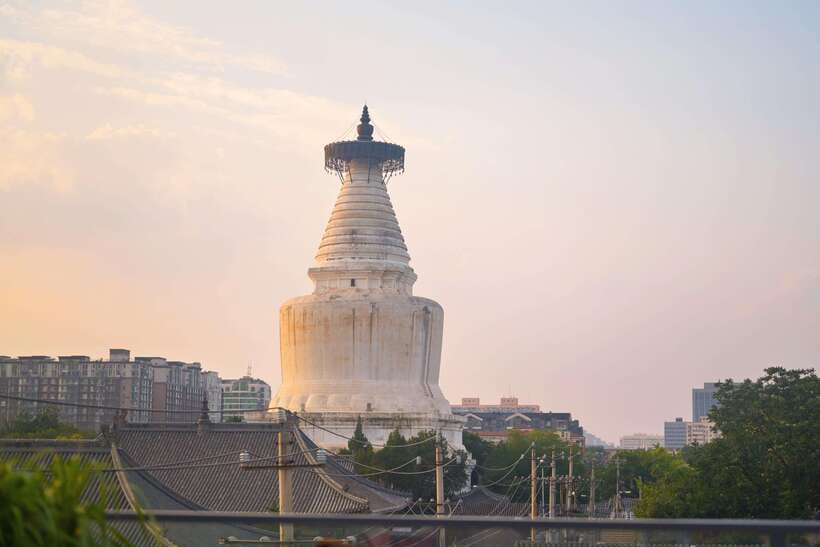
- Small group (up to 8): better questions, less waiting, more local pace
- Old vs. new Beijing contrast: hutongs with city growth in the background
- Architecture talk that sticks: courtyard homes and temple design made practical
- Faiths side by side: you’ll see both temples and the Church of the Saviour area
- A real break, not just photos: a local café stop plus a complimentary Beijing drink
First stop: Xisi Station and how the day gets shaped
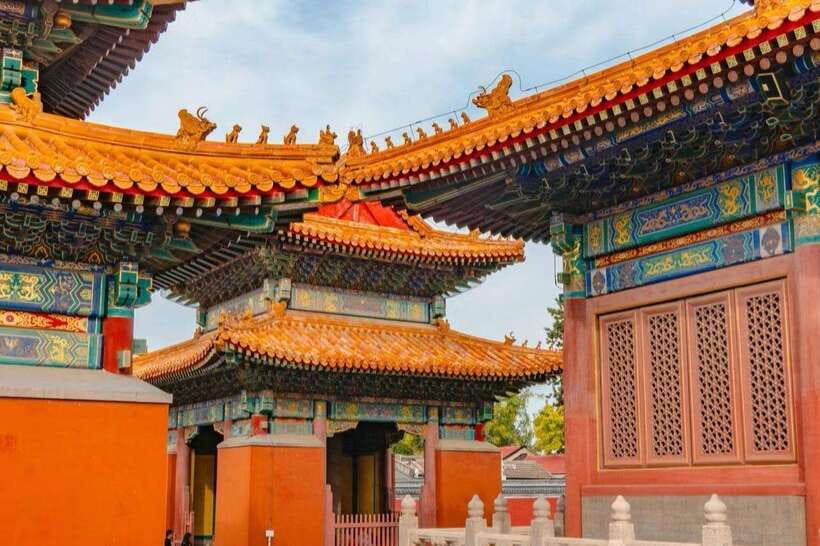
Start at Xisi Subway Station (Line 4), Exit D. That matters, because you’re not beginning in the tourist core—you’re stepping into the side of Beijing where locals actually move through the day. The meeting point is also easy to reach if you’re staying near central transport lines.
The tour runs for 2.5 hours with about 3 km of walking. That’s not a marathon, but it is enough that the small details count: comfortable shoes, a water bottle, and an easy sun hat on bright days. If you’re used to “museum pace,” think more like “neighborhood pace.”
You’ll also get a guide who works in English and Chinese. In the stories shared during the walk, the language choice shows up in how fast you connect the dots—so if you’re more comfortable in English, ask questions early rather than waiting until the middle of the route.
You can also read our reviews of more tours and experiences in Beijing.


Guangji Temple: a calm start with old Beijing scale
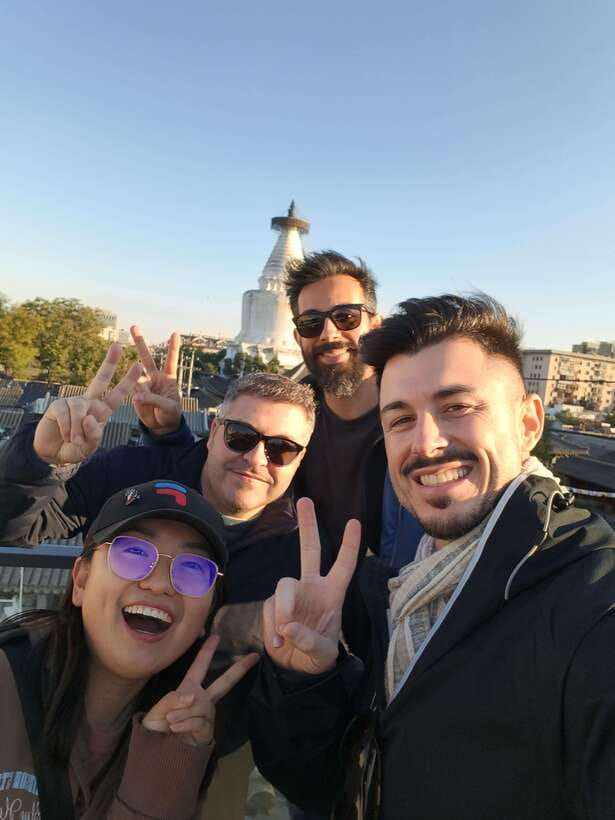
The morning begins at Guangji Temple, a guided site stop rather than a quick pass-through. This is a good “setup” location because temples teach you how Beijing organizes sacred space: paths, halls, and sightlines that feel intentional even when you’re just walking through.
What I like about starting here is that it gives context before you shift to other kinds of buildings. Once you’ve seen how the temple layout guides movement, you’ll notice the same logic later when the tour moves into other architectural styles.
Photo-friendly moments are part of the flow, but the value is in the guide’s explanation—how religious buildings and local community space can sit close to everyday life without feeling like separate worlds.
Church of the Saviour: a surprising contrast inside local streets
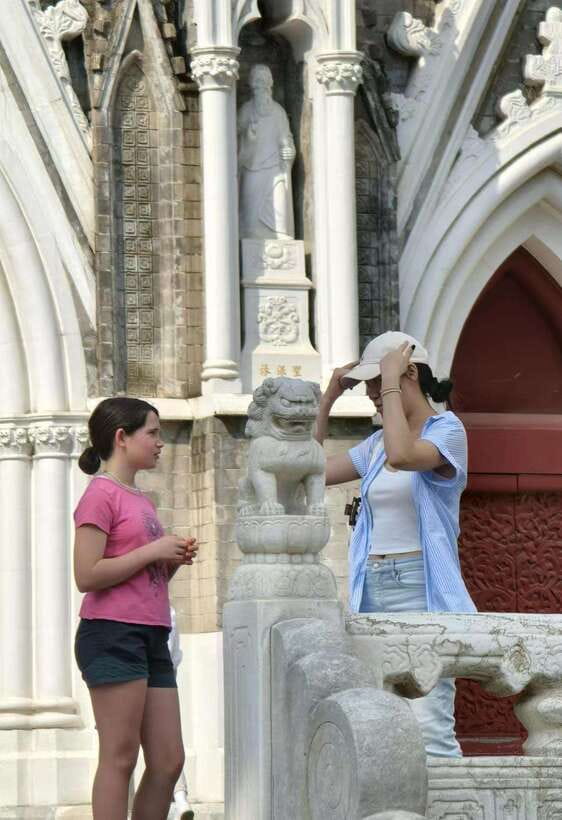
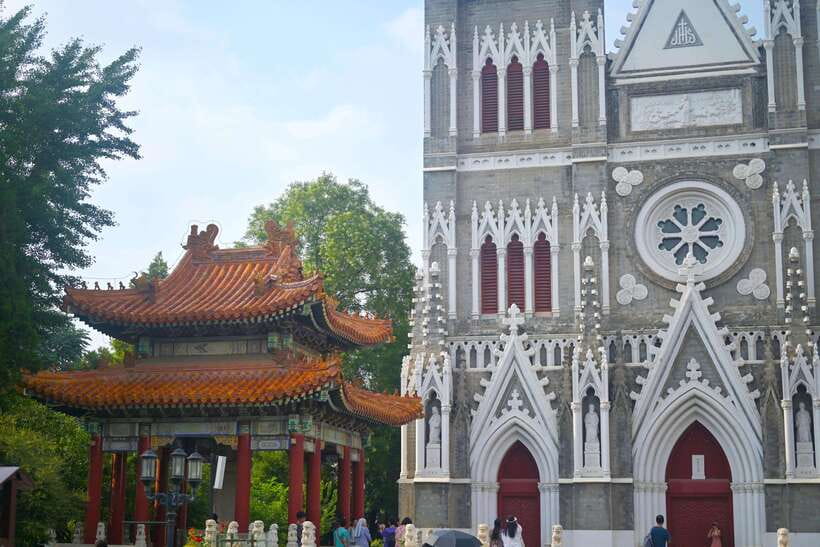
Next comes the Church of the Saviour, Beijing. The church stop is more than a curiosity. It helps you understand Beijing as a layered city: old Chinese religious traditions next to Western-influenced architecture and community history.
If your instinct is to think of Beijing as one single style, this stop breaks that assumption in a helpful way. You learn to look at roofs, entrances, and how people gather—then you start comparing across sites instead of treating each stop as a standalone postcard.
This contrast is also part of the tour’s promise: not just hutongs, but the mix of old and new Beijing you see when you’re walking with someone who knows what matters.
正阳书局: shop like a local, not like a checklist
The route includes 正阳书局, a guided visit with shopping time. This is the kind of stop that many tours skip because it doesn’t scream history, but it adds texture fast.
A bookstore in a neighborhood like this tells you something practical: what locals read, how they meet friends, and how modern culture finds room inside older areas. Even if you don’t buy anything, you’ll leave with ideas for what to search for later—Beijing isn’t only temples and alleys. It’s also learning how people spend an hour when they’re not sightseeing.
If you want souvenirs that don’t feel like airport copies, this kind of local shop time is usually where those choices happen.
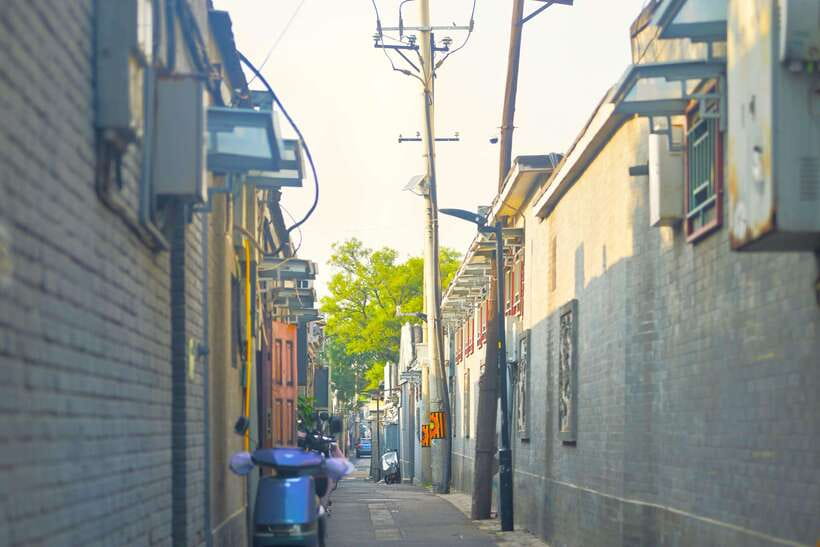
Zhuanta Hutong: where you slow down and actually see life
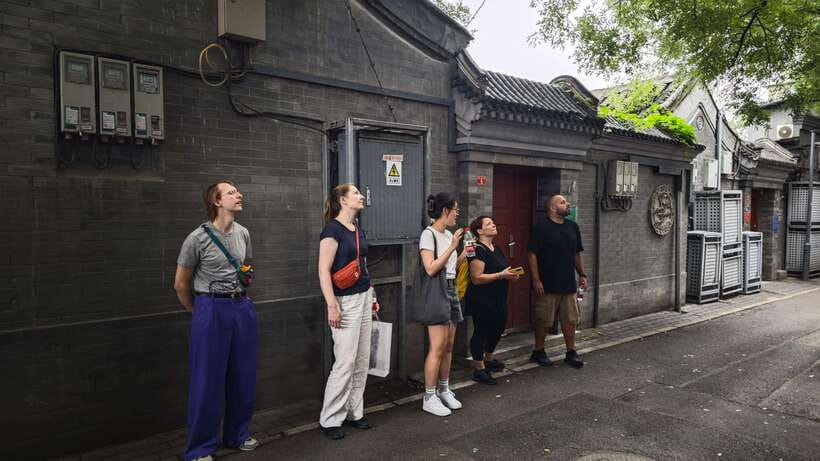
Now you get the Zhuanta Hutong experience—the part many people come for. Hutongs are narrow lanes, but they’re also living systems. Courtyard homes, doorways, and the rhythm of neighbors moving in and out are the real story here.
This is the portion where the tour’s small group format helps most. When the alleyway isn’t crowded with big tour buses, you can pay attention to small signals: how people use the space, where they rest, and how the street supports daily routines.
One honest consideration: since about half the tour won’t be inside hutongs, your hutong time matters. Use it to watch more and ask more. A couple of good questions here—about courtyard life, design changes, or how residents adapt—can make the rest of the day feel connected instead of scattered.
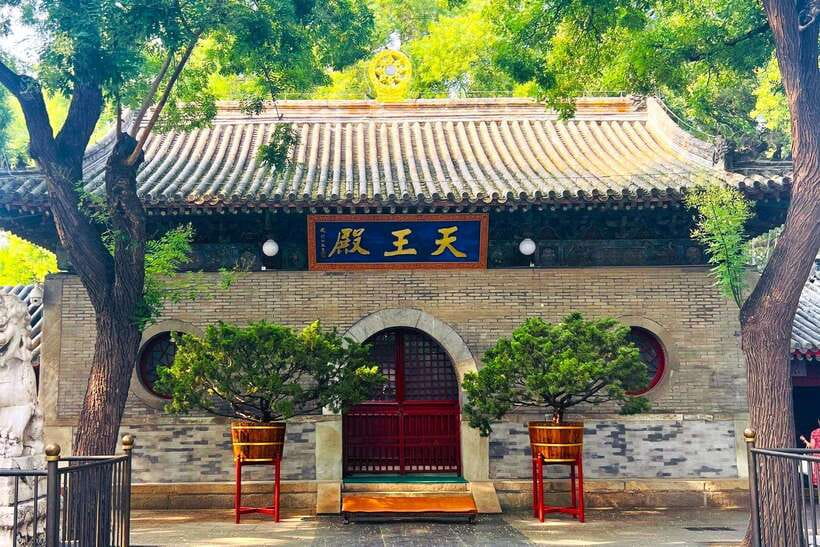
Temple of the Monarchs site: included entrance and the design lesson
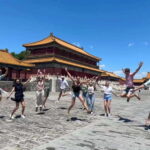
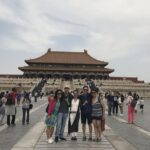
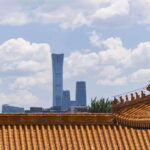
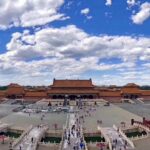
The next major stop is Emperors Temple of Past Dynasties, with a guided visit and photo time. This is where the tour leans into the “why” behind Beijing’s ceremonial buildings.
Your ticket value includes an entrance fee for the Palace of Ancient Monarchs, and there’s one scheduling wrinkle: it’s closed on Monday. If your trip lands on a Monday, ask your guide at the start how that affects the plan. Even without that included entry, the surrounding architectural context is still worth it, but don’t assume every site will run exactly the same way.
This is also where the tour’s architecture approach becomes most useful. You might not notice “design principles” in a quick walk. With a guide pointing them out, you begin to see how authority, faith, and community space were shaped to feel orderly, intentional, and meaningful.
Local café break: your reset before the next temples
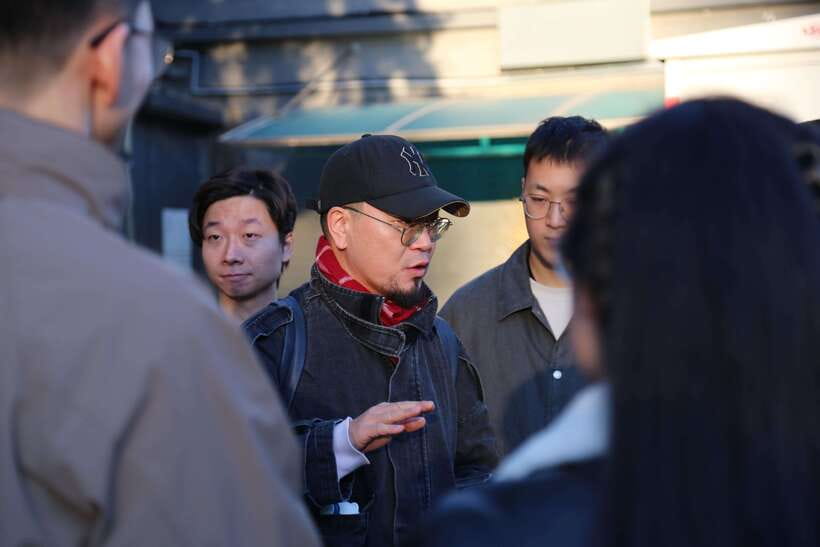
There’s a local café break time during the tour. This is more than a nice pause—it helps you pace yourself. After several stops, your feet and your attention both need a moment to reset.
Use the break to hydrate and check in: Are you feeling okay with the walking? Do you want to ask questions while the group is still gathered? Guides often share practical tips here too, like where to eat afterward or how to navigate neighborhoods efficiently.
A calm break also improves your later photos, because you’re not trying to sprint through the next site while you’re winded.
Miaoying Temple: photo stop and the quieter kind of wow
The tour ends with Miaoying Temple, with another mix of photo stop and guided visit. This is the kind of location where the “wow” comes from atmosphere, not crowds. You walk through a historic space and feel the change in pace instantly.
If you’re the type who enjoys architecture details, this temple stop usually delivers. If you prefer stories about how people interact with cultural sites, it also works, because the guide ties the temple environment to how daily life and belief coexist.
You’ll finish at 阜内大街410号, so you’re in the city again rather than stuck in a “tour bubble.”
The complimentary Beijing drink: why this small extra matters
A complimentary traditional Beijing drink is included. The drink is one of those small add-ons that actually makes the whole tour feel more Beijing rather than just “sights.”
Based on what people experience on the tour, you may get options like iced tea served in a rooftop setting, or a sour plum drink / plum juice that’s associated with spring flavors and sometimes comes with Chinese herbs. In one case, coffee was part of the included drink experience too.
Why it matters: when you taste something local during the tour, you start linking the place with everyday culture. It’s not a random snack stop—it’s a small ritual that helps you remember the day for the right reasons.
Guides who change the whole quality of the tour
The standout theme from guide experiences is that the tour is friendly and patient, not stiff. Guides named in participants’ notes include Dee and Tracy, plus Heidi and Eva in some cases. Even with different personalities, the consistent goal is the same: make the city make sense.
Look for these traits when you book:
- They explain the symbolism behind what you see, not just the dates
- They keep a sensible pace so you can actually absorb scenes
- They give practical suggestions for after the tour, especially food and how to move around
If you’re visiting Beijing for the first time, I’d treat this tour as a “get your bearings fast” morning. A good guide helps you notice patterns that guidebooks won’t teach.
Price and value: $49 for a real neighborhood day
At $49 per person for 2.5 hours, the price looks simple until you break down what you actually get: a local guide, guided entrance support for a key palace/temple site (when open), and a complimentary drink.
For value, the biggest reason this works is that you’re paying for context. Hutongs can look like confusing alleyways if you’re alone. Temples and churches can look like architecture only, unless someone connects the dots. Here, the guide-led explanations are a core part of the experience, not an optional extra.
Also, the small group limit (up to 8 people) is a value multiplier. You don’t want a crowded pace for hutong walking, where quiet attention is the whole point.
What to bring (and what to skip)
Bring:
- Comfortable shoes (you’ll walk about 3 km)
- Water
- Hat and sunscreen for sunny weather
- A small willingness to slow down and look up when the guide points something out
Skip:
- Smoking is not allowed during the tour
- Anything that makes you rush, like flimsy shoes or heavy bags you can’t manage in narrow lanes
And one etiquette note: hutongs are residential neighborhoods. Respect privacy and keep voices and movements considerate.
Who should book, and who should reconsider
This tour is a good fit if you want:
- A real Beijing feel without spending all day in the busiest tourist areas
- Architecture and culture explanations you can carry into later sightseeing
- A guided pace that still feels like walking through a neighborhood, not a museum
It’s not a good fit if you:
- Have mobility impairments or need wheelchair access. The tour involves significant walking and isn’t listed as suitable for wheelchair users.
- Want a full-on hutong-only itinerary. About half the tour includes other local attractions and unique buildings.
If you’re planning your first days in Beijing, I like booking this earlier rather than later. It helps you understand what you’re seeing when you go to bigger attractions afterward.
Should you book this hutong walking tour?
I think it’s an easy yes if your goal is to understand Beijing’s everyday cultural spaces—temples, local streets, and courtyard life—with a guide who can explain the meaning behind the architecture. The price is fair for the combination of guided site time, included entrance for a key palace/temple when open, and a complimentary traditional drink.
I’d hesitate only if you’re dreaming of nonstop hutong walking for the entire 2.5 hours or if walking distance is a problem for you. If those two concerns don’t apply, this tour is a smart way to see Beijing with fewer crowds and more understanding.
FAQ
Where does the tour start?
The tour starts at Xisi Subway Station (Metro Line 4), Exit D.
How long is the hutong walking tour?
The tour lasts 2.5 hours.
How much walking is involved?
It involves a significant amount of walking, around 3 km.
Is the tour mostly inside hutongs?
No. About half of the tour is in hutongs. The rest includes other local attractions and unique buildings.
What’s included in the price?
The tour includes a local guide, a 2.5-hour walking tour, a traditional Beijing drink, and an entrance fee for the Palace of Ancient Monarchs (this site is closed on Monday).
What languages are offered?
The guide provides English and Chinese.
Is it suitable for wheelchair users or mobility impairments?
No. It’s listed as not suitable for people with mobility impairments or wheelchair users.