REVIEW · CHENGDU
Mount Qingcheng and Dujiangyan Irrigation System Private Day Tour from Chengdu
Book on Viator →Operated by Samtour of Chengdu OTC Travel · Bookable on Viator
Two UNESCO sights in one calm day. I like that this tour keeps things unhurried and personal, not rushed and crowded. The other big win is the English-speaking guide, and one name that pops up in feedback is Wells, who’s described as attentive and great at answering questions.
You’ll get picked up from your Chengdu hotel and ride out in an air-conditioned vehicle, with entry tickets and lunch handled for you. That means less time hunting for paperwork and more time watching, walking, and learning. You’ll also use site transport where needed, which helps if your legs are already tired from travel day in the city.
One consideration: there’s a hike with steep slopes and lots of steps, especially on Qingcheng Mountain. If you’re not comfortable with stairs or you dislike steep climbs, you’ll want to plan your pace (or consider using the cable car where it’s available).
In This Review
- Key highlights worth clocking
- Why combine Mount Qingcheng and Dujiangyan in one day?
- Getting out of Chengdu without stress: pickup, private vehicle, and site shuttles
- Mount Qingcheng Mountain: Taoist temples, Yuecheng Lake, and the hike decision
- The real-life choice: walk down, cable down, or mix
- Dujiangyan Irrigation System: fish-mouth engineering and temples that explain the why
- What to look for once you’re walking the site
- A time-management note that matters
- Lunch between sites: included, local, and timed to keep the day moving
- Pacing, comfort, and what to pack for a “6–8 hour” real day
- Price and value: is $230.78 per person worth it?
- Who should book this tour (and who should skip it)?
- Final call: should you book Mount Qingcheng and Dujiangyan?
- FAQ
- What time does the tour start, and how long does it take?
- Which UNESCO sites do you visit?
- Is this a private tour?
- What’s included for entrance fees and meals?
- Is there a boat ride and cable car on Mount Qingcheng?
- Is there a lot of walking or stairs?
Key highlights worth clocking
- Private pace: only your group, so your guide can slow down when you need it
- English guide support: Wells is specifically noted for clear English and thoughtful pacing
- Taoism on Qingcheng Mountain: temples and caves tied to Tang and Qing-era stories
- Boat + cable car time-savers: you’re not forced into an all-foot trek
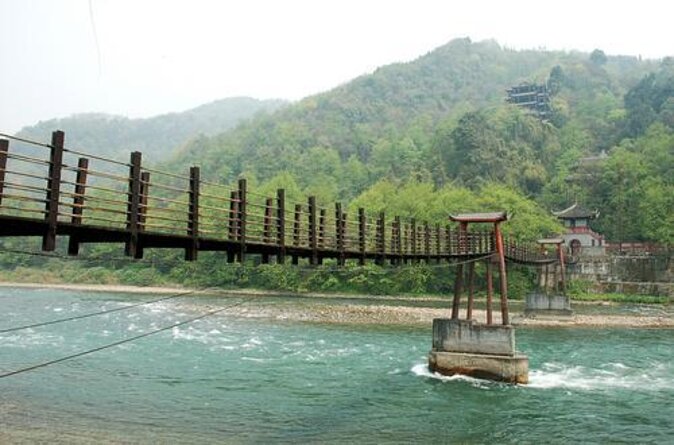
- Dujiangyan as living engineering: waterworks that still control flow after more than 2,000 years
- Real walking: shaded trails are nice, but expect steep sections and many steps
Why combine Mount Qingcheng and Dujiangyan in one day?
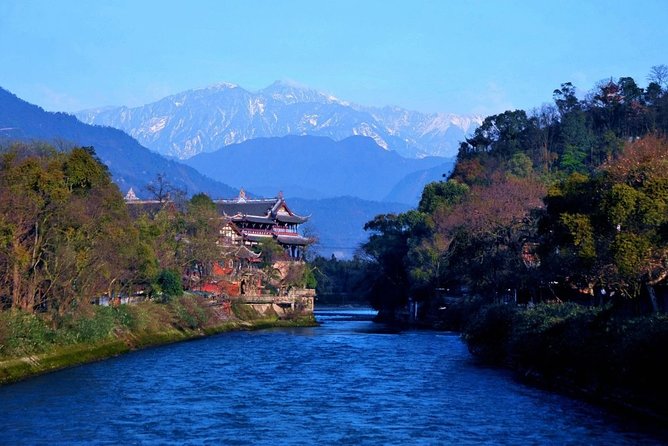
Mount Qingcheng and Dujiangyan are both UNESCO World Heritage sites, but they feel very different once you’re there. Qingcheng gives you quiet Taoist temple atmospheres, forested paths, and viewpoints that make you slow down. Dujiangyan is the opposite mood: practical, technical, and almost surprising in how much it still does today.
Doing them on one trip is also efficient for your Chengdu time. You’re not stuck choosing between spiritual sites and engineering history. And with a private guide, you can ask why each place matters, not just snap photos and shuffle along.
You can also read our reviews of more tours and experiences in Chengdu.


Getting out of Chengdu without stress: pickup, private vehicle, and site shuttles
This starts with pickup from your centrally located Chengdu hotel at 8:00 am. You ride in a private air-conditioned vehicle, which matters more than it sounds when traffic and weather can swing your day.
At the sites, the tour includes an excursion bus at Qingchengshan and Dujiangyan. That’s a small thing until you realize it can remove the boring “walk to the next gate” time. Your guide also stays with you through the day, so you’re not left figuring out routes or what you’re looking at.
Mount Qingcheng Mountain: Taoist temples, Yuecheng Lake, and the hike decision
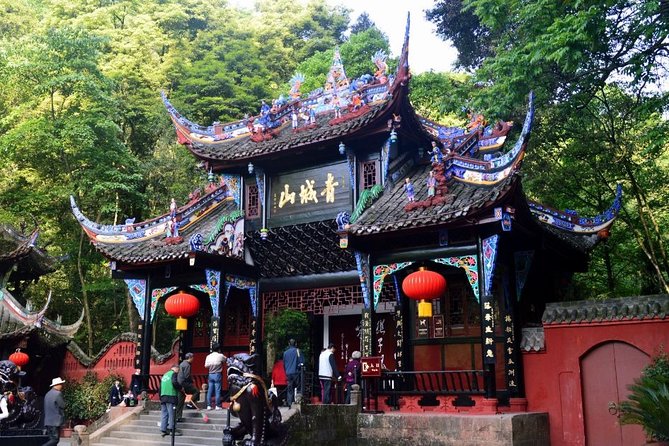
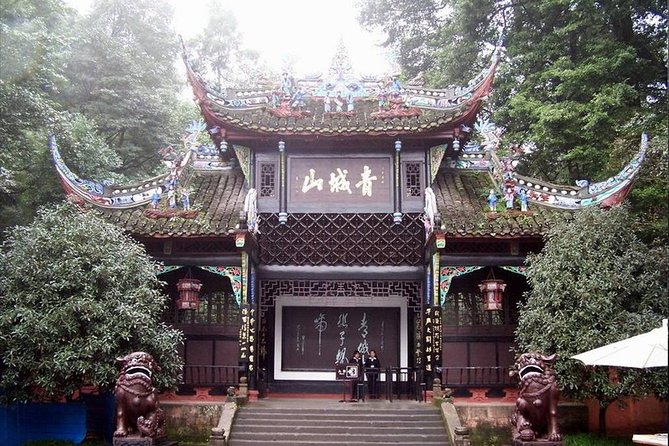
Mount Qingcheng is the kind of place where the scenery feels less like a city attraction and more like you’re entering a religious landscape. Your day begins with a boat ride across Yuecheng Lake, which is a surprisingly calm way to shift from Chengdu energy into mountain air.
Next, you’ll head into temple territory and get help from the day’s lift-and-walk rhythm. There’s a round-trip cable car included, and it can save you from an all-day grind if your goal is to see more than just your own breathing.
Once you’re on the trail, the core hiking segment is about two hours. The path runs through shaded areas and you stop at notable spots, including Jianfu Temple (Tang Dynasty) and Tianshi Cave, completed in the Qing Dynasty, where a famous Taoist master taught. If you like history you can actually feel in the air—rather than just read on a sign—these stops help the mountain make sense.
The real-life choice: walk down, cable down, or mix
At the upper sections, you can descend by foot or use the cable car, depending on energy and how you’re feeling. In reviews, many people stressed that there are lots of steps, and that’s true here. It’s not a gentle stroll, even though the trail is shaded and scenic.
One smart tip from feedback: bring a warmer layer for the top. People noted that it gets colder and you can feel like you’re in clouds higher up. Even in the Sichuan region, mountain weather can change quickly.
Dujiangyan Irrigation System: fish-mouth engineering and temples that explain the why
After lunch, you’ll drive to Dujiangyan Irrigation System, another UNESCO site. This is where the tour turns from spiritual calm into “wait, this is real?” engineering history.
Dujiangyan was built in 256 BC to provide irrigation and flood control, and it’s famous because it’s not just a monument. It’s a system: you can walk around ancient structures and see how the waterways were designed to manage water flow.


What to look for once you’re walking the site
The highlights here include the fish mouth levee—named because of its conical shape resembling a fish head. When you’re standing near it, it helps to think about how water behaves in channels: the design wasn’t random artistry; it was problem-solving.
You’ll also see cultural and religious sites tied to the system’s importance, including the Two Kings Temple and the Dragon-Taming Temple. Gardens in Lidui Park add breathing room, and the mix of waterworks and traditional Chinese architecture makes this less like an open-air museum and more like a living area people still move through.
A time-management note that matters
One review theme was that the main pieces get shown well, but there isn’t always time for deeper trail exploring inside the irrigation area. That doesn’t mean it’s short on content. It means you should be clear with your guide if you want extra time walking beyond the first viewpoints.
If you’re someone who likes to linger, speak up early. Private tours work best when you set the pace you want.
Lunch between sites: included, local, and timed to keep the day moving
Lunch is included at a local restaurant between Qingcheng and Dujiangyan. That’s a practical win because it protects your energy for the second half of the day, when the walking can feel more intense.
I found this kind of in-between meal timing matters, because it prevents the classic travel-tour problem: hunger turning into crankiness just as you’re trying to pay attention to history. Based on feedback, the food can be strong, with people specifically mentioning kung pao chicken as a highlight.
The trade-off is that lunch can become your schedule anchor. If you’re hoping to maximize every temple corner or every small garden detail, understand that lunch and transit shape the available time.
Pacing, comfort, and what to pack for a “6–8 hour” real day
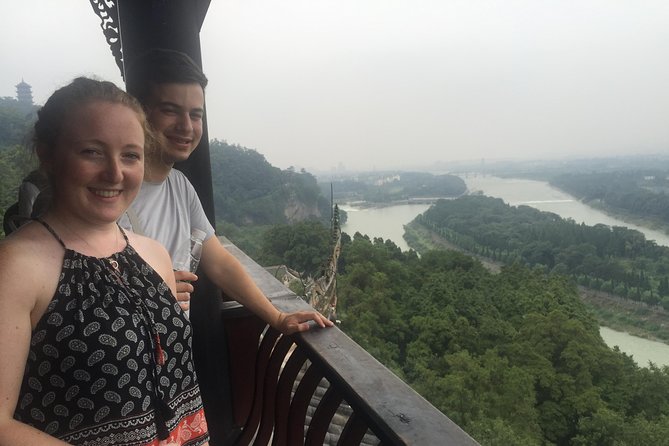
The tour runs about 6 to 8 hours, and it includes transport, guided stops, and entry tickets. That’s plenty of time for two major UNESCO sites—if your expectations match the walking.
Here’s what I’d pack and plan for:
- Comfortable walking shoes with grip (the Qingcheng hike includes steep slopes and lots of steps)
- Water for the hike and warmer weather if the day runs hot before the mountain cools off
- A light warm layer for the higher Qingcheng areas
- A small buffer for extra on-site costs if something is ticketed separately at the site
One review mentioned small additional payments for transport/tram-type costs and noted that they could have been rolled into the tour fee. Even if your tour materials say certain rides are included, I still suggest budgeting a little “just in case” money when you’re moving around big heritage sites with multiple operators.
And yes, pace matters. In feedback, guides were described as attentive to safety and pacing. That’s exactly what you want for stair-heavy terrain.
Price and value: is $230.78 per person worth it?
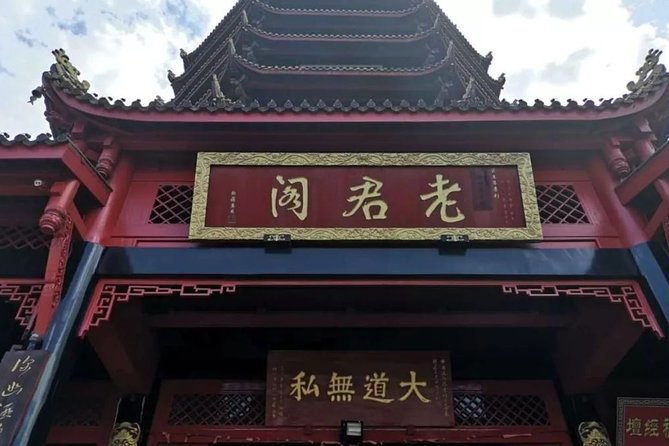
At $230.78 per person, this is not a budget “hop-on hop-off” outing. You’re paying for convenience, time saved, and a guide who can translate what you’re seeing into something meaningful.
What makes it better value than DIY is the bundle:
- Private air-conditioned vehicle with pickup
- Professional English-speaking guide
- Admission to the scheduled sites
- Lunch included
- Boat ride and cable car at Qingchengshan
- Excursion bus at both heritage areas
If you tried to assemble this on your own, the costs would add up fast: transportation out of Chengdu, admissions across multiple UNESCO areas, and a guide to make the temple and waterworks details click.
That said, I’d be picky in one area: confirm what’s covered for cable car and boat timing on your specific day, since some reviews mention small extra payments. It’s usually cheap when it happens, but it’s still nice to know ahead of time so there are no surprises.
Who should book this tour (and who should skip it)?
This tour is a great fit if you want:
- Two UNESCO World Heritage sites without a full day of complicated logistics
- Taoist temple atmosphere plus hands-on engineering history
- An English guide who explains what you’re seeing, not just where to stand for photos
- A private, quieter day trip away from Chengdu crowds
It’s not ideal if:
- You have limited mobility or you hate steep climbs and stairs
- You need long free time at each site (this is guided and paced, with walking built in)
- Weather matters: the experience requires good weather, and if conditions aren’t right you’ll be offered a different date or a refund
Final call: should you book Mount Qingcheng and Dujiangyan?
I’d book it if your Chengdu trip has you curious about more than pandas. Qingcheng Mountain adds a spiritual texture through Taoist temples and caves, and Dujiangyan delivers the kind of engineering wonder that makes ancient China feel practical and brilliant. The private guide support, plus prebooked admissions and lunch, keeps your day from turning into admin time.
Skip it if stairs and steep hikes are a deal-breaker for you. This is a day trip built around walking, even though the cable car and boat options help. If you’re good with moderate hiking and you pack smart, this is one of the more rewarding ways to experience Sichuan beyond the city.
FAQ
What time does the tour start, and how long does it take?
Pickup starts at 8:00 am. The total duration is about 6 to 8 hours.
Which UNESCO sites do you visit?
You visit Mount Qingcheng (Qingcheng Shan) and the Dujiangyan Irrigation System.
Is this a private tour?
Yes. It’s a private tour/activity, so only your group participates.
What’s included for entrance fees and meals?
Admission tickets for the places on the itinerary are included, and lunch at a local restaurant is included.
Is there a boat ride and cable car on Mount Qingcheng?
Yes. The tour includes a boat ride and a round-trip cable car at Qingchengshan.
Is there a lot of walking or stairs?
There’s moderate walking, and the Qingcheng Mountain hike includes steep slopes and many steps. Comfortable walking shoes are recommended.