REVIEW · HONG KONG SAR
Private Food Tour: Hong Kong Island
Book on Viator →Operated by Hello Hong Kong · Bookable on Viator
A food walk on Hong Kong Island can feel like a maze. This private tour turns that maze into a guided, tasty route through neighborhoods, old markets, and Cantonese classics you’ll actually remember. You’ll sample dim sum, wonton noodles, milk tea, BBQ meats, and finish with an egg tart, with stops that also explain how Hong Kong’s Chinese and British past shaped what’s on your plate.
I especially like the trolley-served dim sum breakfast start in Sheung Wan—it’s lively, historic-feeling, and easy to follow. I also like how the tour doesn’t just hand you food; it threads in food history and neighborhood context as you walk, including classic dried-seafood culture and the English-ish egg tart idea.
One consideration: it’s a walking tour. Even with hotel pickup, you still cover the route on foot and public transport (not a car), and it isn’t suitable for vegetarians, gluten-free diets, or seafood allergies.
In This Review
- Key highlights worth getting excited about
- Sheung Wan to Central: the route that makes Hong Kong feel learnable
- Yum cha on a trolley in Sheung Wan (breakfast that sets the tone)
- Wonton noodles and milk tea: the Cantonese-British combo you can taste
- Walking through ingredient culture: dried seafood and Kai Fat Tea candies
- Markets and colonial-era streets: where food stories feel real
- Ding Ding tram and char siu stop: roast meat in motion
- Mid-Levels Escalator, Tai Kwun, and Wan Chai: digest, then go again
- Dan tat finale at a 60-year bakery: the egg tart that closes the story
- Price and logistics: is $236.69 worth it for 4 hours?
- Who should book this tour, and who should skip it
- Should you book the Hong Kong Island Private Food Tour?
- FAQ
- How long is the Private Food Tour: Hong Kong Island?
- Where does the tour start and where does it end?
- Is hotel pickup included?
- What food and drinks are included?
- Are there any extra costs during the tour?
- Is the tour suitable for vegetarians or gluten-free diets?
- Can I cancel for a full refund?
Key highlights worth getting excited about
- Sheung Wan yum cha on a trolley: breakfast-style dim sum served in the restaurant’s busy rhythm
- Wonton noodles from a “master” shop: a specialty that’s simple on paper and serious in practice
- Milk tea as British-era flavor DNA: one of Hong Kong’s most recognizable drinks, explained in context
- Dried seafood street + Chinese sweet stop: you’ll see ingredients and candy culture tied to local traditions
- Hong Kong tram ride timing: a Ding Ding segment (at your own expense) that makes the route feel like part of the meal
- Egg tart at a 60-year bakery: dan tat as the final, very Hong Kong, dessert move
Sheung Wan to Central: the route that makes Hong Kong feel learnable
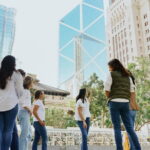
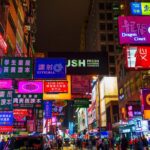
Hong Kong Island is gorgeous, but it can also be exhausting if you try to navigate everything on your own. This tour is built like a practical “greatest hits” line—starting in Sheung Wan, then working toward Central and beyond—so you get a sense of how the island pieces connect.
What I like for planning purposes is the balance of old and everyday. You’re not stuck only in polished tourist spots. You’re in neighborhoods where you’ll spot market life, tea shops, and the kind of storefronts that look like they’ve always been there.
Also, this is genuinely private. That matters when a route includes food timing. If your group moves a bit slower, or you want a quick detour for photos, the pace can adjust more easily than on a big fixed-group tour.
You can also read our reviews of more tours and experiences in Hong Kong SAR.

Yum cha on a trolley in Sheung Wan (breakfast that sets the tone)
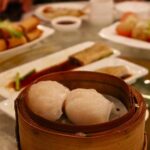
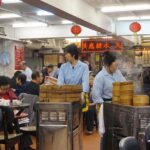
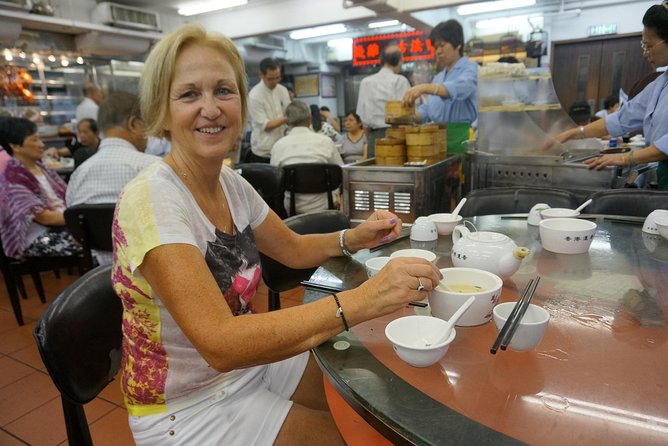
The tour begins in Sheung Wan, with your first real food hit: dim sum breakfast (yum cha) served by trolley. The vibe here matters. It’s not a sit-down “wait for your plate” meal. It’s that active, watch-the-trolleys-roll-by style that makes yum cha feel like Hong Kong daily life rather than a staged tasting.
Practically, this is a smart start because it’s early in the walk: everyone gets their bearings, and your guide can explain the key dishes before the tour gets more complex. The restaurant atmosphere is described as lively and popular, with history reaching back nearly 100 years—the kind of detail that turns dinner-time food photos into something you can actually picture.
Two tips that will help you enjoy this segment:
- Come hungry. The tour explicitly asks you not to eat breakfast before you go, so treat that like the advice it is.
- Use your camera early. The trolley service and dining-room energy are the easiest “wow” visuals to capture before you’re a little too full to care.
If you’re thinking about dietary limits: the tour is not suitable for vegetarians, and seafood allergies are also flagged as a no-go. That’s important to know before you commit.
Wonton noodles and milk tea: the Cantonese-British combo you can taste
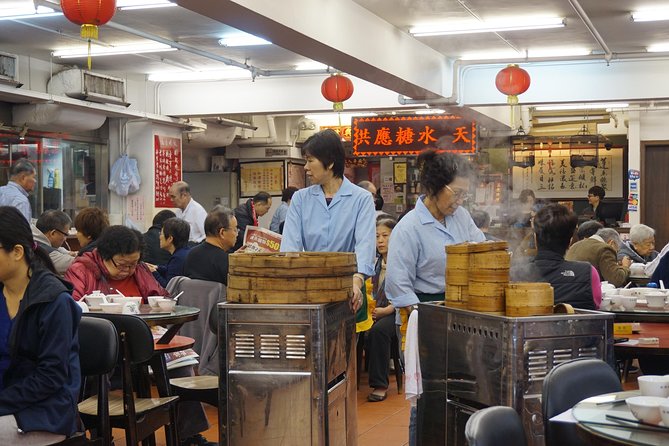
After dim sum, the tour shifts into classic Cantonese comfort food. Next up is a family-run shop for wonton noodles, described as a local specialty that may seem simple but takes mastery to nail.
This is one of those Hong Kong dishes where “simple” is a trap. The quality often comes down to details you can’t see—broth depth, noodle texture, and how the wontons are handled. With a guide, you’re not just eating; you’re learning what to notice so you can appreciate the difference between a decent bowl and a great one.
Then comes traditional milk tea, served as part of the tour. Milk tea is so common in Hong Kong it feels like it’s always existed. The tour ties it directly to the days of British rule, which helps you understand why this drink belongs in a city-shaped culinary story—not just a cafeteria-style choice.
If you’re the type who thinks of milk tea as a generic sweet drink, this stop is where you’ll likely reclassify it. You’ll learn how it fits into Hong Kong’s food identity and why locals treat it like a daily anchor.
Walking through ingredient culture: dried seafood and Kai Fat Tea candies
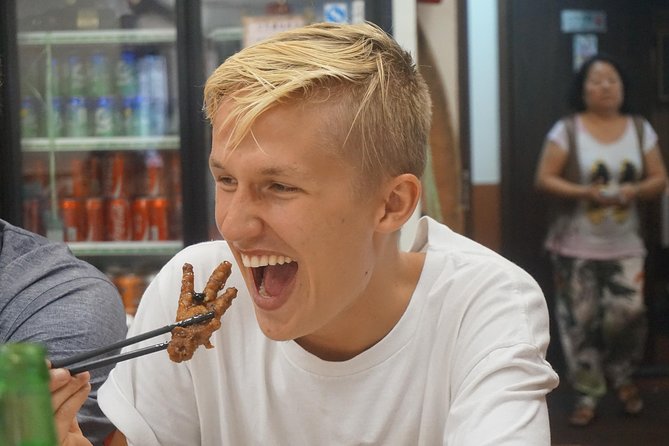
The tour doesn’t only focus on finished dishes. It also gives you stops that explain how Hong Kong food building blocks show up in real life.
One stop centers on dried seafood in the Sheung Wan area, clustered around Des Voeux Road West, known as dried seafood street. The point isn’t to pressure you into buying anything—it’s to show you how dried ingredients and traditional tonics are a common ingredient pattern in Chinese cooking. In a city where fresh can be pricey and seasonality matters, dried goods are part of the practical system.
Another quick stop is Kai Fat Tea, tucked into a narrow road. This is where you’ll see how tea and sweets fit together, with the shop selling tea, assorted candies, and local sweets made from fruits and natural ingredients. Even if you’re not a big sweets person, it’s a useful palate reset between heavier savory tastings.
The best part here is pacing. These stops keep the tour from feeling like you’re only moving seat-to-seat with food. You’ll walk, look around, ask questions, and still end up with snacks included.
Markets and colonial-era streets: where food stories feel real
As the route continues, you’ll pass through areas that help explain why Hong Kong food looks the way it does today. You’ll stroll past:
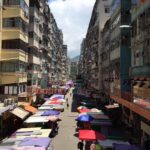
- Graham Street Market, a sloped market street with more than a century of history and stalls for everything from fresh vegetables to live seafood
- Gough Street, on the cusp of where Hong Kong’s European and Chinese communities once met, with a mix of colonial-style feel, boutiques, and restaurants
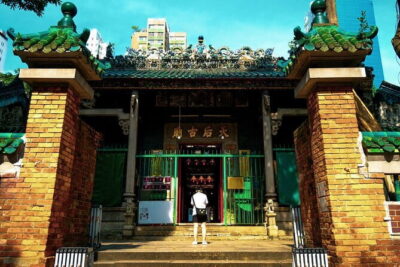
- Central and Western district streets, described as old-but-dynamic, with sloped streets, narrow alleys, and century-old temples
This part is where the tour earns its “food history” promise. It’s easy to say Cantonese cuisine is shaped by Chinese and British history. It’s another thing to walk through streets where that mix is visible in everyday life.
And yes, there’s sightseeing baked in—but it’s not just for decoration. The tour uses these settings to frame the dishes you’ve already eaten and the ones still coming.
Ding Ding tram and char siu stop: roast meat in motion
At some point, you’ll hop on the Hong Kong tramways (Ding Ding) to reach another traditional, family-run meal spot. The tram ride is described as using one of Hong Kong’s oldest electric public transports, first operated in 1904 under British rule. The tram is famous not only for nostalgia but for being an active system you can actually take.
Important detail: the tour notes the tram ride is at your own expense. So if you’re budgeting, factor that in. Still, even with the add-on, this is the segment that makes the tour feel like Hong Kong, not just a sequence of restaurants.
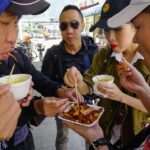
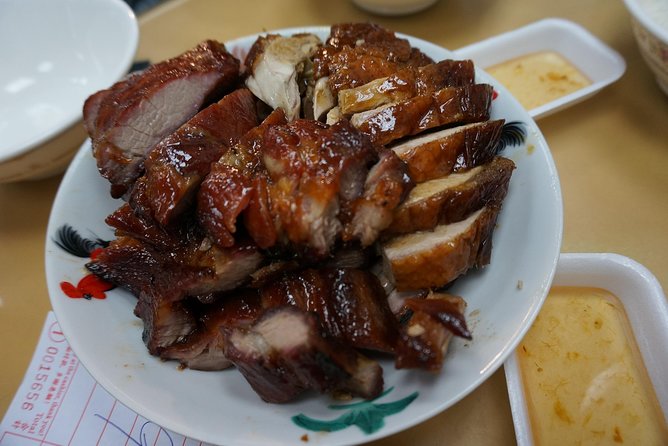
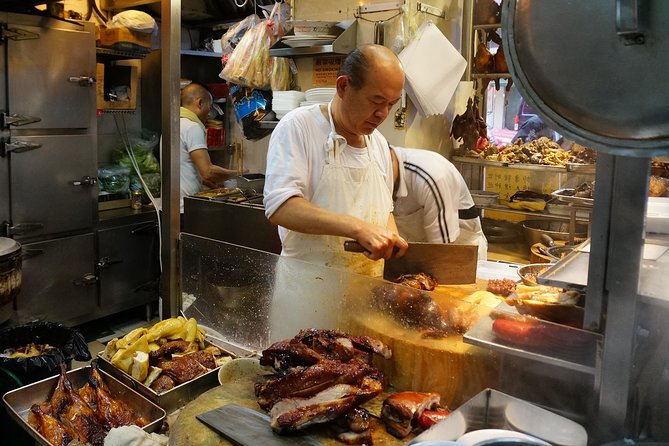
The food stop tied to the tram ride is known for English roast meat style, especially char siu. You’ll sample traditional roasted meats, with homemade sauces, served with rice. The tour ties this to the city’s Cantonese roast-meat tradition and the idea of English-influenced flavors showing up in local form.
If you’re wondering why char siu tastes like it has personality, it’s because the sauce and roasting style matter as much as the pork itself. Having a guide along for this part helps you avoid tasting “on autopilot.”
Mid-Levels Escalator, Tai Kwun, and Wan Chai: digest, then go again
Once you’ve had the heavy savory hits, the route adds a calmer “move and watch” chunk. You’ll ride the Mid-Levels Escalator, the longest outdoor escalator in the world. The tour says it’s about 800 meters, moving you up around 13 levels, and the ride is about 15 minutes.
This matters because it gives you a breather without breaking the flow. You can catch views and street life as you travel between levels, instead of constantly stopping to rest your feet.
You’ll also pass Tai Kwun, a heritage site that’s been restored and repurposed into a mix of heritage, contemporary art, performing arts, and lifestyle experiences. Even if you don’t go inside, it’s a good stop to understand that Central isn’t just skyline and office blocks—it’s layered with history.
Then the tour shifts toward Wan Chai, described as one of the city’s cooler, more dynamic areas with old tenement buildings and hidden temples mixed with modern bars and restaurants.
The main value of this whole movement section is that it gives you a mental reset right before your dessert finish.
Dan tat finale at a 60-year bakery: the egg tart that closes the story
Your last stop is the dessert finish: egg tart (dan tat in Cantonese) at a local bakery with about 60 years of history. The tour also notes it’s a personal favorite of a former Hong Kong governor, which is a fun credibility marker even if you don’t care about politics.
Why the egg tart is a perfect finale: the tour has already shown you the Chinese-British crossover in milk tea and roast meats. Now it lands that idea in dessert form—custard tart style, adapted into something Hong Kong does with its own texture and crust approach.
When you eat dan tat at the end of a walking food tour, it’s not just sweet. It’s the palate clean you’ve earned.
Price and logistics: is $236.69 worth it for 4 hours?
At $236.69 per person for a private tour around 4 hours, the value mostly comes from what’s included and how the tour is paced.
What you’re paying for:
- A professional guide who controls timing across multiple food tastings
- Food that covers several Cantonese-style categories: dim sum, wonton noodles, milk tea, BBQ meats/char siu, and egg tart
- Extra small bites like assorted candies and local snacks
- The route includes a mix of neighborhoods and markets so you’re not just restaurant-hopping in isolation
Two logistics notes that affect value:
- Hotel pickup is possible, but it’s still a walking tour, not a car tour. You’ll use the excellent public transport system, and the tram segment itself (Ding Ding) is not included.
- The tour offers group discounts, and it’s a mobile-ticket experience, which can make entry smoother.
In plain terms: if you want a simple self-guided checklist, you’ll spend less money. If you want the story, the tastings, and a guide to help you order and notice differences, the price starts to make more sense—especially for private pacing.
Who should book this tour, and who should skip it
This tour fits best if you:
- Want a private guide and a structured food crawl, not random wandering
- Like learning how dishes connect to history and neighborhood life
- Enjoy Cantonese flavors like dim sum and wonton noodle soup
- Are comfortable eating a mix of savory and sweet (including roasted meats and egg tart)
It may not fit if you:
- Are vegetarian, need gluten-free options, or have seafood allergies (the tour explicitly says it’s not suitable)
- Prefer mostly “sit and talk” sightseeing. This is food-forward walking with stops that keep you moving.
If you have mobility concerns, it’s smart to ask ahead how much walking is involved, because the tour clearly works as a walking route.
Should you book the Hong Kong Island Private Food Tour?
I’d book it if you want a Hong Kong food experience that feels like local life, not a scripted lunch. The biggest reasons:
- The tour starts with trolley yum cha, which sets the tone better than a normal restaurant meet-up.
- You get the Cantonese-British food story in multiple forms: milk tea, roast meats, and dan tat.
- Even the non-food stops (markets, streets, the escalator, and tram) help the tastings land in context.
If your priority is a quiet, low-walking experience or you need a strict diet plan, look elsewhere. But for most food-minded people—especially couples, small groups, and families who can handle a few active legs of walking—this is a strong way to spend half a day on Hong Kong Island.
One extra confidence boost: the guides get repeatedly praised for bringing humor and excellent English, with names like Andy and Mel coming up for being funny, knowledgeable, and good at keeping pace comfortable for different ages.
FAQ
How long is the Private Food Tour: Hong Kong Island?
It runs about 4 hours.
Where does the tour start and where does it end?
It starts at 28號 Des Voeux Rd W, Sheung Wan, Hong Kong and ends in Wan Chai, Hong Kong.
Is hotel pickup included?
Pickup is offered. Even with hotel pickup, it’s still a walking tour and you travel using public transport.
What food and drinks are included?
Included tastings cover dim sum, milk tea, wonton noodles, BBQ meat, and egg tart, plus assorted candies and local snacks. Milk tea is specifically listed as included.
Are there any extra costs during the tour?
The tour notes that the Hong Kong Tramways (Ding Ding) ride is at your own expense.
Is the tour suitable for vegetarians or gluten-free diets?
No. The tour is not suitable for vegetarians, gluten-free needs, or for people with seafood allergies.
Can I cancel for a full refund?
Yes, free cancellation is available up to 24 hours in advance for a full refund.