REVIEW · BEIJING
Traditional Chinese Tea Ceremony Experience
Book on GetYourGuide →Operated by Hutong Calligraphy · Bookable on GetYourGuide
Tea time can teach you more than a quick snack stop. This Traditional Chinese Tea Ceremony in Beijing is built around a real heritage ritual, with a tea master guiding you through brewing steps you can actually use later. I like that you get hands-on sensory instruction (smell the leaves, learn water temperature, timing, and the pour), not just a lecture. I also like the way the atmosphere feels gentle and social, and how hosts like Richard Li, Ricardo, Feye, and Kostya have shown up with clear English and good humor. One thing to consider: it is not a sightseeing tour, and there’s no built-in transportation, so you’ll need to handle your own getting there.
You’ll taste several styles of tea—oolong, pu-erh, green tea, jasmine tea, and flower tea—in small pours that are meant for comparison, not chugging. For the right person, it’s a super good value: the experience is priced at about $9 per person, and the core package includes the ceremony plus five mini cups. If you’re expecting a full English-speaking guide wandering Beijing with you, adjust your expectations: you’re here for the ritual itself, and the host/tea master runs the show in English.
In This Review
- Key things I’d plan around before you book
- Entering a Beijing tea house: what the experience actually feels like
- What you taste: oolong, pu-erh, green, jasmine, and flower tea
- The ritual steps: warmth, timing, and the pour that changes everything
- English guidance that keeps it from feeling intimidating
- The price question: is $9 really fair for this?
- Duration 30 minutes to 3 hours: how to plan your time
- Meeting point reality: show up ready to find it
- Is this worth it after big Beijing sights?
- Hutong Calligraphy and the question of extras
- Tips to get more out of your tea tasting (without overthinking it)
- Who should book this Beijing tea ceremony
- Should you book this Traditional Chinese Tea Ceremony in Beijing?
- FAQ
- How much does the Traditional Chinese Tea Ceremony cost?
- How long is the tea ceremony?
- What’s included in the price?
- Is transportation included from my hotel or a transit stop?
- Do I need a tour guide for sightseeing?
- What language is the host or greeter?
- Which teas will I taste?
- Can I buy tea after the ceremony?
- Is this activity suitable for children?
- What information do I need to provide when booking?
- Is there free cancellation?
Key things I’d plan around before you book
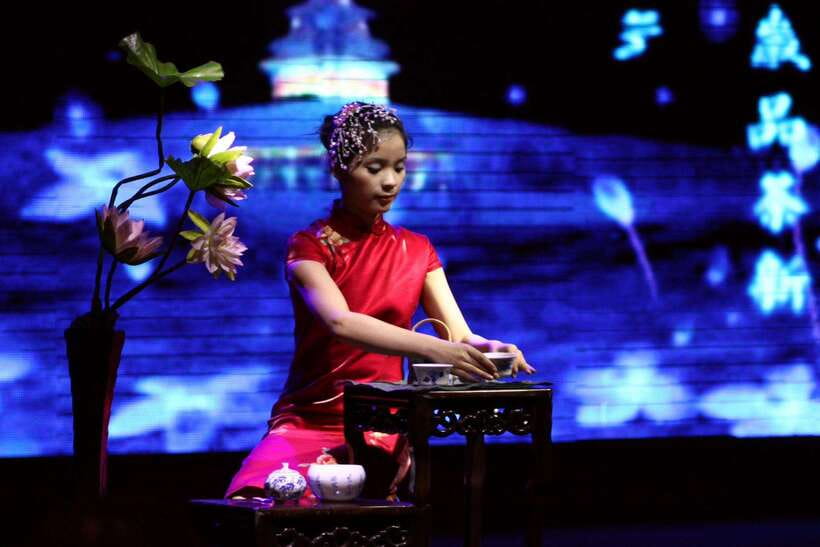
- Five mini cups: enough variety to compare aromas and flavors without feeling overloaded.
- Real brewing technique: warming the teapot, water temperature, and steeping time get explained step-by-step.
- Multiple tea types: you get a tasting path that often includes oolong, pu-erh, green, jasmine, and flower tea.
- English host/greeter: the ceremony is guided in English, and hosts have been praised for fluency.
- Optional tea purchases: shopping is at your own expense after the ceremony, if you want bottles or tins to bring home.
- Timing varies: duration can be 30 minutes to 3 hours depending on the session you choose.
Entering a Beijing tea house: what the experience actually feels like
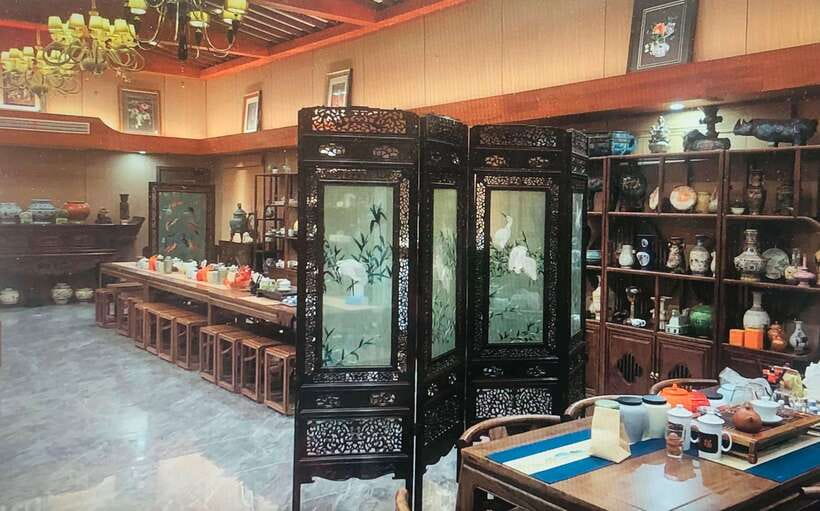
The whole point of a Chinese tea ceremony is attention. You slow down on purpose. In Beijing, that lands in a quiet room where the focus is on craft: how leaves become tea, and how people share that moment with respect.
When you arrive, you’re greeted by an English-speaking host or greeter. The tea master then leads the session as a ritual, not a performance. You’ll follow along with the steps—warming the teapot, smelling the dry leaves, and moving carefully from steeping to pouring.
This is also one of those activities where your senses do the learning. You don’t just taste; you smell first, then notice how aroma changes as the tea brews. It’s the kind of “small” activity that still feels meaningful because it gives you repeatable skills and not only a photo.
You can also read our reviews of more tours and experiences in Beijing.


What you taste: oolong, pu-erh, green, jasmine, and flower tea
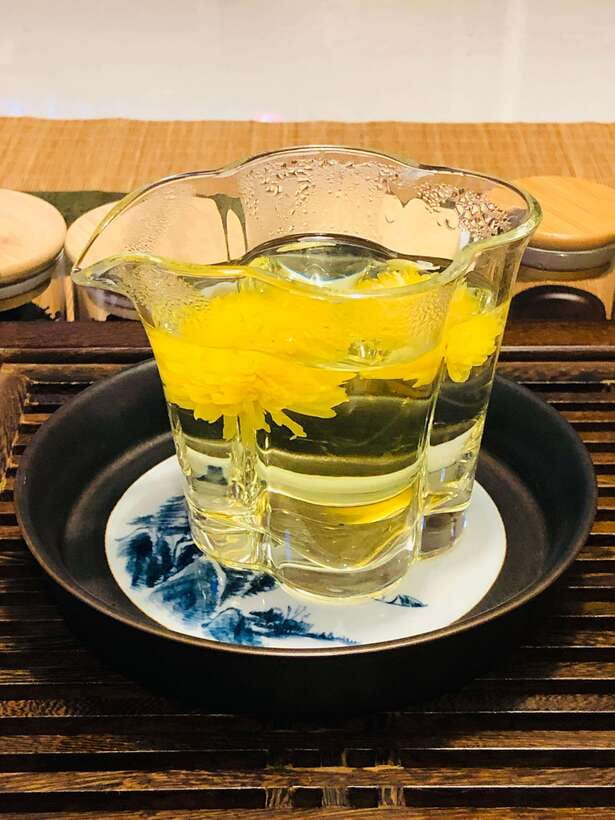
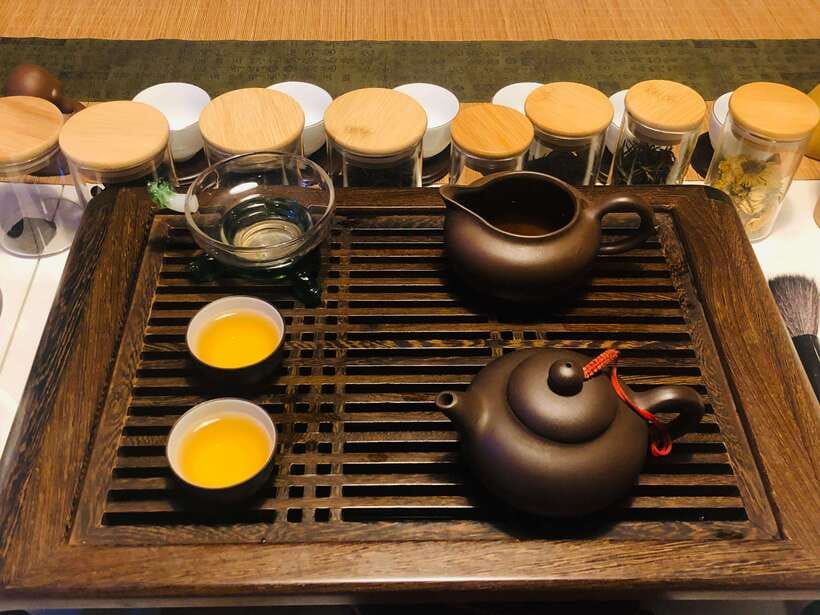
A big reason this ceremony is worth your time is the variety. The format is built around multiple tea types, and each one teaches you something different.
Expect tasting that can include:
- Oolong: often fragrant and layered, with aroma that changes as you sip.
- Pu-erh: earthy and mature in character, typically appreciated after you learn what to notice.
- Green tea: fresher, more vegetal, and usually clearer in flavor.
- Jasmine tea: floral aroma with a smoother finish that many people find instantly enjoyable.
- Flower tea: designed for fragrance and visual appeal, with a lighter, more aromatic profile.
The five mini cups matter here. Mini servings help you compare teas side-by-side instead of getting stuck in one strong flavor all the way through. If you usually think tea is either bitter or sweet, this setup makes you see tea as aroma first, then flavor second.
If you’re traveling with kids, this is one of the tea activities that can work well because the tasting is short and interactive. Just note the basic rule: it is not suitable for children under 7, and it is also not suitable for pregnant women.
The ritual steps: warmth, timing, and the pour that changes everything
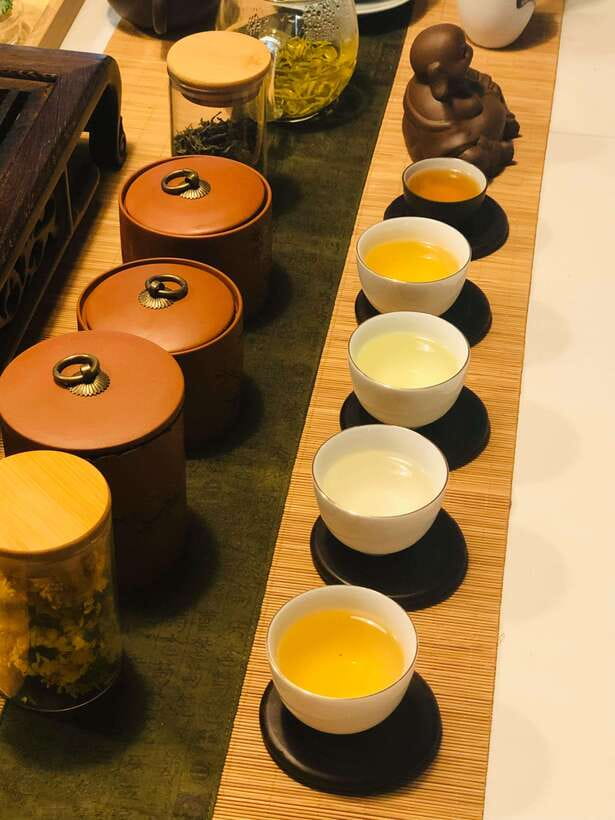
You’re not just drinking. You’re learning the sequence—because in tea, sequence equals taste.
Here’s what you can expect the tea master to walk you through:
- Warming the teapot: this is small, but it sets the stage for a steadier brew.
- Smelling quality leaves: you get to notice how good tea often smells even before water touches it.
- Water temperature: you’ll learn that hotter water doesn’t automatically mean better tea. Different teas respond differently.
- Steeping timing: the ceremony teaches that seconds matter. Too long and tea can go flat or harsh; too short and you miss the structure.
- Pouring style: how you pour affects how the tea releases its aroma and how you experience each cup.
One practical tip: slow down your tasting. Take one sip, then smell again. Many people realize they like tea more when they treat it like aroma tasting first, not just flavor chasing.
Also, because you’re watching someone do this precisely, you get a “why” with each step. That’s what turns a one-time activity into knowledge you can use later at home.
English guidance that keeps it from feeling intimidating
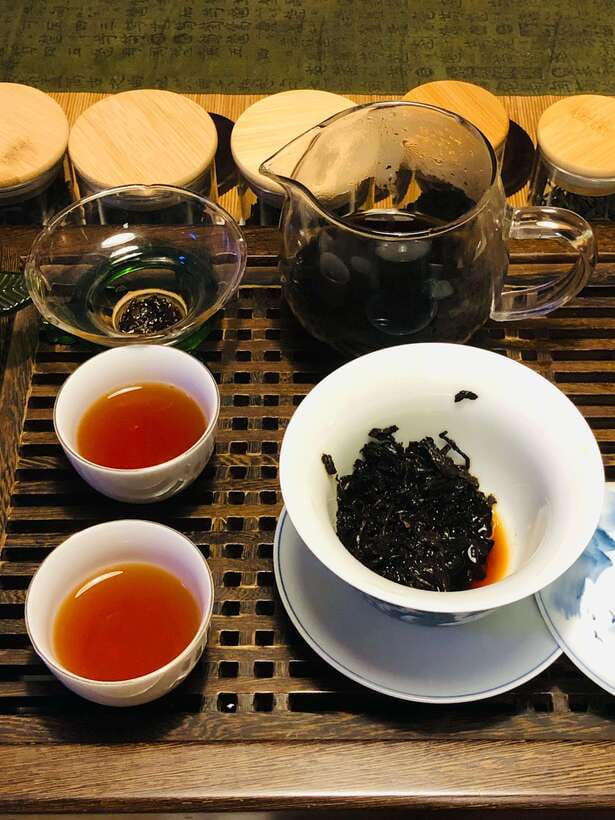
Tea ceremonies can sound fancy in a way that makes you worry you’ll mess it up. Here, the English guidance does a lot to break that tension.
Hosts like Richard Li, Ricardo, and Kostya have been praised for strong English and friendly teaching style. I like that it’s presented as understandable and approachable. You’re not expected to already know tea vocabulary.
A couple of small things that make the experience feel well run:
- The tea master explains what you’re doing while you’re doing it.
- There’s patience for people who are new to the process.
- The vibe is social and light, even when the technique is precise.
If you’re the type who hates awkward silence, you’ll probably relax quickly. The ceremony gives you a built-in rhythm: listen, smell, brew, sip, compare.
The price question: is $9 really fair for this?
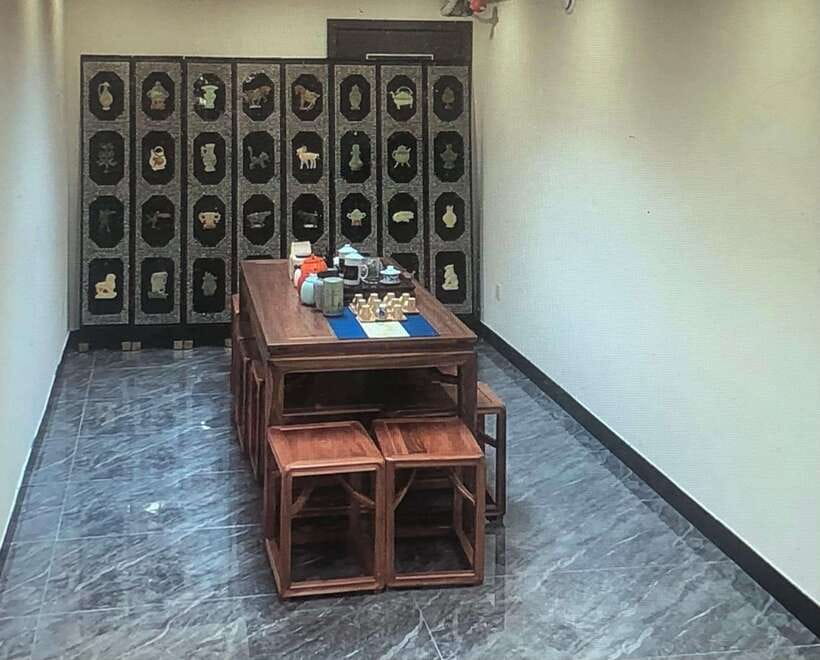
At about $9 per person, this feels priced for value, not luxury. And the package supports that.
Included in the standard offer:
- The tea ceremony
- Five mini cups of tea
That’s the core value. You’re paying for an experienced tea master to guide you through multiple tea types and teach you how the brewing steps affect aroma and flavor.
What’s not included:
- Transportation
- A tour guide for broader sightseeing
- Shopping expenses (you can buy tea at your own cost afterward, but it’s optional)
- Any other extras not listed as included
So here’s my straight advice: treat it as a focused activity. You’re not getting a full-day city tour. You are getting a short course in tea technique and taste, guided in English, in a traditional setting.
If you compare it to buying tea tastings at specialty shops that often only show you one or two types, the five-mini-cup structure is a big deal.



Duration 30 minutes to 3 hours: how to plan your time
The duration is listed as 30 minutes to 3 hours. That range can sound vague, but you can plan around it like this:
- If you’re booking as a short break between major sights, aim for the shorter end and expect a tighter sequence of tastings and instructions.
- If you want a deeper feel and more time to ask questions, pick a longer session when available.
In practice, the ceremony is built around a sequence of steps plus tasting. That takes time, especially when the tea master explains water temperature and timing clearly. Also, some sessions are simply longer because people are curious and want more comparison.
Plan your day with a little buffer. Beijing traffic and walking can be unpredictable, even if the tea ceremony itself is smooth.
Meeting point reality: show up ready to find it
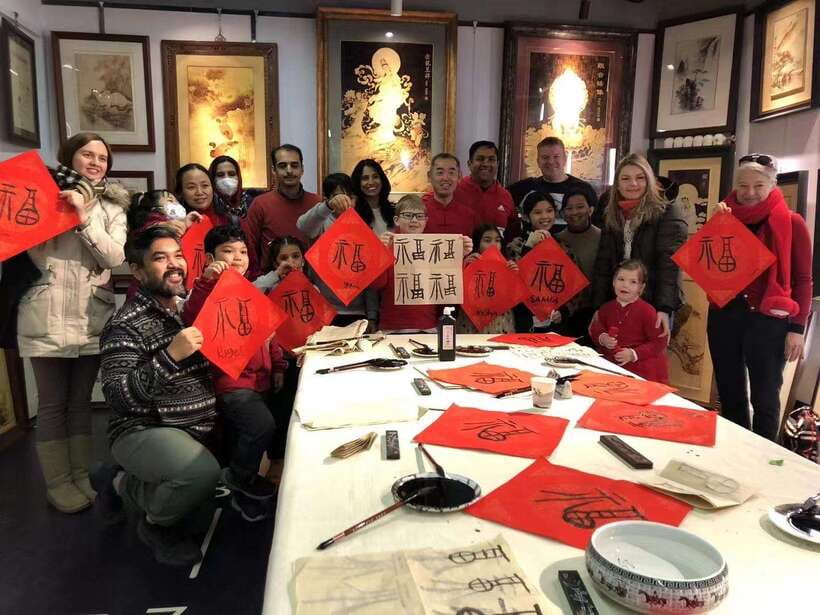
The meeting point may vary depending on the option you book. So don’t treat the address in your head like it’s fixed forever.
You’ll want to check the exact details tied to your booking. The host or greeter is English-speaking, and after the ceremony, the tea master manager will walk you back to the meeting point.
One small practical note: when booking, you’re asked to leave a WhatsApp number. That’s helpful because it makes last-minute contact easier if you run into transport delays.
Is this worth it after big Beijing sights?
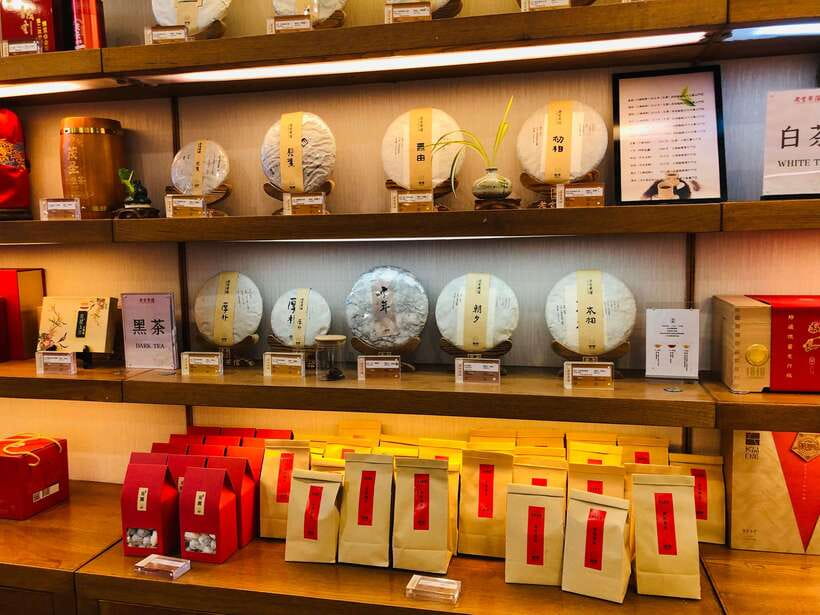
Yes, it’s a strong add-on when you’ve been walking all day.
A tea ceremony gives your brain a different kind of task: noticing scent, timing, and texture instead of matching landmarks. It also tends to be a calmer reset than another museum stop.
If you’ve just come from major attractions, you’ll probably appreciate how the session slows your pace. Just be sure you’re not so rushed that you can’t sit and focus—this activity works best when you let the ritual play out.
Hutong Calligraphy and the question of extras
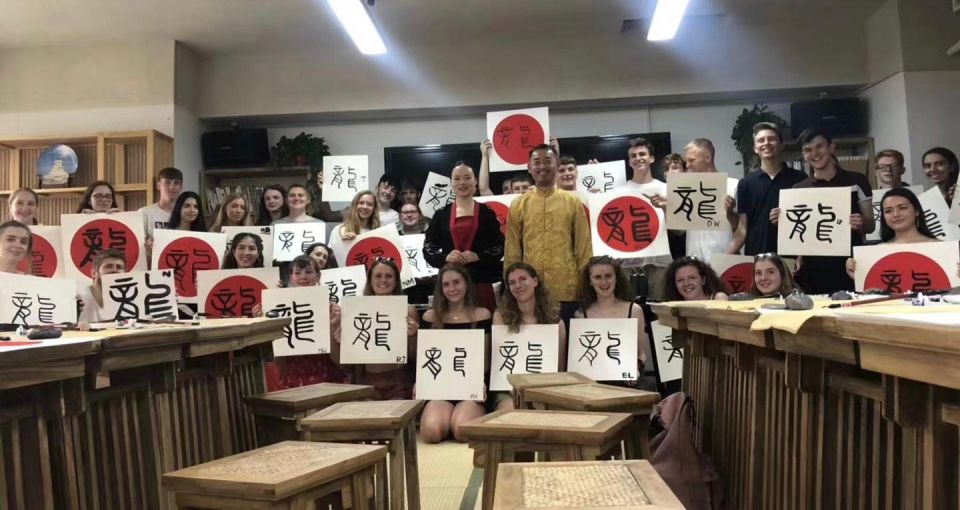
The experience is operated by Hutong Calligraphy. Even if your core session is the tea ceremony, it’s worth knowing that this operator is associated with calligraphy.
Some people have described calligraphy experiences happening in the same general outing, while others focus only on tea. I’d treat calligraphy as a possible bonus rather than a guarantee, unless your booking details clearly say it’s included.
If calligraphy matters to you, ask what’s part of your specific session. It’s the easiest way to avoid disappointment.
Tips to get more out of your tea tasting (without overthinking it)
You don’t need to be a tea expert. But a few habits will help you enjoy it more:
- Smell before you sip: you’ll learn faster and notice differences between teas.
- Take small sips: these are mini cups for a reason—comparison matters.
- Ask one good question: pick one—like how water temperature changes the taste—and you’ll remember the answer.
- Pay attention to timing: even if you can’t reproduce the exact minutes at home, you’ll understand why “oversteep” changes flavor.
- Skip the shopping pressure: you can buy tea afterward, but shopping isn’t required. Decide after you’ve tasted.
Also, be on time. When someone arrives late, they may still be accommodated, but you shouldn’t count on a rescue every time. Showing up calmly makes the ceremony feel easier.
Who should book this Beijing tea ceremony
This works best for you if you:
- Want a cultural activity that’s more than a photo stop.
- Like hands-on experiences and learning by doing.
- Enjoy comparing flavors and aromas.
- Prefer a smaller, focused activity rather than a long, crowded tour.
It may not be the best fit if you:
- Want transportation included.
- Need a full sightseeing itinerary with a broader tour guide.
- Fall into the ineligibility category (children under 7 or pregnant women), since the experience is not suitable for those groups.
Should you book this Traditional Chinese Tea Ceremony in Beijing?
If you’re choosing one “culture lesson” in Beijing and you want something practical—something you can bring home in the form of technique and taste—this is a smart pick. The five mini cups and the step-by-step guidance from a tea master make the $9 price feel grounded, not gimmicky.
My call: book it if you can reach the meeting point on your own and you’re okay treating it as a focused ritual. Skip it if you’re looking for transportation and broad sightseeing. If you’re curious about tea and want to understand the why behind the flavors, you’ll likely have a very satisfying hour or two.
FAQ
How much does the Traditional Chinese Tea Ceremony cost?
It’s priced at $9 per person.
How long is the tea ceremony?
The duration ranges from 30 minutes to 3 hours, depending on the starting time available.
What’s included in the price?
The experience includes the tea ceremony plus 5 mini cups of tea.
Is transportation included from my hotel or a transit stop?
No. Transportation is not included. You’ll need to make your own way to the meeting point.
Do I need a tour guide for sightseeing?
No. A tour guide is not included. The tea master/host handles the ceremony in English.
What language is the host or greeter?
The host or greeter is English-speaking.
Which teas will I taste?
The tea ceremony can include oolong, pu-erh, green tea, jasmine tea, and flower tea.
Can I buy tea after the ceremony?
Yes, you have the option to purchase tea afterward, but shopping expenses are at your own cost.
Is this activity suitable for children?
It is not suitable for children under 7.
What information do I need to provide when booking?
You should leave a WhatsApp number when you book.
Is there free cancellation?
Yes. You can cancel up to 24 hours in advance for a full refund.