Learn Shanghai soup dumplings, vegan style. I love the small-group coaching from Chef Yin and how you learn the whole craft step by step, from dough and wrappers to pleated dumplings. One consideration: it is not recommended for travelers with gluten allergies, since this is standard dumpling-making with wrappers.
You can choose a breakfast, lunch, or evening class depending on your schedule. I also like the practical setup: good coffee and/or Chinese tea is included, and the experience ends back at the meeting point so you can keep moving through Shanghai easily.
In This Review
- Key Things To Know Before You Go
- Shanghai Soup Dumplings, Vegan Style: What Chef Yin Teaches
- Price And Time: Is $96 Worth 2.5 Hours?
- Getting There In Xu Hui: Finding The Meeting Point Fast
- What Happens In Class: Dough, Wrappers, Vegan Filling, And Dumpling Workflow
- Dough making
- Wrapper making
- Vegan filling preparation
- The Pleating Lesson: Sealing The Soup Dumpling Without Stress
- Steaming And Enjoying: The Moment It All Comes Together
- Who This Vegan Soup Dumpling Class Is Best For
- Practical Tips To Get More From Your Class
- Should You Book This Vegan Soup Dumpling Making Class?
- FAQ
- How long is the vegan soup dumpling making class?
- What does the class cost?
- Are there different class times available?
- How many people are in the group?
- Where is the meeting point, and is it near transit?
- What’s included with the ticket?
- Is this class recommended for people with gluten allergies?
- Can I cancel and get a full refund?
Key Things To Know Before You Go
- Chef Yin leads the class and gives personalized tips while you practice shaping
- Full dumpling workflow: dough, wrapper, vegan filling prep, pleating, then steaming
- Small group (max 15), which makes it easier to get corrections instead of watching from the sidelines
- Tea and an apron are included, so you’re not showing up empty-handed
- No gluten allergy friendly instruction for this class, so plan accordingly
Shanghai Soup Dumplings, Vegan Style: What Chef Yin Teaches
If you’ve ever watched a soup dumpling stall go to work, you already know the hard part isn’t eating—it’s making. The classic Shanghai version is known for its careful folding and the way the filling turns into a warm, soupy bite when steamed. In this class, you get the same core technique, but in a vegan format, so you can learn the method without the usual meat-based flavor profile.
What makes this class feel practical is that you’re not just assembling dumplings. You learn the process chain: dough making, wrapper making, vegan filling preparation, then shaping and cooking. That matters because dumplings are a system. If one step is off, the next step fights you. A good teacher helps you avoid the most common timing and texture problems before they become a batch of sad dumplings.
Chef Yin is the guide, and the vibe is friendly and focused. People often leave classes remembering a good meal, but the bigger payoff here is getting the technique in your hands—especially the pleating, which is where soup dumplings earn their reputation.
You can also read our reviews of more tours and experiences in Shanghai.



Price And Time: Is $96 Worth 2.5 Hours?
At $96 per person for an experience that runs about 2 hours 30 minutes, you should think of this as a skill class, not a quick snack stop. Cooking classes are often expensive because they supply materials, tools, and instructor time. Here, the ticket includes apron, materials, and tools, plus coffee and/or tea. That combination helps the value feel more like a workshop than a restaurant-style meal.
You also get a group-limited format: up to 15 people. That size is important. With bigger groups, it’s common to spend half your time waiting. With a smaller setup, the instructor can correct your pleats and sealing faster, which is exactly what you need for a soup dumpling style outcome.
The class is also flexible by time of day. If you pick a breakfast, lunch, or evening slot, you’re less likely to waste one of your best daylight hours. And since the experience ends where you start, it’s easier to fit into a packed Shanghai day without a long detour.
Finally, booking tends to happen in advance (on average around 11 days ahead). If you already know the time window you want, it’s smarter to reserve early so you’re not choosing from leftovers.
Getting There In Xu Hui: Finding The Meeting Point Fast
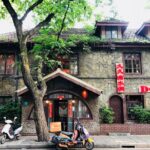
The meeting point is in Xu Hui District, near public transportation, at:
China, Shang Hai Shi, Xu Hui Qu, 广元路190弄近天平路, 邮政编码: 200030.
This part is underrated in planning. In Shanghai, time disappears fast when you’re figuring out addresses. Since this class is near transit and ends back at the same meeting point, you don’t need to build a complicated route plan to get home afterward.
My practical advice: arrive a little early and plan for the fact that a cooking class starts on time, not when the group finishes gathering. If you’re traveling with friends, don’t split up while finding the exact location. Meet, check in, then settle.
What Happens In Class: Dough, Wrappers, Vegan Filling, And Dumpling Workflow
You’ll work through the full chain, not just the last step. The class is organized so you learn what each part is for and how to do it.
Dough making
You start by making the dough. This is where you learn how the dough behaves, how it should feel while working it, and what makes it workable for wrappers. Dumpling dough is usually forgiving in small ways, but it’s sensitive in larger ones. A teacher’s correction early can save you later.



Wrapper making
Next comes wrapper making. This is where your hands learn a new rhythm. Even if you’ve eaten soup dumplings before, making wrappers forces you to pay attention to thickness and consistency. Too thick and the dumpling becomes heavy. Too thin and it becomes hard to seal.
Vegan filling preparation
Then you move to the filling. You’ll be working with a vegan filling, and the class includes cooking the vegan filling during the session. The goal isn’t just taste—it’s texture. A filling that’s too wet can make sealing harder, while a filling that’s too dry can affect the final bite.
Also, there’s a time-saving element in how prep is handled. In practice, you’re not stuck doing every tiny prep task at the cutting board. That helps you spend more of your 2.5 hours on the parts that teach the real technique: shaping and pleating.
The Pleating Lesson: Sealing The Soup Dumpling Without Stress
If you want one moment to focus on, it’s shaping. This is where Chef Yin spends real time teaching the traditional pleating method. The pleats aren’t only decoration. They help you create a secure seal around the filling.
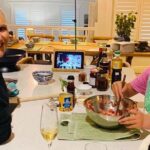
You practice creating your own dumplings, and you get personalized tips and corrections while you work. That’s the difference between learning a trick and learning a technique. When you’re forming pleats, small changes matter: where you pinch, how much tension you use, and how evenly you fold. A good instructor can spot the issue faster than you can feel it.
This is also the part that tends to make the class fun. One person teaching can keep the energy up without rushing. It helps when the teacher has both skill and a relaxed style. Chef Yin’s approach is described as warm and welcoming, and that matters because dumpling-making can feel awkward at first. You’re training your hands, not proving you already know.
If you’re worried about getting it wrong, you shouldn’t be. This class is built for practicing. The “success” isn’t that every dumpling looks identical. It’s that you understand how the folds and seal work so your next batch improves.
Steaming And Enjoying: The Moment It All Comes Together
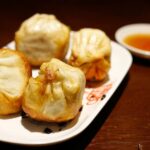
After shaping, you move to cooking, and then you enjoy what you made together. Steaming is the natural next step for soup dumpling technique because it preserves that tender wrapper texture while transforming the filling.
This is the payoff: you can taste the result of each earlier step. When wrapper and filling are balanced and the seal is solid, the dumpling delivers that classic warm, juicy bite. And when the pleats are well formed, you’re less likely to end up with dumpling shapes that collapse.
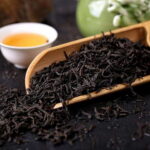
You’ll also have tea and/or coffee included as part of the class, and the tea selection is described as good and seasonal. That might sound minor, but it’s a nice touch because it slows you down while you eat something you made with your own hands.
Who This Vegan Soup Dumpling Class Is Best For
This is a great pick if you want a hands-on Shanghai food experience with a clear skill outcome. You’re not just watching cooking from behind glass. You’re learning how the dumpling is built, which is valuable if you like making food back home.
It’s also a good fit for people who want structure. The class walks you through each step—dough, wrappers, vegan filling, pleating, then steaming—so you always know what you should be doing next.
Families can work too. The class has a track record of being enjoyable for teens alongside adults, which suggests the pace and teaching style can handle a mixed age group.
Who should think twice: anyone with gluten allergies. The class isn’t presented as gluten-free, so you don’t want to gamble with wrappers.
Practical Tips To Get More From Your Class
First, choose the time slot that matches your energy. A breakfast or lunch class can slot into a half-day plan, while an evening session can work if you’re saving your main food activity for night. Since you have choices, pick what reduces stress on travel and hunger.
Second, treat this like a hands-on workshop. Even if you cook at home, dumpling technique is specific. You’ll get the most value if you focus on the instructor’s corrections during shaping rather than trying to make perfect dumplings from your first try.
Third, come ready to learn, not just to eat. The included tea and the dumplings you make are the reward, but the real reason to book is the technique: dough texture, wrapper making, and especially pleating and sealing.
Finally, if you’re pairing this with other Shanghai plans, keep your schedule simple. The class ends back at the meeting point, which makes it easier to move on without complicated coordination.
Should You Book This Vegan Soup Dumpling Making Class?
Book it if you want a small-group, full-process cooking skill in Shanghai, led by Chef Yin, with personalized coaching during the most important step: shaping and sealing. The included tea/coffee and the tools and materials lower the “extra cost” feeling, so $96 reads more like a workshop rate than a random activity price tag.
Skip it or plan carefully if you have gluten allergies, since the class is not positioned as gluten-free. Also, if you’re expecting a quick show-and-eat experience, this one is built for making. That’s the point.
If you want a memorable Shanghai moment that’s not just sightseeing—and you’ll enjoy learning a technique you can use again—this class is a strong choice.
FAQ
How long is the vegan soup dumpling making class?
The class runs for about 2 hours 30 minutes.
What does the class cost?
The price is $96.00 per person.
Are there different class times available?
Yes. You can choose a breakfast, lunch, or evening class to fit your schedule.
How many people are in the group?
The class has a maximum of 15 travelers.
Where is the meeting point, and is it near transit?
You meet in Xu Hui District at 广元路190弄近天平路, 邮政编码: 200030. It is near public transportation.
What’s included with the ticket?
Coffee and/or tea are included, along with an apron and the materials and tools needed to make vegan soup dumplings.
Is this class recommended for people with gluten allergies?
It is not recommended for travelers with gluten allergies.
Can I cancel and get a full refund?
Yes. You can cancel up to 24 hours in advance for a full refund. If you cancel less than 24 hours before the start time, the amount paid is not refunded.