REVIEW · BEIJING
14-Day Small-Group Tour to Beijing, Xi’an, Chengdu, Yangtze, Chongqing, Shanghai
Book on Viator →Operated by Travel China Guide · Bookable on Viator
Tiananmen to the Bund, this trip moves with purpose. I like how it layers top sights that actually connect in a logical route, with big-ticket stops like the Forbidden City and Great Wall handled in a paced, guided way. Another plus is the on-the-ground help, including airport meet-ups and clear day-by-day structure.
My second favorite part is the Yangtze cruise—it turns travel time into sightseeing time, with the Three Gorges highlights built right in. You also get a real meal plan (breakfasts, several lunches, some dinners), plus entrance fees and transport, so you can stop doing math mid-trip.
One drawback to consider is the pace: you’ll move cities by flight and high-speed train, and there are a lot of planned stops per day. If you hate schedules, you may want to pair this with extra downtime in one or two cities after the tour.
Key highlights at a glance
- Small group size (max 18) with professional English-speaking guides
- Beijing classics with timing help: Tiananmen Square, Forbidden City, Temple of Heaven
- Mutianyu Great Wall with round-trip cable car plus a Hutong rickshaw ride
- Terracotta Warriors with hands-on clay warrior activity
- Chengdu panda day at the Giant Panda Research Base plus local tea time
- 2-night Yangtze cruise including Shennv Stream and Three Gorges Dam excursion
In This Review
- Beijing With a Guide: Tiananmen, Forbidden City, and Temple of Heaven
- Red Theater Acrobatic Show and Hutong Rickshaw Time
- Mutianyu Great Wall by Cable Car (Plus a Toast on the Wall)
- Summer Palace and Fast Transfer to Xi’an
- Xi’an: Terracotta Warriors, Wild Goose Pagodas, and Muslim Quarter Area
- Chengdu: Giant Pandas, Kuanzhai Alleys, and Tea-Time Chengdu Park Life
- Yangtze Cruise Details: Fengdu Ghost City, Shennv Stream, and Three Gorges Dam
- Shanghai: Museum, Yuyuan Garden, and the Bund on the Huangpu River
- Guides, Hotels, and Small-Group Feel That Actually Helps
- Price and Value: What $3,179 Covers (and What It Doesn’t)
- Should You Book This Beijing to Shanghai Small-Group Tour?
- FAQ
- What is the tour duration and start time?
- Does this tour include hotel stays and room type?
- What transportation is included between cities?
- Are meals included?
- Which shows or performances are included?
- Are entrance fees included?
- Is there any shopping detours or factory stops?
- Is the tour refundable if you cancel?
Beijing With a Guide: Tiananmen, Forbidden City, and Temple of Heaven
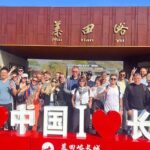
Beijing can feel like a lot. This route keeps you oriented from the first moments: on Day 1, you get met at the airport and driven to your hotel, then Day 2 starts with Tiananmen Square and flows straight into the Imperial story.
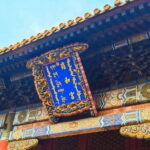
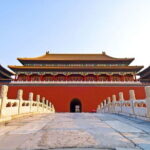
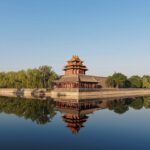
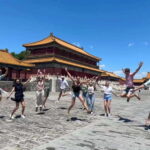
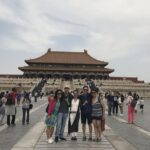
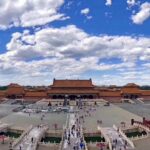
At the Forbidden City (Palace Museum), you’re not just looking at buildings. The guide context matters here: you’ll learn how emperors handled political affairs and how they lived. That makes the hours inside feel less like museum wandering and more like you’re following a timeline.
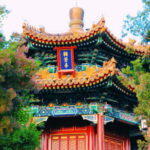
Then comes the Temple of Heaven, where emperors worshipped with the goal of good harvests. It’s a different kind of architecture than the Forbidden City—more open, more sky-focused—and it gives you a nice change of pace before evening entertainment.
A small but smart touch: there’s a welcome lunch that includes Peking roast duck, served as an a la carte meal. This is the kind of included meal that helps you start eating well without spending energy figuring out what’s safe and good.
Red Theater Acrobatic Show and Hutong Rickshaw Time
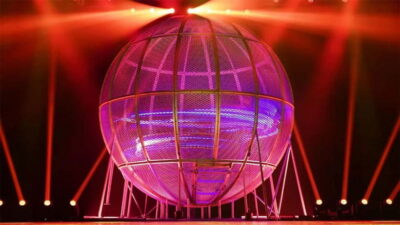
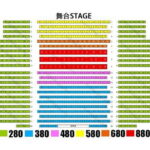
After a heavy day of history, you get a night break with the Red Theater acrobatic show. It’s included, and it’s one of those activities that travels well after a long day—bright, easy to follow, and not dependent on your language skills.
On Day 3, the tour hits the Great Wall early, then adds a city texture with the Hutong rickshaw tour. Hutongs are the old alley neighborhoods, and riding through them gives you a different view of Beijing than you get from major boulevards. You can also have a chance to visit a local family area, which makes the alleys feel more human and less like a postcard.
There’s also an Olympic photo stop at the Bird’s Nest (Niaochao National Stadium). It’s short, not a full visit, but it’s a good snapshot if you like modern China alongside the old.
You can also read our reviews of more tours and experiences in Beijing.
Mutianyu Great Wall by Cable Car (Plus a Toast on the Wall)
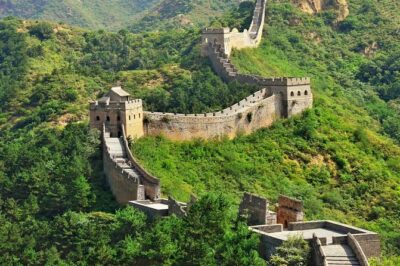
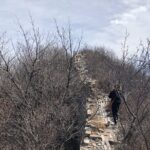
Mutianyu is one of those Great Wall choices that tends to feel more manageable than the busiest sections. The tour takes you to Mutianyu and includes round-trip cable car time. That matters if you’re not trying to spend your best energy climbing stairs all day.
Standing on the wall and looking out in both directions is the payoff. You can see why this place became a must-see for centuries, and the cable car option keeps the focus on views rather than exhaustion.
The included “group-toasting” moment with red wine on the Great Wall is a fun detail. It turns a sightseeing stop into a memory—especially if you’re traveling with others and want a shared highlight that feels more special than another group photo.
Summer Palace and Fast Transfer to Xi’an
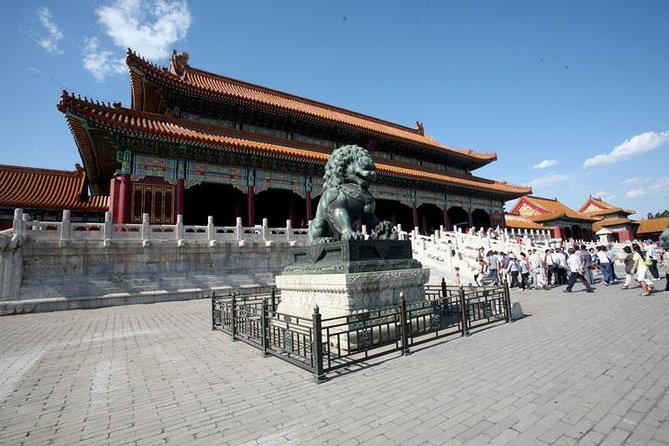
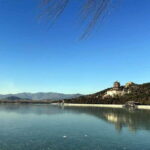
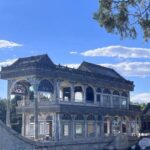
Day 4 mixes culture and logistics in a way that’s usually hard to pull off. You start with the Summer Palace, described as the largest existing imperial garden, with big scenery and impressive constructions. Even if you’re not a garden person, it works because the space helps you breathe after the intensity of the previous days.
Then it’s onward: you fly to Xi’an and check in downtown. Getting Xi’an quickly is key here, because you’re about to hit one of China’s most famous archeology experiences.
This is also where I like the guide structure: the handoff from one city to the next is handled for you, so you’re not stuck doing last-minute train booking or wandering for transportation.
Xi’an: Terracotta Warriors, Wild Goose Pagodas, and Muslim Quarter Area
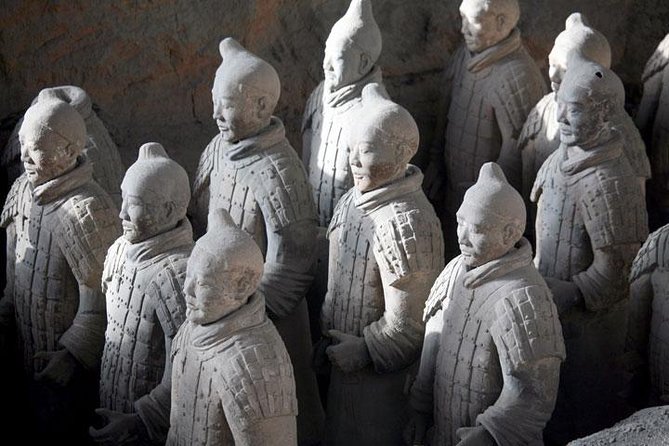
Xi’an’s strongest “wow” factor is obviously the Terracotta Warriors and Horses. The visit isn’t just to the pits; you also go into the museum context with three excavated pits and then connect it to discovery and craft through a stop at the home of the first discoverer. That makes the story feel complete instead of purely visual.
There’s also a hands-on moment: you’ll make a mini clay warrior with help from a local artisan. If you like souvenirs that aren’t mass-produced, this kind of activity hits the sweet spot.
In the afternoon, the Big Wild Goose Pagoda visit adds another layer. It was built in the Tang dynasty to store Buddhist scriptures from ancient India. That’s a detail that gives the pagoda meaning beyond being a tall structure for photos.
If your dates allow it, the evening includes a Tang Dynasty Music and Dance Show plus a dumpling dinner. One practical note from the schedule: the show is available Apr to Nov. If you travel outside those months, this part isn’t included.
Day 6 rounds Xi’an out with variety. You’ll visit the City Wall Park area, practice Tai Chi with a master, and then tour the Xi’an City Wall itself. Cycling on the wall is mentioned as a common option, but the rental fee isn’t included—so think of it as a “maybe add” rather than part of the core tour cost.
You also get Islamic heritage stops: Muslim Quarter lunch suggestions (lunch itself not included) and the Great Mosque of Xi’an. Then there’s the Small Wild Goose Pagoda, which also houses the Xi’an Museum. It’s a good way to keep your archeology-to-architecture arc going without feeling like you’re repeating the same kind of site.
Chengdu: Giant Pandas, Kuanzhai Alleys, and Tea-Time Chengdu Park Life
Chengdu is a nice shift in tone after the big-historic load. You take a morning high-speed train to Chengdu, about 4 hours, and arrive with enough time to settle in before the panda day.
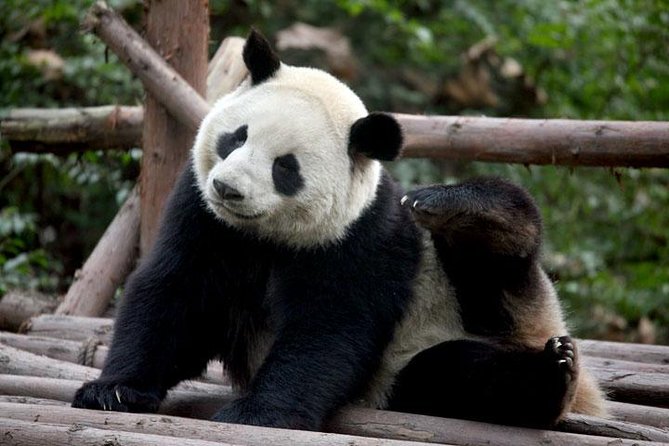
On Day 8, the standout is the Chengdu Research Base of Giant Panda Breeding. The tour doesn’t treat pandas like a quick checklist. You’re there in the morning when pandas feed and play, and the time block is built so you can watch behavior rather than just snap photos and leave.
Then you get Kuanzhai Alley (Broad and Narrow Alleys). Even though lunch there isn’t required, it’s an easy area to grab something local with guidance.
The Jinsha Site Museum adds another ancient layer—this one is about a site dating back around 3,000 years. There’s a smart schedule workaround too: if your visit lands on a Monday and Jinsha is closed, the tour arranges the Thatched Cottage of Du Fu instead.
The day ends with Chengdu Renmin Park, where you’ll have a tea break and experience casual local life. It’s not a major landmark in the headline sense, but it’s one of those moments that makes the trip feel real.
Yangtze Cruise Details: Fengdu Ghost City, Shennv Stream, and Three Gorges Dam
This is the emotional core of the itinerary. Day 9 takes you from Chengdu toward Chongqing and sets you up for the ship experience. After arriving, you visit Jiefangbei Square and Ciqikou (Porcelain Port), then board a five-star Yangtze cruise ship. You also get a buffet dinner onboard and a welcome party hosted by the captain.
Once you’re on the water, the plan becomes more relaxed in the right ways. On Day 10, you disembark for Fengdu Ghost City, then the afternoon is free for scenery on deck. That free deck time matters because it gives you a break from bus schedules and lets the river take over.
Day 11 is one of the most important sightseeing days. The ship sails through the Qutang, Wu, and Xiling gorges, and you also do an onshore excursion to Shennv Stream, which is the tour’s “essential” stop for the gorges experience.
Day 12 shifts from sightseeing to engineering wonder. You disembark for the Three Gorges Dam Project excursion, and after that you’re transported to the Three Gorges Tourist Center in Yichang, then taken by guide to Yichang East Railway Station for the train to Shanghai.
If you like the idea of seeing both nature and a giant modern project tied to it, this day hits the right balance.
Shanghai: Museum, Yuyuan Garden, and the Bund on the Huangpu River
Shanghai is a clean finish: you arrive by high-speed train after the Yangtze day, check in, then do a strong sightseeing block.
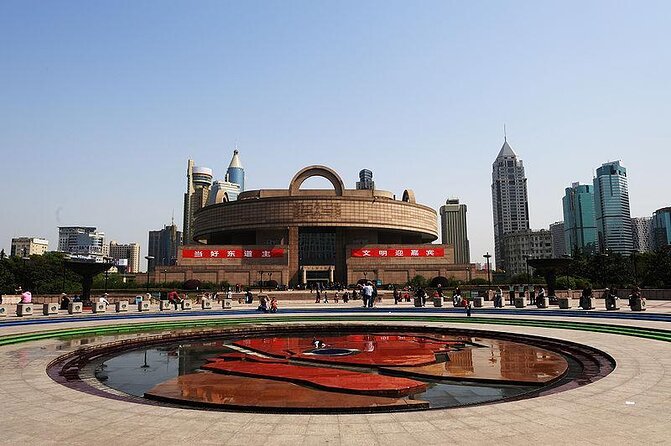
Day 13 starts with the Shanghai Museum, one of China’s largest museums. It focuses on art from ancient times, which works well after all the imperial and historical themes you’ve already seen.
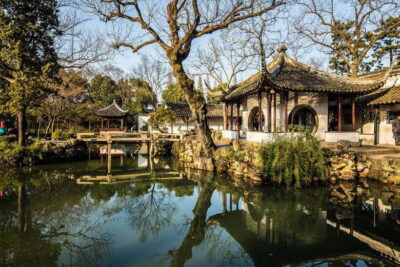
Next is Yu Garden (Yuyuan) and the nearby traditional bazaar area. The highlight here is the Nine Zigzag Bridge, built of granite with grass-white jade, plus the elegant mid-lake pavilion setting. It’s a nice change from strict palace geometry.
There’s also a welcome-to-china-to-modern flow with lunch and a view day. You get an included a la carte farewell lunch (valued at CNY150), then you head to the Bund area and take a one-hour cruise on the Huangpu River. The tour includes the ship time, which is one of the easiest ways to see skyline variety without trying to pick the perfect photo spot on foot.
On Day 14, you eat breakfast, then handle airport transfer on your own. The tour notes hotel-airport transfers aren’t included on that final day, due to different flight schedules.
Guides, Hotels, and Small-Group Feel That Actually Helps
This tour caps at 18 travelers, so the pace stays manageable and you’re not swallowed by a huge group. You’re also working with professional English-speaking guides and drivers in air-conditioned vehicles, which is important on busy days when you’re moving between sites that don’t sit near each other.
One detail that stood out from the trip experience feedback is guide responsiveness. I liked seeing that Wendy Lee was noted as doing the job well and being very responsive. And Candy was specifically called out as an excellent guide. When a tour includes a lot of train and city handoffs, guide communication can make or break your stress level.
Hotels are described as good, with decent locations. Since you’re spending 13 nights across multiple cities, the hotel quality and neighborhood placement actually matters for sleep and meals, not just for check-in photos.
Also, you get mobile tickets, two bottled waters per person per day, and most entrance fees. Those small inclusions add up when you’re trying to keep the trip smooth.
Price and Value: What $3,179 Covers (and What It Doesn’t)
At $3,179 per person for 14 days, you’re paying for a lot of moving parts to be arranged for you: airfare from Beijing to Xi’an, multiple high-speed train legs, accommodation for twin-sharing rooms, a 2-night Yangtze cruise, guides, transport, and entrance fees.
You’re also getting a meal base: 13 breakfasts, 6 lunches, and 3 dinners are included in the plan. You won’t eat every meal inside the tour, but you won’t be stuck eating only what you can find with no guidance either.
Where the budget could shift for you is what’s not included. International airfare and China visa fees aren’t included. Some meals are optional or not covered in certain lunch stops (like the Muslim Quarter lunch area). And the Tang Dynasty show is only included in the April-to-November season window.
If you’re the kind of traveler who would otherwise spend time booking trains, hunting tickets, and figuring out local transit, this price starts to make sense fast. If you’d rather do everything on your own, this is less of a budget deal and more of a time-and-stress trade.
Should You Book This Beijing to Shanghai Small-Group Tour?
Book it if you want a guided hit list that covers the big icons without turning your days into logistics homework. It fits best if you like structure, you’re okay with some travel days (fly + high-speed trains), and you value a ship cruise experience rather than squeezing the gorges into day trips.
I’d lean toward booking if you also care about the “full package” parts: entrance fees, guides, most meals, and the Yangtze cruise that turns a long route into memorable scenery. And if you’re traveling with at least one other person, the minimum booking of 2 people works in your favor.
If you prefer slow travel, minimal scheduling, or flexible sightseeing that you plan hour-by-hour, then you may find the itinerary feels tight.
FAQ
What is the tour duration and start time?
The tour runs for about 14 days, starting at 9:00 am.
Does this tour include hotel stays and room type?
Yes. It includes hotel accommodation with twin-sharing rooms, plus accommodation on a Yangtze River cruise.
What transportation is included between cities?
The tour includes flights and high-speed train legs: Beijing to Xi’an (one-way economy airfare) and Yichang to Shanghai (one-way high-speed train), plus high-speed trains between Xi’an and Chengdu and between Chengdu and Chongqing.
Are meals included?
Yes. The tour includes 13 breakfasts, 6 lunches, and 3 dinners, with some specific meals or lunches noted as not included at certain stops.
Which shows or performances are included?
The Red Theater acrobatic show is included. The Tang Dynasty Music and Dance Show and dumpling dinner are included only from Apr to Nov.
Are entrance fees included?
Yes. Entrance fees to the listed tourist sites are included.
Is there any shopping detours or factory stops?
No. The tour specifically avoids shopping detours, factory stores, tea ceremonies, and shopping-site restaurants.
Is the tour refundable if you cancel?
No. The experience is non-refundable and cannot be changed for any reason.