REVIEW · BEIJING
Beijing: Hutongs & Drum Tower City Walking Tour
Book on GetYourGuide →Operated by JTB Travel Agency · Bookable on GetYourGuide
One walk here can feel like you stepped back in time. Hutongs weave between the lakes at Houhai and Qianhai, and you get stories tied to everyday Beijing life, not just landmarks. I also really like the way the tour bundles history with views, especially at the Drum Tower, where the square between the Drum and Bell Towers sets the mood.
The only real thing to consider is the pace and logistics. This is a walking tour with a Drum Tower climb, plus optional add-ons like a rickshaw ride and a courtyard home visit, and you’ll likely want cash for snacks and small purchases.
In This Review
- Key things I’d circle on this Beijing hutongs tour
- Hutongs by the water: why this part of Beijing still feels real
- From Shichahai to a Taoist pause near Jing-hang canal and Wanning bridge
- Yandai Byway: your snack and souvenir window on an ancient street
- Courtyard life feels different when you’re shown the layout
- The hooded rickshaw ride: why this isn’t just a photo moment
- Drum Tower square and the 600-year-old Drum Tower climb
- Food breaks that fit real Beijing (not just tourist traps)
- Price and value: what $69 gets you, and what’s on you
- Who should book this hutongs and Drum Tower tour
- Should you book this Beijing Hutongs & Drum Tower tour?
- FAQ
- Where is the meeting point for the English tour?
- How long does the tour take?
- What is the price per person?
- Is the rickshaw ride included?
- Is a home visit included?
- Are entrance tickets included?
- Do I need cash for this tour?
- What should I bring with me?
- Is the tour wheelchair accessible?
- What’s the cancellation policy?
- Is there an option to reserve without paying now?
Key things I’d circle on this Beijing hutongs tour

- Houhai + Qianhai lakeside lanes: old-city vibes right by the water
- Yandai Byway ancient commercial street: quick snack-and-souvenir window
- Taoism stop near Jing-hang canal and Wanning bridge: religion shown in context, not a textbook
- Hooded rickshaw through alleys: a “nobles and business” style ride that fits the streets
- Courtyard home visit option: layout, rooms, and friendly chatting with locals
- Drum Tower and the square: 600-year-old structure plus city views and drum performance
Hutongs by the water: why this part of Beijing still feels real
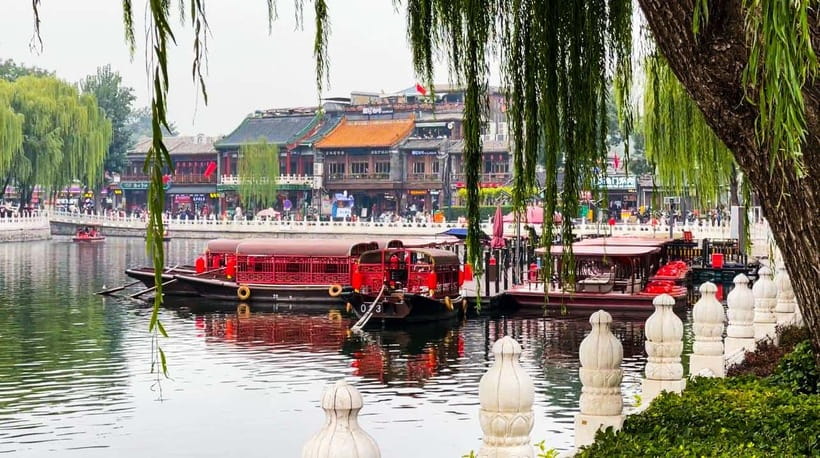
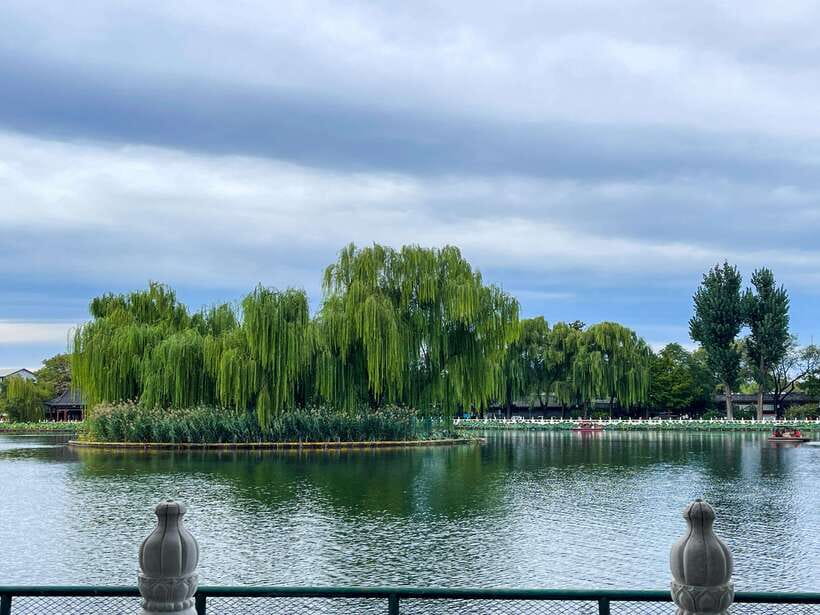
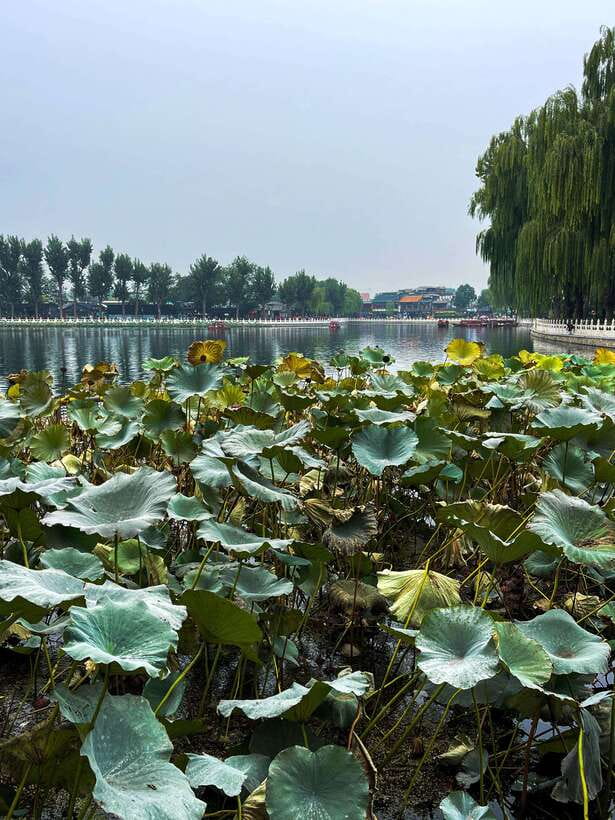
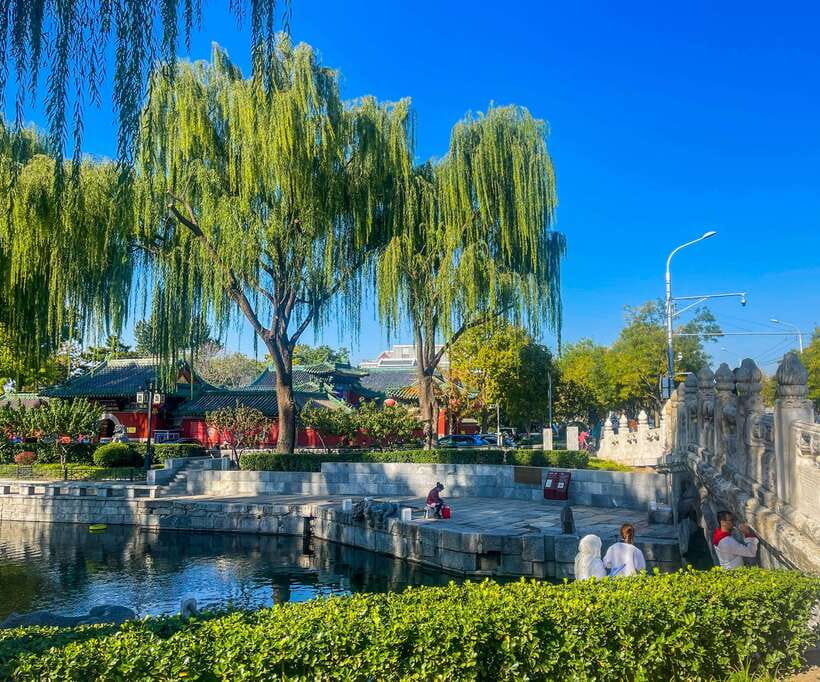
Beijing’s hutongs are more than postcard lanes. They’re the skinny arteries of the old city—alley and lane networks that used to shape how people lived, worked, and moved. What I like about this tour is its focus on hutongs near water: Houhai and Qianhai. That combination matters. The lakes bring space, breezes, and reflections, while the lanes keep the experience grounded and local.
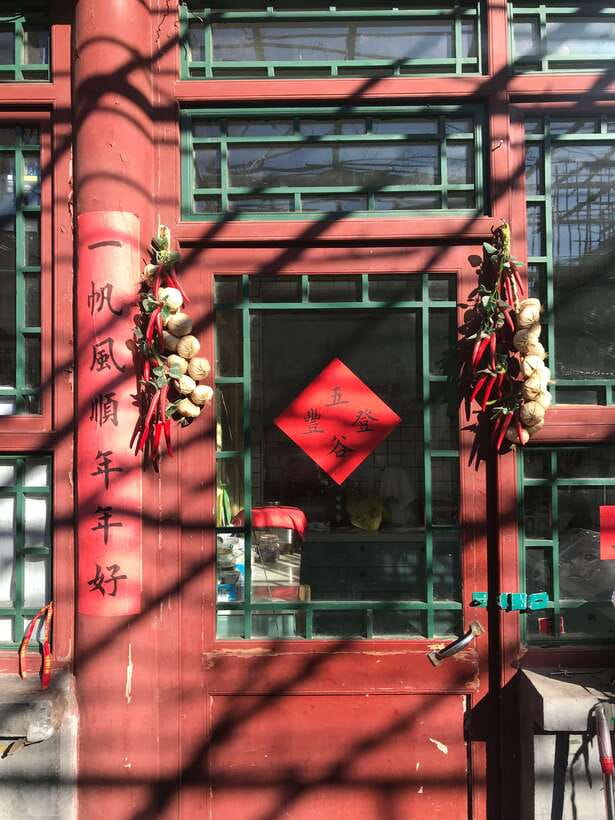
These alleys can be old—think 300 to 700 years—and the tour is built around walking through that layered feel. You’re not rushed through a single “most famous” street. You move between courtyards, small storefronts, and quiet residential corners, where the city looks like it grew over centuries instead of all at once.
And yes, you’ll hear the big-picture Beijing story too, from old dynasties to what you see now. But the practical payoff is that you start understanding why locals still use certain routes, where daily life clusters, and how courtyards and lanes shape social space.
You can also read our reviews of more tours and experiences in Beijing.


From Shichahai to a Taoist pause near Jing-hang canal and Wanning bridge
You’ll start at Exit A2 of Shichahai Subway Station (Line 8), where the English-speaking guide meets the group. This is a good start point because Shichahai is already in the “right” neighborhood for hutongs and the lake scene. In plain terms: you’re dropped into the atmosphere fast, not 45 minutes later.
One early stop is a Taoism temple located beside the Jing-hang canal and the Wanning bridge, which is tied to the Mongolian dynasty. That’s a useful combo of place and theme. You’re not just visiting a building; you’re seeing how water routes and older bridges connect into cultural life. If you’re curious about what young people believe and how religion shows up day-to-day, this kind of stop gives you a grounded starting point.
What to watch for: the mood shift. Temple stops typically feel quieter and slower than market streets. It’s the moment when the tour’s “local life” angle becomes real—people treat these spaces as part of the city’s rhythm, not a set.
Yandai Byway: your snack and souvenir window on an ancient street
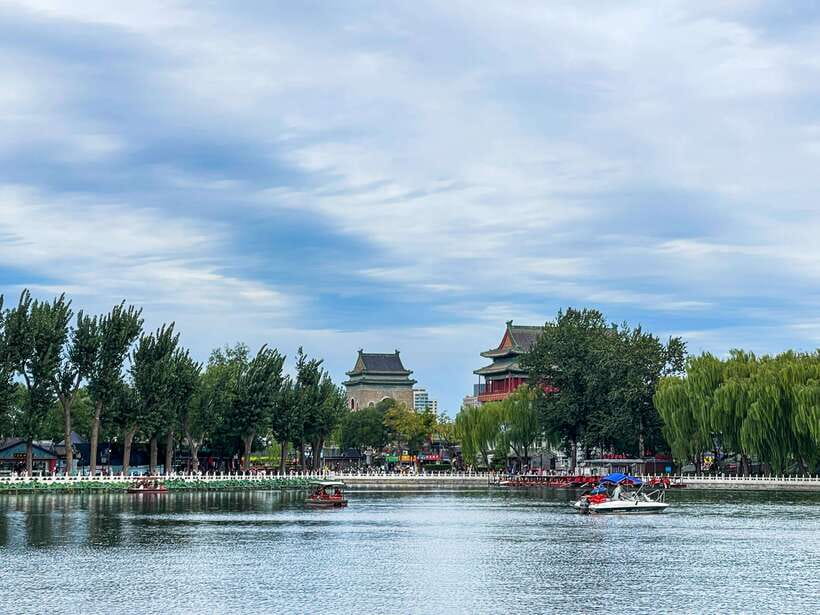
After the temple-and-canal segment, the tour walks you along beautiful water toward Yandai Byway, an ancient commercial street. This is the part where you get your flexible time. The tour builds in space to stop, sample snacks, and buy small souvenirs from local stores.
Here’s the practical note I’d follow: bring Chinese cash if you want to eat from the local stands. The tour doesn’t include a promise of card-friendly payment, and it specifically warns about bringing cash for shopping and food. Having that cash in hand keeps you from doing the awkward half-order or waiting while someone figures out payment.
Snack reality check: this is a “try a few things” zone. You won’t leave stuffed like a food festival unless you choose to. So if you’re picky, go for one savory item and one sweet/drink, then circle back later if you still want more.
If you end up with a guide known for food help—names mentioned by past guests include Jenny and Susan—you’ll likely get stronger suggestions, especially if you’re particular about what you can eat.
Courtyard life feels different when you’re shown the layout
There’s an optional part of this experience that can change the whole tone of your day: the local family visit. If you select it, you’ll get a chance to say ni hao, chat freely with the household, and see a traditional courtyard house layout. You might even get a look at the kitchen and living room, depending on the household and timing.
The value here isn’t “tour a museum home.” It’s the contrast between what you think a courtyard means and how it’s actually organized. Courtyards affect privacy, light, air flow, and family routines. When you see the layout up close, those details click.
Etiquette tip that helps: be friendly and curious, but keep your pace calm. You’re stepping into someone’s living space. Ask questions, but don’t treat it like a photo shoot. Also, if you prefer structured explanations over casual conversation, tell your guide early so they can manage the flow.
If you go with a guide like Alice (who has been praised for care and snack handling) or Lisa (praised for making the time enjoyable), you’ll likely get a smoother balance between conversation and explanation.
The hooded rickshaw ride: why this isn’t just a photo moment
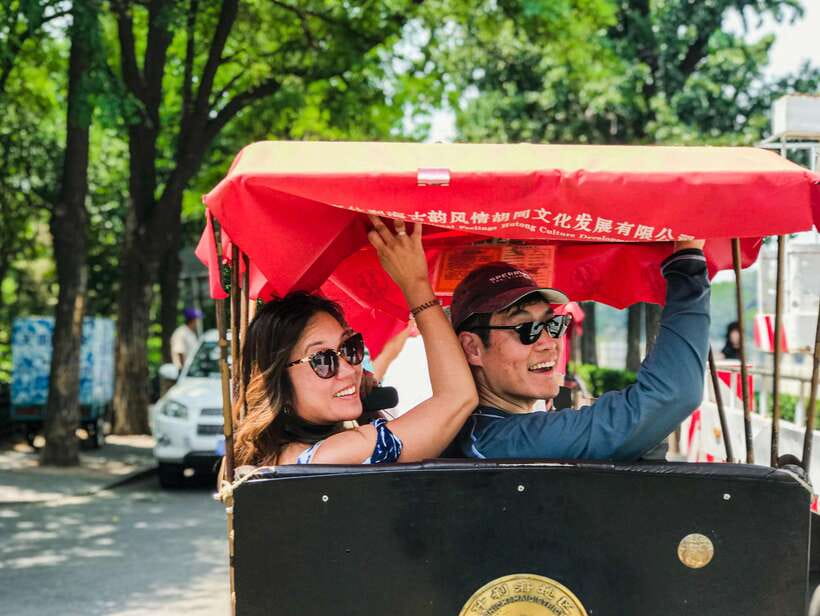
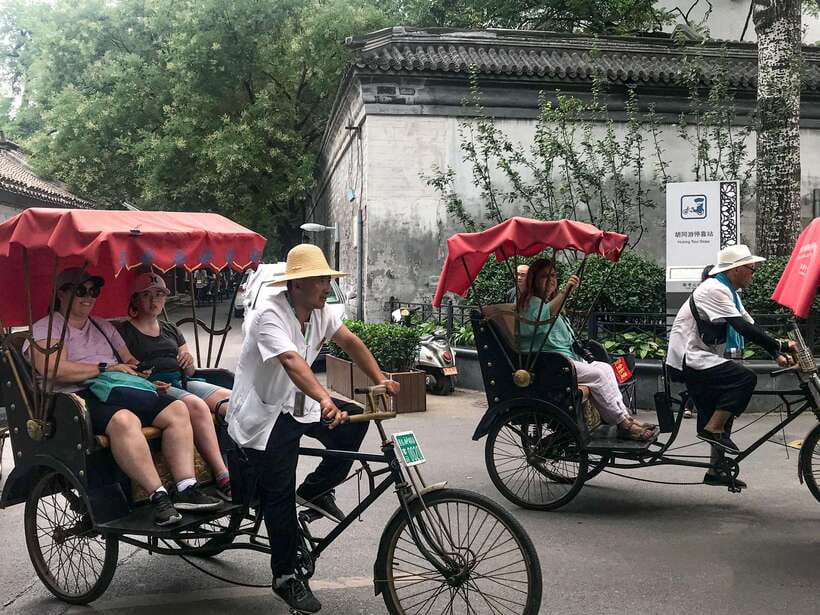
One standout feature is the option to ride in a rickshaw—a hooded tricycle. This is an old-style “taxi” concept that fits Beijing’s alley geometry. It’s also tied to stories of how nobles and rich business people once traveled this way.
You’ll hear the Nixon-era anecdote too: when President Nixon visited in 1972 with his wife, they reportedly liked the experience of wandering through the old alleyways beside the waters. Whether you take the story literally or more as a sign of how iconic this ride is, the point stays the same: this style of travel belongs here.
Practical details matter:
- It’s 2 people per rickshaw for about 30 minutes.
- The cost listed for the rickshaw is 200 CNY for 2 participants.
Why it’s worth it: walking in hutongs is great, but a rickshaw ride helps you cover tight sections without feeling like you’re racing through them. It also changes your perspective—your eye level and speed match the lane rhythm, so you notice doorways, courtyard gates, and small storefront details you might miss at a brisk walking pace.
A small caution: because this is an alley-heavy experience, the ride can feel bumpy in places. If you’re sensitive to that, tell your guide up front so they can choose the smoother stretches when possible.
Drum Tower square and the 600-year-old Drum Tower climb
Toward the end, you’ll reach the square located between the Drum and Bell Towers. This area is a good “reset” in the route. You’ve been moving through lanes and water edges; now you’re in a space that feels more civic and ceremonial.
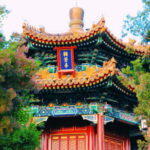
Then comes the signature: climbing the 600-year-old Drum Tower. This isn’t just about reaching a viewpoint. It’s about timing and atmosphere. The tower connects to how old Beijing measured time through drum signals, and when the structure is part of your experience, the story lands better than any graphic explanation.
After the climb, there’s time for local snacks or food, which makes this a smart sequence. You spend energy going up, then you get to reward that energy right away.
If you’re using a wheelchair or have mobility limits: the tour is listed as wheelchair accessible, but the tower climb itself can be a concern. Ask ahead about what parts are feasible for your specific situation.
Food breaks that fit real Beijing (not just tourist traps)
This tour is built around frequent, small chances to eat. That matters in Beijing because street food culture is strong, but it can also be hit-or-miss if you’re on your own.
What makes this work better with a guide is food navigation:
- Your guide can point you toward snacks that make sense in the moment
- They can help you avoid ordering trouble if you’re cautious about ingredients
- You may get alternatives if you have dietary preferences
In past experiences, guides such as Jenny have been specifically praised for helping picky eaters find options and staying well-fed throughout mainland China. Even if you aren’t that picky, it’s still a comfort: you don’t have to guess.
Also, plan snacks with your day in mind. If you know you’ll eat a larger meal later, keep your hutong snack sampling light—go for variety, not fullness.
Price and value: what $69 gets you, and what’s on you
At $69 per person for 3–4 hours, this tour prices itself as a compact “Beijing essentials” hit with some local flavor. Here’s what you get included:
- An English-speaking tour guide
- A rickshaw ride and a home visit only if you choose those options
Not included:
- Entrance tickets
- Public transportation
My practical take: the value is strongest if you actually use the included experiences you care about. If a courtyard home visit is high on your list, select it. If you want the alley ride angle, budget for the rickshaw portion (noting the 200 CNY for 2 for about 30 minutes, as described).
And don’t forget the “small extras” reality. You’ll likely spend on snacks, drinks, and souvenirs on Yandai Byway. The tour even nudges you to bring cash for these stops.
Who should book this hutongs and Drum Tower tour
This is a strong choice if:
- You’re seeing Beijing for the first time and want old-city neighborhoods
- You want hutongs that connect to lakes and street life, not only a few staged lanes
- You care about culture cues like Taoism and courtyard layouts
- You like guided food stops but don’t want a full-day food tour
It may not be the best fit if:
- You want only major “big museum” sights and fewer walks
- You’re not comfortable with stair climbing for the Drum Tower
- You dislike spending part of the day in tight lanes and slower residential areas
If you can handle some walking and you’re open to a mix of history plus daily life, this one tends to land well.
Should you book this Beijing Hutongs & Drum Tower tour?
If you want a Beijing day that feels lived-in, this is worth booking. The big reason is balance: you get lakeside hutongs, a Taoism temple context, a classic Drum Tower finale, and optional access to courtyard life that most visitors never see.
I’d book it especially if you’re short on time and want a route that stays compact but meaningful. And if you’re the type who benefits from a guide who also manages food details, keep an eye out for guides with names like Amber, Tony, Susan, Linda, or Johnny—past guests have highlighted strong English and thoughtful pacing with those guides.
If you want the smoothest day, pick the options that match your interests (rickshaw for alley coverage, home visit for courtyard insight), bring your passport, and carry some cash for snacks and stores.
FAQ
Where is the meeting point for the English tour?
The guide meets you at Exit A2 of Shichahai Subway Station (Line 8).
How long does the tour take?
It runs about 3 to 4 hours.
What is the price per person?
The price is $69 per person.
Is the rickshaw ride included?
The tour includes a rickshaw ride, but the details indicate it’s included when the option is selected.
Is a home visit included?
A home visit is included if you select that option.
Are entrance tickets included?
No. Entrance tickets are not included.
Do I need cash for this tour?
Bring Chinese cash if you want to buy food from the local stores.
What should I bring with me?
Bring your passport.
Is the tour wheelchair accessible?
It is listed as wheelchair accessible, but the day includes walking and a Drum Tower climb, so it’s smart to ask what’s practical for your needs.
What’s the cancellation policy?
You can cancel up to 24 hours in advance for a full refund.
Is there an option to reserve without paying now?
Yes. It offers reserve now & pay later, so you can book your spot and pay nothing today.