REVIEW · CHENGDU
Chengdu:Panda Base Entry Ticket & English PDF Guidebook
Book on GetYourGuide →Operated by PANDA HAPPY JOURNEY IN CHINA · Bookable on GetYourGuide
The pandas wake up early. That is the whole point of this Chengdu Research Base visit, and the entry system makes it easy to get in and start watching. Passport entry plus a smart, timed window helps you spend your time on pandas, not queues.
What I like most is the English PDF guidebook that helps you plan your walk and hit the right areas, and the morning vs afternoon time slots that match how giant pandas actually act. This is especially useful when the base is huge and you do not want to waste daylight wandering.
One thing to consider: the grounds are big, so you will do a lot of walking (and you might lean on the internal shuttle). In hot weather, pandas often retreat indoors mid-day, so you’ll want to plan your route by the time of year.
In This Review
- Key things that make this panda base ticket work well
- Chengdu Panda Base: what you’re actually walking into
- The real win: direct passport entry that cuts the queue
- English PDF guidebook: use it like a mini field plan
- Time slots and panda behavior: how to line up with their daily rhythm
- Morning slot: 07:30 to 10:00 (best for active viewing)
- Afternoon: around 14:00 for a short feeding session
- Midday: 11:00 to 15:00, especially in summer
- Seasonal differences that change your route
- Touring the grounds: enclosures, museum moments, and walking reality
- Sun and Moon maternity rooms
- Giant Panda Museum
- Panda Tower
- How to actually spot pandas (and not miss them)
- Price and value: what $20 buys you in real life
- What’s included, what’s not, and how to plan your day
- Quick do’s and don’ts for a smooth panda visit
- Should you book this passport-entry panda base ticket?
- FAQ
- Do I need a paper ticket to enter?
- What language is the guidebook in?
- Are there set entry times?
- Is a physical guide included?
- Is the shuttle bus inside the park included?
- Can I cancel if my plans change?
Key things that make this panda base ticket work well

- Passport becomes your ticket so you can skip the ticket line hassle
- English PDF guidebook with park map, suggested routes, and feeding-time guidance
- Strict time slots for steadier panda viewing, not random arrival chaos
- Morning viewing focus where climbing, rolling, and playful behavior are most likely
- Season-smart expectations because summer heat pushes more activity indoors
- You get practical rules that keep the experience calm for both you and the animals
Chengdu Panda Base: what you’re actually walking into

The Chengdu Research Base of Giant Panda Breeding sits about 10 km from downtown Chengdu. The site covers roughly 3.07 km² and was established in 1987, so this is not a small zoo-style stop. It is a working breeding and conservation center, and it also supports research tied to reintroducing pandas to the wild.
Inside, you’ll find natural-style bamboo forests and streams, plus multiple panda enclosures. There are standout areas like the Sun and Moon maternity rooms, the Giant Panda Museum, and the Panda Tower. You also have a chance to see other animals on site, including red pandas, which add a nice bonus when you’re searching for the main stars.
Why this matters for your day: the base is designed for animals first. That means your best viewing comes from good timing and smart movement, not rushing from one spot to another. The timed entry slot and guide help you do that without turning the visit into a sprint.
You can also read our reviews of more tours and experiences in Chengdu.


The real win: direct passport entry that cuts the queue

This ticket uses a simple idea: your original passport is your ticket. You show it at the entrance and you’re in. That sounds basic, but it changes the whole experience when you arrive during peak crowd hours.
If you’ve ever tried to enter a popular site in China and ended up stuck in a line while the morning window passes, you’ll appreciate this. You can focus on arrival order and route planning instead of hunting for the right counter and waiting your turn.
Also, it keeps things clean for everyone. Less fumbling with paper tickets usually means less confusion and fewer delays at the gate. The practical takeaway: bring your passport or ID card and keep it ready at check-in.
English PDF guidebook: use it like a mini field plan

You get an English PDF guidebook, not a printed booklet. That’s actually a good match for this kind of visit because you can search, zoom, and adjust on the fly.
The guide includes things that help you avoid common mistakes:
- Route recommendations so you do not bounce aimlessly between enclosures
- A park map so you can reorient if you miss a sightline
- Feeding-time tips to help you catch pandas at moments when they’re more likely to be moving
- Useful viewing guidance, including tips for how to locate pandas when they’re less visible
Here’s how I suggest you use it: before you enter, do not just skim. Open the PDF, find your first priority area, and pick your “Plan A” and “Plan B.” If a panda is tucked away, you should already know the next place to go instead of starting from zero.
One more detail: this base is large enough that small routing errors can cost you an hour. The guidebook helps you reduce that “lost time” feeling.
Time slots and panda behavior: how to line up with their daily rhythm

Giant pandas are crepuscular, meaning they’re often most active around dawn and late in the day. The ticket uses morning and afternoon time slots so you can plan around that reality.
Morning slot: 07:30 to 10:00 (best for active viewing)
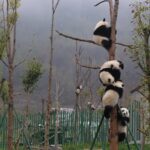
Morning is when pandas often feel less like furniture and more like pandas. You’re more likely to see them:
- climbing
- rolling around
- playing together
This also tends to be the best time for photography because the animals are out and visible rather than hidden behind bamboo or deep in resting zones.




Afternoon: around 14:00 for a short feeding session
In the afternoon, you may catch brief feeding-related activity. Some pandas may come outside briefly, but do not assume a full morning-style show. Think of it as a second chance rather than a guaranteed repeat.
Midday: 11:00 to 15:00, especially in summer
In hot weather (notably when temperatures are above 26°C), many pandas rest indoors, and outdoor activity can shrink. If you visit in summer, your best strategy is to aim for outdoor areas early or late, then focus on indoor viewing zones around midday.
Seasonal differences that change your route
- Spring, autumn, and mild winter days often mean more time outside
- Summer visits are best early or late, with an indoor plan in the middle
Strict timing is part of the design. You should arrive 10 minutes before your chosen slot, because entry is managed within that window.
Touring the grounds: enclosures, museum moments, and walking reality

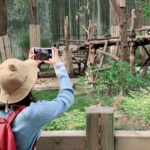
Once you’re inside, you’ll move through natural-style bamboo forests and between multiple enclosures. There are plenty of places where you might pause for a while, but you should also expect to keep walking.
A review-based reality check: the base is immense, and without a plan you can burn time fast. On the bright side, there are small trains/shuttle options inside the park. The internal park shuttle bus costs 10 RMB and is not included in the ticket, so you can decide if you want to “walk it” or “shuttle it” based on your stamina and the time you have.
How to make the walking count:
- If you’re there for active pandas, prioritize the morning routes first.
- If you’re there midday or in warm weather, shift your focus to indoor areas where activity may still be visible.
- Keep your eyes up. Even when you do not spot a panda at ground level, you might catch one higher in bamboo or near a boundary.
Sun and Moon maternity rooms
These rooms are one of the most compelling parts of the site because they relate directly to breeding and care. Even when babies are not visible all the time, these areas give you a sense of how structured the conservation effort is.
Giant Panda Museum
The museum can be a helpful “breather” if you’re in between enclosure checks or if the weather turns. It also gives context to what you’re seeing in the enclosures, especially if you want more than just photos.
Panda Tower
The Panda Tower is another major anchor point. It can help you reset your orientation and manage your day when the park feels huge.
How to actually spot pandas (and not miss them)

The ticket helps with timing, but spotting still takes your attention. Here are practical habits that work well at this base:
- Arrive early enough to start moving before your eyes get tired
- Minimize distractions; pandas are often calm and slow, so do not expect constant movement
- Use your route plan as your safety net when a sightline is empty
- Keep sound low and avoid sudden actions
There are also clear rules that help everyone:
- No loud noises
- No flash photography
- No feeding the pandas
Follow those and you’ll have a smoother experience. You also reduce the chance of being stuck near security reminders or trying to reset your plan.
And yes, sometimes it feels like a game of hide-and-seek. That is normal for pandas. The good part is that when you catch them—especially in the morning—you get that real behavior that makes the trip worth it.
Price and value: what $20 buys you in real life

At about $20 per person, you’re paying for two things:
1) Entry access to the Chengdu Panda Base
2) An English PDF guidebook that helps you use your limited time well
The value isn’t just the ticket price. It’s the time saved by passport entry and the reduction in wasted walking. If you’ve ever spent a chunk of the morning figuring out where to go next, you know how fast your day can evaporate.
You should also budget for optional extras:
- Internal shuttle bus: 10 RMB
- Meals (not included)
- Anything outside the guidebook and entry
For many visitors, the best value move is simple: show up for the slot you chose, use the guidebook to move efficiently, and save your energy for the panda moments.
What’s included, what’s not, and how to plan your day

Included in this experience:
- Entry ticket to the Chengdu Research Base of Giant Panda Breeding
- English PDF guidebook
Not included:
- Physical tour guide
- Hotel transfer
- Internal park shuttle bus (10 RMB)
- Meals
This ticket is built for self-guided touring. That can be a plus if you like control over your pace. It can also be a downside if you rely heavily on a live guide to explain what you’re seeing. If you like reading a map and making your own route, you’ll likely enjoy this format.
Best-fit travel style:
- Couples, solo travelers, and small groups who want a focused day
- People who can handle walking and want to see pandas at the best times
- Visitors comfortable using a phone or device for a PDF guide
Not ideal if:
- You want someone to walk you step-by-step with no planning involved
- You can’t manage long walking days (the park is big)
Quick do’s and don’ts for a smooth panda visit

Bring:
- Your passport or ID card (passport doubles as your ticket for entry)
Not allowed:
- Pets
- Bikes
Photography and behavior:
- Avoid flash
- Keep noise down
- Do not feed the pandas
These rules are more than formalities. The base is managed to protect animal welfare and keep viewing calmer for everyone.
Should you book this passport-entry panda base ticket?
If you want the simplest way to do Chengdu Panda Base with less stress, I’d say yes. This works best when you take the time slots seriously and use the English PDF to guide your movement.
Book it if:
- You want fewer lines and faster entry
- You’re traveling without a guide and want a plan
- You care about hitting morning activity patterns
Skip or rethink it if:
- You hate walking big sites and do not want to deal with shuttle decisions
- You only have flexible arrival times and might miss the slot rhythm
One last decision tip: pick the slot that matches your energy and the season. Morning is usually the payoff if you want active pandas. Afternoon can still work, especially with the guide’s help, but treat it as a second look rather than a full repeat show.
FAQ
Do I need a paper ticket to enter?
No. Your passport (or ID card where applicable) is used for entry, so you can skip paper ticket handling.
What language is the guidebook in?
You get an English PDF guidebook with maps, route suggestions, and practical visiting tips.
Are there set entry times?
Yes. The experience uses managed time slots with a morning window and an afternoon window, and you should arrive about 10 minutes early.
Is a physical guide included?
No. This includes the entry ticket and the English PDF guidebook, but not a physical tour guide.
Is the shuttle bus inside the park included?
No. The internal park shuttle bus costs 10 RMB and is not included.
Can I cancel if my plans change?
Yes. Free cancellation is available up to 24 hours in advance for a full refund.