REVIEW · CHENGDU
Chengdu: Sichuan Opera Face-Changing and Acrobatics Show
Book on GetYourGuide →Operated by Attract Eye · Bookable on GetYourGuide
Face-changing in Chengdu is the real deal. The Sichuan Opera show at Shufeng Yayun mixes traditional performance with instant, eye-boggling spectacle. I love the way the night is built around simple pleasures too, like tea time and costume moments that make the evening feel personal.
What really sold me is the combination of face-changing plus the chance to get in on the fun with costumes, makeup, and photo memories. I also like that you’re not stuck translating every line; the staging and atmosphere do a lot of the work. One drawback to plan for: if you’re hoping to follow every dialogue, some spoken moments can be hard to catch without Chinese.
The 1.5-hour format is a good sweet spot: long enough for a full show, short enough for a normal evening plan around it. It’s also held nightly at 8:00, so you can slot it in almost like a ritual.
In This Review
- Key things to know before you go
- Why Shufeng Yayun feels like a Chengdu night, not just a show
- Finding the right entrance and exchanging your ticket
- The 8:00 show rhythm and what the 1.5 hours is really like
- Face-changing at Shufeng Yayun: how to watch like it matters
- More than spectacle: costumes, makeup, and dress-up moments
- Tea, snacks, and the relaxed side of Chengdu culture
- Picking your included add-on: massage, ear picking, desserts, or souvenirs
- Can you enjoy it without knowing Chinese?
- Price, viewing areas, and the value of what’s included
- Who should book Shufeng Yayun tonight?
- Should you book this face-changing show?
- FAQ
- Where is the Chengdu Sichuan Opera face-changing show located?
- How long is the performance?
- What is the price?
- What is included with my ticket?
- What add-on choices can I select?
- Do I need to speak Chinese to enjoy it?
- How do I enter the venue after booking?
- Is this experience wheelchair accessible?
Key things to know before you go
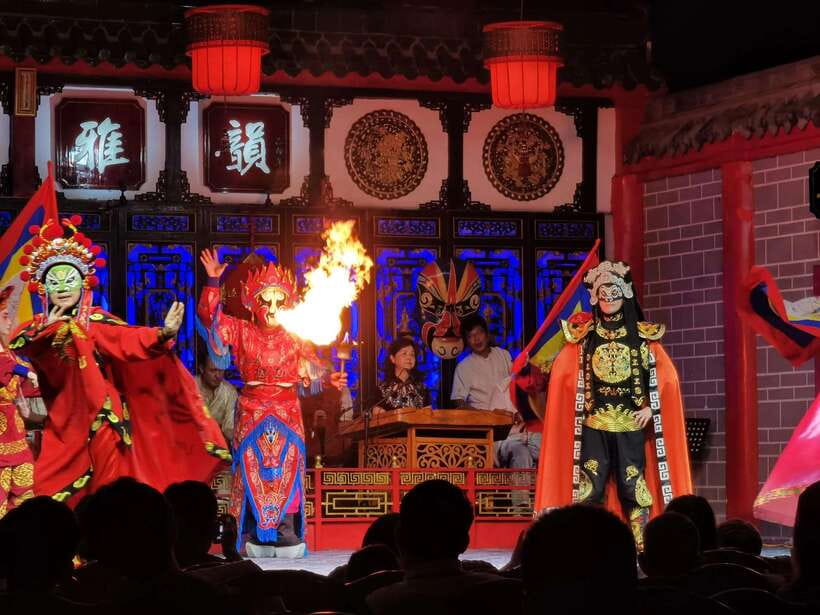
- Face-changing is the headliner, and it lands near the end, so stay until the last moments.
- You get a covered bowl of tea plus melon-seed snacks as part of the experience.
- There’s a dress-up option that turns the performance into something you can actually wear in photos.
- Costumes, makeup, and photo-taking are part of the memory-making, not an afterthought.
- Language is not a deal-breaker since visuals and action carry a lot of the story.
- You choose one extra add-on such as massage, ear picking, desserts, or cultural souvenirs.
Why Shufeng Yayun feels like a Chengdu night, not just a show
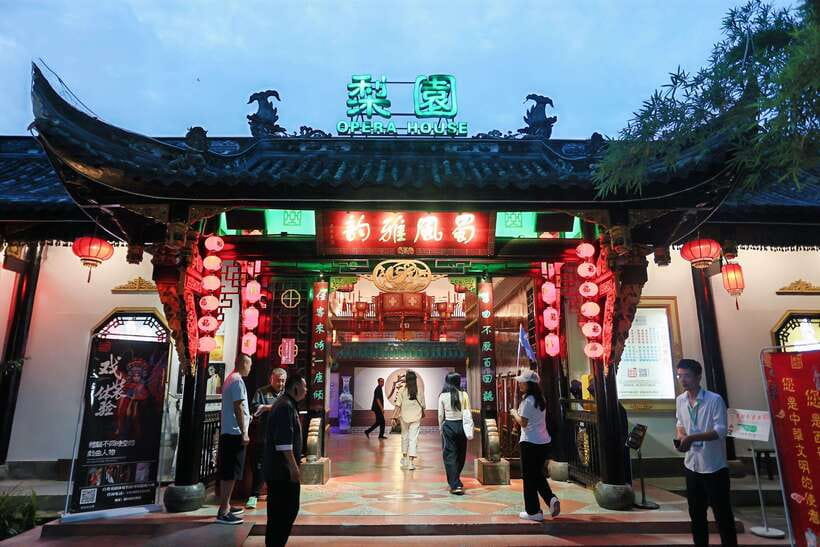
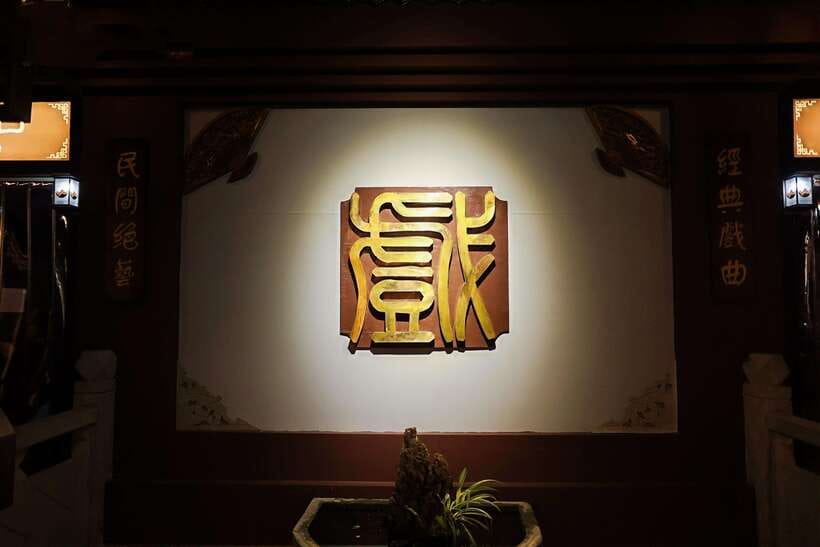
Shufeng Yayun is one of those places where the setting supports the performance. It sits in the ancient building complex of Qingyang Palace in Qintai Gujing, Chengdu, and it’s literally adjacent to Qingyang Palace across the wall. If you like that Old Chengdu feel, you’ll appreciate being in a real historic-style compound while the actors work their magic.
This opera house is also long-established. It was founded in 1998, and it’s recognized as a key cultural tourism performance project in China. It’s even been awarded as an intangible cultural heritage inheritance base by the Sichuan provincial office, which helps explain why the night feels serious about craft, not just entertainment.
The architecture is simple and in a Western Shu style, with the vibe of a former opera garden. That matters because it keeps the show from feeling like a modern theater production. You’ll feel like you’re stepping into a folk-art performance space that has been used for this kind of opera culture for a long time.
You can also read our reviews of more tours and experiences in Chengdu.

Finding the right entrance and exchanging your ticket
Your key job on arrival is to get your ticket exchanged correctly and get into the grounds smoothly. The entrance is marked with both Chinese and English signs: Shufeng Yayun Sichuan Opera House / 蜀风雅韵川剧院. If you’re not sure where that entrance is, ask for help from the opera house staff.
Bring your passport plus your entry auxiliary code. The info provided for this experience says you exchange your ticket at the north gate of Leshan Giant Buddha Scenic Area or at the comprehensive service window of the visitor center to enter the park. That can feel odd if you’re picturing Chengdu only, so I’d treat this as a simple checklist item: passport in your bag, code ready, and follow the indicated exchange point instructions.
One more practical perk: the experience includes dedicated service staff, and they can help introduce routes. If you like getting your bearings fast, you’ll probably appreciate that extra hand.
The 8:00 show rhythm and what the 1.5 hours is really like
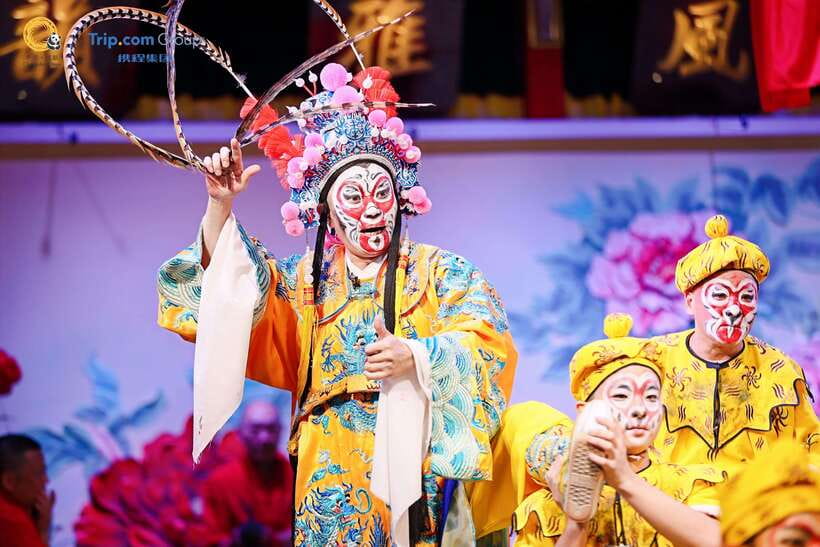
The performance happens as a resident show at 8 o’clock every night, and your ticket duration is about 1.5 hours. That timing is useful because you can plan a normal dinner earlier in the day, then come here for the cultural main event. It’s also long enough to let the performers build momentum and give you time to settle in.
Before the show fully ramps up, you’ll have included comfort items that make the evening feel relaxed. You get one covered bowl of tea per person, and there’s one plate of melon seeds per table. This is a classic kind of opera-house welcome: small, easy, and it helps you slow down instead of treating it like a grab-and-go attraction.
If you’re the type who likes to watch the room as much as the stage, arrive with a little extra buffer. Since face-changing is the big finish, you want your seat sorted and your camera ready before the best moments come.
Face-changing at Shufeng Yayun: how to watch like it matters
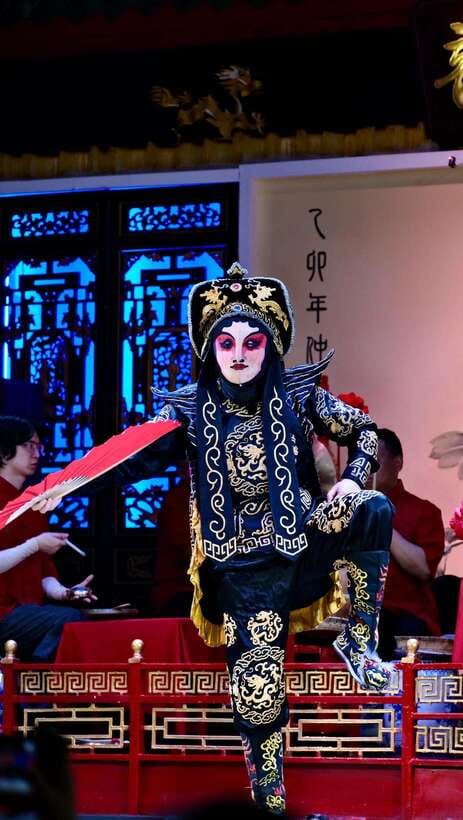
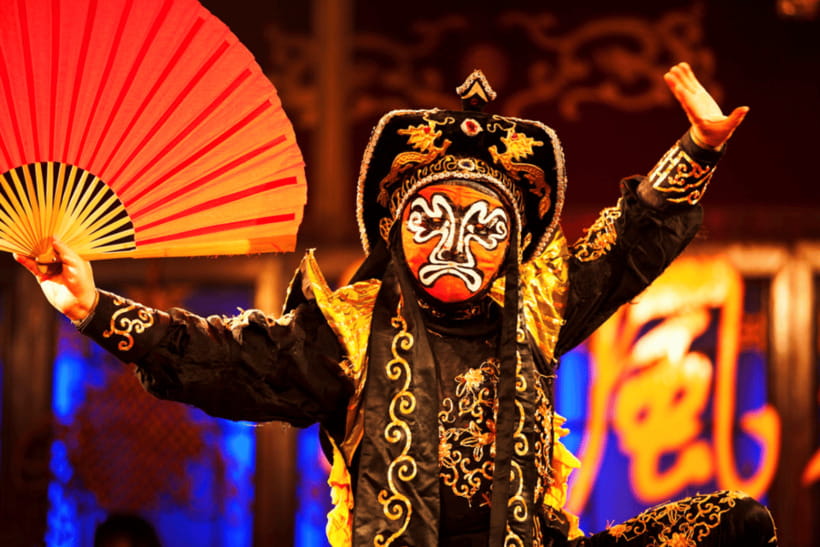
Let’s be direct: Sichuan Opera face-changing is the must-see reason most people come. The show is built around this kind of folk performance skill, and you’ll feel the audience attention tighten when the moment approaches.
From the way the show lands, the face-changing is especially impressive near the end, so don’t plan to leave early. I’d treat the last stretch as the “real finale,” even if earlier parts are entertaining. Stay seated until everything wraps, because that’s when the wow factor peaks.
You’ll also be seeing Sichuan Opera through the full package: performance, costume style, and character makeup aesthetics. The highlights specifically call out costumes and makeup, and the experience also includes photo-taking so you can keep those visuals as real memories. That’s a big deal because opera is one of those art forms where the details look even better on camera than people expect.
If you’re wondering how to follow without perfect language skills, watch for patterns rather than exact words. Pay attention to timing, dramatic gestures, costume changes, and how the scene shifts. The pacing is part of the story. One review highlighted that some dialogue can be hard to follow, but the overall scene still guides you. That lines up with how this kind of staged folk opera plays.
More than spectacle: costumes, makeup, and dress-up moments
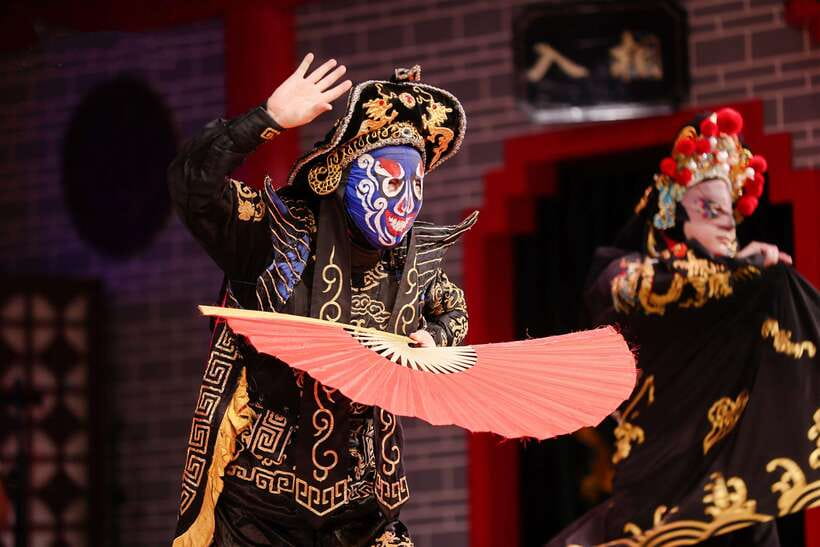
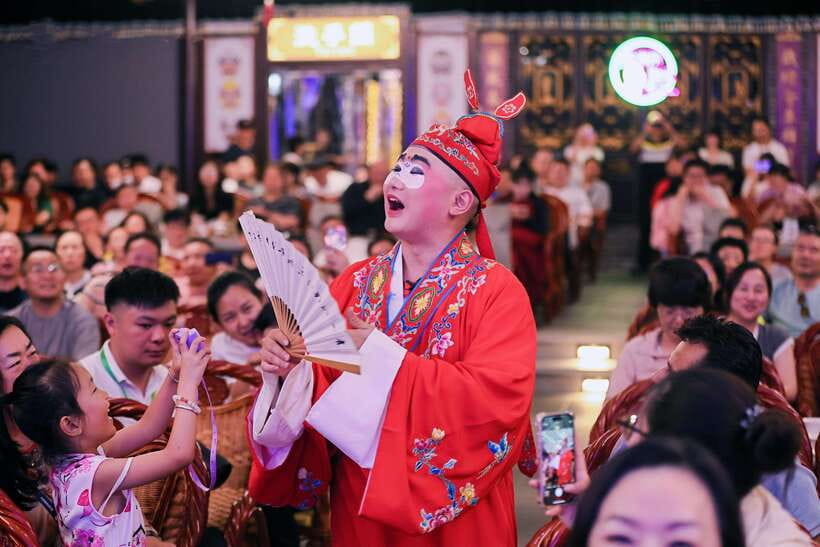
Sichuan Opera is known for expressive costumes and faces that look like they were designed for theatre. At Shufeng Yayun, the experience leans into that visually. The highlights mention costumes, makeup, and photo taking, and at least one review specifically mentioned an option to dress up as a performer.
That matters for two reasons. First, it turns the evening from passive watching into active participation, which helps you remember the whole thing longer than a typical show. Second, it makes the cultural details easier to notice. When you’ve seen the makeup style up close, you suddenly get why face-changing works the way it does.
In practical terms, you’ll want to come ready to get photos. Wear something comfortable for sitting, and consider bringing a small hair tie or lint roller if you’re worried about makeup dust or powder. You’re not required to do anything fancy, but having your phone/camera charged is always worth it.

Tea, snacks, and the relaxed side of Chengdu culture
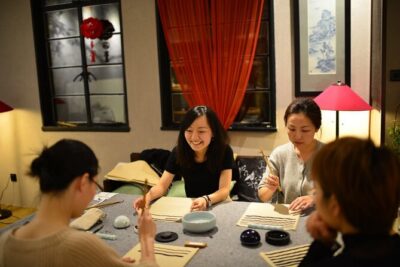
Chengdu is often associated with lingering over tea, and this show includes that kind of atmosphere on purpose. You get tea right in the experience, plus melon-seed snacks at the table. It’s not a huge meal, but it’s enough to keep your evening comfortable and make the event feel more like a night out than a rush.
This is one of those places where the small included touches help you match the pace of the culture. If you normally eat on the go, you might find this break calming instead. Also, since it’s 1.5 hours, that included tea-and-snack moment is effectively part of the pacing, not just free food.
Picking your included add-on: massage, ear picking, desserts, or souvenirs
Your ticket doesn’t stop at performance. You also choose one experience from: massage, ear picking, desserts, or cultural and creative souvenirs. Which one you choose depends on what you want out of the night.
If you want something that feels like folk custom, consider the massage or ear-picking option. If you just want a smoother, low-effort add-on, the desserts pick can be the easiest way to keep things relaxed. And if you’re more souvenir-oriented, you can select the cultural and creative souvenir choice.
A quick note on expectations: the info provided also says souvenir and dining services in the theater are not included. That means if you want extra snacks, drinks, or shopping beyond what’s bundled, you’ll likely pay separately. The add-on helps, but it’s not a full onboard store.
Can you enjoy it without knowing Chinese?
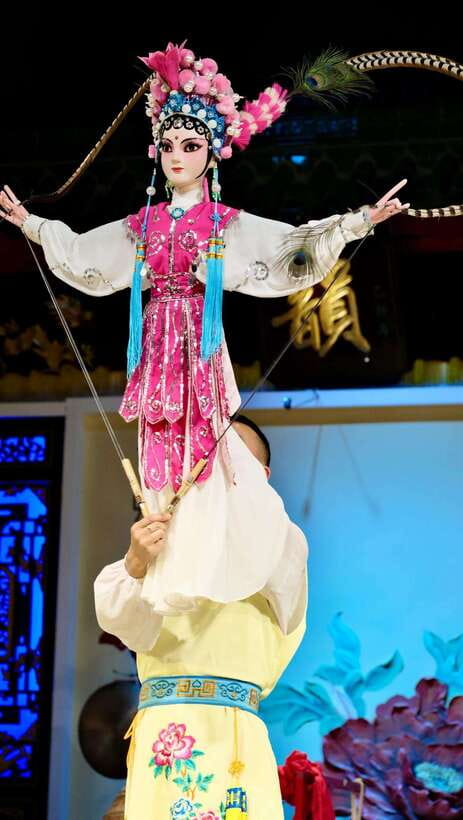
Yes, you can. The reviews and the show style both point in that direction. Even if you don’t understand every line, the combination of visuals, costume work, and staged action helps you follow what’s happening.
One review gave a clear example: there can be dialogue you won’t fully catch, but the overall scene still helps you understand. That’s typical for opera performances where emotion and action are doing a lot of storytelling work.
So if your Chinese is limited, don’t stress. Focus on the face-changing moment, the costumes, and the way performers shift between characters. If you want to improve the experience, even basic attention to character types and costume colors can make the story feel clearer.
Price, viewing areas, and the value of what’s included
This experience is listed at $32 per person, but tickets vary by viewing area. That means you’re choosing between closeness or sightline and the rest of the show stays the same.
Here’s how I’d judge value. You’re paying for a full traditional opera-style performance plus included tea, melon-seed snacks, and one add-on choice. You also get costume/makeup/photo memories, which is part of why this show is more than a quick attraction. At this price point, that mix is a solid deal if you care about culture and visuals.
The value drops a little if you only want face-changing and plan to spend nothing else. But honestly, the face-changing alone can justify the ticket for many people, and the extra add-on gives you a more complete evening.
Who should book Shufeng Yayun tonight?
I think this is a strong fit if you want a Chengdu experience that feels local and theatrical, not a generic tourist show. You’ll probably like it if you’re curious about Sichuan Opera, enjoy costume-and-photo moments, or want a night that includes tea culture built right in.
It can also work well for couples and solo travelers because the event is easy to understand even without language. Families may also enjoy it, especially if the dress-up option is appealing, but you’ll want to stay flexible about the seating experience since viewing areas vary.
If you hate performances that run in a traditional, staged style and want constant action every minute, you might find yourself wanting more explanation. The dialogue can be tricky to follow, and the story pacing is very opera-driven rather than fast-paced cinema-driven.
Should you book this face-changing show?
If you’re visiting Chengdu and you want the one performance people keep pointing you toward, this is a very sensible choice. The ticket value is helped by what’s included: tea, snacks, and one add-on experience, plus costume/makeup/photo memories around the show.
Book it if face-changing is on your list and you’re happy to watch the culture more than just chase a trick. If you’re the type who needs every word explained or wants a modern, language-heavy presentation, you may feel less satisfied. But if your focus is the craft, the visuals, and a well-timed 8:00 night, this is an easy yes.
FAQ
Where is the Chengdu Sichuan Opera face-changing show located?
It takes place at Shufeng Yayun Sichuan Opera House (蜀风雅韵川剧院) in Chengdu, in the Qingyang Palace complex area of Qintai Gujing.
How long is the performance?
The experience duration is about 1.5 hours.
What is the price?
The price is listed as $32 per person, and tickets vary by viewing area.
What is included with my ticket?
Included items are 1 covered bowl of tea per person, 1 plate of melon seeds per table, and tickets for the Sichuan Opera face-changing performance. You also get one add-on experience choice (massage, ear picking, desserts, or cultural and creative souvenirs).
What add-on choices can I select?
You can choose massage, ear picking, desserts, or cultural and creative souvenirs.
Do I need to speak Chinese to enjoy it?
No. You can enjoy the show without Chinese. Some dialogue may be hard to follow, but the overall staging helps you understand what’s happening.
How do I enter the venue after booking?
You’ll need your passport and entry auxiliary code to exchange your ticket. The information provided says the exchange is done at the north gate of Leshan Giant Buddha Scenic Area or at the comprehensive service window of the visitor center.
Is this experience wheelchair accessible?
Yes, it is listed as wheelchair accessible.