Chongqing climbs, then climbs again. This 4-hour walking tour takes you through vertical neighborhoods, old streets, and real daily life so you understand the city’s odd-but-brilliant layout. It’s not a checklist tour; it’s a route that helps you see how Chongqing works.
I especially love the focus on Tongyuan Gate, the oldest city gate area that sets the historical tone fast. I also love the people-watching at Chongqing Auditorium, where square dancing and casual hangouts turn the tour into something you feel, not just something you read.
The main drawback is simple: expect a lot of stairs and uneven walking, and this one isn’t a good fit if mobility is limited.
In This Review
- Key things that make this Chongqing tour worth your time
- Meet at Qixinggang and get your Chongqing bearings fast
- Tongyuan Gate: the oldest city gate as your historical anchor
- The vertical neighborhood walk: sky bridges, staircases, and abandoned corners
- Chongqing Auditorium: watch daily life, not just a famous building
- Zhongshan Fourth Road: WWII capital-era context on a tree-lined path
- Abandoned train station and the city’s quieter layer
- Riversider plank road: views, metro movement, and air-raid shelter clues
- Price and value: what $70 buys in 4 hours
- Guides make the difference: Percy, Sophie, and Nord’s style
- What to pack and how to pace yourself on steep streets
- Who should book this tour, and who should skip it
- Should you book this Chongqing Hidden City Walking Tour?
- FAQ
- How long is the Chongqing hidden city walking tour?
- Where is the meeting point?
- What’s included in the tour?
- Are meals included?
- Do I need to arrange transportation to the start point?
- What language will the guide speak?
- Is this tour suitable for someone with mobility impairments?
Key things that make this Chongqing tour worth your time
- Start at Tongyuan Gate and get context for why Chongqing’s map looks the way it does
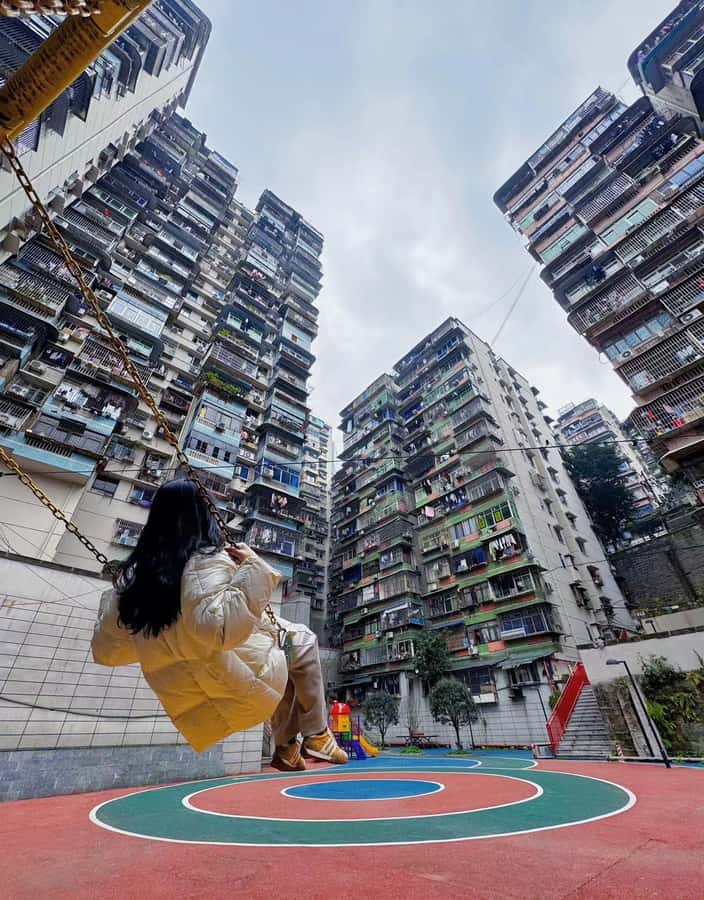
- See hillside housing up close, including sky bridges and apartment entrances on higher floors
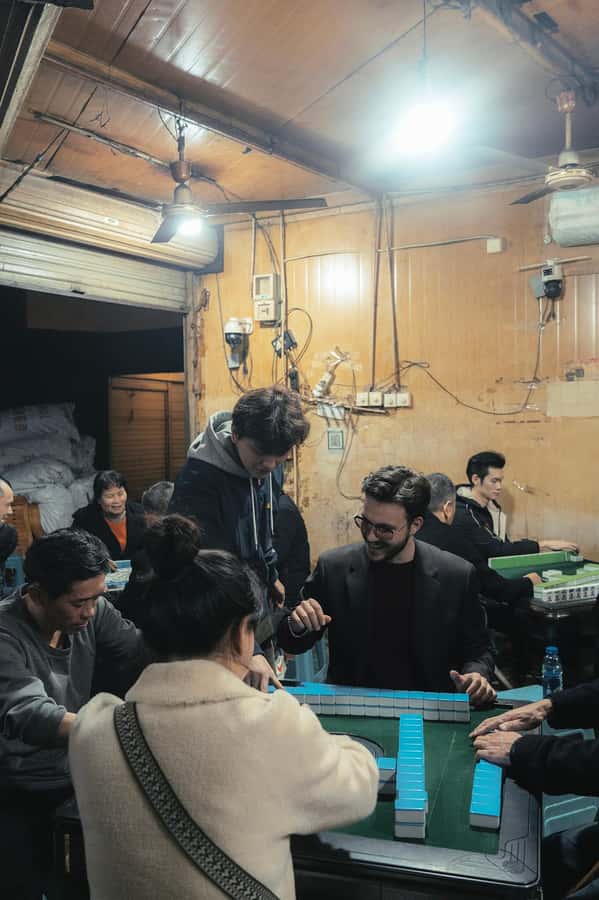
- Catch square dance life at the Chongqing Auditorium plaza with locals in their relaxed rhythm
- Walk Zhongshan Fourth Road under trees, with WWII-era capital-city context
- Finish on the riverside plank road for calmer views and hints of old air-raid shelters
- Include an abandoned train station stop for a “what happened here?” moment
Meet at Qixinggang and get your Chongqing bearings fast
You meet at 4A exit, Qixinggang metro station. That matters because Chongqing’s neighborhoods can feel like a maze until you’ve walked them with someone who knows the shortcuts and the logic behind the hills.
From the start, the tour frames Chongqing as a city built upward and sideways, not just “around.” You’ll be moving downhill through quieter roads, which helps you understand how the terrain shapes everyday life. The goal is that by the end, you’ll have a mental route you can reuse, including how public transport and neighborhood connections fit together.
You can also read our reviews of more tours and experiences in Chongqing.
Tongyuan Gate: the oldest city gate as your historical anchor
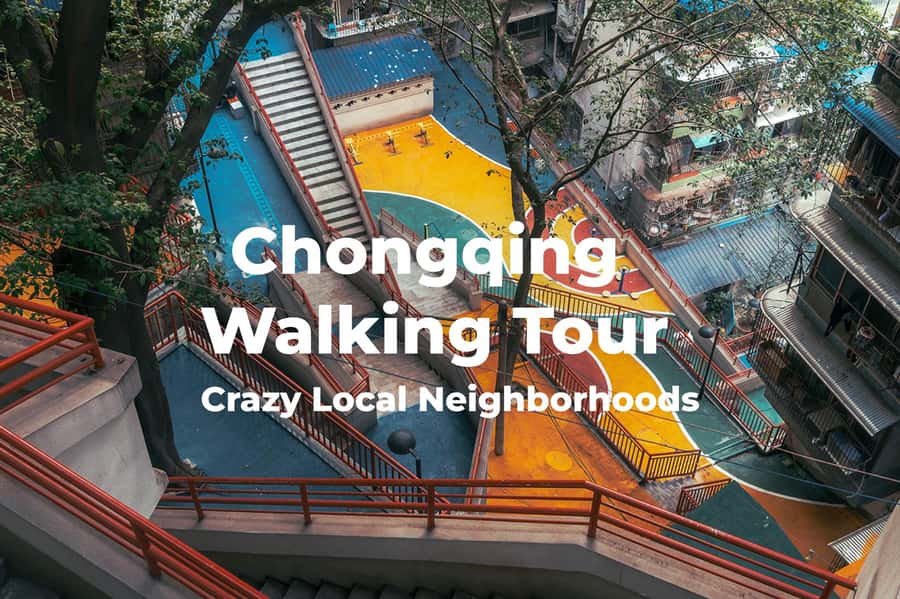
The tour begins near Tongyuan Gate, described as the oldest city gate in Chongqing. In ancient times, it acted like a dividing line between Chongqing and the surrounding areas. Now the city has expanded so many times that the gate isn’t a border anymore—it’s a clue.
What I like about starting here is that the history isn’t tacked on at the end. You start with a landmark that explains why you’re about to see hillsides, overpasses, and “hidden” paths. If you’re the type who likes to understand a place’s layout before you photograph it, this stop does that job early.
The vertical neighborhood walk: sky bridges, staircases, and abandoned corners
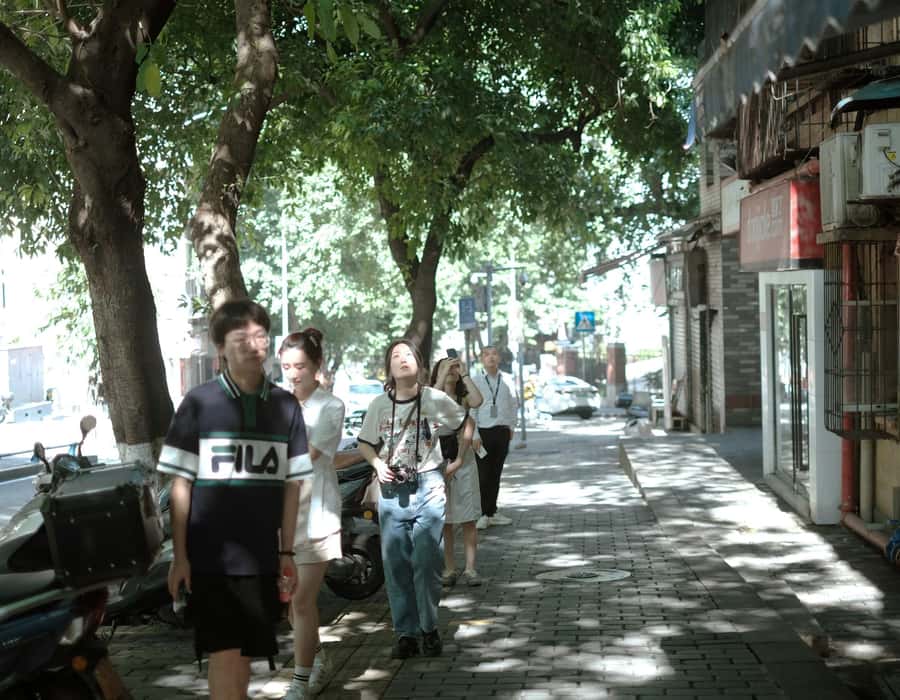
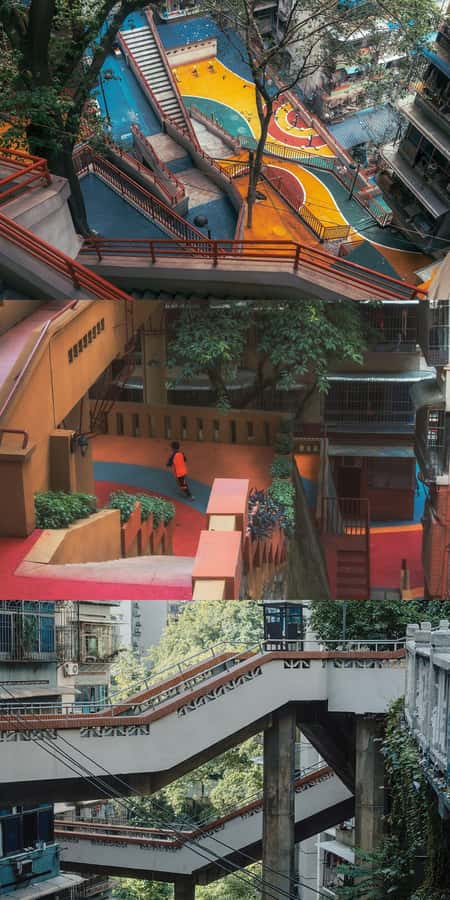
This is the heart of the experience: you’ll head downhill through quieter streets like Huayi and Linhua, then into blocks shaped by steep terrain.
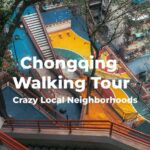
Here’s what makes Chongqing feel unlike other Chinese cities. You’ll see high-rise apartment living where some entrances are on upper floors (not ground level), and the connections between buildings often happen via sky bridges that lead to hillside staircases. It’s practical architecture, but it also looks strange in the best way—like the city adapted to geography rather than fighting it.
You’ll also walk through areas that feel abandoned or “half-used,” including spots tied to older infrastructure. The tour’s tone stays respectful and explanatory, so you’re not just wandering into random derelict space. You’re learning how the city’s layers overlap: old movement patterns, old buildings, and current daily routes.
Chongqing Auditorium: watch daily life, not just a famous building
Next comes the Chongqing Auditorium, a large Chinese-style building that gives you a clear moment of structure in the middle of all that vertical complexity. The plaza beside it is one of the biggest flat areas in the city center, and that changes the mood instantly.
This is where the tour becomes more than sightseeing. You’ll see local senior citizens doing square dance, and you’ll also notice kids playing around while adults treat the plaza like a social living room. The value here is that you’re watching a real routine, not a staged performance.
If you like travel that feels human and grounded, this is one of the strongest parts of the route. It also gives you a chance to slow down briefly before more walking.
Zhongshan Fourth Road: WWII capital-era context on a tree-lined path
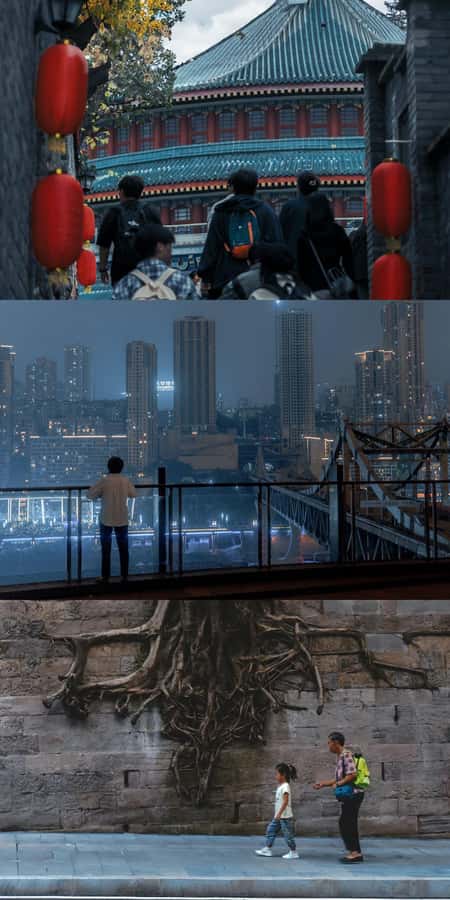
After the auditorium, you continue to Zhongshan Fourth Road, a tree-lined stretch tied to Chongqing’s most dramatic wartime role. During World War II, Chongqing served as a temporary capital of China, and this street is part of the story.
What makes this stop useful for your trip is how it connects the “seen” to the “understood.” Earlier, you’re learning about hills and construction. Here, you’re learning why Chongqing mattered historically—and how a city’s geography can turn into political importance.
Even if you don’t plan to study WWII in detail, walking a street like this with the context in your head changes how you read it. You notice pace, space, and why certain areas would have mattered when the city was under pressure.

Abandoned train station and the city’s quieter layer
The tour includes a stop at an abandoned train station. The timing and exact route can vary, but the purpose stays consistent: it adds a “how things changed” layer after you’ve seen active neighborhoods and lively plazas.
For me, abandoned infrastructure stops are most valuable when the guide explains what you’re seeing. Here, you’re not just chasing decay; you’re getting a sense of how Chongqing’s transport and movement patterns evolved alongside the city’s growth and terrain-driven design.
You’ll want your camera ready, but keep an eye on footing. Some of these areas can feel rough or uneven, so treat it as part of the walking experience, not a casual stroll.
Riversider plank road: views, metro movement, and air-raid shelter clues
The tour ends on the riverside plank road, and that’s a smart way to finish. After hours of hills, stairs, and dense neighborhood connections, the river walk gives your legs a different rhythm and your eyes a calmer scene.
You’ll enjoy riverside views and you can even spot the passing metro as it threads through the city. That contrast—old ways moving along the water, modern transport cutting through—makes Chongqing feel layered.
The tour also points out details you might otherwise miss: lush plants growing along the river edge, coiled roots, and signs that older air-raid shelters are hidden in places you wouldn’t think to look at first. It’s not a “horror attraction” type of stop. It’s more like learning how people once planned for danger, then living moved on around it.
Price and value: what $70 buys in 4 hours
At $70 per person for a 4-hour private guided walking tour, the value comes from three things: time, interpretation, and route design.
First, four hours is long enough to cover multiple zones—gate area, vertical neighborhoods, auditorium plaza, WWII-era street, and riverside finishing—without feeling rushed like a quick city highlights sprint.
Second, you’re paying for a guide to explain what you’re seeing: sky bridges, hillside living, and the logic behind why certain areas exist where they do. That interpretation is what turns photos into a real understanding of the city.
Third, this tour is designed around terrain. Chongqing is not flat. Walking with someone who knows the connections helps you avoid the feeling of wandering in circles.
Meals and transport to the start point are not included, so plan for that. But you’re getting a full city “mental map” style route in return.
Guides make the difference: Percy, Sophie, and Nord’s style
The most praised aspect across guide experiences is how personal the explanation feels. Guides like Percy bring a personal connection to areas on the route, which adds depth beyond dates and directions.
Sophie is highlighted for thoughtful communication in Russian and for being attentive to the group pace. One example from her approach: when weather hit, she handled it with a detour to a nearby tea house so the group could pause and recover before continuing once conditions improved.
Nord is described as proactive with explanations and flexible when timing works out, even adding an extra sky bus moment for one group when it fit the day.
What you should take from this: this tour is more enjoyable when your guide treats it like a conversation with context. If you care about how people actually live in Chongqing—not just what buildings look like—you’ll probably click with the guide style.
What to pack and how to pace yourself on steep streets
You’ll want comfortable shoes first, then water. Bring a camera if you like street architecture and river views, because Chongqing rewards slow looking—especially at the places where apartment life meets staircases and bridges.
Pace matters because the tour involves a lot of walking and stairs. Even if you’re generally fit, plan on taking your time at transitions: plazas, gate-area viewpoints, and the riverside finish. If you show up with good shoes and a steady pace, you’ll enjoy this way more than if you try to “power through.”
Weather is another practical factor. Chongqing conditions can change quickly, and guides may adjust the route to keep the walk safe and comfortable.
Who should book this tour, and who should skip it
This tour is best for you if you:
- Like cities with unusual structure and want to understand the layout, not just the sights
- Enjoy history that connects to everyday space (gate area, WWII street context)
- Want real local scenes like square dancing at a real plaza
- Are comfortable with stairs and uneven walking
You should probably skip it if you have mobility challenges or need step-free routes. The tour is not suitable for people with mobility impairments, and it specifically notes electric wheelchairs aren’t allowed.
Also note the “adult” practical rule: there’s no alcohol/drugs policy, and you’ll want to be ready for a moving schedule where the guide keeps you on the route.
Should you book this Chongqing Hidden City Walking Tour?
Yes, if you want a terrain-based Chongqing experience. This tour teaches you how the city functions: hills shape buildings, buildings shape daily movement, and local life keeps going inside all that complexity.
Book it if you’ll value the mix of Tongyuan Gate history, Chongqing Auditorium plaza energy, and the calmer riverside plank road finish. At $70 for four hours, it’s a good deal when you’re paying for route design plus real guide interpretation.
Don’t book it if stairs are a problem for you. But if you can walk comfortably and you like cities that reward curiosity, this one gives you a strong mental map and a few images you’ll still remember later.
FAQ
How long is the Chongqing hidden city walking tour?
The tour lasts about 4 hours.
Where is the meeting point?
You meet at 4A exit, Qixinggang metro station, Chongqing.
What’s included in the tour?
It includes a guided walking tour, visits connected to the oldest city gate, exploration of old neighborhoods, Chongqing Auditorium, walking along Zhongshan Fourth Road, a riverside plank road walk, and a stop at an abandoned train station.
Are meals included?
No. Meals are not included.
Do I need to arrange transportation to the start point?
Yes. Transportation to the starting point is not included.
What language will the guide speak?
The live guide speaks English, Russian, and Chinese.
Is this tour suitable for someone with mobility impairments?
No. The tour involves lots of walking and stairs and is not suitable for people with mobility impairments. Electric wheelchairs are also not allowed.