REVIEW · CHONGQING
Chongqing: Wulong Private Day Exploration Tour
Book on GetYourGuide →Operated by Andy's private china tours · Bookable on GetYourGuide
Stone bridges in the mountains feel unreal. On this Chongqing to Wulong private day, you’ll ride in a comfortable car, then walk through the dramatic Natural Stone Bridge karst scenery with a guide.
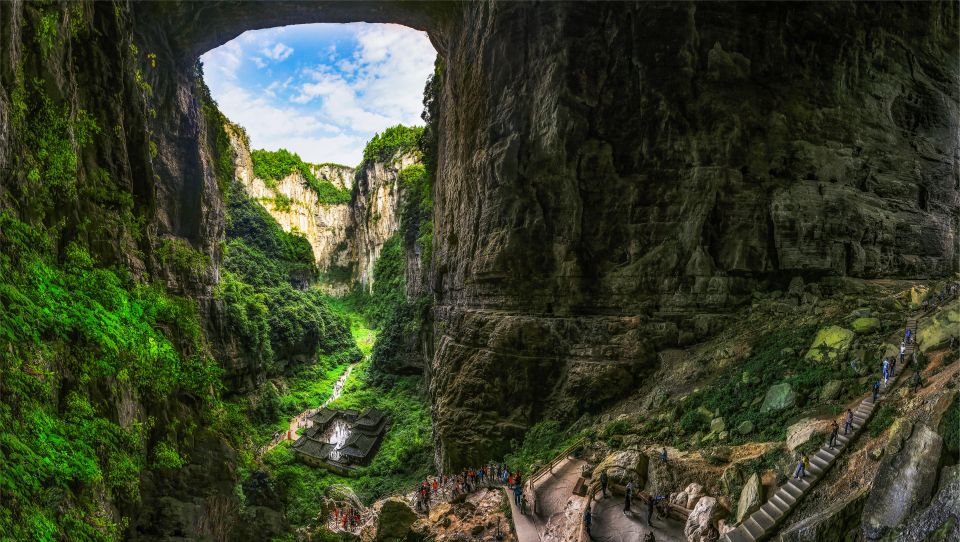
I love the scale and look of the Three Natural Bridges—those huge arch forms feel almost impossible, like the mountain decided to turn architecture into geology. I also like the rhythm of the day: an early hotel pickup, a proper lunch in town, and a finish back around 18:30, so you’re not losing the whole evening.
One thing to consider: the depth of English explanation can vary by guide, so if you want lots of detail, plan to read the info boards too. Also, the walking paths aren’t step-free, and the tour isn’t suitable for wheelchair users or pregnant women.
In This Review
- Key highlights to know before you go
- Wulong Karst’s Three Arches: Why This Day Trip Works
- The 3-Hour Chongqing to Wulong Drive (and why it matters)
- Lunch in Wulong: Simple, local, and actually useful
- Three Natural Bridges: How to spend your 2–2.5 hours
- The Tang-dynasty staging post near Qinglong Bridge
- Waterfalls and karst caves: what you’ll notice beyond the arches
- Private group pacing: the difference between rushing and enjoying
- Price and value: is $316 per person fair?
- Who this Wulong private day trip suits best
- Should you book this tour?
- FAQ
- FAQ
- What time do I get picked up in Chongqing?
- How long is the drive from Chongqing to Wulong County?
- How long do I spend at the Three Natural Bridges?
- Is lunch included?
- Are entrance tickets included?
- What languages does the guide speak?
- What should I bring for the day?
- Is the tour suitable for wheelchair users or pregnant women?
- Is this a private tour?
Key highlights to know before you go
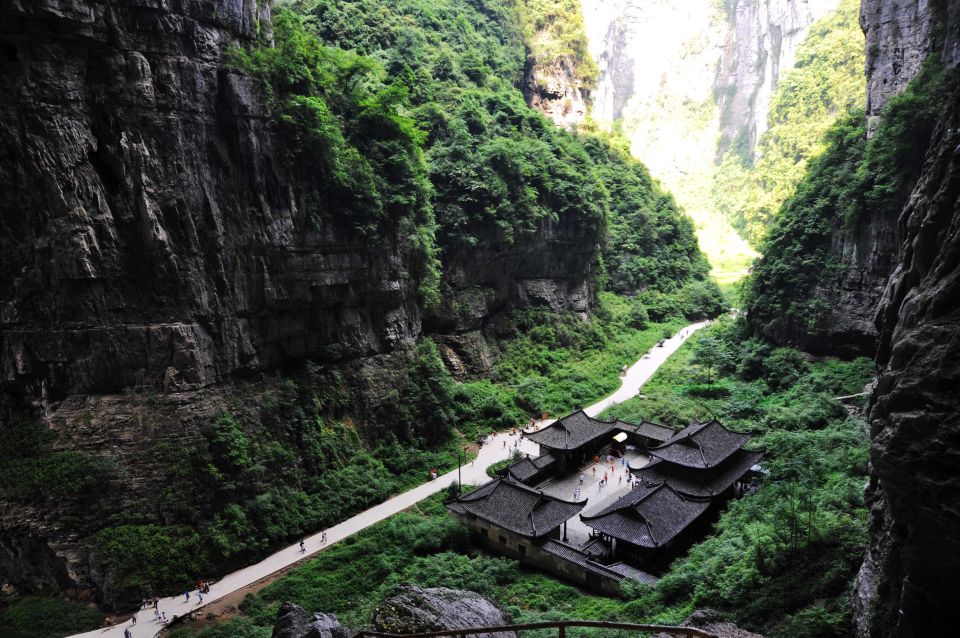
- Three Natural Bridges: the main reason to come, with valley-bottom paths for close-up views
- Natural Stone Bridge cluster: a major karst landmark in Asia
- Qinglong Bridge staging post: a preserved Tang-dynasty-era stop with wooden courtyards and 20+ rooms
- Private vehicle timing: hotel pickup around 08:00, return about 18:30, with time for lunch and wandering
- Guide support in English and Chinese: helpful for pacing, translation, and getting more meaning from the scenery
Wulong Karst’s Three Arches: Why This Day Trip Works
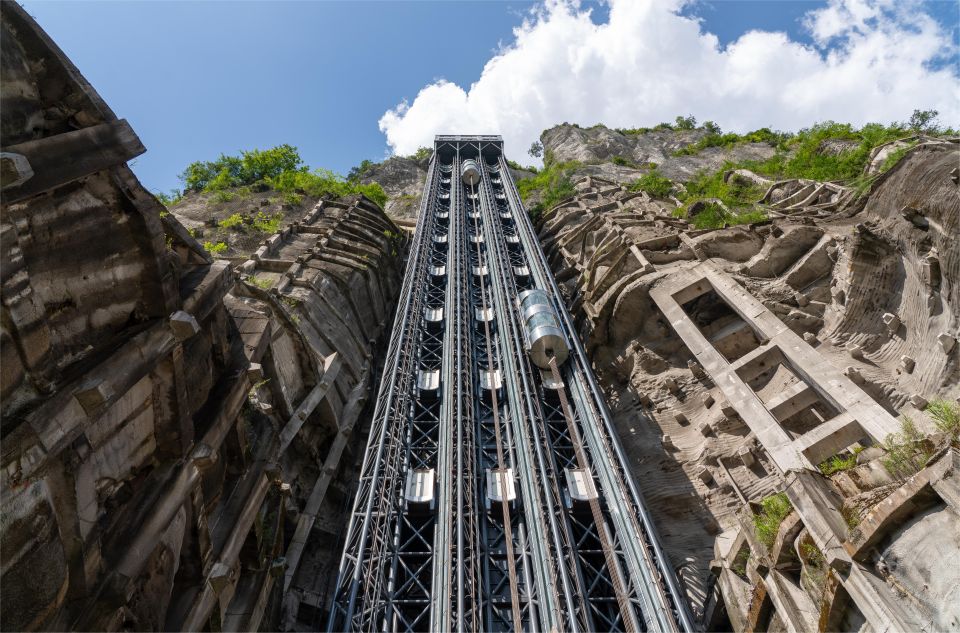
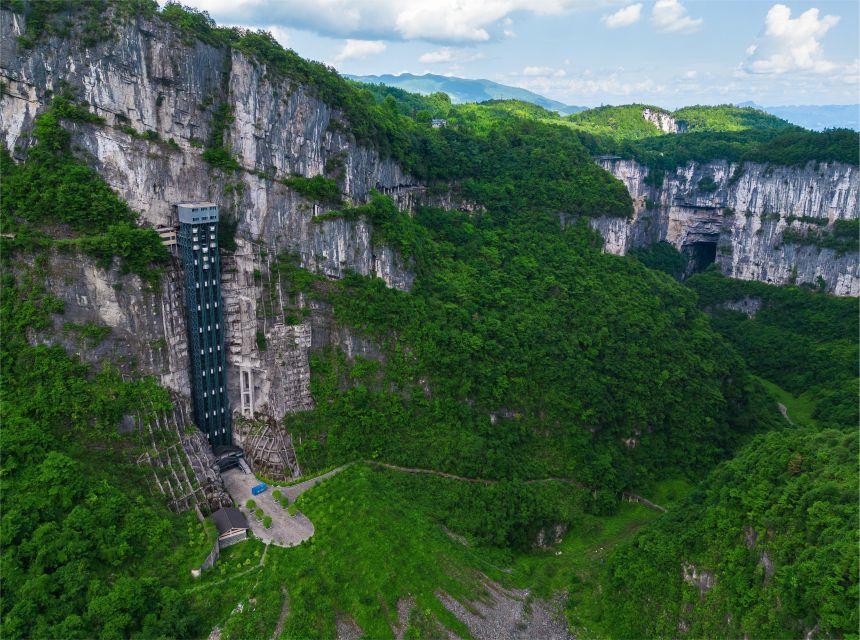
Wulong Karst has a way of making you stop talking. The rock shapes don’t look like they formed slowly. They look like they were carved on purpose—arch after arch, peak after peak, then suddenly a gorge floor path where you’re standing right under the scale.
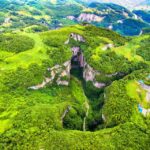
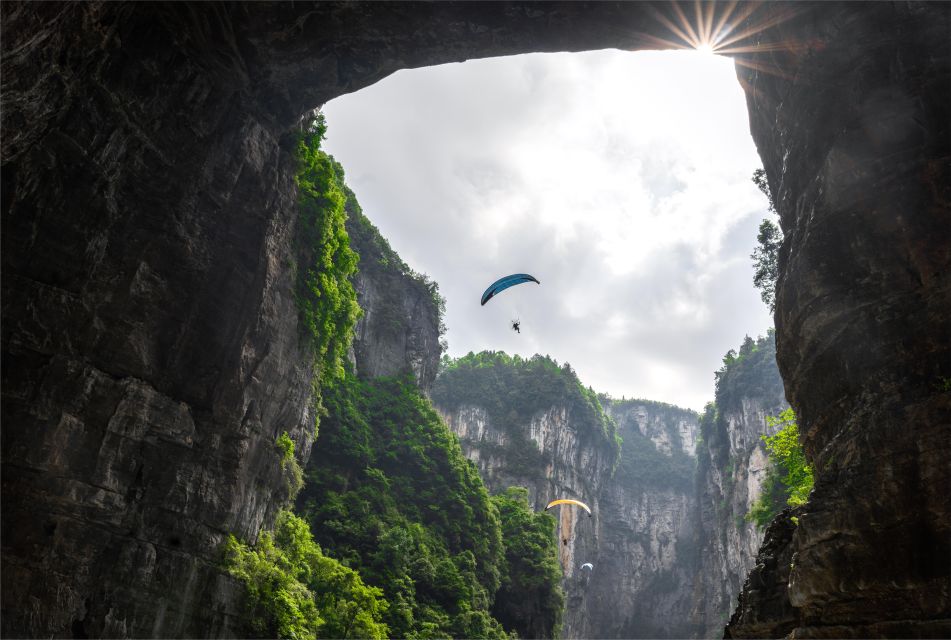
The headline for this route is the Three Natural Bridges area. These aren’t small, decorative bridges. You’re looking at giant stone arches created by karst processes over time, and they’re arranged in a way that makes the whole valley feel like a stone amphitheater. The best part is you’re not stuck only staring from one distant viewpoint. You can meander along narrow paths near the valley bottom to get that “I’m inside the rock scene” feeling.
Karst country also gives you extras without extra effort: caves, waterfalls, and oddly shaped peaks tend to show up in the mix. That means even if you’re most focused on the big arches, you still get plenty of variety during the walk.
Just keep your expectations realistic. This is a full-day sightseeing format: you’ll see a lot, but it’s not a “spend all day exploring one corner slowly” kind of trip.
You can also read our reviews of more tours and experiences in Chongqing.
The 3-Hour Chongqing to Wulong Drive (and why it matters)
Your day starts at about 08:00 with hotel pickup in downtown Chongqing. Then you head out for roughly a 3-hour comfortable private vehicle drive to Wulong County.
That drive time is a big part of the value, because it gets you out there early without having to coordinate buses, transfers, or ticket lines on your own. And it sets your pacing. When you arrive, you’re not rushing straight from travel sleep-deprivation mode. You still get lunch time in the plan, and you’re set up to enjoy the scenery instead of just surviving it.
You’ll also likely find that being in a private vehicle helps with small timing shifts. If the day runs slightly behind for any reason, the guide can usually adjust your sequence so you still hit the main sights and don’t feel like you’re being herded.
Practical tip: bring sunglasses and keep water handy. The day is long, and karst areas tend to be bright and visual. Your camera will be working overtime whether you planned it or not.
Lunch in Wulong: Simple, local, and actually useful
After you settle into Wulong County, you’ll have a 1-hour lunch at a local restaurant. Lunch is included only if you choose the guided option, so double-check the package you select. Either way, the goal is the same: give you a meal break that doesn’t feel like a random roadside stop.
A local lunch stop matters more than people think. This trip runs 10–11 hours, and you’re walking. When lunch is chosen well, you end up with energy for the arch views and the extra wandering time afterward. When lunch is rushed or bland, you can end up feeling like you’re dragging yourself through the scenery with a dead phone battery and an empty stomach.
One nice sign from past experiences: some guides (people like Christine) have been noted for choosing a solid lunch spread for the group. That’s not something you should assume, but it’s a good indicator of how seriously the best guides take the day.
Three Natural Bridges: How to spend your 2–2.5 hours
Once the lunch break is done, your guided portion kicks into high gear with the Wulong Three Nature Bridge (the Three Natural Bridges) scenic area.
You’ll typically spend 2 to 2.5 hours here. That’s enough time to see the key angles and still have some breathing room to wander at your own speed. The main thing is how the paths are laid out. You can move along narrow routes near the bottom of the valley, which means you’ll often get closer, more dramatic views than the “single platform” approach you see in some attractions.
What I like about this setup is that it rewards slow walking. The bridges look different depending on your position—sometimes you feel you’re staring up at rock architecture, and other times you get a wider sense of the surrounding peaks and gorges. A guide helps here, because they can point out which spots are worth pausing at and when to move so you’re not waiting around in the same view too long.
A heads-up on footwear: the park paths can call for stable shoes. Comfortable sneakers matter. If you go in sandals, you’ll spend half your time thinking about your ankles instead of thinking about the scenery.
The Tang-dynasty staging post near Qinglong Bridge
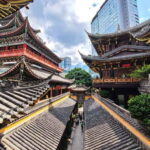
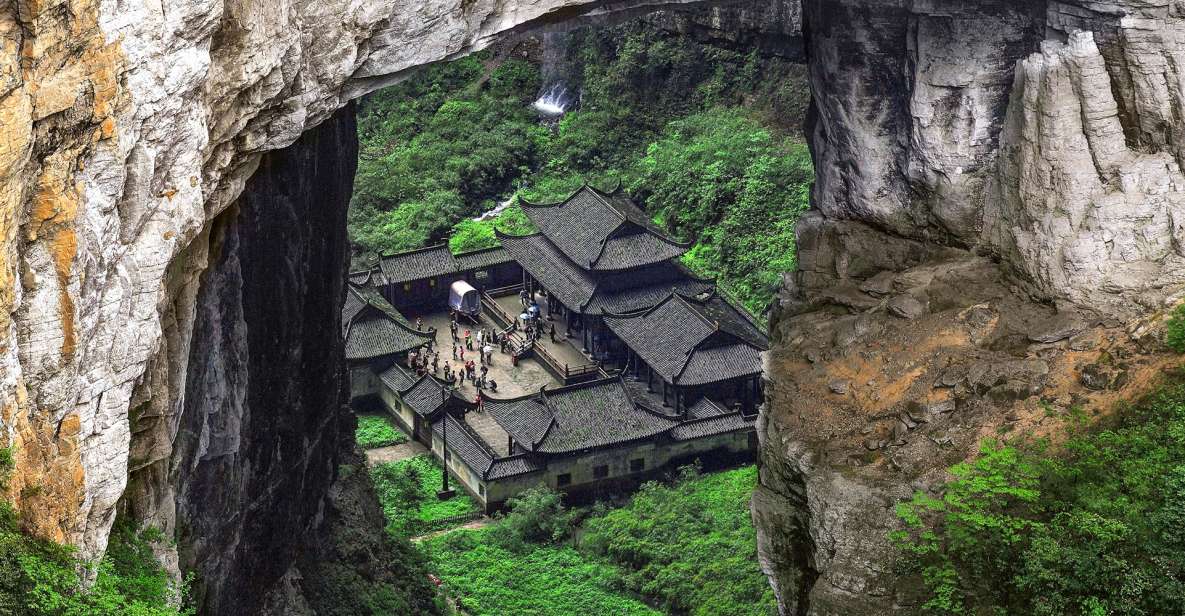
After the main bridge time, there’s a stop near Qinglong Bridge at an ancient staging post built in the Tang Dynasty (618–907). This isn’t just a quick photo stop. The wooden-structured courtyards are still preserved, with more than 20 rooms remaining.
The value here is contrast. After the big stone arches and gorge views, you suddenly get a human-scale historic site: courtyards, rooms, and the sense of how officials and guests might have moved through mountain routes. A Tang-era staging post was designed for handling official business and receiving visitors, so it helps explain why this region mattered as a connected landscape, not only a scenic one.
You’ll likely get some time to wander inside the preserved courtyards. It’s a good break from constant walking and bright viewpoints, and it gives your brain a different kind of information to chew on.
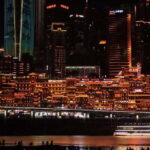
Waterfalls and karst caves: what you’ll notice beyond the arches
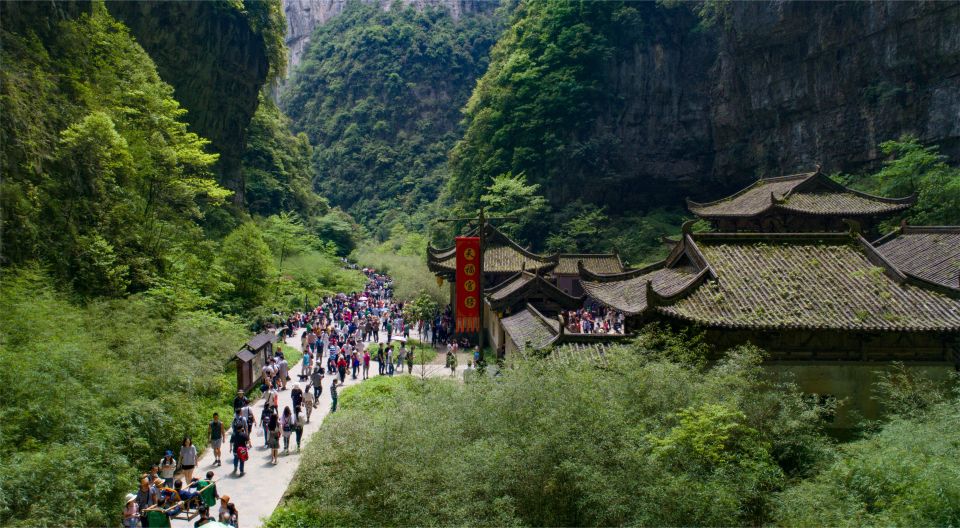
The star sights are the bridges, but Wulong’s karst style shows up everywhere you look. The experience description calls out karst caves, grotesque peaks, and beautiful waterfalls scattered through the area.
You might not get a formal “cave tour” in the way you would in a dedicated cave attraction. Still, the environment itself teaches you to look up, look around, and notice rock formations that seem to repeat in patterns. Waterfalls can be a visual rhythm cue: even if the arches are the main show, the sound and movement of water keeps you oriented as you move through different viewpoints.
If your guide speaks with confidence, this is also where you benefit most from having someone translate what you’re seeing into simple meaning—what kind of karst formation you’re looking at and why the scenery forms in this particular way. English explanation quality can vary, but when it clicks, your photos stop being random and start being readable.
One practical move: if waterfalls are running, watch your step near wet areas. Karst scenery can look dry while parts of the path stay slick.
Private group pacing: the difference between rushing and enjoying
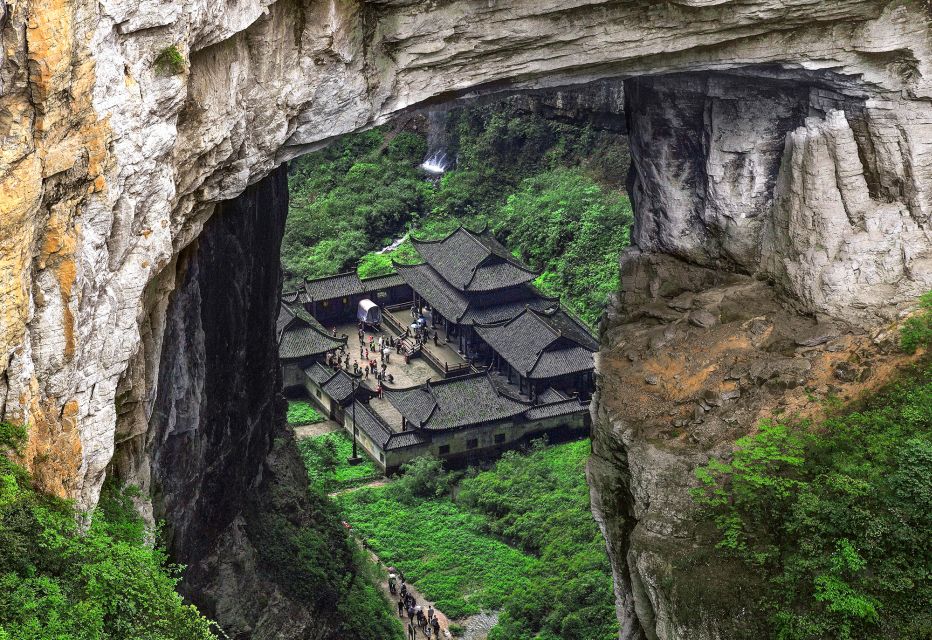
This is a private group format with a dedicated guide (in English and Chinese) and a private car. In practice, that means you’re not locked to a herd pace.
That matters because Wulong is visual, not just checklists. The best experience comes from choosing when to linger at a bridge angle, when to take a breath after a climb, and when to wander for a quieter view. A guide can help you find that balance.
Past experiences include guides like June and Peter being described as accommodating, personable, and informative. Christine is another name that’s come up for clear explanations. You might not get the same person, but the pattern is useful: when your guide handles pacing well, you feel like you’re sightseeing with a smart local friend instead of being managed like a schedule item.
The group size can influence comfort too. One note from earlier experiences: the private car setup has worked well for small groups (around four people). If you’re traveling with friends or family, that private-car layout can be a nice way to keep the cost per person from feeling heavy.
Price and value: is $316 per person fair?
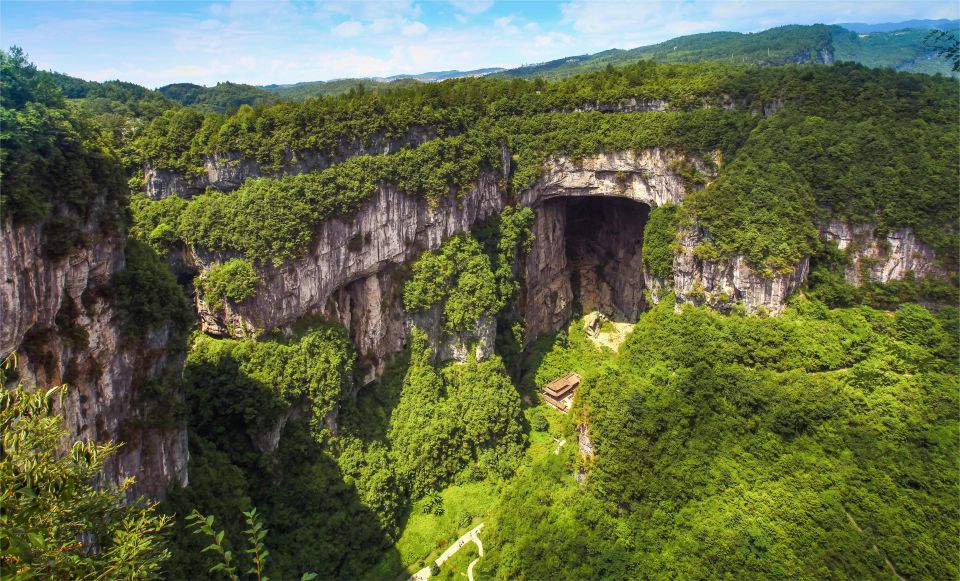
At $316 per person for a 10–11 hour private day, you’re paying for two things most people can’t easily DIY: a private car from downtown Chongqing to Wulong County and a guide who can help you move smoothly through a major scenic region.
The included pieces depend on the option you choose, but this tour can include:
- Hotel pickup and drop-off
- Private car
- Tour guide (if you select the guided option)
- Lunch (if guided option is chosen)
- Entrance ticket to the Three Natural Bridges (if guided option is chosen)
That bundle is where the value usually comes from. You’re not only buying entry. You’re buying time saved and confusion avoided. If you’re traveling as a couple or small group, you also benefit from splitting the private-car cost conceptually, even though it’s still priced per person.
Is it a bargain? Not exactly. But it can feel worth it if you care about seeing the sights without logistical stress and if you’ll use the guide for explanations and pacing. If you’re the type who prefers to wander solo with minimal guide interaction, you may feel like you’re paying for something you won’t fully use.
Who this Wulong private day trip suits best
This works especially well if you:
- Want a stress-free day from Chongqing with hotel pickup
- Enjoy guided context for big scenic sites like the Three Natural Bridges
- Prefer a private format where you can slow down and take photos without feeling rushed
- Travel with limited patience for public-transport transfers
It may not be a great fit if you’re:
- Wheelchair users or need step-free access
- Pregnant women
- Traveling with lots of luggage (large bags and pets aren’t allowed)
Also, plan for a long day. The early start at around 08:00 and return around 18:30 means this isn’t a “quick morning escape.” It’s a full sightseeing day with walking, viewpoints, and a bit of mountain weather unpredictability.
Should you book this tour?
If you want the Three Natural Bridges experience with less hassle, I think this is a solid booking. The private car pickup from Chongqing and the timed structure (bridge time plus the Tang-era Qinglong Bridge staging post) make the day feel efficient without turning it into a speed-run.
I’d book it if you like guided pacing and you’re happy to wear comfortable shoes and do a fair amount of walking. I’d pause and rethink if you strongly need step-free access, or if you’re worried about language depth and want heavy, detailed narration in English throughout.
FAQ
FAQ
What time do I get picked up in Chongqing?
Pickup is around 08:00 from your downtown Chongqing hotel, and the guide will meet you at the hotel lobby.
How long is the drive from Chongqing to Wulong County?
The drive takes about 3 hours in a comfortable private vehicle.
How long do I spend at the Three Natural Bridges?
You’ll have about 2 to 2.5 hours in the Three Natural Bridges scenic area.
Is lunch included?
Lunch is included only if you choose the guided tour option.
Are entrance tickets included?
Entrance tickets to Wulong Three Nature Bridge are included when you select the guided tour option.
What languages does the guide speak?
The live tour guide is available in English and Chinese.
What should I bring for the day?
Bring a passport or ID card, comfortable shoes, sunglasses, and a camera.
Is the tour suitable for wheelchair users or pregnant women?
No. The tour isn’t suitable for wheelchair users or pregnant women.
Is this a private tour?
Yes. It’s a private group tour with a private car and a guide.