REVIEW · BEIJING
Ming Tombs Admission Ticket
Book on GetYourGuide →Operated by PANDA144 experience · Bookable on GetYourGuide
Beijing’s Ming Tombs feel bigger than they look on a map. In one day, you get access to the resting place of 13 Ming emperors, plus standout sights like the Sacred Way and underground palace at Dingling. What I like most is how clearly the route is laid out once you arrive, and how the stone carving work on the Sacred Way gives you something visual to focus on throughout your walk. One consideration: the tomb sites are spread out, so you should plan on using transport on the day to connect them efficiently.
If you want a single-ticket way to see some of China’s grandest royal burial architecture, this visit fits the bill. You’ll also get a look at multiple tombs, including Changling with the Hall of Eminent Favor and Zhaoling with a restored imperial mausoleum. The experience shines when you pace it—slow enough to appreciate the craftsmanship, but focused enough not to rush. The main drawback is that an electric cart is not included, so you’ll either walk more than you expect or budget for extra help.
In This Review
- Key things to know before you go
- Ming Tombs in One Day: What Your Admission Ticket Actually Covers
- Entering the Ming Tombs: QR Access and the Passport Check
- Walking the Sacred Way: Where You Really See Ming Craftsmanship
- Changling: Emperor Yongle’s Tomb and the Hall of Eminent Favor
- A realistic drawback
- Dingling: Wanli’s Underground Palace and the Most Unique Interior Visit
- Zhaoling: Emperor Muzong and the Restored Imperial Splendor
- Price and Value: Is $19 Worth a Day North of Beijing?
- Getting Between Tombs: Plan Transport or You’ll Feel It
- Pacing Tips: How to Get a Better Day Out of One Ticket
- Who Should Book This Admission Ticket?
- Should You Book It?
- FAQ
- What’s the duration of the Ming Tombs admission?
- How much does the Ming Tombs admission cost?
- Do I need to bring my passport?
- Do I need to send my passport details to book the ticket?
- Is an electric cart included?
- Are tickets valid on any day I choose?
- Is this suitable for children?
- Will I be able to access wheelchair-friendly routes?
Key things to know before you go
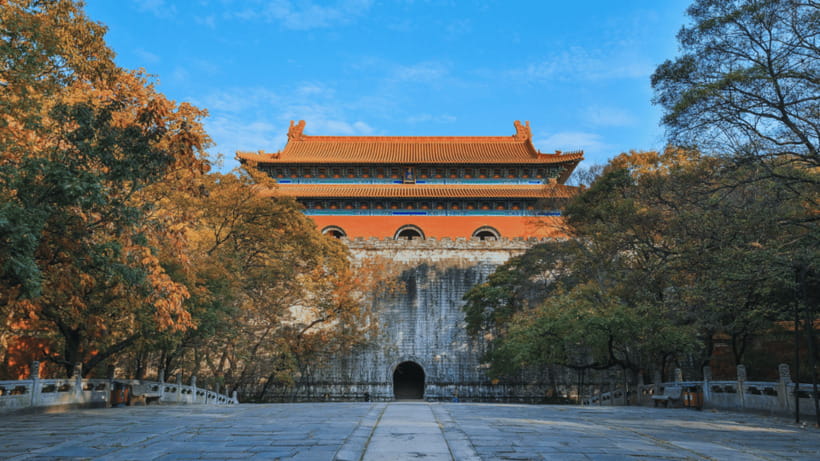
- You’re visiting 13 emperors’ final resting area, not just one tomb site
- Sacred Way is the visual spine of the visit, lined with detailed stone statues
- Dingling’s underground palace is the big interior draw when you want something different
- Changling is the scale play, including Emperor Yongle’s Changling and the Hall of Eminent Favor
- Zhaoling adds restored splendor, with sculptural stonework designed for viewing
- Tombs are far apart, so plan transport between sites rather than relying on walking alone
Ming Tombs in One Day: What Your Admission Ticket Actually Covers

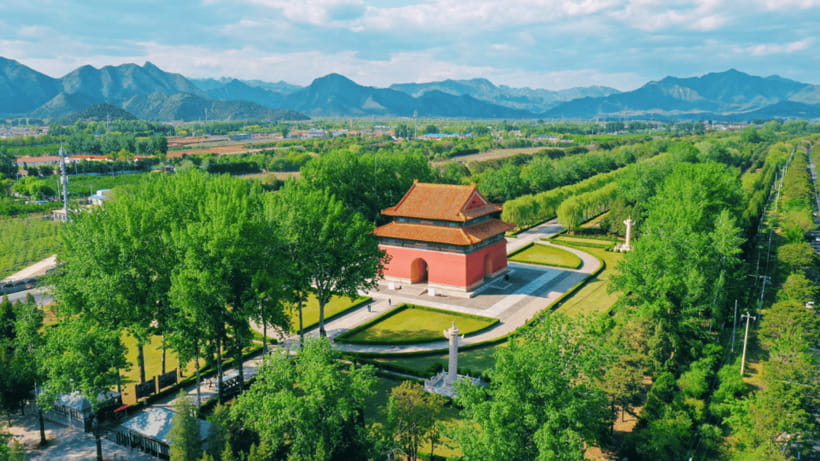
For one set price (listed at $19 per person), this is a practical way to see major stops within the Ming Tombs complex north of Beijing. The whole area is on the southern foot of Tianshou Mountain in Changping District, about 50 kilometers north of Beijing. The reason that matters is simple: this isn’t one building you can hit like a city museum. The tombs sit in a planned layout, spread across a larger cultural heritage area, and you experience that scale as you move from sight to sight.
Your admission typically covers Ming Tombs highlights such as Sacred Way plus tombs including Dingling, Changling, and Zhaoling, though the exact combination can depend on the option you select. That’s a key value point: you’re not paying for a private guide to explain every stone. Instead, your ticket gets you into the sites and exhibits, and the architecture and artifacts do the talking.
Time-wise, you’re looking at a one-day visit. That’s plenty if you keep your expectations realistic: focus on a few main structures well, rather than trying to “collect” everything at speed. The underground space at Dingling and the carved stonework on the Sacred Way are both worth your attention, and you’ll get more out of the day if you slow down for those moments.
You can also read our reviews of more tours and experiences in Beijing.


Entering the Ming Tombs: QR Access and the Passport Check
This ticket is designed around straightforward entry rather than a guided group experience. You bring your passport and use your booking details for entry. The important detail here is not poetic—it’s logistical: you must send your full name exactly as it appears on your passport and include your passport number to complete the booking. If that’s not received on time, the booking can be canceled and a cancellation fee may apply.
Once your details are accepted, you’re set for the booked date. Tickets are valid only on the date you select, and you’ll want to choose the correct time slot. The payoff is that arrival should be smoother, because you’re not waiting for someone to manually sort you into the system.
One more practical note: pets are not allowed, and you can’t bring weapons or sharp objects, alcohol and drugs, or explosive substances. It’s the kind of rule set you usually see at major cultural sites, but it’s worth keeping in mind so you’re not surprised at the entrance.
Walking the Sacred Way: Where You Really See Ming Craftsmanship
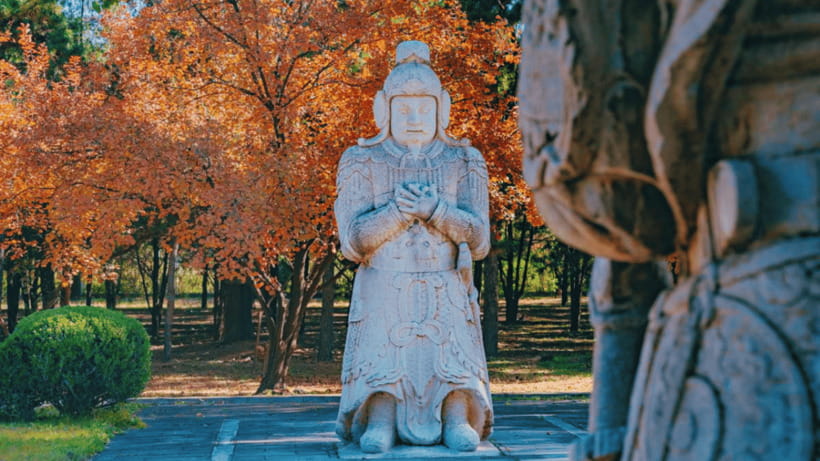
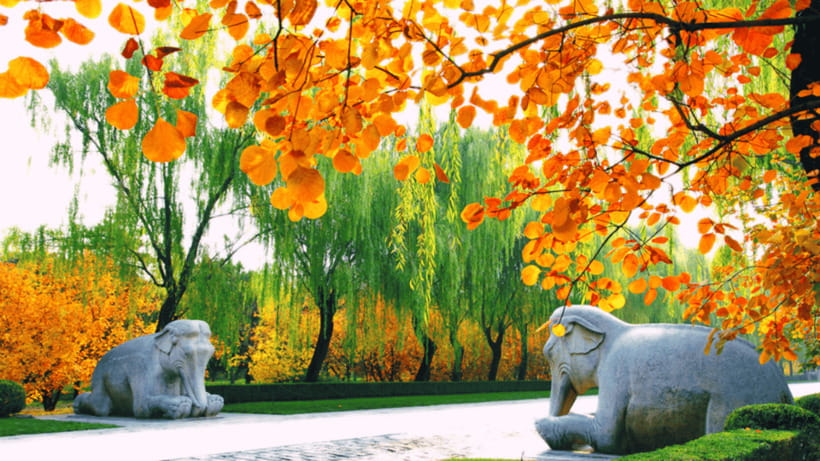
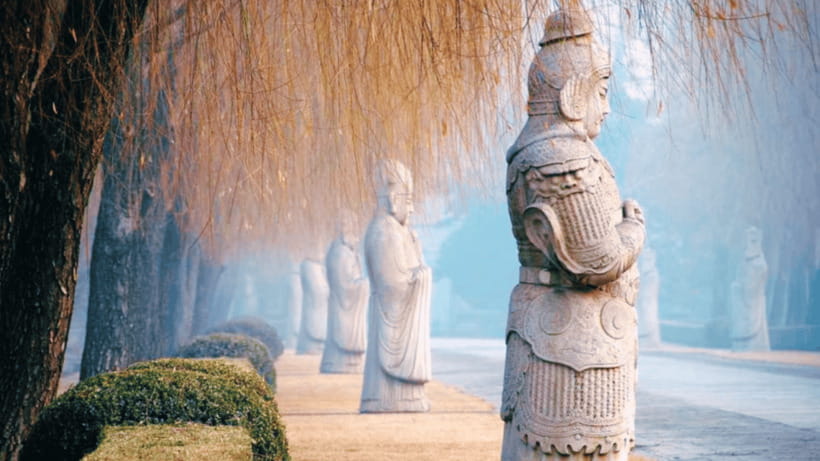
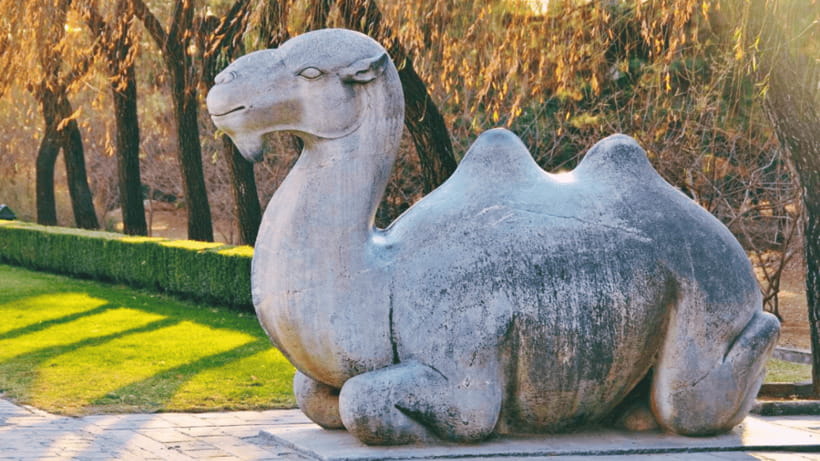
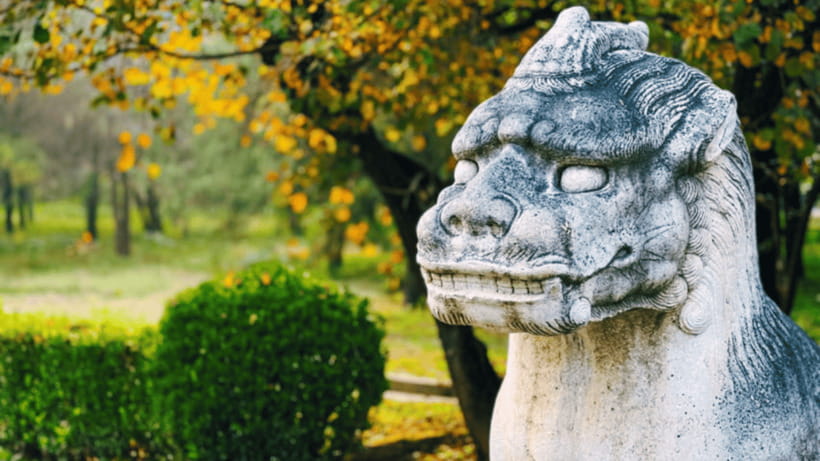
The Sacred Way is the experience’s big “walk-and-look” moment. It’s the pathway connecting the tomb sites and lined with stone statues—sculptures meant to be viewed in sequence, like a story told through figures carved in stone. Even if you don’t read every plaque, you can still learn a lot just from how the carvings are arranged and how the figures are scaled and placed.
What makes this stretch more than a photo stop is that the stonework gives you texture to think about. In a lot of historic sites, you’re mostly looking at walls and rooftops. On the Sacred Way, you’re studying details: the lifelike approach to stone carving, the way different pieces relate to each other, and the sheer effort behind the craftsmanship. If you like architecture but also enjoy sculpture, this part is often where the day feels most satisfying.
Also, since the tomb complex is spread out, the Sacred Way is one of the few parts where the experience naturally encourages you to slow down. It’s not about speed; it’s about walking through imperial symbolism and seeing how carefully the Ming dynasty used stone art to set a tone of order and power.
Changling: Emperor Yongle’s Tomb and the Hall of Eminent Favor
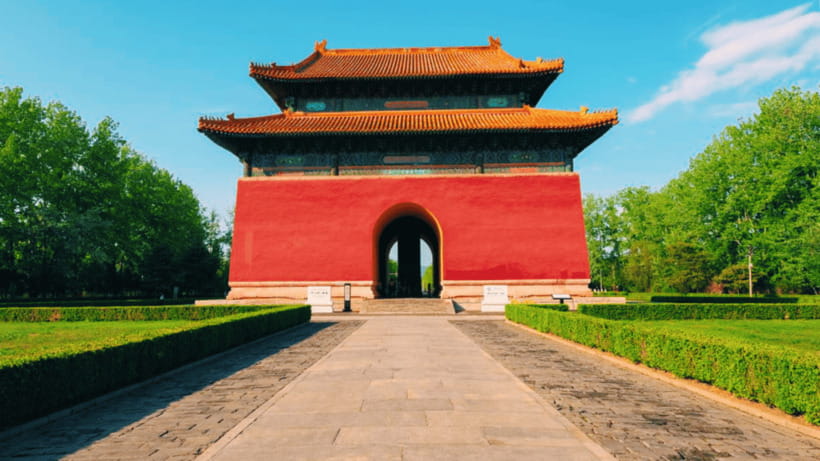
Changling is the tomb of Emperor Yongle, also known as Zhu Di, and it’s described as the largest and most impressive of the Ming Tombs. This is where the visit starts to feel ceremonial and grand in a very physical way—bigger scale, more structure, and a sense that you’re approaching something designed to impress.
One standout inside Changling is the Hall of Eminent Favor. It’s noted as the only remaining hall of its kind at the Ming Tombs, and that’s the kind of detail that makes you pause. The hall is known for its double-eaved roof and precious golden nanmu pillars. Even without getting lost in architectural jargon, you’ll likely notice the roofline and the visual rhythm created by the supporting elements. It’s the kind of room feature that rewards careful looking because you can see how form and function are tied together.
If you’re the type who likes to anchor a day around one primary highlight, Changling is often the best candidate. It gives you both scale and a notable interior structure, and it connects directly to the Ming dynasty story through the association with Yongle.
A realistic drawback
The main risk with Changling is simple: if you rush between sites, you’ll arrive with low attention and then rush through the hall. This part deserves time. Build in breaks so you can actually look instead of just passing through.


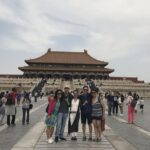



Dingling: Wanli’s Underground Palace and the Most Unique Interior Visit
If Changling is the scale stop, Dingling is the “this feels different” stop. Dingling is the mausoleum of Emperor Wanli, and it’s highlighted as the only underground palace opened to the public. That alone tells you the day will have a shift in mood once you head underground: you go from open ceremonial spaces to enclosed interior viewing designed to protect and present what lies beneath.
The value here is not only the novelty of underground access. It’s the way a burial site becomes an indoor experience—structured for viewing, designed around what the Ming dynasty wanted to preserve. You’ll likely also find yourself thinking more about craftsmanship and planning than you would in a purely outdoor structure.
Dingling is also the stop that can help you balance your pace. Outdoor walking can blur together if you’re not careful, but an underground palace naturally breaks up the day. It gives you a clear mental reset and a different kind of attention.
Zhaoling: Emperor Muzong and the Restored Imperial Splendor
Zhaoling is the tomb of Emperor Muzong, and it’s noted as being restored to reveal the splendor of a Ming imperial mausoleum. Restoration can sometimes feel like a modern makeover, but here the key word in your experience planning is visibility: the restoration is meant to show what the site looks like when you can see its intended presence and structure.
This is also where the day’s stonework and architectural impressions keep accumulating. You’ve seen the Sacred Way’s stone statues, you’ve had the bold scale of Changling, and then you’ve moved into Dingling’s special underground component. Zhaoling gives you another “mode” in the overall sequence—more emphasis on mausoleum presentation and how the structures communicate status through design and form.
If your interest runs toward seeing multiple faces of Ming royal design—ceremonial avenues, major above-ground tombs, and unique underground access—Zhaoling helps round out the story.
Price and Value: Is $19 Worth a Day North of Beijing?
At $19 per person, the big question is value. This ticket makes sense if your goal is straightforward: enter the Ming Tombs complex and see major components like the Sacred Way and multiple tombs within a one-day window. For that price, you’re paying for access to a cluster of significant sites rather than one isolated attraction.
You should also think about what isn’t included. Meals and souvenirs are not included, and an electric cart usage requires an additional fee. That last point matters because the tomb complex is spread out. If you already know you’ll want minimal walking, you’ll need to plan for extra cost or time based on how you’ll move between tombs.
That said, you’re not paying extra to enter each component one by one. The value is in the flexibility of seeing several major stops in a single day without the overhead of a full guided tour.
Getting Between Tombs: Plan Transport or You’ll Feel It
One of the most practical lessons for this day is that the tombs are not close enough to treat like a simple stroll. You’ll need a means of transport to move between the main tomb locations efficiently. The sites are described as distant from each other, so you’ll lose time if you assume walking will be the easiest option.
What works well in practice is hiring a driver for the day to connect the relevant tombs in the right order, and then using public transport back into Beijing afterward. This approach keeps your day focused: you spend your energy at the sights instead of spending it on transit gaps.
If you prefer not to hire private transport, give yourself extra buffer time. The complex’s layout is large, and you’ll be transferring between sections more than you expect. Either way, build a plan so your day doesn’t turn into a frantic chase between far-apart points.
Pacing Tips: How to Get a Better Day Out of One Ticket
A one-day Ming Tombs visit is best when you keep a simple rhythm: anchor your attention at the most distinctive stops, then use the rest of the day to connect those anchors.
Here’s a smart way to pace it:
- Start with Sacred Way for your visual baseline—this is where stone carving and imperial symbolism set the tone.
- Put your deeper attention on Changling and the Hall of Eminent Favor, since it’s described as the largest and the hall has unique features.
- Make Dingling your interior contrast; the underground palace is the standout shift in atmosphere.
- Finish at Zhaoling so your last impression is the restored mausoleum splendor rather than a rushed exit.
Also, remember the ticket includes access to tombs and historical exhibits depending on your option. That means you’ll want to leave time not just for buildings but for the artifact viewing you’ll encounter along the way. The Ming Tombs aren’t only about the exterior. You’ll see artifacts and reflect on the craftsmanship of the Ming dynasty, and that part is easier to appreciate when you aren’t sprinting.
Who Should Book This Admission Ticket?
This is a strong fit if you:
- Want a self-guided, ticketed entry experience for major Ming Tombs highlights
- Like architecture and stone sculpture, especially when the carving is the main show
- Prefer to choose your pace rather than follow a group schedule
- Are comfortable spending a day outside central Beijing and managing transport between sections
It may not be ideal if you:
- Don’t want to walk much and aren’t willing to pay extra for transport or an electric cart option (since cart usage requires a fee)
- Want a family-friendly experience, since it’s listed as not suitable for children under 18
- Want a guided lecture, since guided tours are not included
Should You Book It?
Yes, you should book this admission ticket if your goal is a value-packed one-day Ming Tombs experience where you can focus on the most important highlights: Sacred Way, Changling (including the Hall of Eminent Favor), Dingling’s underground palace, and Zhaoling. The $19 price works because it covers multiple major sections in one outing, and the sites themselves are strong enough that you won’t need constant interpretation to enjoy them.
I’d book with a simple plan in mind: reserve your spot for the correct date/time, keep your passport details ready, and arrange transport between far-apart tomb stops so you’re not losing your prime viewing time.
If you want a historic day that feels real—stone, scale, and craft—you’ll likely feel it from the moment you start walking the Sacred Way.
FAQ
What’s the duration of the Ming Tombs admission?
The ticket is valid for 1 day.
How much does the Ming Tombs admission cost?
The listed price is $19 per person.
Do I need to bring my passport?
Yes. You’ll need your passport.
Do I need to send my passport details to book the ticket?
Yes. You’re asked to send your full name as it appears on your passport and your passport number to complete the booking.
Is an electric cart included?
No. Electric cart usage is not included and requires an additional fee.
Are tickets valid on any day I choose?
No. Tickets are valid only on the booked date and time.
Is this suitable for children?
It’s not suitable for children under 18.
Will I be able to access wheelchair-friendly routes?
The experience is listed as wheelchair accessible.