REVIEW · HONG KONG SAR
Private Transfer: Hong Kong to Macau via Zhuhai Bridge
Book on Viator →Operated by This Is Asia Private Tours · Bookable on Viator
A long bridge can sound boring, but this one moves the day along. I like the door-to-door pickup in a comfortable Toyota Alphard and the fact that immigration is handled without changing vehicles, so your border time stays tight. One thing to weigh: at $264.71 per person, it’s pricier than ferries, so you’ll want to book it when convenience really matters.
If you’re doing Hong Kong and Macau back-to-back, this transfer can feel like a “lost time killer.” You’re looking at about 1 hour 30 minutes on the road and bridge, with the cross-border steps designed to keep you seated. Still, the process can include occasional random checks, so build in a little patience even when everything is planned.
Key points that make this transfer worth a look
- In-vehicle immigration on both sides means no vehicle swaps for most of the process
- Toyota Alphard comfort for up to 6 people, plus space for 4 large suitcases
- Bridge connection shortcut: you trade ferry hassle for a smooth, fixed crossing
- Quick border target: immigration steps are described as taking no longer than 5 minutes
- Helpful driver support (one driver named Jacky was noted as extra accommodating)
- Bring your documents ready since the driver instructs you what to show and when
In This Review
- Why Hong Kong–Zhuhai–Macau Bridge transfers feel easier than ferries
- Pickup to border: everything happens while you stay seated
- If you’re going Hong Kong → Macau
- If you’re going Macau → Hong Kong
- The Toyota Alphard setup: comfort plus luggage space
- A quick reality check on group size
- “1 hour 30 minutes” sounds short—here’s what fills the rest of your day
- What you should do to keep it running smoothly
- Macau hotel or port drop-off: why “door-to-door” changes the feel of arrival
- A practical meeting-point tip from real-world experience
- Price and value: when $264.71 per person makes sense
- You’ll probably feel the value if…
- You might feel it’s overpriced if…
- Direction swap: Hong Kong ↔ Macau runs work the same way
- Driver communication: plan for quick instructions
- Who this private transfer is best for
- Should you book this Hong Kong to Macau private transfer?
- FAQ
- How long is the transfer?
- Is this a private transfer or shared?
- Do I need to change vehicles or get out for immigration?
- Where does pickup and drop-off happen?
- What vehicle will I ride in?
- How does the driver handle documentation?
- Is there a mobile ticket?
- Can I book if I’m traveling with a cruise ship?
- What is the cancellation policy?
Why Hong Kong–Zhuhai–Macau Bridge transfers feel easier than ferries
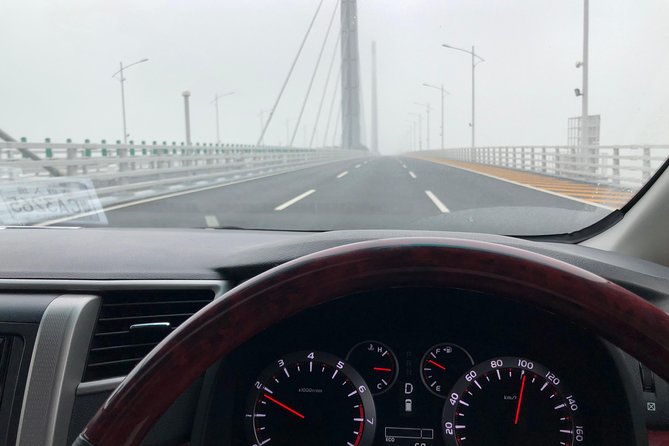
The Hong Kong–Zhuhai–Macau Bridge is famous for a reason: it’s huge, and it turns a tricky “get there” day into a planned ride. Instead of timing schedules, dealing with ferry crowds, or dragging luggage through terminals, this transfer is built around a simple flow: you get picked up, you handle border steps with help, then you get dropped at your hotel or port.
I like that the experience is designed to reduce friction at the border. The goal here is not sightseeing during the crossing. The goal is getting you across with minimal fuss while you stay in the vehicle. That matters on travel days when you’d rather spend energy on exploring Macau’s streets or finding dinner—not standing in lines while holding passports.
There’s also a real comfort factor. You’re not crammed into a bus for a long day. The ride uses air-conditioned minivans (Toyota Alphard), set up for small groups and luggage, which is a big deal if you’re traveling with bags, shopping, or a couple of outfit changes.
One practical note: the bridge ride can feel long in the sense that it’s just… driving over water. If you’re the type who likes motion and views from a ferry deck, this might feel different. But if your priority is speed and ease, that’s where it shines.
Pickup to border: everything happens while you stay seated
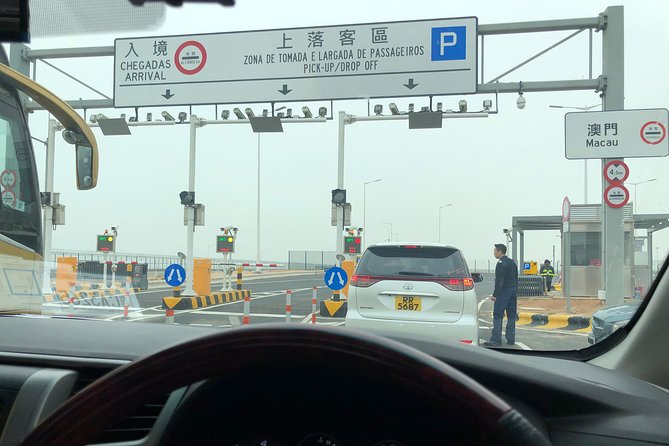
Here’s the core advantage: most of the cross-border procedure is designed to happen without you getting out of the van.
You can also read our reviews of more tours and experiences in Hong Kong SAR.


If you’re going Hong Kong → Macau
You’ll be picked up at your location in Hong Kong with your luggage. Then the van drives to the Hong Kong immigration booth by the bridge. The process is done while sitting in the vehicle, and your driver will tell you what to show. The immigration portion is described as taking no longer than 5 minutes.
After that, the flow continues onto the bridge. You remain in the vehicle for the next step, moving through immigration toward Macau. You should only expect to step out if customs officers request it for a random check.
If you’re going Macau → Hong Kong
The rhythm is similar, just in the other direction. You’re picked up in Macau with your luggage, driven to the Macau bridge port immigration building, and immigration is handled with you staying seated. Again, the description sets expectations at no longer than 5 minutes for immigration. Then you cross to Hong Kong, finishing with the Hong Kong immigration and customs steps while remaining in the vehicle—except for any random checks.
Why this matters: getting off and back on a vehicle during border time is where travel days often fall apart. Luggage gets delayed. People lose track. Someone always forgets a phone or passport. This setup aims to keep you in the “system” with less chaos.
The Toyota Alphard setup: comfort plus luggage space
The transfer isn’t just about getting from A to B; it’s about arriving with your energy intact. The van used here is a Toyota Alphard, designed for comfort and group travel. The vehicle is described as carrying up to 6 passengers and 4 large suitcases.
That luggage detail is worth paying attention to. Many transfers advertise “comfortable seats,” but then your bags turn into a game of Tetris. Here, the stated limit for large suitcases gives you a clearer idea whether your luggage will fit without squeezing.
You’ll also be traveling in an air-conditioned vehicle, which is helpful when humidity is doing its thing in South China. And in at least one experience, bottled water was available in the van, which is a small thing that makes the day smoother—especially if your border timing runs a bit longer than expected.
A quick reality check on group size
It’s private, meaning only your group participates. That’s a plus if you want quiet, space, and a direct path without waiting for strangers. If you’re traveling as a group of friends or a family unit, you’re also more likely to appreciate the value of a vehicle that handles luggage well.






“1 hour 30 minutes” sounds short—here’s what fills the rest of your day
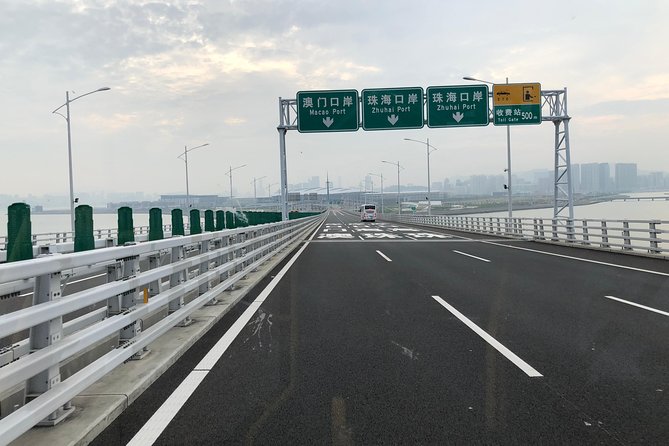
The stated duration is about 1 hour 30 minutes (approx.) for the transfer. That’s encouraging, but it’s also important to understand that the border process, plus any variability in how quickly documents are reviewed, can affect how “tight” your day feels.
The provider’s goal is clear: immigration should take no longer than 5 minutes, and the rest of the processing happens while you’re seated. In other words, you’re not dealing with the kind of stop-start rhythm where you’re constantly hopping between checkpoints.
What you should do to keep it running smoothly
- Keep your passport accessible so you can follow the driver’s instructions quickly
- Have your documents ready in advance—don’t wait until the van pulls up
- Expect the occasional random check and stay calm if it happens
Even when everything is designed to be fast, cross-border days always include human timing. Your job is to make it easy for your driver to guide you and for officers to check what they need without delays.
Macau hotel or port drop-off: why “door-to-door” changes the feel of arrival
Most people think the ferry is the main difference between options. In reality, the arrival part is often the bigger stress.
This transfer includes hotel/port pickup and drop-off, which means you’re not hunting for a meeting point while you’re tired and your bags are heavy. The driver takes you directly to your destination area in Hong Kong or Macau after the immigration steps are finished.
If you’re arriving in Macau with a plan to go straight to dinner, a show, or a neighborhood you want to explore, that direct drop matters. It reduces the “what now?” energy and helps you get your bearings fast—especially when you’re switching from one city’s rhythm to the other.
A practical meeting-point tip from real-world experience
One useful tip that popped up: confirm the exact meeting spot at the port area, including the level/floor. If you’re early, it’s easy to end up at the wrong entrance. Before you go, ask your driver or the provider which level they’ll use. It can save you a stressful detour with luggage.
Price and value: when $264.71 per person makes sense
Let’s talk money, because this is where good decisions happen.
At $264.71 per person, this is not a budget transfer. It’s the kind of price where you should ask: am I paying for comfort, time, and low-stress logistics—and will I actually use those benefits?
Here’s where the value tends to land:
You’ll probably feel the value if…
- You’re traveling with kids, older travelers, or anyone who dislikes switching modes at borders
- You have more luggage than a backpack-friendly trip
- You want a set, private plan rather than managing schedules
- You’re going early and don’t want to gamble with fewer options at odd hours
That last point matters because ferry schedules and timing can be limiting on some travel days. If the alternative is “figure it out and hope it lines up,” private transfer becomes more reasonable.
You might feel it’s overpriced if…
- You’re cost-focused and you’re comfortable navigating terminals and lines
- You don’t mind splitting time between steps and then arranging your onward transport in the other city
- You only travel with lightweight luggage
In plain terms: if you value convenience enough to pay for it, this transfer is a good fit. If you’re chasing the cheapest possible crossing, you’ll likely see better value elsewhere.
Direction swap: Hong Kong ↔ Macau runs work the same way
One of the nicer things about this service is that it doesn’t treat directions like two different products. The flow stays consistent:
- Pickup with luggage
- Drive to the relevant immigration setup
- Immigration handled while you stay seated in the vehicle
- Continue over the bridge
- Finish with destination-side immigration while still in the vehicle
- Drop-off at your hotel/port
Because the structure is consistent, you can plan your day with more confidence. You’re not reinventing your logistics when your itinerary flips from Macau to Hong Kong.
Also, the setup makes it practical for travelers who want to keep their schedule simple. That’s especially true if you’re moving between cities and don’t want extra “transport homework.”
Driver communication: plan for quick instructions
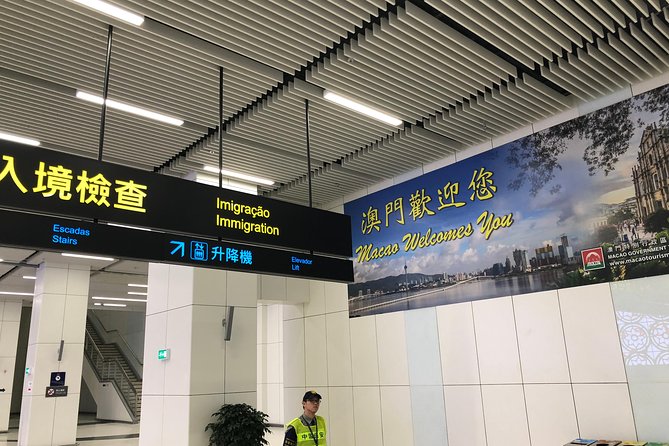
One small caution to keep in mind: driver English ability can vary. In one experience, the driver was noted as not speaking English well.
That doesn’t automatically make the transfer hard—because you should expect the driver to provide clear instructions about what to show and when. But it does mean you should come prepared with documents organized and a calm mindset.
If you rely on English to interpret what’s happening at each step, consider sending the provider a message ahead of time with key details like your pickup address or hotel name as written in plain form, plus the number of passengers and luggage.
Who this private transfer is best for
This is a good choice when your priorities are comfort and logistics control.
It’s especially suitable for:
- Families and groups (up to 6 passengers) who want everyone together
- Travelers with multiple large suitcases
- Anyone who prefers avoiding ferry crowds and terminal transfers
- People with tight schedules who want border handling designed to be quick and seated
It may be less ideal if your priority is the lowest cost possible and you don’t mind handling borders independently. Also, if you’re hoping for a “see the bridge” kind of ride with lots of scenic stops, remember this transfer is built for movement, not sightseeing stops.
Should you book this Hong Kong to Macau private transfer?
If you want a smooth border day with door-to-door pickup, an air-conditioned Toyota Alphard, and immigration steps designed to keep you in the vehicle, I’d say this is a smart booking—especially when you’re traveling with luggage or people who value comfort.
Book it when you can justify the price as paying for time and stress reduction. Skip it if you’re a budget hawk and you’re comfortable with terminals, tickets, and ferry timing.
My practical advice: if you choose this transfer, make your day easier by keeping documents ready, confirming the meeting spot level at the port area, and being flexible about random checks. When you do those things, the process is exactly what you want from a private transfer—simple, organized, and focused on getting you across.
FAQ
How long is the transfer?
It’s listed as approximately 1 hour 30 minutes.
Is this a private transfer or shared?
It’s private. Only your group participates.
Do I need to change vehicles or get out for immigration?
The service is described as handling immigration while you stay seated in the vehicle, with no vehicle change. You may only need to get out if customs officers request a random check.
Where does pickup and drop-off happen?
Pickup and drop-off are available from designated meeting points, including hotel/port pickup and drop-off.
What vehicle will I ride in?
The transfer uses an air-conditioned minivan, described as Toyota Alphard, for up to 6 passengers and space for 4 large suitcases.
How does the driver handle documentation?
You’ll be instructed what to show the driver to present during immigration steps. The process is designed to be done while you sit in the vehicle.
Is there a mobile ticket?
A mobile ticket is listed as a feature.
Can I book if I’m traveling with a cruise ship?
Cruise ship passengers must provide ship name, docking time, disembarkation time, and re-boarding time at booking.
What is the cancellation policy?
You can cancel for a full refund if you cancel at least 24 hours before the experience’s start time. Free cancellation is available up to 24 hours in advance.