REVIEW · HONG KONG SAR
Tea Tasting and Pairing Concept Workshop
Book on Viator →Operated by MingCha Tea House · Bookable on Viator
Tea is more than sipping. This Hong Kong workshop at MingCha Tea House turns tasting into food pairing practice, with Gung-fu brewing and four premium teas in about 1.5 hours.
I love how hands-on it feels. You taste across four premium teas (green, scented green, red, and oolong), and you learn how the brew changes the cup. I also like the way the experience highlights sensory details, including a standout Jasmine blossom presentation.
One possible drawback: it’s focused, not broad. You’re sampling four tea categories and pairing them with a few specific foods, so serious tea hunters who want a huge variety may wish for more options.
In This Review
- Key things worth knowing
- Tea Pairing Meets Gung-fu Pouring in Chai Wan
- The 90-Minute Flow: What You Do From Start to Finish
- What makes it more than a tasting menu
- Your Four Teas: Green, Scented Green, Red, and Oolong
- Green tea
- Scented green (including jasmine blossom)
- Red tea
- Oolong
- Why this selection works for value
- The Gung-fu Way: How Technique Changes the Cup
- Use your senses on purpose
- Pairing Tea With Food: Nuts, Chocolate, and Flower Honey Toasts
- Dried nuts: crunch and aroma meet tea structure
- Chocolate: sweetness and roast can overpower
- Flower honey toasts: fragrance and sweetness
- What you should do during pairing
- Meeting the Tea Host: Vivian’s Style and Why It Matters
- Small group size is not a throwaway detail
- Price and Value: Is $65.60 Worth It?
- Timing, Getting There, and What to Plan in Hong Kong
- Who This Workshop Fits Best
- Should You Book This Tea Tasting and Pairing Workshop?
- FAQ
- Where does the Tea Tasting and Pairing Concept Workshop meet?
- How long is the workshop?
- What teas are included in the tasting?
- Do you get to pair tea with food?
- Is the workshop family-friendly?
- How many people are in a group?
- Are there multiple start times?
- How soon will I get confirmation after booking?
- How does cancellation work?
- What happens if the experience is canceled due to weather?
Key things worth knowing
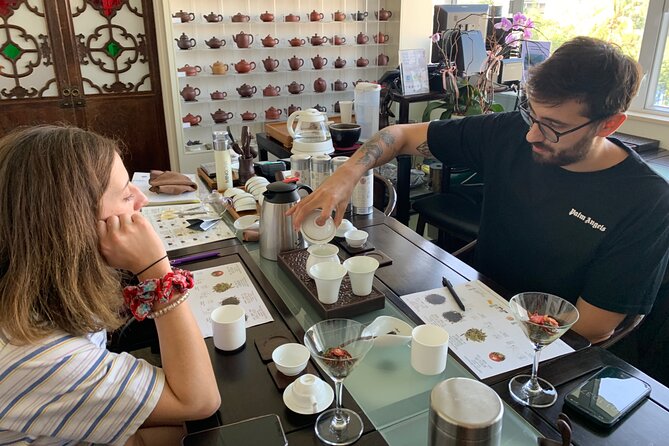
- Hands-on Gung-fu style brewing and pouring with traditional tea ware
- Four tea categories: green, scented green (jasmine), red, and oolong
- Tea pairing practice with dried nuts, chocolate, and flower honey toasts
- Use all five senses, so you taste with smell and sight, not just sip
- Small group size with a maximum of 20 people, led by the tea host Vivian
- Two start times to fit your day in Hong Kong SAR, with a near public-transport location in Chai Wan
Tea Pairing Meets Gung-fu Pouring in Chai Wan
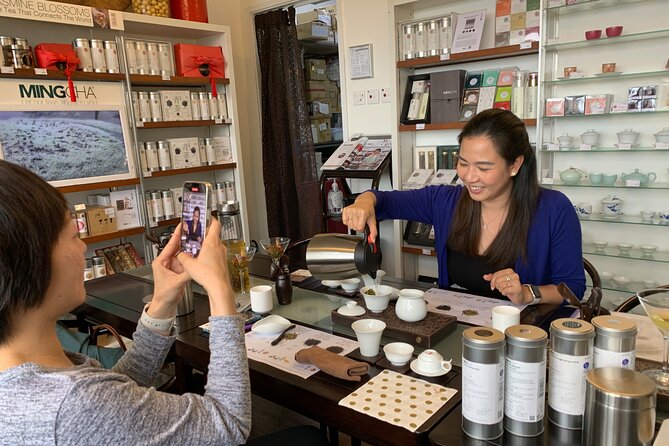
If you’ve ever wondered why some teas taste “right” with certain foods, this is a practical way to find out. In Chai Wan, MingCha Tea House runs a tea tasting and pairing concept workshop that blends classic tea making with a simple pairing idea: tea doesn’t sit in isolation, it interacts with what’s on your plate.
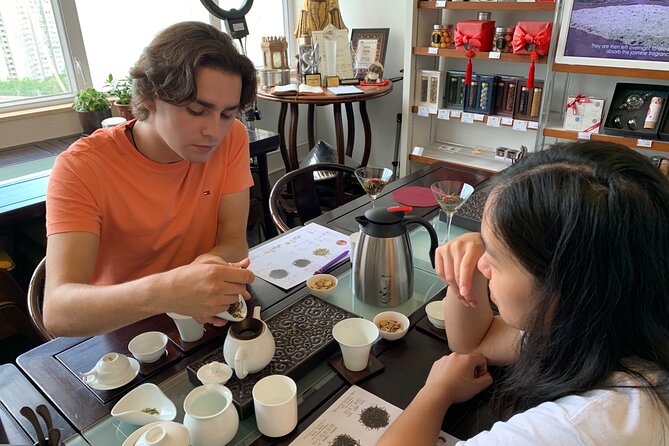
The setting matters too. This is not a lecture hall; it’s a workshop format where you can see the tea ware in use and follow the steps for steeping and pouring. The whole thing lasts about 1 hour 30 minutes and ends back at the meeting point, so you’re not stuck planning your day around a multi-stop tour.
You can also read our reviews of more tours and experiences in Hong Kong SAR.


The 90-Minute Flow: What You Do From Start to Finish
The workshop is built around a clear rhythm: taste the tea, learn how to brew it properly, then test your assumptions with pairing. That structure is why it works for beginners. You’re not just sampling; you’re getting a repeatable way to think about tea.
Here’s the order you can expect, based on how the session is described:
- You start at MingCha Tea House, located at MingCha Tea House B2, 15/F, Fortune Factory Building Block B, 40 Lee Chung St, Chai Wan.
- You sample four premium teas from selected categories.
- You do hands-on practice using a Gung-fu way with traditional tea ware.
- You do a tea pairing session using dried nuts, chocolate, and flower honey toasts.
- You finish with recommendations for other teas you might like, based on what you enjoyed most.
What makes it more than a tasting menu
A lot of tea experiences give you a few cups and call it educational. This one pushes you to notice changes that come from technique and timing—how the first pour differs from later pours, and how your perception shifts when you smell and watch the tea as much as you sip it.
That’s also where the workshop tends to feel fun. One highlight that stands out from the experience description is experimentation with the tea leaves before and after brewing. It’s the kind of small activity that makes you pay attention quickly.
Your Four Teas: Green, Scented Green, Red, and Oolong
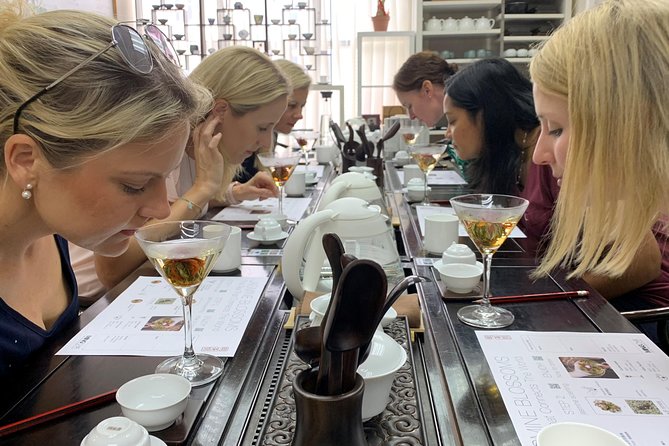
The workshop samples four tea types, each from a different category: green, scented green, red, and oolong. The goal isn’t just to label them—it’s to help you understand what to look for when tasting.
Green tea
Green tea is typically the baseline for many people. In a workshop like this, it’s useful because it trains your palate for freshness—how the aroma reads and how bitterness and sweetness show up as you steep.



Scented green (including jasmine blossom)
The scented green option is often where the experience turns memorable. Jasmine tea is described with a unique Jasmine blossom presentation in the workshop feedback, and it’s easy to see why: scented tea isn’t just taste, it’s aroma first. When you’re using five senses, the smell does a lot of the work before you even take a sip.
Red tea
Red tea here means the category you’d expect for a deeper cup compared with green. It’s a good contrast in the tasting set. If green tea feels light or grassy to you, the red tea step usually helps you connect the dots between tea color, aroma depth, and flavor weight.
Oolong
Oolong sits in the middle for many people: not as crisp as green, not as straightforwardly bold as red. In a pairing workshop, oolong can be especially useful because it often bridges flavors—making it easier to match with foods like toast, honey notes, or richer snacks.
Why this selection works for value
You might think four teas is not enough. But for most visitors, it’s the sweet spot. You get enough variety to notice patterns, while still spending enough time on technique. That “limited set, clear learning” approach is why this workshop tends to feel worth the price.
The Gung-fu Way: How Technique Changes the Cup
One of the most practical parts is the hands-on Gung-fu way using traditional tea ware. This is where you learn that good tea isn’t only about the leaf—it’s also about how you handle it.
From the workshop description and feedback, you’ll practice:
- how to seep (steep) the tea correctly
- how to pour with control
- how your cup changes as you do it step by step
This matters because it’s the difference between tasting something once and actually being able to recreate it. If you buy tea later, you’ll likely remember the steps that brought out aroma without turning the flavor harsh.
Use your senses on purpose
The experience explicitly leans on all five senses. That’s not just a slogan. In practice, it means you’re encouraged to:
- look at the tea appearance as it brews
- smell what you taste before sipping
- notice how sweetness, bitterness, and body show up
You’ll also pick up why tea can taste good but not match food, and vice versa.
Pairing Tea With Food: Nuts, Chocolate, and Flower Honey Toasts
The pairing part is the easiest to turn into a travel skill you can use later. You taste the tea first, then you test it against foods: dried nuts, chocolate, and flower honey toasts.
Here’s what those pairings teach you.
Dried nuts: crunch and aroma meet tea structure
Nuts add fat and a roasted aroma. With tea, that combination often shows you whether a cup feels clean and refreshing or whether it tastes flat. If you learn anything from this pairing segment, it’s how tea can either cut through richness or get lost beside it.
Chocolate: sweetness and roast can overpower
Chocolate brings sweetness and deeper roast notes. This pairing helps you understand whether your favorite tea stays balanced when sweetness is already in the mix. If your tea gets overwhelmed, that’s information. If it still tastes layered, that’s also information.
Flower honey toasts: fragrance and sweetness
Flower honey toasts are a pairing that leans into aroma. This is the kind of match that can make floral or scented teas feel extra natural, especially if you’ve just experienced the scented green (jasmine) side. Even if you don’t love honey in daily life, the tasting helps you map flavor connections.
What you should do during pairing
Go slowly. Pick one tea you loved most, then pay attention to how the foods change it. If you feel uncertain, it’s fine. The workshop format is designed for you to notice and compare, not to guess perfectly.
Meeting the Tea Host: Vivian’s Style and Why It Matters
The workshop is led by the tea host Vivian (sometimes spelled Vivianne in feedback). What stands out in the experience notes is how much energy the host brings: friendly, funny, and focused on teaching tea in a way that feels manageable.
Even practical details show up in feedback, like help getting a taxi back and staying until one arrived. That kind of care doesn’t change the tea, but it changes how comfortable you feel as a visitor.
Small group size is not a throwaway detail
With a maximum of 20 travelers, this is more likely to feel like a real workshop than a crowded tasting line. That matters if you want to ask quick questions about brewing steps or why one tea felt different from another.
Price and Value: Is $65.60 Worth It?
At $65.60 per person for about 1 hour 30 minutes, you’re paying for more than just tea. You’re paying for:
- access to four premium teas (green, scented green, red, oolong)
- hands-on brewing and pouring with traditional tea ware
- structured tea pairing with multiple foods
- a guided host who explains what you’re tasting and how to think about it
- a small group experience (max 20)
Compared to a typical tea shop visit, you’re also buying the education component: how to steep and pour in a way that changes the cup. If you like tea already, the chance to learn technique can turn future tastings into something you understand instead of just something you consume.
If you’re not a tea person and you expected a full-on food festival, you might find the food component limited. But if you’re curious, it’s a good use of time—especially because the whole thing is short and ends back where you started.
Timing, Getting There, and What to Plan in Hong Kong
You can choose from two different start times, which is helpful if you’re balancing a busy Hong Kong schedule. Plan for confirmation within 48 hours of booking (subject to availability). Also, this activity has a history of being booked about 34 days in advance, so if tea is on your must-do list, don’t wait until the last week.
The meeting point is in Chai Wan at MingCha Tea House, located on the 15th floor (B2, 15/F). The experience notes it’s near public transportation, which usually makes it easier than trying to reach a far-off neighborhood by foot.
One more planning note: the experience requires good weather. That doesn’t mean you’ll be outdoors the whole time, but it does mean you should keep an eye on the day-of plan. If it’s canceled due to poor weather, you’ll be offered a different date or a full refund.
Who This Workshop Fits Best
This tea tasting and pairing workshop is a great match if you want:
- a guided way to learn tea categories (green, scented green, red, oolong)
- hands-on brewing practice using traditional tea ware
- a food pairing approach you can use at home or on your next tea stop
- a small, family-friendly option (there’s a family-friendly option available)
It’s also a solid pick if you’re traveling with kids and want an activity that feels interactive rather than purely observational. Just note that the pairing includes dried nuts and chocolate, so if you have dietary restrictions around those, you may want to check in before the day.
Should You Book This Tea Tasting and Pairing Workshop?
Book it if you want a short, focused Hong Kong experience that teaches technique, not just taste. The mix of four tea categories, Gung-fu hands-on practice, and real pairing with nuts, chocolate, and flower honey toast makes it easier to leave with memories you can actually use.
Skip (or at least think twice) if you’re expecting a huge variety of teas, a long cultural tour, or a full meal experience. This is intentionally concise: 1 hour 30 minutes, four teas, a pairing segment, and guidance on what to try next.
If you’re the kind of traveler who likes practical skills you can repeat, this workshop in Chai Wan is a very good buy.
FAQ
Where does the Tea Tasting and Pairing Concept Workshop meet?
It meets at MingCha Tea House B2, 15/F, Fortune Factory Building Block B, 40 Lee Chung St, Chai Wan, Hong Kong.
How long is the workshop?
It lasts about 1 hour 30 minutes.
What teas are included in the tasting?
You’ll sample four tea categories: green, scented green, red, and oolong.
Do you get to pair tea with food?
Yes. The tasting includes tea pairing with dried nuts, chocolate, and flower honey toasts.
Is the workshop family-friendly?
There is a family-friendly option available if you want to enjoy the experience with kids.
How many people are in a group?
The workshop has a maximum of 20 travelers.
Are there multiple start times?
Yes, you can choose from two different start times.
How soon will I get confirmation after booking?
Confirmation is received within 48 hours of booking, subject to availability.
How does cancellation work?
You can cancel for a full refund up to 24 hours before the start time. Changes made less than 24 hours before the start time are not accepted.
What happens if the experience is canceled due to weather?
If it’s canceled because of poor weather, you’ll be offered a different date or a full refund.