REVIEW · XI AN
Xi’an: Guided Day Tour to Huaqing Palace & Terracotta Army
Book on GetYourGuide →Operated by Trekinfini Travel · Bookable on GetYourGuide
One day, three major Qin sites. This Xi’an tour is built to move you efficiently between Huaqing Palace and the big Qin landmarks, without the stress of public transit, and you’ll ride in a comfortable Buick GL8 MPV. Best of all, it’s capped at a small group of 5, so the day feels more controlled than the usual crowd shuffle.
What makes the experience work in real life is the human part: an English-speaking expert guide. In particular, Kelen comes up as a standout name in the feedback, with people praising her for being helpful, accommodating, and informative.
One key consideration: the tour price does not include the main site entrance tickets or lunch. You’ll need to budget extra cash for admissions (and tickets are arranged in advance), and that can change the real cost of the day.
In This Review
- Key highlights to know before you go
- Getting From Xi’an Hotel to Huaqing Palace Without the Headache
- Huaqing Palace and Mt. Lishan: Emperors, Museums, and Big Views
- Terracotta Warriors: What You’re Really Seeing in the Time You Have
- Emperor Qin’s Mausoleum: The 76-Meter Mound and Bronze Chariots
- Price and Logistics: Where the $134 Really Goes
- Small Group vs Big Bus: Why 5 People Changes the Day
- Tips for a Smooth 10-Hour Day in Xi’an
- Who This Tour Suits Best (and who should skip it)
- Should You Book This Xi’an Guided Day Trip?
- FAQ
- How long is the Xi’an guided day tour?
- What’s included in the tour price?
- Are meals included?
- Do I need to pay entrance tickets separately?
- What’s the group size?
- What do I need to bring for tickets?
- Does the tour include hotel pickup and drop-off?
- Is the tour suitable for everyone?
Key highlights to know before you go
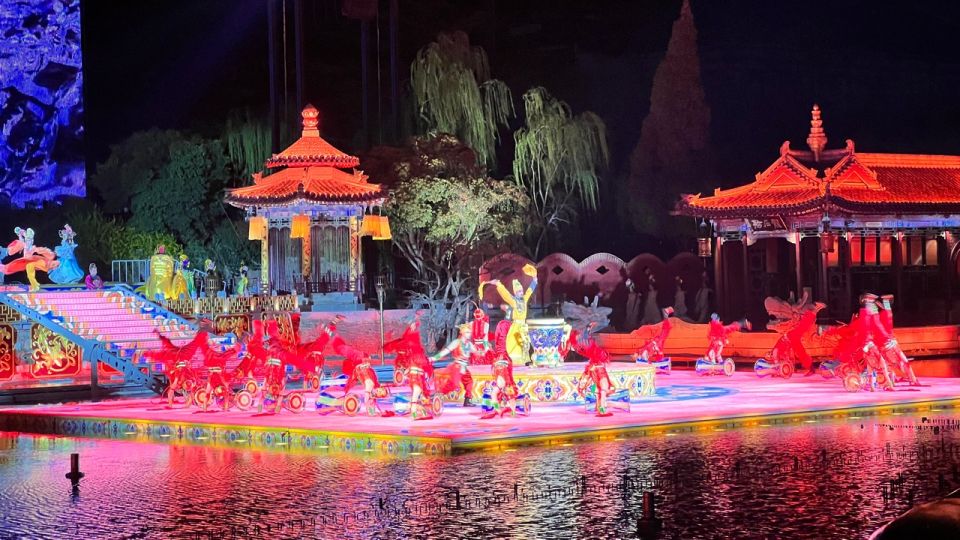
- Buick GL8 MPV comfort for the long ride between sites
- Hotel lobby pickup with a trekinfini sign and door-to-door service (within the third ring road)
- Mt. Lishan context with stops and stories tied to Beacon Tower and the Remonstrance Pavilion
- Terracotta Army scale (multiple pits, including the famed scope of soldiers, chariots, and horses)
- Emperor Qin’s Mausoleum depth from the 76-meter mound to the two sets of bronze chariots
Getting From Xi’an Hotel to Huaqing Palace Without the Headache
The day starts early, with hotel pickup scheduled between 7:30 and 8:30. You meet your guide in the hotel lobby holding a trekinfini pick-up sign with your name on it, which is one of those small things that saves you from awkward confusion at the curb.
The transfer is a major part of the value here. Instead of hopping between taxis or squeeze-bus transfers, you’re in a Buick GL8 MPV and you’ll have bottled water for the ride. For a long day (about 10 hours), that matters because your energy goes where it should: toward seeing things, not surviving transit.
Also, the pickup area is limited to hotels within Xi’an’s third ring road. If you’re farther out, there may be an extra cost. Plan around that, and you’ll feel the tour’s “easy day” promise from the first hour.
You can also read our reviews of more tours and experiences in Xi An.

Huaqing Palace and Mt. Lishan: Emperors, Museums, and Big Views
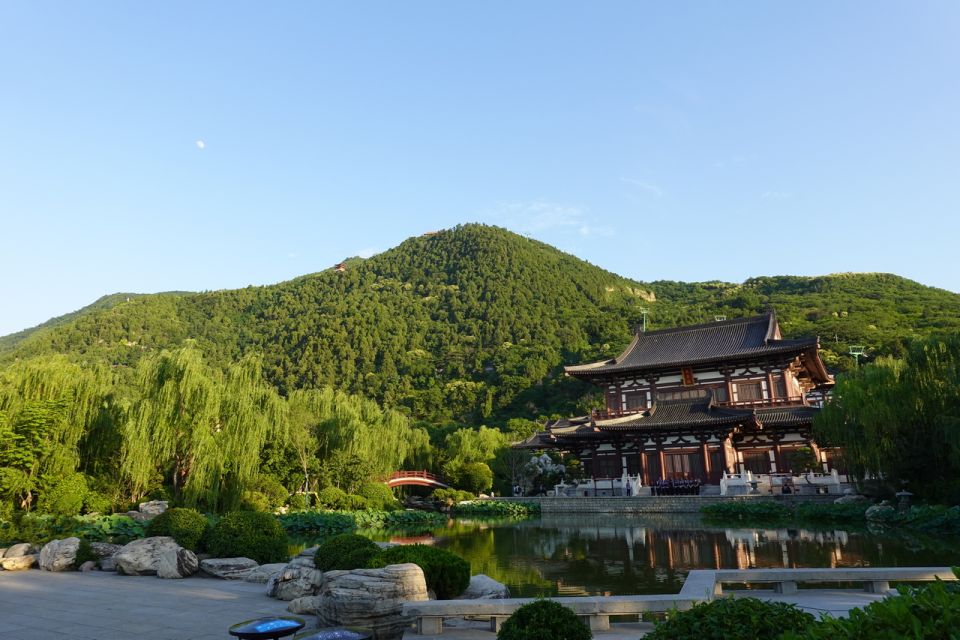
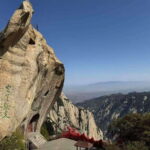
Huaqing Palace is framed in this tour as an emperor’s retreat, and you’ll get a sense of why people kept coming back for centuries. The complex is large—think museums, halls, towers, bridges, temples, gardens, and landmark buildings—all backed by Mt. Lishan, which rises to 1,302 meters above sea level.
The itinerary gives you a window from about 9:30 to 12:00 for Huaqing Palace and Mt. Lishan. That’s enough time to wander without feeling completely rushed, and it’s also the part of the day where a good guide helps you make sense of what you’re looking at. If you’re the type who likes connections (who, when, and why), you’ll appreciate the built-in context.
Two specific Mt. Lishan stories are worth keeping in your head while you walk:
- Beacon Tower, tied to the downfall of the Western Zhou dynasty in 771 BC.
- Remonstrance Pavilion, connected to the Xi’an Incident of December 12, 1936, involving Chiang Kai-shek.
Even if you don’t memorize dates, these references give the mountain a “this mattered” feeling. It turns Mt. Lishan from scenery into a historical stage, which is exactly what you want before heading to the Terracotta sites.
Terracotta Warriors: What You’re Really Seeing in the Time You Have
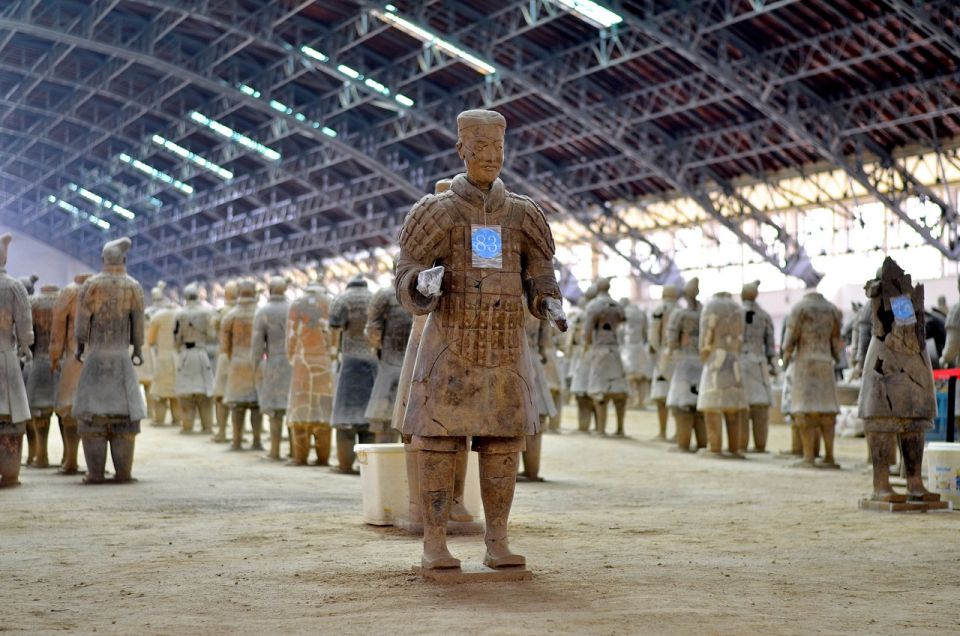
You’ll leave Huaqing behind and head to the Terracotta Warriors for roughly 13:00 to 15:00. This is the stop most people plan for, and the tour keeps it straightforward: see the warriors, understand what they represent, then move on while you still have energy for the next site.
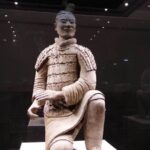
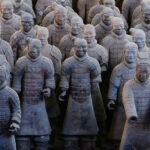
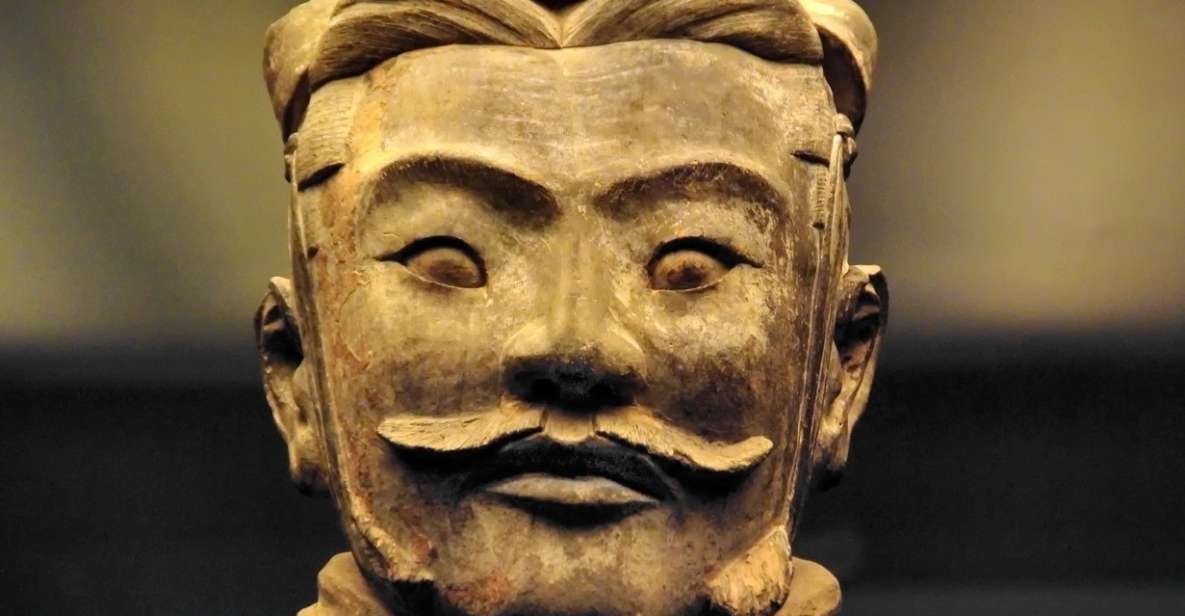
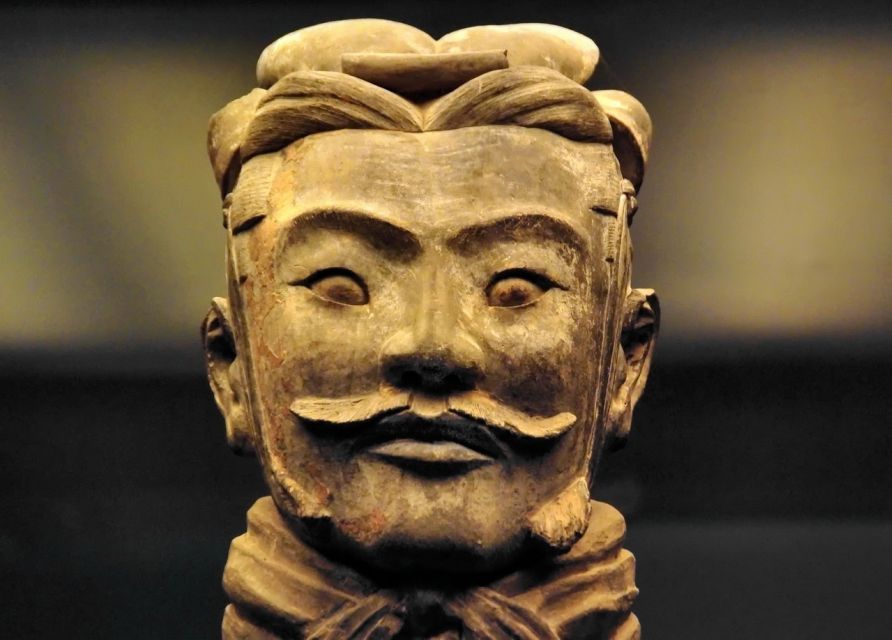
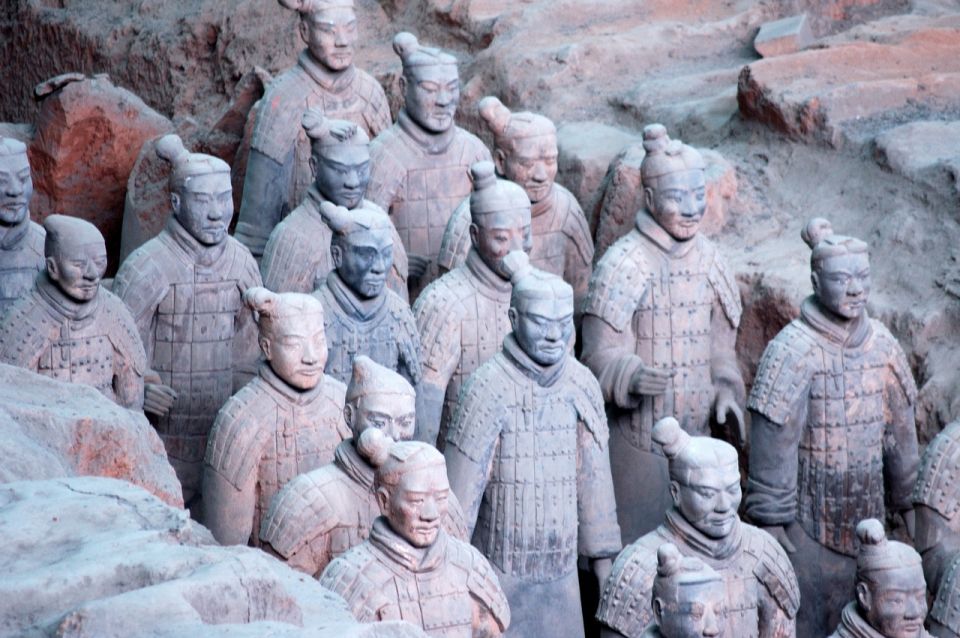
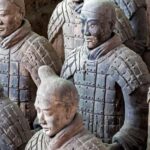
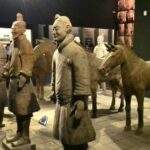
Here’s the key context you’ll want to carry into the pits: the Terracotta Army is a set of terracotta sculptures depicting the armies of Qin Shihuang, the first Emperor of China. The purpose wasn’t entertainment. These figures were buried to protect the emperor in his afterlife.
The discovery story is also part of the magic. The figures were found in 1974 by farmers digging a well. Since then, excavations have uncovered an estimated 8,000 soldiers, 130 chariots with 520 horses, and additional cavalry horses across three pits.
You’ll also be seeing why the Terracotta Army earned its reputation globally. It’s a UNESCO World Heritage Site (listed in 1987), and it’s one of the most significant archaeological finds of the 20th century.
One practical point: you’ll want comfortable shoes. Even if the walking isn’t extreme, museum layouts and outdoor areas can add up fast. In a 10-hour day, good foot support keeps you focused on the details—like the scale, the formation, and the uniformity that’s anything but boring.
Emperor Qin’s Mausoleum: The 76-Meter Mound and Bronze Chariots
After Terracotta, you’ll go on to Emperor Qin’s Mausoleum for about 15:00 to 16:00, located at the northern foot of Mt. Lishan. This is where the tour gives you the “bigger picture” of the Qin legacy: Terracotta as an afterlife protection system, and the mausoleum as the imperial anchor beneath it all.
The mausoleum is described as the final resting place of Emperor Qin Shihuang, founder of the first unified Chinese empire in the 3rd century BCE. The tomb mound began in 246 BCE, and the mound reaches 76 meters in height inside a rectangular double-walled enclosure.
The scale here is hard to fully absorb in an hour, but you’ll see why it’s still called one of the grandest mausoleums in the world. The property area is 56.25 square kilometers and includes nearly 200 accompanying pits with terracotta warriors and horses, bronze chariots and weapons, and even performance-related figures like acrobats, strongmen, and musicians.
If you only remember one highlight, make it the two sets of bronze chariots unearthed in 1980. They’re half the size of real chariots, but they’re widely believed to resemble the imperial vehicles of Qin Shihuang.
This is the moment when the day’s “Qin story” clicks. You start to connect burial art, power, and engineering into one idea: the emperor planned for the afterlife with the same seriousness as the empire on earth.
Price and Logistics: Where the $134 Really Goes
The tour is listed at $134 per person, running about 10 hours with hotel pickup and drop-off, an English-speaking expert guide, a Buick GL8 MPV, and bottled water.
That price feels reasonable because you’re paying for three things that are expensive in time and convenience:
- Transport between widely separated sites
- A guide to translate history and keep you moving
- Small-group pacing (max 5 people)
However, the real cost depends on admissions. You’ll need to pay entrance tickets separately on the day. The Terracotta Warriors admission is ¥120 (adult), ¥60 (child 1.2m–1.4m), and free (under 1.2m). There’s also an additional ticket listed for Huaqing Hot Springs at ¥120 (adult) and ¥60 (child 1.2m–1.4m), with free entry under 1.2m.
Two important “money mechanics” points:
- The provider books the tickets in advance for you.
- You pay the guide in cash on the travel date, and you’ll need to send passport names and numbers in advance so tickets match.
Lunch is also not included. Your guide can suggest local food options, and it’s smart to plan what you’ll do during the break from 12:00 to 13:00 so you don’t burn time deciding.
If you want an accurate total budget, add admissions (and potential hot springs entry) plus lunch. Once you do, you’ll see this tour is still good value for how much ground it covers with a guide.

Small Group vs Big Bus: Why 5 People Changes the Day
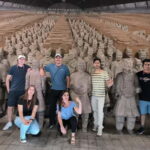
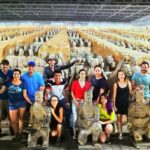
A cap of 5 participants sounds like marketing until you feel it. With fewer people, the guide can slow down for questions and adjust the pace when a site runs busy. That matters at the Terracotta Warriors and around the main mausoleum areas, where sightlines and walking routes can get crowded fast.
The small-group format also tends to reduce the common day-trip problem: being rushed because your group is large. Here, the schedule has a clear structure (early pickup, palace and mountain in the morning, then Terracotta and the mausoleum), but you’re not locked into a “herded-in-herded-out” rhythm.
And because you’re in a private-leaning vehicle (Buick GL8 MPV), you get a more personal feel. When the guide is English-speaking and the group stays small, you can ask practical questions like where to stand for the best views or what to pay attention to in the next chamber or pit.
Tips for a Smooth 10-Hour Day in Xi’an
You’ll be on your feet more than you might expect in a “day tour,” so pack for comfort first.
- Bring a passport or ID card (needed for ticket matching).
- Wear comfortable shoes.
- Expect walking over uneven surfaces and museum-and-outdoor mixes, especially around the palace grounds and Mt. Lishan area.
It also helps to think about timing. The day has a lot packed in: Huaqing Palace and Mt. Lishan in the late morning, Terracotta Warriors mid-afternoon, and Emperor Qin’s Mausoleum before the return trip. If you take a long lunch or stop for extra shopping, you can quietly squeeze the schedule.
For the meal break, since lunch isn’t included, you’ll want a plan. Tell your guide your preferences ahead of time if you have dietary needs like vegetarian, gluten-free, or halal. The tour notes that special requirements can be arranged when you inform them in advance.
Who This Tour Suits Best (and who should skip it)
This is a strong fit if you want to hit the big Qin sites in one day and you’d rather spend your energy looking at history than managing logistics.
It’s also ideal if you like structured explanations. The tour is built around an English-speaking expert guide, and the itinerary isn’t just “go stand here.” You’ll get context about the sites—like the Terracotta discovery story and the mausoleum’s bronze chariots—so you’re not staring at displays without meaning.
Two groups should consider skipping or choosing another option: the tour is not suitable for pregnant women and not suitable for people with mobility impairments. The day includes walking and site movement that may be difficult.
Should You Book This Xi’an Guided Day Trip?
Book it if you want a practical, guided one-day plan that covers Huaqing Palace, Mt. Lishan, the Terracotta Warriors, and Emperor Qin’s Mausoleum with real context. The combination of a small group (max 5), hotel pickup, and the comfort of a Buick GL8 MPV makes the day feel efficient without turning it into a race.
Don’t book it if you’re trying to keep costs fully contained. The tour price excludes entrance tickets and lunch, and you’ll pay cash to the guide for those admissions. If that extra step sounds annoying, you might prefer a different format where everything is bundled.
FAQ
How long is the Xi’an guided day tour?
The tour runs for about 10 hours.
What’s included in the tour price?
It includes hotel pick-up and drop-off, an English speaking expert guide, a Buick GL8 MPV, and bottled water.
Are meals included?
No. Lunch is not included, though your guide can suggest local food options.
Do I need to pay entrance tickets separately?
Yes. Admission tickets are not included, and you pay the guide in cash on the travel date. The Terracotta Warriors ticket listed is ¥120 adult.
What’s the group size?
This is a small group limited to 5 participants.
What do I need to bring for tickets?
Bring your passport or ID card.
Does the tour include hotel pickup and drop-off?
Yes, pickup and drop-off are included for hotels within the third ring road of Xi’an. If you’re farther out, there may be an extra cost.
Is the tour suitable for everyone?
No. It’s not suitable for pregnant women and not suitable for people with mobility impairments.





or-ticket-only-150x150.jpg)