REVIEW · BEIJING
10-Day China Tour to Beijing, Xian, Chengdu and Shanghai
Book on Viator →Operated by Travel China Guide · Bookable on Viator
Four cities. One tightly run route. You’ll get guided access to the biggest hits—plus smart logistics like airport pickup, high-speed trains, and mobile tickets—so you can spend your energy on seeing, not sorting out transportation. My standout example is the way guides handle first-day nerves; one guide named Emily met the group with calm, clear help so you could move forward fast.
I especially like the mix of headline attractions with real local texture. The Hutong rickshaw ride gives you a Beijing view most people miss, and the later Xiaojiahe residential district moment slows things down in a neighborhood way, not a theme-park way.
One caution: this itinerary is packed. You’ll do long sightseeing days plus major transfers (train and a flight), so if you’re the type who needs lots of downtime, you may feel the pace.
In This Review
- Key takeaways before you go
- Why this 10-day China route feels efficient (and still meaningful)
- Price and what you actually get for $2,979
- Day 1 in Beijing: arrival support and a flexible rest of day
- Tiananmen Square and the Forbidden City: going big on Day 2
- Mutianyu Great Wall plus a Hutong rickshaw ride on Day 3
- Summer Palace on Day 4, then high-speed train to Xi’an
- Xi’an: Terracotta Warriors, Big Wild Goose Pagoda, and Ever Bright street life
- Xi’an City Wall, Xi’an’s Mosque, and the Muslim Quarter food window
- Chengdu: Giant Pandas early, then a residential district afternoon
- Fly to Shanghai and jump straight into The Bund and the Huangpu River
- Shanghai Museum and Yu Garden: old-meets-art and a classic garden pause
- Zhujiajiao Water Town on Day 9: a break from big-city scale
- Day 10: leaving Shanghai with an optional maglev detour
- Who should book this tour (and who should skip it)
- Should you book this China tour?
- FAQ
- Is the international airfare included?
- Are high-speed trains included between Beijing, Xi’an, and Chengdu?
- Is the Chengdu to Shanghai flight included?
- What meals are included?
- Are hotels included, and are rooms shared?
- What is the meeting point and start time?
- Do I need to provide passport details before booking?
- Is the tour refundable or changeable after purchase?
Key takeaways before you go
- Included train segments reduce the biggest headache of this route: getting between Beijing, Xi’an, and Chengdu.
- Great Wall + Hutongs is a great pairing: big-ticket wonder followed by everyday Beijing streets.
- Terracotta Army museum time is built into the flow, not squeezed as a quick stop.
- Pandas in the morning means you’re there when the animals are more active.
- Shanghai is paced with both classics and a water-town escape (Bund/River cruise, museum, Yu Garden, Zhujiajiao).
Why this 10-day China route feels efficient (and still meaningful)
This tour is designed like a checklist you actually want to check off: the ancient core of Beijing, Xi’an’s signature site, Chengdu’s panda focus, then Shanghai’s blend of old and new. It works because the big-ticket days are grouped so you don’t ping-pong across cities. You’re also not stuck hiring taxis or figuring out which ticket to buy first.
The value isn’t only the sightseeing—it’s the time saved. With airport/hotel transfers at the start and the guided handoffs between cities, you spend your mornings at sights, not at train stations asking staff for directions. Also, with admissions and key activities marked as included, you’re not constantly recalculating costs or stops.
Where it can fall slightly short for some people is the rhythm: you’ll be busy from morning into evening often enough that the trip can feel like a series of set pieces. You can absolutely enjoy that style, but plan for a lot of steps and a lot of standing.
You can also read our reviews of more tours and experiences in Beijing.
Price and what you actually get for $2,979
At $2,979 per person, this is priced like an organized, multi-city package. The cost makes more sense when you look at what’s bundled:
- One-way high-speed train Beijing → Xi’an
- One-way high-speed train Xi’an → Chengdu
- One-way economy airfare Chengdu → Shanghai
- Professional guide + experienced driver with an air-conditioned vehicle
- Daily bottled water (two bottles per person per day)
- Breakfast and some lunches included (breakfast is listed for 9 days; lunch is listed for 3 days)
- A long list of major admissions covered across the itinerary
In other words, you’re paying for the “friction removal.” If you try to plan this yourself, the hardest parts aren’t just the attractions—they’re the timing, the city-to-city logistics, and making sure each day has tickets and transport lined up.
Also keep in mind the booking timeline: this is commonly booked around 220 days in advance, which suggests you’ll likely want to reserve early if you’re aiming for a specific departure and price level.
Day 1 in Beijing: arrival support and a flexible rest of day
Your trip starts at Capital Airport Shunyi with a 9:00 am start, and you’ll meet your guide for the transfer to the hotel. After that, the rest of Day 1 is free.
This matters more than it sounds. A free first afternoon helps you handle jet lag, grab SIM/cards, and get your bearings in Beijing without the pressure of immediately hitting a 3-hour museum. You’ll also have time to eat independently before the fully guided big sights kick in.
If you like structure, the good news is you don’t lose the plot. Once Day 2 begins, the day is tightly planned with major sites, and the guide takes over.
Tiananmen Square and the Forbidden City: going big on Day 2
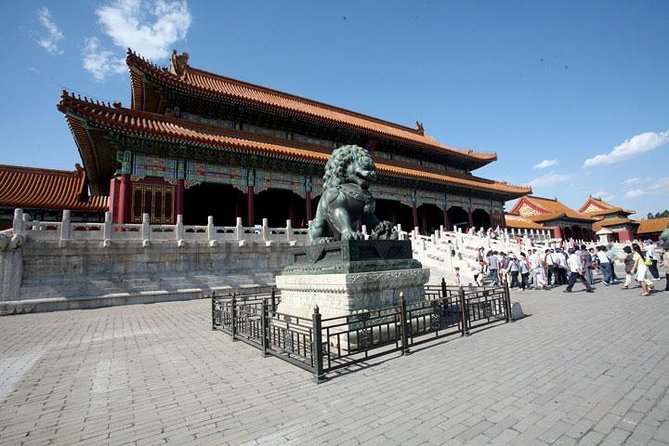
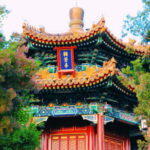
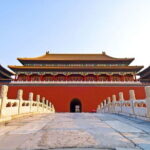
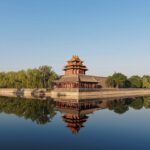
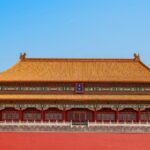
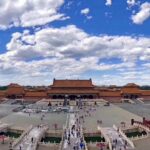
Day 2 is a classic imperial combo: Tiananmen Square, then the Forbidden City (Palace Museum), followed by two major religious/cultural stops: Lama Temple (Yonghegong) and the Temple of Heaven.
Why this works is simple: it gives you the full “power center” picture of Beijing. Tiananmen shows the political stage; the Forbidden City shows the architecture and court system; then the Temple of Heaven shifts the lens toward how emperors connected rulership to the heavens.
Practical note: the Forbidden City time listed is about 3 hours, so it’s enough to see key halls and courtyards without feeling like you’re rushing. And you’ll likely appreciate having admission handled for you.
A small consideration: this is a lot of walking and standing in one day. Bring water, wear shoes you can handle for extended distances, and keep your pace steady. You don’t need to sprint to “win” the day.
Mutianyu Great Wall plus a Hutong rickshaw ride on Day 3
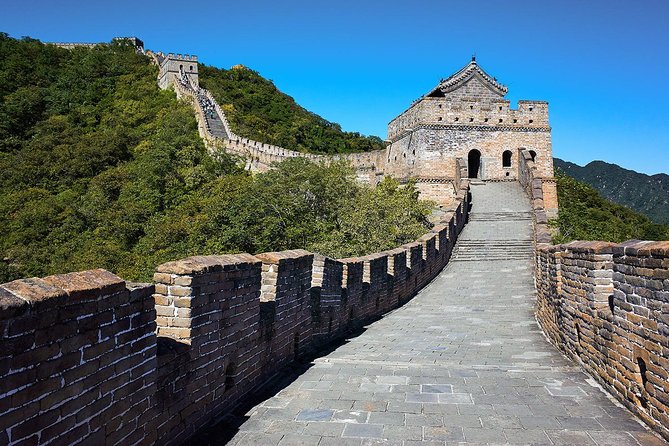
Day 3 is one of the most satisfying pairings in the whole itinerary: Mutianyu Great Wall in the morning, then Bird’s Nest (National Stadium) for photos, followed by a Hutong rickshaw tour.
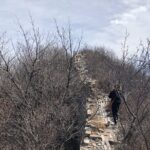
Mutianyu is a strong choice because you’re not just looking at the Wall from a distance—you’ll be on it, with a round-trip cable car arranged. That matters if you want Wall views without turning the day into a legs-only workout. You’ll get the big, dramatic stretch of the Wall as it climbs and snakes across the area.
Then you swing into downtown energy. Bird’s Nest is short and focused—time for photos at a distance—so it doesn’t eat the day. The real local flavor comes with the Hutong rickshaw ride, which takes you through narrow lanes lined with old residential courtyards. It’s the kind of experience that makes Beijing feel lived-in, not just monumental.
If you’re sensitive to motion or you don’t love rides, you can still enjoy Hutongs by walking nearby after the ride portion—but it helps to know the tour specifically includes that rickshaw segment.
Summer Palace on Day 4, then high-speed train to Xi’an
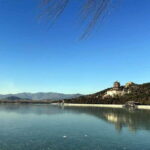
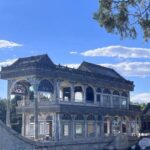
Day 4 starts with the Summer Palace (Yiheyuan), described here as the largest existing imperial garden. Expect a lot of scenery and big-scale imperial architecture in a calmer setting than Tiananmen and the Forbidden City.
Then comes the travel pivot: you take a high-speed train to Xi’an (about 4.5 hours). You’re encouraged to bring snacks, and you’ll have options to spend time on the train.
This is a good design choice for many people. The train transfer is a natural reset—so while it’s still a long day, it’s not the exhausting stop-and-go of road travel.
Tip for your comfort: don’t plan anything intense right after arrival in Xi’an unless your energy is great. Let the train do its job as a buffer, and save heavy wandering for Day 5.
Xi’an: Terracotta Warriors, Big Wild Goose Pagoda, and Ever Bright street life
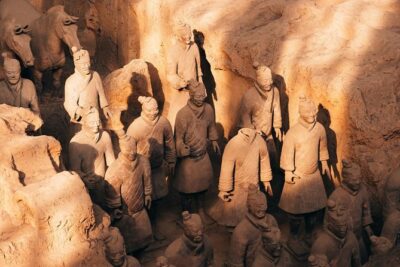
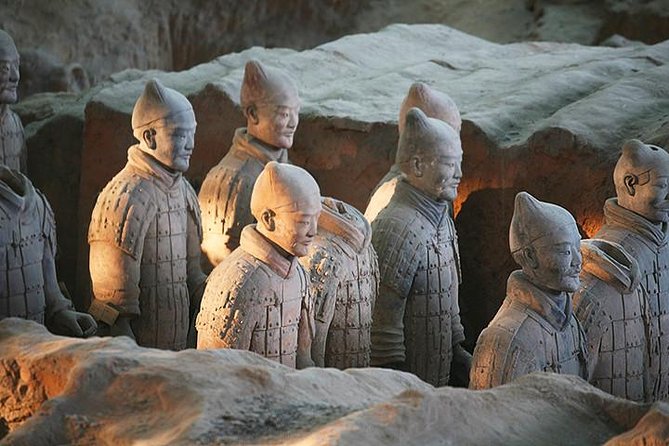
Day 5 is the day you came for: Museum of Qin Terra-cotta Warriors and Horses. You’ll visit the excavated pits with warrior figures and ancient weapons. The structure matters here—this isn’t just a quick glance; it’s a multi-part museum visit that gives context through what’s displayed.
After that, you’ll head to Big Wild Goose Pagoda (Dayanta). It’s a square brick pagoda and a major landmark in Xi’an, with centuries of survival behind it. It’s a nice change of pace from the Warriors: less earth and artifacts, more monumental architecture and skyline views.
The day ends at Grand Tang Dynasty Ever Bright City, a popular tourist street where people dress in traditional-style clothing and the area leans into evening atmosphere. This is partly for photos and atmosphere, partly for a feeling of how different historical themes get presented in modern Xi’an.
Possible drawback: this kind of street area can feel busy or touristy depending on the time of day. If you’re the type who wants quiet, you’ll still get value from the morning and afternoon monuments—you might just treat the street portion as optional energy.
Xi’an City Wall, Xi’an’s Mosque, and the Muslim Quarter food window
Day 6 shifts from major monuments to daily life and neighborhood exploration: Xi’an City Wall, then Xi’an Mosque, then free time in the Muslim Quarter.
The City Wall visit includes a leisure look at the park and then the wall itself. Even if you don’t walk the entire length (the tour focuses on the visit), being on or near the fortifications gives you a sense of how the city was shaped for defense and movement.
The Xi’an Mosque is included and stands as one of the best-preserved Islamic mosques in China, which adds an important cultural layer to your Xi’an experience.
Then you get time in the Muslim Quarter to explore on your own, including halal snacks and handicraft souvenirs. This is one of the best “use your own judgment” blocks in the itinerary: you can prioritize food, shopping, or just wandering streets for atmosphere.
A small caution: because it’s your time, it’s easy to eat too much and then feel sluggish later. Pace yourself—especially since Day 6 also includes a transfer by train to Chengdu in the evening window.
Chengdu: Giant Pandas early, then a residential district afternoon
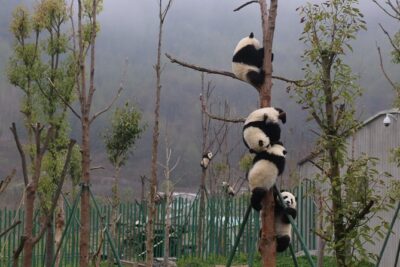
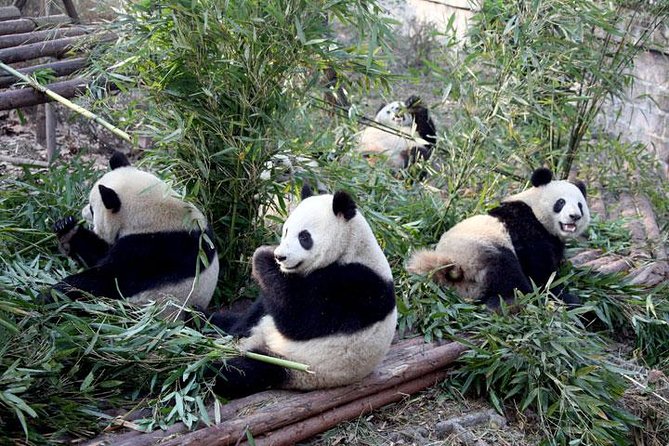
Day 7 is a panda-focused day, and it’s built around timing. You’ll visit the Giant Panda Breeding Research Base, and the pickup is earlier because pandas are more active in the morning. That’s a real quality-of-experience detail. It increases your odds of seeing more than just sleepy bear poses.
After pandas, you head to Xiaojiahe Residential District for a slower afternoon. There’s a lunch listed at your own cost, including eating like locals at Yongle Rest. This is the kind of experience that’s easy to overlook on self-planned trips, because you’d need local knowledge to know where “local” actually means local.
What I like here is the contrast. Chengdu often gets simplified to pandas only. This adds a human scale—how people live and move through their neighborhood routine.
If you’re traveling with kids or you love animals but want a meaningful city moment too, this day is a strong fit.
Fly to Shanghai and jump straight into The Bund and the Huangpu River
Day 8 is a changeover day that still feels full: you transfer to the Chengdu airport, fly to Shanghai, then go right into sightseeing.
In Shanghai, you visit The Bund on the west bank of the Huangpu River. It’s known for early 20th-century prosperity and the mix of older Western-style buildings still visible along the waterfront. Then you take a one-hour Huangpu River cruise, which gives you both views of historic structures and the modern skyline.
The cruise is a smart use of time because you don’t have to chase every photo angle. You’re riding through a concentrated strip of Shanghai views in a controlled time block.
If you’re prone to motion sickness on boats, consider how the cruise feels for you—but the time listed is about one hour, so it’s manageable.
Shanghai Museum and Yu Garden: old-meets-art and a classic garden pause
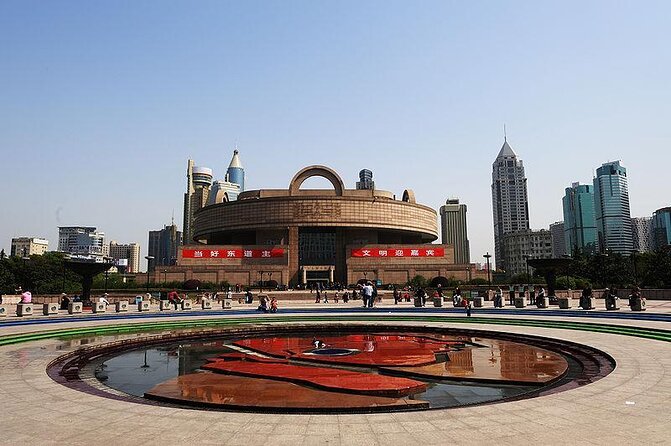
Day 9 balances culture and stroll time. You start at the Shanghai Museum, one of the four largest museums in China, with a focus on art works from ancient times. Then you move to Yu Garden (Yuyuan).
Yu Garden’s highlights include the Nine Zigzag Bridge and a mid-lake pavilion. This part of the itinerary works well because it slows down the pace after earlier travel and city-heavy days. You also get time for an a la carte farewell lunch (listed as value-provided in the tour plan).
It’s also helpful that your day includes a shift from “museum time” (structured and seated) to “garden time” (walk and look at your own speed). That pacing can make the day feel lighter, even if it’s still busy.
Zhujiajiao Water Town on Day 9: a break from big-city scale
Still on Day 9, you head to Zhujiajiao Ancient Town, a water town often called the Oriental Venice due to riverside residences. The tour here emphasizes that it’s not trying to be modern or styled like Shanghai—it preserves more traces of the past.
This is a good end-of-trip choice because it gives you a different visual rhythm: canals, older streets, and the feeling of being in a smaller pocket of China.
The one thing to watch is expectations. Water towns can be very photogenic, but they can also be crowded depending on season and time of day. Treat it as a setting for walking and photos rather than a place where you’ll decode every building.
Day 10: leaving Shanghai with an optional maglev detour
Your final day is designed around your flight schedule. You’ll get a pickup from the hotel and be transferred to the airport on time.
There’s also an offered option to take the maglev train to Pudong Airport if you prefer that experience. Since this is offered as an option, you’ll want to plan around your flight timing and what your guide can arrange.
Overall, Day 10 keeps things simple, which is exactly what you want after nine busy days.
Who should book this tour (and who should skip it)
This is a strong choice if:
- You want a big highlights package across four major cities without planning every train connection.
- You like having a guide to handle ticketed sights and city handoffs.
- You’re okay with a busy schedule and don’t need lots of downtime.
You might want to skip it if:
- You prefer slow travel. This route includes major transfers and full days of sightseeing.
- You have limited mobility or stamina. It’s noted as not suitable for people over 80 years old, and the sights involve walking.
Should you book this China tour?
Yes—if you want a well-organized, high-impact route with a practical mix of iconic sights and local moments. The value is strongest in the built-in logistics: train segments, one flight, guides, an air-conditioned vehicle, and multiple admissions covered. You’ll also appreciate the pacing strategy: big imperial Beijing, grounded Xi’an monuments, energetic panda time in Chengdu, then Shanghai’s river-and-museum combo.
If you’re a careful planner who enjoys doing everything your own way, this may feel structured. But for most people, the payoff is clear: you get a lot of China in 10 days without turning the trip into a project.
FAQ
Is the international airfare included?
No. International airfare is not included, so you’ll need to book flights to and from China separately.
Are high-speed trains included between Beijing, Xi’an, and Chengdu?
Yes. The tour includes one-way high-speed train tickets from Beijing to Xi’an and one-way high-speed train tickets from Xi’an to Chengdu.
Is the Chengdu to Shanghai flight included?
Yes. It includes one-way economy-class airfare from Chengdu to Shanghai.
What meals are included?
Breakfast is included for 9 days, and lunch is included for 3 days. Dinner is not listed as included.
Are hotels included, and are rooms shared?
Yes. Hotel accommodation is included based on twin-sharing rooms.
What is the meeting point and start time?
The start is at Capital Airport Shunyi, Beijing 101300 China with a 9:00 am start time.
Do I need to provide passport details before booking?
Yes. You need to provide passport name, number, expiry date, and country at the time of booking.
Is the tour refundable or changeable after purchase?
No. This experience is non-refundable and cannot be changed for any reason.