REVIEW · HONG KONG SAR
Hong Kong Food Tour: Central and Sheung Wan Districts
Book on Viator →Operated by Hong Kong Foodie Tour · Bookable on Viator
Hong Kong eats fast, but this tour slows you down. The small group keeps things personal while you sample six local dishes in Central and Sheung Wan, guided by people who know what you’re tasting and why it matters. I love the way the route mixes food with real neighborhood texture, from markets to temple side-streets. My favorite part is the focus on everyday Cantonese favorites, not tourist-only menus. One thing to consider: you’ll do a fair amount of walking on uneven sidewalks and stairs, so wear comfy shoes.
You also get a clean, easy structure: meet in Central, move between neighborhoods without planning, then end near Sheung Wan MTR. I like that the tour starts in a practical spot near major transit, and the stops are short enough to stay energized. You’ll likely hear guide names like Ed, Yammy, and Lilian in the stories, because that local know-how really drives the experience. A possible drawback: the tour’s comfort depends on good weather, since it’s an outdoor walking tour with market time.
If you want Hong Kong food with context—how it’s made, how people actually buy it, and how the streets shaped what you eat—this is a strong choice. I also appreciate that the tour includes all tastings plus bottled water, so you’re not constantly doing math mid-walk. Consider it as a meal-builder, not a light snack stroll.
In This Review
- Key highlights at a glance
- Central to Sheung Wan: exactly the kind of Hong Kong walk you want
- Price and value: what $107.82 buys you (and why it feels fair)
- Meeting point, route length, and the real walking reality
- The tour’s street-smart start: Queen’s Road Central and the escalator stop
- Graham Street Market: old-school grocery energy in the open air
- Hollywood Road stories and temple corners that slow you down
- The food stops: six tastings that cover Cantonese cravings
- Wonton noodle soup from a local noodle shop
- Roast meat tasting that people remember
- Sugar cane juice and herbal tea for balance
- Preserved fruit for a tangy, unusual side
- Dim sum square kitchen: a sampler plate of Cantonese variety
- Egg tart and daan taat for a sweet finish
- What the guide adds: why local names like Ed, Yammy, and Lilian matter
- Who should book, and who should think twice
- Practical tips so you enjoy every stop
- Should you book this Hong Kong Food Tour in Central and Sheung Wan?
- FAQ
- How long is the Hong Kong Food Tour: Central and Sheung Wan?
- How much does the tour cost?
- What food is included?
- Do I need to pay for extra drinks during the tour?
- Is there an English-speaking guide?
- Where do I meet the tour?
- Where does the tour end?
- How big is the group?
- What if I’m traveling with kids?
- What’s the cancellation policy if weather is bad?
Key highlights at a glance
- Max group size of 12 keeps the walk and the explanations from feeling rushed
- Six tastings across Central and Sheung Wan, built around Cantonese comfort foods
- Graham Street Market gives you an up-close look at one of the oldest outdoor wet markets
- Central’s covered escalator stop helps you understand the city’s famous vertical movement
- Local-guided history on Hollywood Road streets and older temple corners
- Mobile ticket and a Central-to-Sheung Wan route you can handle easily by transit
Central to Sheung Wan: exactly the kind of Hong Kong walk you want
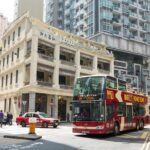
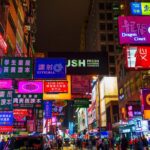
This Hong Kong food tour hits two neighborhoods that feel different, but both are deeply local. Central is the financial center, polished in places, yet it still has side streets where daily life runs on Cantonese routines. Then you step into Sheung Wan, with older market energy and quieter streets that don’t need sightseeing banners to feel alive.
What I like most is the pace. You’re not stuck in one restaurant for three hours. You’re walking, eating, listening, and moving on before the food fatigue kicks in. The tour also avoids the classic trap of turning everything into a photo stop first and a meal second. Here, the food is the reason you go down the alleyways and into the market zones.
The small-group cap matters. When the group is around 12 people, your guide can actually answer questions, point out what to look for, and keep the food stops flowing without turning the experience into a production line. You’ll feel like you’re joining a local route, not waiting your turn.
You can also read our reviews of more tours and experiences in Hong Kong SAR.

Price and value: what $107.82 buys you (and why it feels fair)

At $107.82 per person for about 3 hours 30 minutes, the best value comes from what’s included: an English-speaking guide, all food tastings, and bottled water. That’s important in Hong Kong, where a single meal can add up fast if you’re sampling casually on your own.
This price also covers coordination. You get a planned walk that links Central and Sheung Wan into one easy loop—no figuring out which streets connect, no guessing which shops are worth your time, and no risk of ending up in a place that’s all show and little flavor.
One more value point: the tastings are designed to show variety. You’re not only eating dumplings or only doing desserts. The tour is built around different Cantonese styles, including noodle soup, roast meats, sweet drinks, preserved fruit, dim sum, and egg-based pastries. By the end, you should feel like you understand the basic flavor spectrum of Cantonese comfort food—not just what one restaurant happens to sell.
Meeting point, route length, and the real walking reality
You start at 139 Queen’s Road Central in Central, then the tour ends near Sheung Wan MTR (the listed endpoint is 69 Wing Lok St, Sheung Wan). You don’t need hotel pickup, which is nice if you’re already in the central area or using public transit.
You should plan on a mix of street walking and short stop-and-go movement. The tour is described for people with moderate physical fitness, and that lines up with what you’ll notice once you’re out there: narrow sidewalks, irregular pavement, and some steps on older streets. A helpful detail is that the route is paced with food breaks, and people also note bathroom breaks along the way—so it’s not just nonstop trekking.
Practical tip: start the tour without wearing “pretty shoes.” Wear comfortable walking shoes with grip, especially if it’s damp or if you’re sensitive to hills and stairs. This is the kind of route where your legs will do half the sightseeing.
The tour’s street-smart start: Queen’s Road Central and the escalator stop
The beginning in the financial center is a smart way to start. It lets you orient quickly, then transition into neighborhoods where the city’s daily rhythms are louder and more visible.
One of the early stops focuses on the longest outdoor covered escalator in the world. Even if you’ve seen photos, the escalator is better understood by standing near it and watching how people use it. It’s a built-in shortcut across the city’s elevation changes, and it’s part of how locals manage distance without relying only on buses or taxis.
This stop works well because it sets expectations. Hong Kong isn’t flat, and moving through the city is part of the story. Once you understand that, the rest of the walk feels less like random wandering and more like following a local flow.
Graham Street Market: old-school grocery energy in the open air
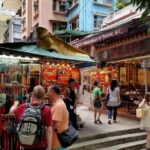
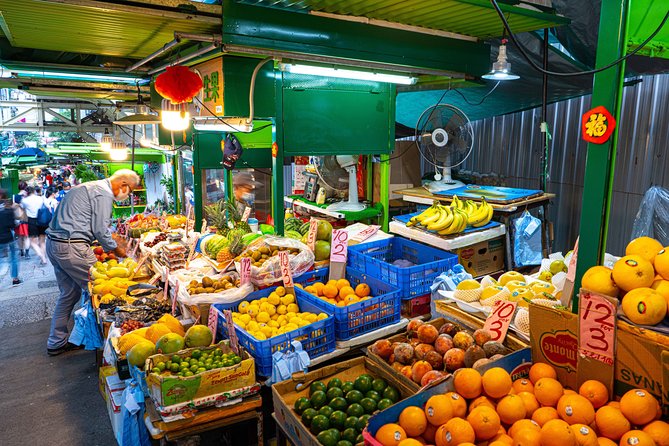
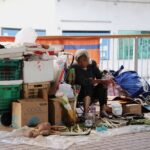
Then you get to Graham Street Market, where the tour pauses for about 15 minutes. This is described as one of the oldest outdoor wet markets in Hong Kong, and you can feel the difference right away. Wet markets are not just places to buy food—they’re where people plan meals, compare fresh goods, and get ingredients that are often used the same day.
Why I like this stop: it gives you a baseline for what’s “local” in practice. You’re not only learning what to eat; you’re learning where ingredients come from and how daily buying works. Even if you don’t plan to shop, it sharpens your sense of taste and culture.
The one drawback is that market conditions can vary. If it’s rainy or very crowded, it’s a different experience than a dry day. But that’s also why the market belongs on this tour—it’s real life, not staged.

Hollywood Road stories and temple corners that slow you down
As you move through the streets, the tour brings in the kind of context you won’t get from a basic guidebook list. There’s a stop to hear stories about Hollywood Road, a famous street with layers of creative and cultural history. The main value here isn’t trivia for trivia’s sake. It’s using history to make the street feel readable—why certain buildings and shops exist, and how Central’s character shaped the food culture nearby.
After that, you stop by one of the oldest temples in Hong Kong. Temples in Hong Kong are not just architecture. They’re active places, and they help explain why food traditions sit alongside religious and community life. Even if you’re not the type who visits temples for photos, it adds meaning to the walk.
Drawback to note: this part can feel less “food-forward” than people expect, because it’s story time and atmosphere. But it works best as a break from eating—so you don’t feel like you’re constantly stuffing your face on a tight schedule.
The food stops: six tastings that cover Cantonese cravings
This tour is built around six different dishes, and the variety is the point. A smart food tour teaches range, not just one highlight. Here’s what you can expect the tastings to focus on, based on the lineup described in the tour’s experience:
Wonton noodle soup from a local noodle shop
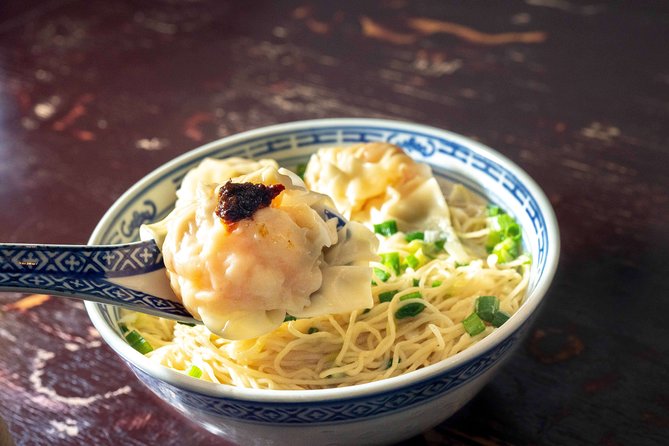
One stop highlights Tsim Xhai Kee, where you’ll taste wonton noodle soup. It’s comfort food with structure: broth, noodles, and wontons that show off texture and seasoning. This tasting is a good starting point because it prepares your palate for richer roast flavors later.
Roast meat tasting that people remember
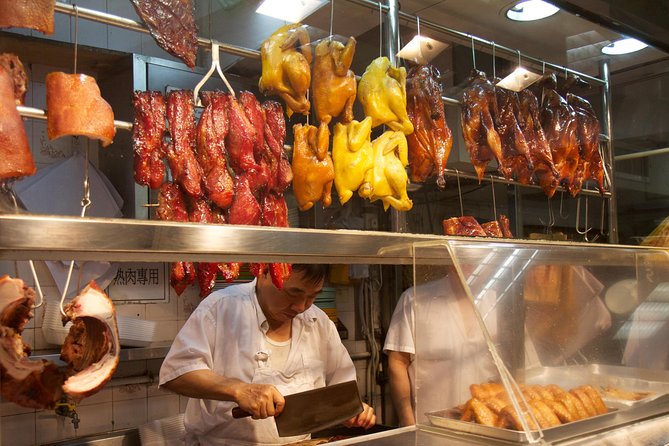
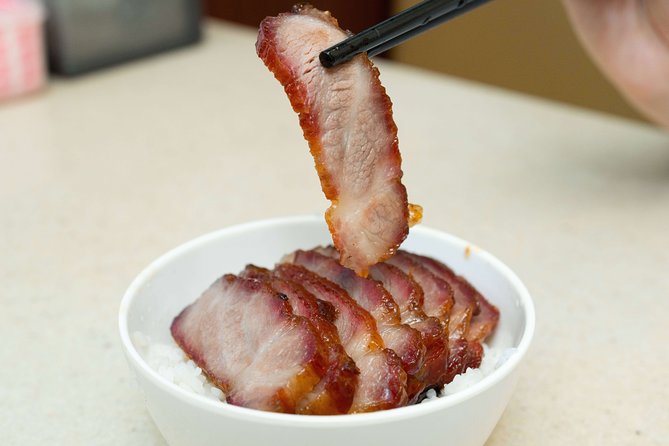
Another stop goes to Dragon Restaurant for roast meat. Several diners point out it as a standout—meaty, savory, and rich. If you’re the type who always orders roast pork or duck when you see it on a menu, you’ll probably be very happy here. This is also the kind of dish that teaches you what Cantonese roasting is about: careful heat, glossy skin, and deep flavor.
Sugar cane juice and herbal tea for balance
Next you’ll likely stop at Kung Lee for sugar cane juice and Chinese herbal tea. This matters because it breaks up the heaviness. Sweet but not cloying, plus the herbal element gives you that “Hong Kong refresh” feeling. Think of it as palate reset, not dessert.
Preserved fruit for a tangy, unusual side
At Wong Wing Kee, you’re given preserved fruit. This is one of those tastes that can surprise first-timers. It’s sharp, salty-sweet, and very much part of local snack culture. If you’re open-minded, it adds an interesting edge to the meal experience.
Dim sum square kitchen: a sampler plate of Cantonese variety
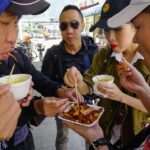
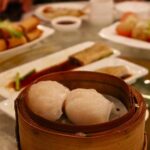
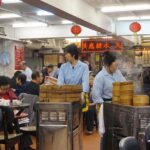
The dim sum stop is at Dim Sum Square Kitchen, and the tasting list can be extensive: shrimp dumplings, pork dumplings, siu mai, deep-fried spring rolls, jia chun guen, crispy BBQ pork bun, char siu bao, and har gow. Even if you can’t remember every name, you’ll remember the range: steamed vs fried, chewy vs crisp, pork-forward vs shrimp-forward.
This is the “big food” portion of the tour. It’s also why you want comfortable shoes and a reasonable appetite. If you eat slowly and enjoy each bite, you’ll feel satisfied without needing dinner afterward.
Egg tart and daan taat for a sweet finish
Finally, you stop at Hei Lee Cake Shop for egg tart and daan taat. The value of this ending is timing. After savory-heavy food, you get sweetness with a custardy, pastry contrast. It’s a satisfying close to the walk.
What the guide adds: why local names like Ed, Yammy, and Lilian matter
Even if the food is the main event, the guide is what makes the tour feel like Hong Kong and not just a list of places. Many people highlight how much they learned about street life, culture, and the food itself from guides such as Ed, Yammy, and Lilian.
A great guide does a few useful things:
- explains what you’re eating in plain language
- tells you what to look for in the shop or market setting
- offers personal recommendations for where to go after the tour
That last part is underrated. By the time you finish, you’re not just full—you’re oriented. You’ll know what style of food to chase on your own in the areas you visited.
Who should book, and who should think twice
This tour is ideal if you:
- want a small-group food walk rather than a bus tour
- love Cantonese comfort foods like wonton noodles, roast meats, and dim sum
- enjoy neighborhood context—markets, temples, and street stories
You might think twice if you:
- dislike walking or have trouble with steps and uneven sidewalks
- want purely restaurant-style dining with minimal street time
- prefer a slower pace with long seated meals rather than a moving tasting schedule
Also keep in mind the tour needs good weather. If it’s canceled due to poor weather, you’ll be offered a different date or a full refund.
Practical tips so you enjoy every stop
Here’s how to get the most out of the experience without stressing:
- Bring your appetite. The schedule adds up, and the tastings can be very filling.
- If you have diet needs, advise them at booking. The tour requests this in advance.
- Expect water is covered (bottled water is included), but beverages not listed in the itinerary aren’t included.
- Wear comfortable shoes. This is a street-walk with uneven ground and some stairs.
- Use public transit. The route is designed around easy access, and the end is near Sheung Wan MTR.
If you’re coming from Central, this tour also fits well as a first or second day activity. It gives you a base understanding of the area so your later meals feel more confident.
Should you book this Hong Kong Food Tour in Central and Sheung Wan?
If you want a Hong Kong food experience with real neighborhood texture, I’d book it. The combination of small-group size, six tastings, and a guided route that includes markets and older streets makes it feel both practical and genuinely local. The price also makes sense because so much is included, and the variety reduces the risk of eating the same thing twice.
I’d skip it only if walking logistics are a deal-breaker for you or if you need a fully seated, low-movement experience. Otherwise, this tour is a strong way to get your bearings fast—then eat smarter for the rest of your trip.
FAQ
How long is the Hong Kong Food Tour: Central and Sheung Wan?
It runs for about 3 hours 30 minutes (approx.).
How much does the tour cost?
The price is listed as $107.82 per person.
What food is included?
The tour includes all food tastings (with six different dishes mentioned in the overview) plus bottled water.
Do I need to pay for extra drinks during the tour?
Beverages are not included unless they are listed in the itinerary.
Is there an English-speaking guide?
Yes. The tour includes an English-speaking guide.
Where do I meet the tour?
You start at 139 Queen’s Road Central, Central, Hong Kong.
Where does the tour end?
The tour ends near Sheung Wan MTR station, with the listed endpoint at 69 Wing Lok St, Sheung Wan, Hong Kong.
How big is the group?
The tour has a maximum of 12 travelers.
What if I’m traveling with kids?
Children ages 14 and under must be accompanied by an adult. Children under 5 are free if they do not require an additional tasting.
What’s the cancellation policy if weather is bad?
The experience is non-refundable and cannot be changed. If it’s canceled due to poor weather, you’ll be offered a different date or a full refund.