REVIEW · HONG KONG SAR
Half-Day Private Custom Tour of Hong Kong
Book on Viator →Operated by Hello Hong Kong · Bookable on Viator
Hong Kong makes sense on foot, guided by local tempo. This private 5-hour tour blends famous sights with everyday neighborhoods, and you can steer the day toward food, markets, temples, or photos. Your guide meets you near your hotel and builds the route using public transport, so you experience the city like people actually live and commute here.
I love how tailored the itinerary feels: you can skip what you’ve already done and spend time where you’re curious. I also like the mix of transit and icons, especially the Star Ferry ride, which makes the harbor crossing feel real instead of staged.
One thing to plan for: expect real walking. If weather or crowds squeeze the schedule, the Victoria Peak segment can shift, and Peak tram tickets are not included if you want to add that option.
In This Review
- Key things to know before you go
- How a private custom tour actually feels in Hong Kong
- Getting your bearings fast with MTR, trams, and walking
- Hong Kong Island: Sheung Wan to Central, with temples and street shopping
- Sheung Wan and the market lanes
- Temple stop: Man Mo Temple
- Graham Street Market and Central
- Mid-Levels Escalator and Tai Kwun
- Hong Kong Park, SoHo, and IFC viewpoints
- Victoria Harbour, Peak viewpoints, and crossing on the Star Ferry
- Victoria Harbour viewpoints
- Victoria Peak: plan for weather
- Star Ferry: the included harbor crossing
- Kowloon promenade icons: Tsim Sha Tsui, Avenue of Stars, and Bruce Lee
- Tsim Sha Tsui Promenade
- Former Kowloon-Canton Railway Clock Tower
- Avenue of Stars and Bruce Lee Statue
- Peninsula Arcade
- Kowloon neighborhoods and street markets for real shopping energy
- Kowloon City and the old-meets-new mix
- Chung King Mansion: jet-set era to modern reality
- Goldfish Street, Ladies Market, and Flower Market Road
- Mong Kok and Sham Shui Po: different kinds of busy
- Culture add-ons: Chi Lin Nunnery, Nan Lian Garden, Wong Tai Sin, and more
- Chi Lin Nunnery and Nan Lian Garden
- Wong Tai Sin Temple: three religions and a wish stop
- Wan Chai and Causeway Bay as day extensions
- Aberdeen Fishing Village and sampan ride (not included)
- Stanley: seafood and the slow seaside feel
- Food stops and shopping choices: you steer, your guide handles the details
- Price and value: what $231.03 per person buys you
- What I’d watch for: weather, crowds, and your walking schedule
- Should you book this private half-day custom tour?
- FAQ
- How long is the Half-Day Private Custom Tour of Hong Kong?
- Is this a private tour?
- Do I get hotel pickup and drop-off?
- Does the tour include public transportation?
- Is the Star Ferry ride included?
- Is Victoria Peak tram included?
- What happens if there’s bad weather?
Key things to know before you go
- A true private tour: just your group, with hotel meet-up and drop-off included.
- Public transport built in: MTR, tram, bus, ferry, and even the Mid-Levels Escalator.
- Hong Kong Island and Kowloon in one half day: the day is designed to give you multiple perspectives.
- Markets + temples, not just photos: dried seafood, antiques, street shopping, and temple stops can all fit.
- Your guide can follow your food cravings: dim sum and snack stops are easy to request.
- Victoria Peak is worth it, but weather matters: the plan can adjust if conditions aren’t friendly.
How a private custom tour actually feels in Hong Kong
Hong Kong is the kind of city where the map lies a little. Streets twist, neighborhoods change fast, and the best views are often connected by stairs, escalators, and metro lines—not one straight road. That’s why I like this format: you get a guide for the parts that would otherwise take hours to figure out, then you walk off with a solid plan for the rest of your day.
You’ll meet your private guide in the morning at your Hong Kong hotel and go out from there. From the start, you’re not stuck with a fixed script. If you tell your guide what you care about—food markets, heritage temples, skyline views, or shopping—they build a route that matches. If you don’t specify, you should expect a well-rounded city sweep that still favors local back streets and working neighborhoods.
One practical bonus: you don’t just end the tour with memories. You also get a day plan for what to do next on your own. That matters in Hong Kong because the city rewards planning—especially when you want to combine neighborhoods without wasting time crossing the harbor.
You can also read our reviews of more tours and experiences in Hong Kong SAR.

Getting your bearings fast with MTR, trams, and walking
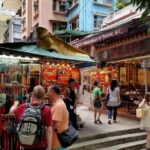
This is labeled a walking tour, and that’s accurate in the best way. Even with hotel pick-up and drop-off, you’ll spend most of the half day on foot, plus some transit rides to connect areas efficiently.
Expect to use public transport during the tour. The route can include the MTR, the Star Ferry, tram or bus connections, and the Mid-Levels Escalator system (yes, it’s long—plan for that ride). Using transit is more than a time-saver. It also makes the day feel like real Hong Kong: you watch where people actually go, you learn station-to-street rhythm, and you pick up shortcuts you can reuse later.
Also, don’t underestimate the value of having your guide translate the city into choices. In a place with multiple languages and tons of signage, having someone who can point out what’s worth your time saves energy. It’s not just about speaking; it’s about knowing what to prioritize and when to move.
Hong Kong Island: Sheung Wan to Central, with temples and street shopping
A strong chunk of this tour often lives on Hong Kong Island first, especially around Sheung Wan and Central. This is where you get the contrast: elegant streets close to alley markets, and traditional shops side-by-side with modern high-rises.
Sheung Wan and the market lanes
Sheung Wan is a great starting zone if you want the city’s older texture. You may pass through narrow streets with a mix of shops—some classic, some trendy. Three stops can really shape your feeling for this neighborhood:
- Seafood Street (dried seafood): even if you don’t plan to buy anything, it’s a window into what people use in everyday cooking, especially dried ingredients and traditional tonics.
- Cat Street Market (Upper Lascar Row): if you like antiques and oddball collectibles, this is where you’ll see everything from older-style items to snuff bottle culture and more.
- Hollywood Road: expect art galleries, antique shops, and street art. It’s also a useful photo area because you get texture—doors, signage, walls—rather than just skyline views.
Temple stop: Man Mo Temple
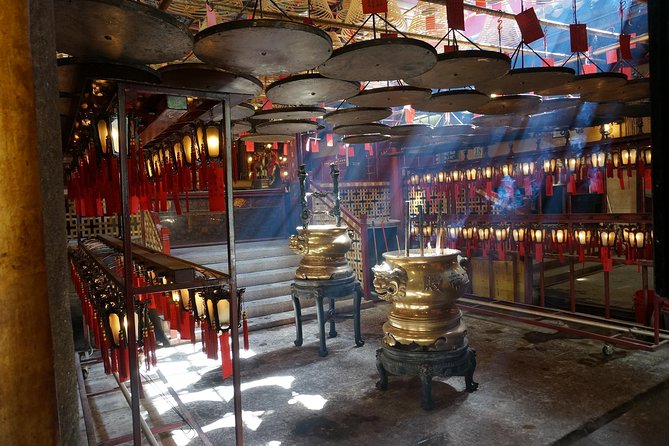
A pause at Man Mo Temple helps break up the shopping flow. It’s dedicated to the God of Literature (Man) and the God of War (Mo), and it’s tied to the exam culture that shaped ambition for centuries. Even if you’re not religious, the atmosphere is a good reminder that Hong Kong’s city energy isn’t only modern.
Graham Street Market and Central
If your guide keeps the day grounded in everyday Hong Kong, Graham Street Market can be a nice “people shop here” moment. Then the tour often moves toward Central, where you’ll see sloped streets and older lanes alongside major business areas.
Central also gives you a chance to connect stories. One moment you’re walking through heritage-feeling streets; the next you’re in an environment dominated by finance and tall buildings. That contrast is kind of the point of Hong Kong, and it lands best when you experience it block by block.
Mid-Levels Escalator and Tai Kwun
The Mid-Levels Escalator ride is a signature Hong Kong experience. You’ll take the escalator for about 20–25 minutes, and it runs roughly 800 meters. It’s not just a photo moment. It shows how the city solves elevation with public design.
Near that zone, Tai Kwun can be an excellent culture stop. It’s a restored Central Police Station compound with heritage and contemporary spaces, plus performing arts and lifestyle experiences. If you like places where the past is reused instead of erased, this is a strong match.
Hong Kong Park, SoHo, and IFC viewpoints
A park stop like Hong Kong Park is a smart reset in the middle of a half day. Then the day may drift through SoHo and toward the waterfront side near the International Finance Centre (IFC).
Even if you’re not into architecture, Golden Bauhinia Square and the Expo Promenade area can be quick wins for photos and orientation. You’ll also get a sense of where the harbor perspective starts setting up for the next big move.
Victoria Harbour, Peak viewpoints, and crossing on the Star Ferry
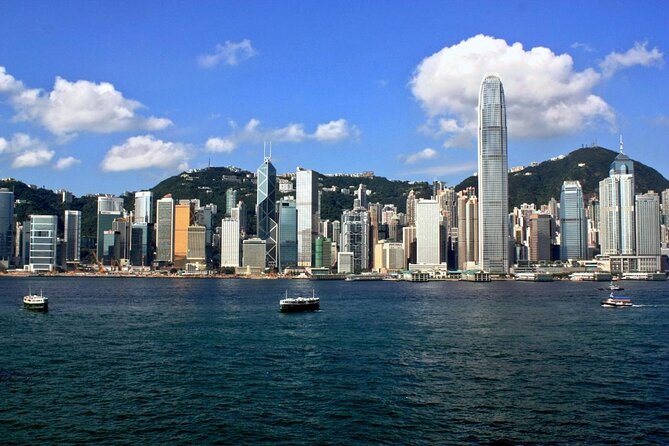
Victoria Harbour is one of those places where Hong Kong’s “east meets west” idea becomes visual. The water line is the timeline: old and new, commerce and leisure, skyline drama and working ports.
Victoria Harbour viewpoints
You may get a brief viewpoint stop at Victoria Harbour, where the constant parade of vessels is part of the scenery. It’s useful because it frames what you’ll see later from the Kowloon side.
Victoria Peak: plan for weather
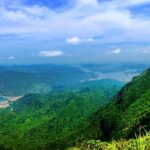
Victoria Peak (The Peak) is often included, since it’s the highest point on Hong Kong Island (552 meters). The tour style here is walking plus a short trek to a lesser-known lookout point—about a 15-minute walk. That detail matters because the goal isn’t only the famous postcard view. It’s the feeling of finding a good angle with less scramble.
One drawback: if the weather turns, you may lose the Peak portion. I’ve seen this play out on rainy or busy days elsewhere, and the tour format explicitly notes schedules can change with storms and conditions. If Peak is a top priority, ask your guide early how they’ll handle weather so you still get value from the day.
Star Ferry: the included harbor crossing
The Star Ferry ride is the heart-beat crossing in this half day. Boarding at the harbor gives you a moving viewpoint on both sides, and it’s also a low-stress way to switch from island energy to Kowloon street life.
The included ride is a big part of the tour’s value. You’re not just seeing the harbor—you’re traveling through it the way locals have for generations.
Kowloon promenade icons: Tsim Sha Tsui, Avenue of Stars, and Bruce Lee
Once you’re on the Kowloon side, the tour can shift into skyline-watching mode along the water.
Tsim Sha Tsui Promenade
A walk on the Tsim Sha Tsui Promenade is classic for a reason. You’ll start near the colonial-era Clock Tower area and move along the waterfront past major landmarks like the Hong Kong Cultural Centre. Even when you’ve seen photos, the scale hits differently when you’re there and moving your eyes across buildings.
Former Kowloon-Canton Railway Clock Tower
The Former Kowloon-Canton Railway Clock Tower is brief but memorable. It stands 44 meters tall and dates to the 1910s. It works well as a quick heritage marker before you continue into the more entertainment-themed stretches.
Avenue of Stars and Bruce Lee Statue
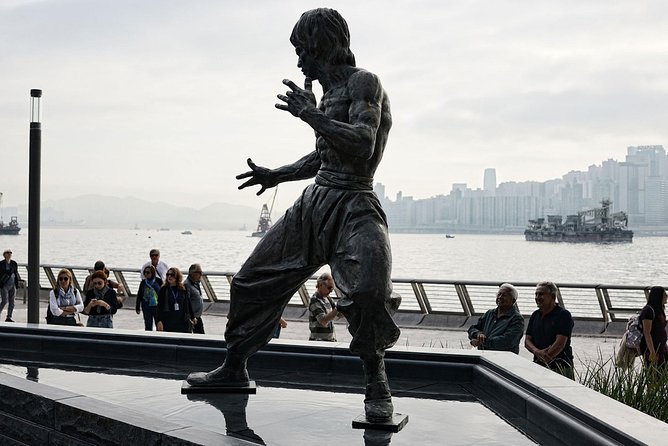
Avenue of the Stars turns the promenade into a film-memory walk. The Bruce Lee Statue adds pop culture weight to the skyline views, and it’s an easy stop to enjoy even if you only have a short time window.
Peninsula Arcade
A short pause around The Peninsula Arcade can add another flavor: this area has a premium hotel vibe, but you still get that old Hong Kong landmark feeling. It’s not a must-see if you’re only after markets, but it can balance the day.
Kowloon neighborhoods and street markets for real shopping energy
The Kowloon half of the day is where this tour can feel most local. Hong Kong’s market culture isn’t only about buying things. It’s also about how the city talks back to you—how fast vendors move, how narrow lanes funnel crowds, how bargaining and browsing become a sport.
Kowloon City and the old-meets-new mix
Kowloon City can give you the sense of diversity that makes Hong Kong feel crowded in the best way. Your guide might treat this as a “neighborhood story” segment—old streets, historic context, and a feel for how daily life differs from the glossy waterfront.
Chung King Mansion: jet-set era to modern reality
Chung King Mansions is a notable stop for context. It’s known for its shift over time—from jet-set prosperity to later notoriety. Even if you don’t go deep into the story, it’s a good reminder that Hong Kong’s fortunes have always moved fast.
Goldfish Street, Ladies Market, and Flower Market Road
If you want stalls and browsing, these are some of the best-feeling stops on the route list:
- Goldfish Street (Tung Choi Street North): fish shops and unusual colors and shapes. It’s strangely calming, like a living aquarium store world.
- Ladies Market: over 100 stalls of bargain clothing, accessories, and souvenirs. It’s also a fun place to practice your bargaining rhythm with a guide keeping you comfortable.
- Flower Market Road: a shopping corridor of blooms and houseplants sold for good-luck vibes. It smells amazing and looks great in photos.
Mong Kok and Sham Shui Po: different kinds of busy
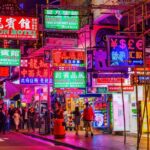
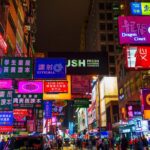
The tour can also reach Mong Kok, which is known for dense streets and neon shopping energy. If you’d rather see something a touch less touristy, Sham Shui Po adds a different angle: a historically blue-collar feel with cheap-and-cheerful experiences.
These two neighborhoods give you a useful takeaway. Hong Kong isn’t one mood. It’s a series of micro-worlds within walking distance of transit lines.
Culture add-ons: Chi Lin Nunnery, Nan Lian Garden, Wong Tai Sin, and more
If your group wants quiet time or deeper cultural stops, the tour can add temples and gardens, often after market time or on the back half of the schedule.
Chi Lin Nunnery and Nan Lian Garden
Chi Lin Nunnery is known for Tang dynasty style architecture and Buddhist relics. It’s also one of those places where your pace slows without anyone telling you to.
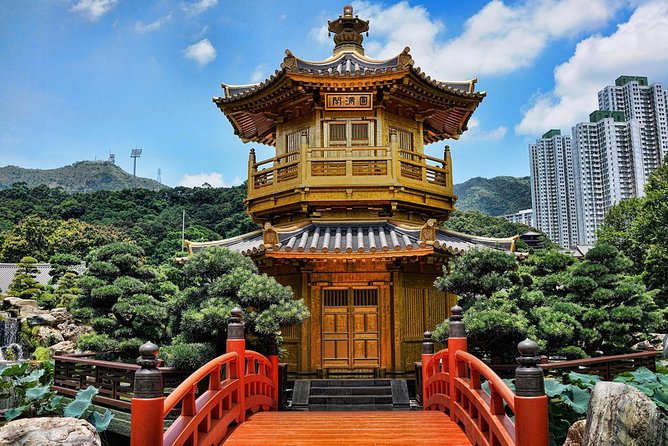
Then Nan Lian Garden gives you a planned calm: the Golden Pagoda and Red Bridge, plus a carefully landscaped Tang-style garden layout over a few hectares. If you’re chasing a contrast day—shopping and streets in the morning, quiet greenery later—this pairing fits.
Wong Tai Sin Temple: three religions and a wish stop
Sik Sik Yuen Wong Tai Sin Temple is built for visitors who like religious architecture but also like the ritual side. It’s known for a wish-making tradition, and it represents Taoism, Buddhism, and Confucianism in one temple setting.
Wan Chai and Causeway Bay as day extensions
These areas can work as flexible additions. Wan Chai mixes old buildings with newer energy, while Causeway Bay leans into big-name brands and street-style retail. They’re both good if shopping is your main theme.
Aberdeen Fishing Village and sampan ride (not included)
If you want sea life and traditional fishing culture, Aberdeen Fishing Village can be added. It includes a close-up look at the fishing community, plus a sampan boat ride option—but the boat ride is not included in the tour price. If that’s your priority, ask your guide how they’d schedule it so you don’t lose time.
Stanley: seafood and the slow seaside feel
For a slower end to the day, Stanley is often a favorite. It’s a seaside area with a market and a food-forward vibe. It’s a good option if you want “less pressure, more wandering,” even if it means fewer stops elsewhere.
Food stops and shopping choices: you steer, your guide handles the details
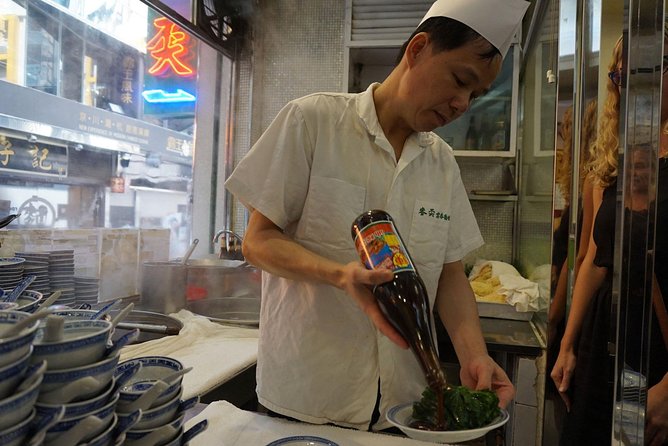
Hong Kong food is one of the biggest reasons to hire a guide, because it’s not just what to eat—it’s where and when. During this tour, food and shopping can be woven into your route as optional stops.
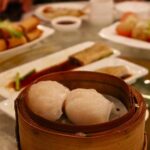
If you like dim sum, your guide can often build in a meal window. One family-style example from guide-driven days: dim sum at Tim Ho Wan shows up as a realistic finish when schedules allow. Other food-style requests you can ask for include duck dishes and egg tart snacks. Your guide can also help connect you with specific places, rather than leaving you to gamble on what’s open and what’s good.
On the snack-and-street side, markets are a natural base for sampling. If you’re the type who wants to try one local thing per stop, tell your guide that upfront. They’ll likely route you through places where buying a small bite makes sense.
Shopping works similarly. If you want a budget shopping lane, the markets can be structured so you’re not overwhelmed. If you want antiques, your guide can focus time around places like Cat Street and the Hollywood Road area.
The best part: your guide can match your pace. Some days you want fast and efficient. Other days you want time to ask questions and take photos. Guides like Alfred, Mel, Andy, Sinclair, Grace, Don, and Ben are frequently singled out for tailoring and for staying helpful when plans need adjustment.
Price and value: what $231.03 per person buys you
At $231.03 per person for about 5 hours, this isn’t a cheap add-on. But it can be good value if you’re using it for what Hong Kong is worst at on your own: building a smart route across neighborhoods fast.
Here’s what the price includes:
- Hotel meet-up and drop-off
- A professional guide
- Public transportation during the tour (including the ferry)
- The Star Ferry ride
- Children aged 11 and under can be free of charge
What usually costs extra:
- Food and drinks
- If you choose a taxi at any point, that’s on you
- Peak tram tickets if you decide to add them
- A few optional activities, like the Aberdeen sampan ride
So when does it make sense? If you have a short stay, you want to see both sides of the harbor, and you don’t want to spend your valuable time studying transit and guessing which neighborhoods are worth the detours. It also makes sense if language is a barrier or if you simply want someone to keep the day running smoothly while you focus on enjoying it.
What I’d watch for: weather, crowds, and your walking schedule
This tour is designed to run as scheduled, but Hong Kong weather and crowd patterns can change everything fast. The plan can adjust under storm conditions. If there’s heavy rain, typhoon warnings, or severe weather, certain outdoor viewpoints like Victoria Peak may get modified.
Crowds can also hit scheduling. If you’re traveling during busy dates, your guide may need to reorder stops to keep the day moving. One real-world lesson: if you’re strict about doing every single must-see, you may end up stressed.
My advice: treat the tour as your route builder, not as a rigid checklist. Pick your top 2 priorities before you go, then give your guide freedom to trade smaller stops if the city gets crowded.
Also wear comfortable shoes. This is not a sit-in-a-car tour. The escalators, slopes, and sidewalks can add up.
Should you book this private half-day custom tour?
Book it if:
- You want both Hong Kong Island and Kowloon in one half day.
- You love using public transport and walking, and you want a smarter route than your own map can provide.
- You care about a mix of markets, temples, and skyline views, not only the top five tourist photos.
- You want a guide who can answer questions and steer toward food you actually want to eat.
Skip it or adjust expectations if:
- You’re hoping for a low-walk, sit-and-watch day.
- You only want one or two extremely specific spots and nothing else, because the value comes from flexible routing.
- You’re traveling during rough weather or very crowded periods and you’re not open to re-timing Peak or swapping stops.
If you do book, set yourself up for success: tell your guide what you most want to see (for example Peak views, markets, dim sum, or street shopping) and which you’d rather skip. That’s how you turn 5 hours into a day that feels like Hong Kong, not just a pile of landmarks.
FAQ
How long is the Half-Day Private Custom Tour of Hong Kong?
It runs for about 5 hours.
Is this a private tour?
Yes. It’s a private tour/activity, and only your group participates.
Do I get hotel pickup and drop-off?
Yes. Hotel meet-up and drop-off are included.
Does the tour include public transportation?
Yes. Public transportation is used during the walking tour, including MTR and ferry, and other transit types as needed.
Is the Star Ferry ride included?
Yes. Star Ferry is included.
Is Victoria Peak tram included?
No. Peak tram tickets are not included.
What happens if there’s bad weather?
The tour takes place as scheduled except under Red/Black storm warning or Typhoon #8 or above. You can check the Hong Kong Observatory for up-to-date weather information.