REVIEW · HONG KONG SAR
Hong Kong Half Day Tour with a Local: 100% Personalized & Private
Book on Viator →Operated by City Unscripted · Bookable on Viator
Hong Kong can feel like a speed-run on your first day. This private 3–4 hour tour is interesting because a local shapes the plan around you, then adjusts it as you go. I especially like the prep step (a questionnaire plus direct messages before you meet) and the range of stops, from everyday markets to a quiet temple and big harbor views. One possible drawback: it’s mostly walking, and you may use public transport between areas.
You’ll meet at a real, easy-to-find spot in Central (Statue of Sir Thomas Jackson on Des Voeux Rd Central), and the tour ends back there. Expect a flexible route built for your pace, not a rigid checklist—great for getting your bearings fast.
In This Review
- Key things to know before you go
- A private half-day that builds itself around your interests
- How the “flex on the fly” part pays off
- One trade-off to accept upfront
- Starting in Central: the easiest way to orient yourself fast
- Market streets, side streets, and that quiet-temple contrast
- The creative neighborhood stop: cafés, antiques, and street art
- The night market: neon, sizzling food, and local quirks
- The Kowloon City area: Thai influences and stories of the past
- Harbor views: the skyline moment that makes the city click
- The Taoist temple stop: incense, coils, and prayer meanings
- How the walking + transit mix really works
- Ask for transit help early
- Price and value: what $128.08 buys you
- Who should book this tour (and who might skip it)
- The best way to get results: how to talk to your guide
- Should you book this private Hong Kong half-day tour?
- FAQ
- How long is this Hong Kong half-day walking tour?
- Is this tour private?
- Where do we meet, and where does the tour end?
- Do we need to walk the whole time?
- Are food, drinks, and attraction tickets included?
- How is the itinerary personalized?
- Can I cancel for a full refund?
Key things to know before you go
- Local-first planning: questionnaire + direct communication to match history, food, shopping, and neighborhood wandering
- Private means personal: only your group with a guide who can slow down, speed up, or pivot on the fly
- Central meeting point: starts at a landmark in Central and finishes in the same place
- Markets to temples to harbor: the route mixes everyday Hong Kong with calm religious spaces and skyline views
- Mostly on foot: walking does the heavy lifting; transit or taxis can be used between sites (at your cost)
- Guide help with transport can happen: at least some guides help with MTR logistics and getting an Octopus card
A private half-day that builds itself around your interests

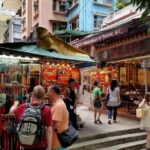
This tour is built for people who don’t want the usual Hong Kong script. The main idea is simple: you tell your guide what you care about, and they shape a route that fits your time and energy.
The big win here is the personalization step. You fill out a pre-tour questionnaire, then you can message your host directly before you meet. That means you’re not stuck with a generic tour theme like architecture-only or food-only. You can combine what you want—then your guide can adjust if you’re more into street scenes than museums, or if you’d rather swap one stop for another.
You can also read our reviews of more tours and experiences in Hong Kong SAR.


How the “flex on the fly” part pays off
Hong Kong rewards flexibility. A route that works on paper can get derailed by crowds, weather, lines, or your own pace. This private format lets the guide keep control without making you feel rushed or stuck.
I also like that the tour is positioned as a first-days-in-town orientation. In a place as dense as Hong Kong, you want a map in your head. Even if you return later on your own, the guide’s route helps you understand how neighborhoods connect.
One trade-off to accept upfront
Because it’s a walking experience, the day can feel like activity, not sitting. Most travelers can do it, but if you’re planning a trip around lots of stairs or limited mobility, you’ll want to think ahead about how you’ll handle walking and transit segments between areas.
Starting in Central: the easiest way to orient yourself fast
You’ll meet at the Statue of Sir Thomas Jackson, on Des Voeux Rd Central. That’s a practical start: Central is a hub, and it’s easier to reach than some deeper neighborhood locations.
The guide also makes a difference in how you read the city. Even on a short trip, you get real context: which streets matter, how neighborhoods change block by block, and what locals actually do in the spaces tourists often rush past.
And yes, you’ll be back at the meeting point at the end. That matters more than people think. It reduces the stress of ending somewhere far from where you started, especially if you’re using the rest of the day for dining, shopping, or an evening plan.
Market streets, side streets, and that quiet-temple contrast
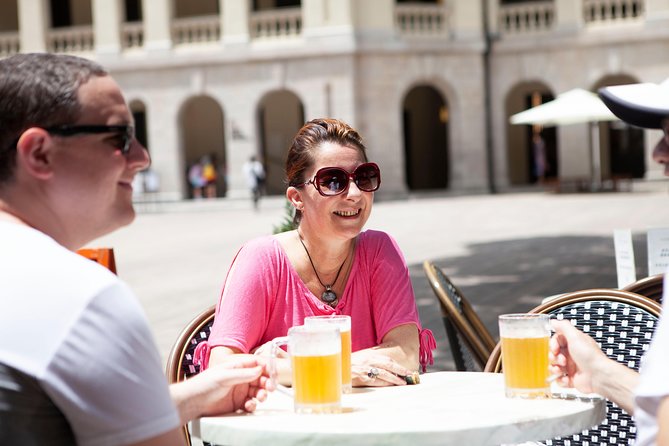
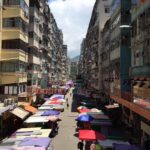
The itinerary is designed as a contrast sampler. You’ll move from energetic, everyday Hong Kong scenes into calmer, more reflective places—and you’ll hear stories that connect what you see to how Hong Kong works.
Below is what you can expect from each type of stop, plus what to watch for.




The creative neighborhood stop: cafés, antiques, and street art
One of the early stops is a creative pocket of Hong Kong—independent cafés, antique shops, and colorful street art. This is the kind of area where the city’s personality shows up in small details: what’s displayed in storefront windows, which corners feel like hangouts, and how new businesses sit beside older ones.
What I like about this stop for you: it gives you an easy win. You can walk, look, and snack without needing tickets or reservations. It also helps you understand Hong Kong beyond the skyline photos.
Possible drawback: it can shift toward browsing, which is fun, but not the best choice if you only want major landmarks. If that’s you, tell your guide early so they can keep your time focused on the best-fit streets.
The night market: neon, sizzling food, and local quirks
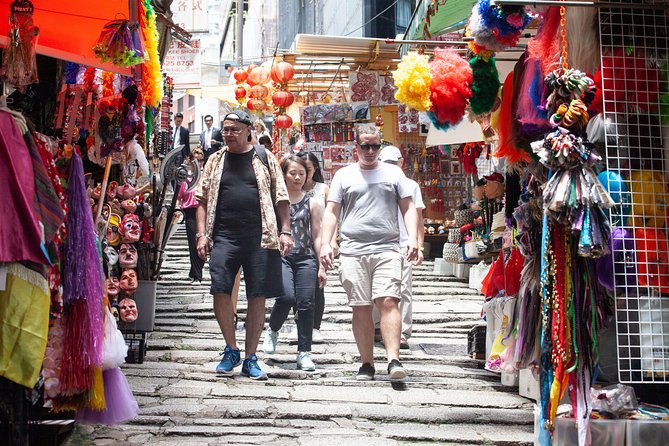
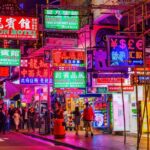
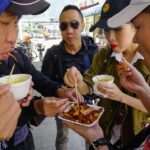
Next up is a famous night market with neon signs, food stalls, and fortune tellers. This is classic Hong Kong energy—loud in a good way, with lots to watch even if you don’t eat everything.
Value for first-time visitors: night markets are social spaces. You learn what people order, how lines form, and what to expect when you see crowds moving in waves.
Some guides also help you understand the odds and ends of market culture—how things work and what’s worth your attention.
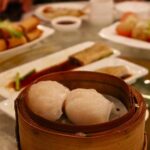
What to plan: food and drinks aren’t included, so you’ll be choosing from the stalls. If you’re hungry, great. If you’re picky, you’ll want to pick a couple items rather than trying to sample everything.
The Kowloon City area: Thai influences and stories of the past
Another stop focuses on a culturally rich part of Kowloon shaped by Thai influences, local history, and the legacy of the former Kowloon Walled City. This is a different type of Hong Kong than Central: more grounded, more story-driven, and more about daily life and historical layers.
Why this matters: the former Kowloon Walled City is a big deal historically, even if you don’t know the full backstory yet. Your guide’s job is to connect the present-day neighborhood to those past events in a way that makes sense while you’re walking.
What to expect on the ground: expect local details—how streets feel, how people move, and how history shows up indirectly in the neighborhood’s character.
Potential drawback: if you’re not in the mood for stories (you’d rather just take photos), this stop could feel slower. You can fix that by telling your guide what kind of history you want: dates and names, or human-scale stories.
Harbor views: the skyline moment that makes the city click
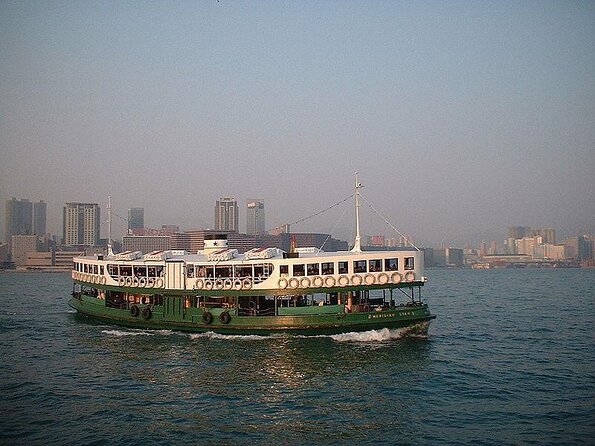
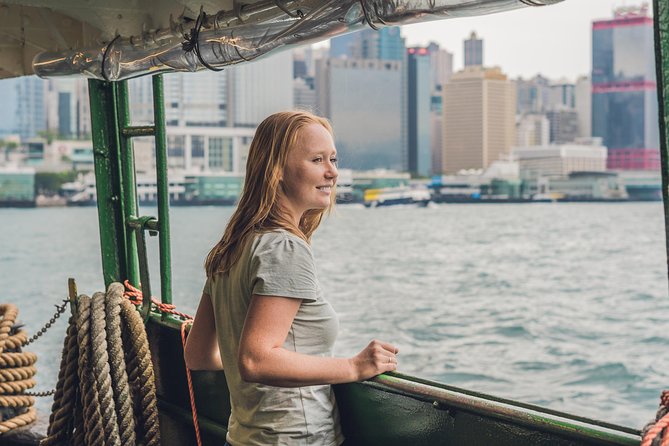
You’ll get sweeping skyline views along the harbor as you stroll. This is the reflection pause in the route. Hong Kong’s story is half city-building and half water-edges trade and transport—and the harbor helps you see how the city grew into what you see today.
Your guide should connect what you’re seeing to how Hong Kong’s role changed—from colonial trade port to modern financial hub. Even if you’re not a history person, you’ll feel the logic of the geography.
A practical tip: bring layers if it’s humid. Harbor areas can feel warmer or cooler depending on wind and time of day.
The Taoist temple stop: incense, coils, and prayer meanings
The final stop style is a tranquil temple thick with incense coils and meaning. Locals come to pray for wisdom, and your guide shares the Taoist roots behind the space.
This stop is the calm counterweight to markets and streets. It also changes your senses: less neon, more incense, more stillness. You get a better feel for how faith and everyday life sit side by side in Hong Kong.
What’s good about it: you’re not just visiting a photo spot. With a guide, the temple becomes understandable—why people are there, what they might be asking for, and what parts of the space signal Taoist tradition.
Possible drawback: temples can have rules about behavior and photography. Since the tour data doesn’t specify those rules, treat it like most sacred sites: move quietly, follow signs, and ask your guide what’s okay.
How the walking + transit mix really works
Even though this is a walking tour, the guide may use public transportation or a local taxi to move between areas. The exact costs aren’t included, and your guide can discuss transportation costs after your reservation is finalized.
This is important because Hong Kong isn’t flat. You might do lots of stairs and sidewalks, and you’ll likely use transit for efficiency. A couple reviews mention using the MTR system and paying with a credit card, so don’t assume it’ll be cash-only or wallet-free.
Ask for transit help early
Some guides have helped guests navigate the train system and even get an Octopus card. If you’re new to Hong Kong, this is the kind of practical support that can save time later.
If you want this help, tell your guide in your pre-tour messages that you’d like:
- help picking the easiest MTR route between stops
- guidance on getting an Octopus card if you don’t have one
- tips for transferring without losing time
Price and value: what $128.08 buys you
At $128.08 per person for about 3–4 hours, the price isn’t low. But in Hong Kong, private guides often cost more once you factor in how hard it is to cover neighborhoods efficiently.
Here’s where the value usually comes from:
- Private and personalized: you’re not sharing a guide with strangers who all want different things
- Pre-planning time: you fill out a questionnaire, and your guide contacts you directly to build the route
- Practical city help: some guides help with transit logistics, including Octopus card setup and route planning
- Time efficiency: you’ll cover multiple distinct areas in one half-day, instead of guessing your own route
What’s not included matters for value math. Food, drinks, attraction tickets, and transportation aren’t included. So your real cost depends on what you choose to eat and whether you add any paid stops.
If you’re the type who likes to eat in markets and do a little shopping, the tour can still be good value. If you’re trying to keep costs ultra-tight and avoid food spending, you’ll want to plan your own meals and expect to self-pay for transit.
Who should book this tour (and who might skip it)
This works best if:
- you’re in Hong Kong for a short time and want a quick orientation
- you like walking, neighborhoods, and people-scale streets
- you want a guide to tailor the day to your interests (history, food, culture, hidden corners)
- you’d benefit from help navigating the MTR system and getting settled fast
It may not be ideal if:
- you strongly prefer sitting in one place (this is active)
- you want only major “must-see” landmarks with no neighborhood exploring
- you’re not up for walking between scattered areas and don’t want to use transit
One more note from how guides describe their approach: guides can be flexible with requests. Reviews mention guides accommodating custom interests and even special requests (like a specific cemetery visit), which suggests your guide is willing to adjust if your ask fits the day and walking reality.
The best way to get results: how to talk to your guide
This tour is at its best when you give your guide usable direction. Don’t just say I like food. Say what kind of food vibe you want: street snacks, a proper sit-down meal, or a market tasting pace.
Also, share your energy level. If you’re jetlagged, tell them. A couple reviews highlight how the tour helped people on their first day when they were freshly arrived.
If you want photos, ask. One review mentions a guide taking lots of pictures and sharing them after. That’s the kind of small service that can make your day feel even more worth it.
Should you book this private Hong Kong half-day tour?
If you’re new to Hong Kong, I think this is a smart booking. The mix of Central meeting point, flexible local route, and stops that cover markets, temples, neighborhood culture, and harbor views is exactly what you want for a first-day foundation.
Book it if you want your time to feel efficient without feeling like a checklist. The personalization step is the difference between seeing Hong Kong and understanding how to move through it.
Skip it if you already know the neighborhoods you want and you’re planning to do a very landmark-heavy route on your own. In that case, you might not need a private guide for every hour.
FAQ
How long is this Hong Kong half-day walking tour?
It runs about 3 to 4 hours.
Is this tour private?
Yes. It’s a private tour/activity, so only your group participates.
Where do we meet, and where does the tour end?
You meet at the Statue of Sir Thomas Jackson on Des Voeux Rd Central, Hong Kong, and the activity ends back at the meeting point.
Do we need to walk the whole time?
It’s primarily a walking experience. Public transportation or a local taxi may be used to transfer between sites, and transportation costs are not included.
Are food, drinks, and attraction tickets included?
No. Food, drinks, and any attraction tickets are not included.
How is the itinerary personalized?
After booking, you receive a short questionnaire to share your interests, preferences, and must-sees. Your guide personally reaches out to craft a customized itinerary, and you can communicate directly for planning and recommendations.
Can I cancel for a full refund?
You can cancel for a full refund if you cancel at least 24 hours before the experience’s start time.