REVIEW · HONG KONG SAR
Hong Kong: Kowloon Street Market & Food Culture Walking Tour
Book on Viator →Operated by Hong Kong Free Tours · Bookable on Viator
Hong Kong reveals itself faster through markets. This Kowloon street food walking tour is built for easy navigation, local shops, and snack stops that explain how the city works. You finish near Ladies’ Market without needing a map or awkward ordering.
I especially like the small group size (max 6), because you can ask questions and actually hear the stories. I also love that snacks are included, so you’re not doing mental math every time the guide points at something tempting.
One thing to think about: this is a walking tour in the street-level food world. Plan for crowds and lots of standing in and around shops, and it requires good weather to run.
In This Review
- Key highlights worth your time
- Why Kowloon’s street markets beat the big-name food tours
- Price, time, and the simple logistics that make this tour workable
- Stop 1: Goldfish Street (Tung Choi Street) and the hidden economy behind plastic bags
- Stop 2: Kiu Ming Mansion and how near-zero farming shapes what you can eat
- Stop 3: Ki Tsui Cake Shop and walnut cookies as cultural memory
- Stop 4: 136A Fa Yuen St and Pat Chun’s edible heritage from a tough era
- Stop 5: Mong Kok’s Arygle Street off-course betting branches and why the city makes rules work
- Stop 6: Canton Road marinated foods and Hong Kong’s food preservation brain
- Stop 7: Lok Yuen House and geoduck as a freshness philosophy
- Stop 8: Paper offering shops on Canton Road and why tradition survives brand lawyers
- Snack stops: what included tastings usually feel like
- How the guide style changes your day (and what to look for)
- Who this Kowloon walking tour suits best
- Should you book this Kowloon Street Market & Food Culture walking tour?
- FAQ
- How much does the Kowloon Street Market & Food Culture walking tour cost?
- How long is the tour?
- What’s the group size?
- Where do I meet the tour, and where does it end?
- What time does the tour start?
- What’s included in the price?
- Do I need to pay separately for tastings or admissions?
- Is this tour helpful if I don’t speak Cantonese?
- What happens if the weather is bad?
- Are service animals allowed?
Key highlights worth your time
- Max 6 people keeps the experience personal and question-friendly
- Snacks included means you can focus on eating and learning, not extra payments
- Goldfish Street to Canton Road connects lesser-known corners of Kowloon
- Culture through food: fruit supply, preservation, and family traditions explained at the shop
- No language barrier stress thanks to a local guide who handles the flow
- Ends at Ladies’ Market so you’re already positioned for an easy follow-on stroll
Why Kowloon’s street markets beat the big-name food tours
If you’ve eaten in Hong Kong before, you already know the food scene is serious. What surprised me from the tour structure is how much ground it covers using small local shops instead of only famous “must-try” stalls.
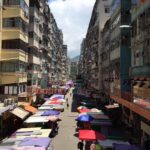
This is a food culture walk that works even if you don’t speak Cantonese. A guide handles routing, timing, and what to try, which matters when you’re moving through wet market alleys and side streets where signage may not help.
The best value here is the balance: you get snack stops plus explanations about the city behind those bites. That context turns a snack into a small lesson in Hong Kong life—economics, supply chains, preservation, and family customs—without turning it into a lecture.
You can also read our reviews of more tours and experiences in Hong Kong SAR.

Price, time, and the simple logistics that make this tour workable
At $32.80 per person, this is priced like a focused, 2-hour experience rather than an all-day food marathon. You’re paying for three things: a professional local guide, planned shop visits, and included snacks.
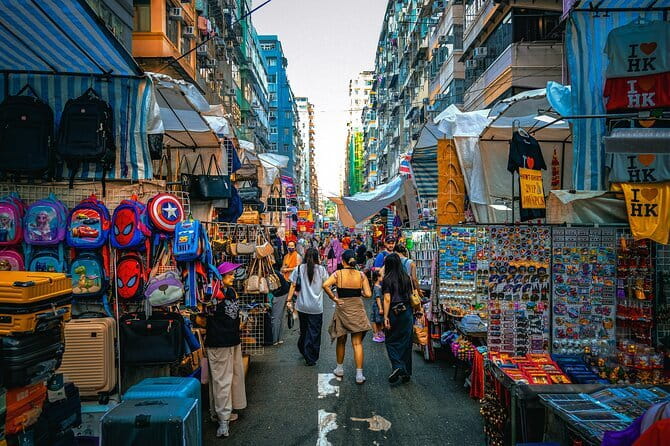
The route starts at Prince Edward Station on Prince Edward Road West at 3:00 pm. You end at Ladies’ Market on Tung Choi Street in Mong Kok, which is convenient because you can keep exploring after the tour without backtracking.
The tour uses a mobile ticket, and it runs with a small group size (up to 6). Near public transportation, plus service animals allowed, makes it easier to fit into a normal day of sightseeing.
Stop 1: Goldfish Street (Tung Choi Street) and the hidden economy behind plastic bags
Goldfish shops along Tung Choi Street look whimsical at first. Then the guide reframes it: these multi-million-dollar businesses exist upstairs, pushed by soaring rents and shifting local culture.
This stop is a strong opener because it sets the tour’s theme. Hong Kong isn’t only a place where people eat—it’s also a place where clever people survive economically, sometimes in layers you don’t notice from street level.
What to watch for: the shop layouts and the upstairs-feeling trade. You’ll see how a seemingly small animal business ties into the city’s bigger pressures.
Potential drawback: it’s more about observation and storytelling than eating. If you’re hungry right away, you’ll likely still be excited by what comes next—just know this is the “story first” start.
Stop 2: Kiu Ming Mansion and how near-zero farming shapes what you can eat
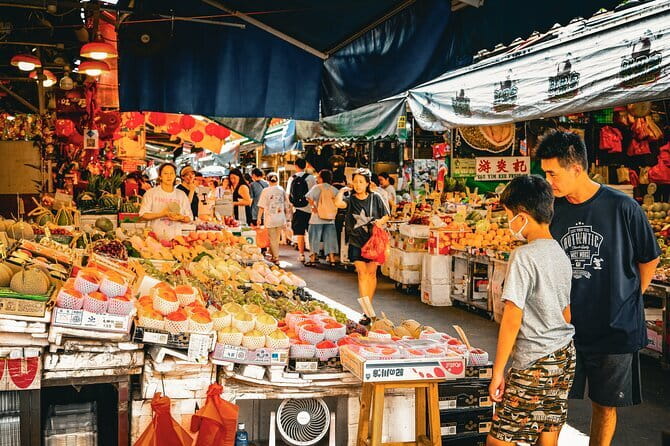
This is one of those Hong Kong facts that makes you look at fruit differently. The stop shares that Hong Kong grows almost nothing agriculturally (about 0.1%), so food depends on fast transportation—often overnight airlifted.
That sets up why certain fruits and produce show up quickly and why freshness talk matters so much in Hong Kong. It also explains why you’ll see food supply chains referenced casually in everyday conversation here.
What you’ll likely get: a taste of fruit that arrived fast, plus the story of where strawberries and other items reach you from. Even if you don’t memorize sourcing details, you’ll walk away thinking about food as logistics.
Potential drawback: if you’re expecting a traditional farm-to-table vibe, this stop challenges that idea. It’s about distribution speed, not agriculture nostalgia.
Stop 3: Ki Tsui Cake Shop and walnut cookies as cultural memory

Ki Tsui Cake Shop is where the tour turns comfort-food friendly. The focus is on how sweet treats can hold onto identity as the city changes.
You’re guided toward an example: walnut cookies, framed not just as dessert, but as food that carries memory. It’s a smart move on a walking tour—people often relax more with something familiar, and then the culture explanation lands better.
What to expect: tasting and a short interpretation of why Hong Kong treats often feel both local and adaptable. You may also notice how the packaging and shop-style support quick buys in a dense neighborhood.
Potential drawback: bakeries can mean queues or tight counter spaces. If you dislike close quarters, just follow the guide’s lead and keep your place.

Stop 4: 136A Fa Yuen St and Pat Chun’s edible heritage from a tough era
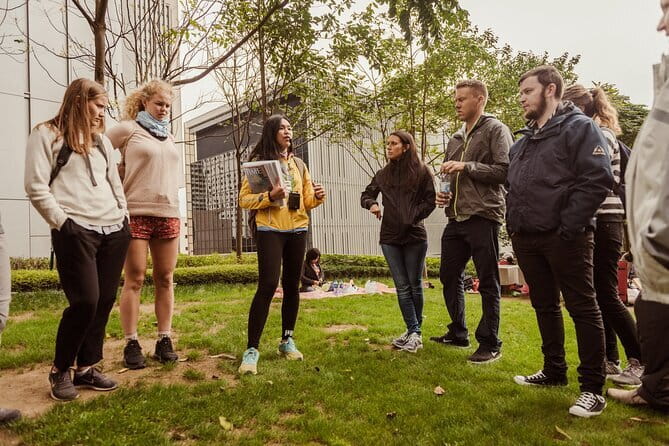
This stop centers on Pat Chun and the idea of edible heritage from Hong Kong’s post-war baby boom. The message is about resistance and identity—how commitment to Hong Kong helped keep certain production choices local when pressures pushed the other way.
The tour links it to something you can taste. You’ll learn why bottles, brands, and old recipes can matter as much as the ingredient itself. In a city that changes quickly, that’s a big deal.
What to watch for: the brand-story details the guide shares while you see the shop. This is a “shop as archive” moment.
Potential drawback: product talk can move faster than you expect. If you want to take notes, ask one or two targeted questions and you’ll get more value than trying to capture everything.
Stop 5: Mong Kok’s Arygle Street off-course betting branches and why the city makes rules work
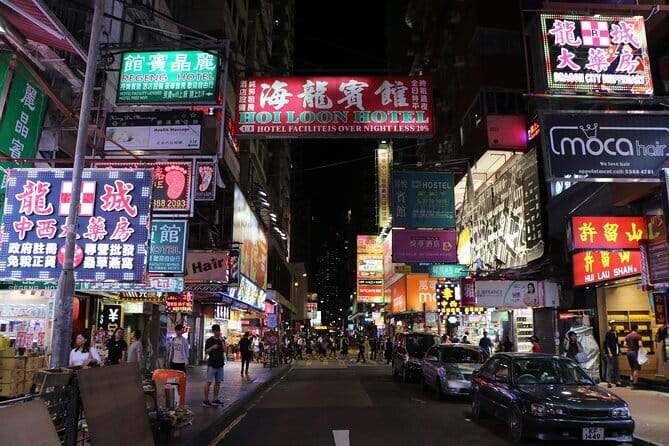
The Hong Kong Jockey Club stop is unusual in the best way. It uses colonial-era law and local tradition to explain a unique social arrangement: gambling funds public services, creating a contract people understand.
This is also about community behavior. Even if you don’t gamble, the stop helps you understand why certain institutions feel woven into daily life rather than separate from it.
What you’ll likely get: a social context story tied to a real location—Arygle Street in Mong Kok. It adds a layer to your understanding of Hong Kong beyond food.
Potential drawback: if you’re not interested in institutions or social systems, this can feel less snack-focused. Still, it’s one of the stops that makes the rest of the tour make sense.
Stop 6: Canton Road marinated foods and Hong Kong’s food preservation brain
Now you’re back in the lane where Hong Kong excels: preservation and time. This stop explains how climate challenges pushed Hong Kongers toward culinary invention—especially with foods that hold flavor through careful processing.
You’ll taste preserved-style items such as preserved eggs and sausages, with the guide connecting the bite to preservation as a philosophy. It’s not just “how they make it,” it’s “why they needed it” and what that says about daily life.
What to watch for: the balance of saltiness, aroma, and texture. Preservation foods can be polarizing at first; the guide’s framing helps you try without fear.
Potential drawback: if you dislike strong odors, marinated and preserved items may test you. Go at the pace the guide suggests, and don’t feel pressured to finish anything you don’t enjoy.
Stop 7: Lok Yuen House and geoduck as a freshness philosophy
Seafood in Hong Kong often feels like it moves at superhuman speed. Lok Yuen House makes that idea concrete by pointing to seafood supply—like geoduck from Canada—reaching stalls within hours.
This stop is a lesson in the city’s “freshness” mindset. The guide connects global sourcing to a local standard: simplicity, speed, and freshness in practice.
What to expect: a seafood shop atmosphere plus an explanation that treats ocean bounty like a shared system—Hong Kong as a coordinator that gets ingredients to you fast.
Potential drawback: seafood stores can be intense visually. If you’re sensitive to strong smells, keep to the guide’s position and take sips of water between tastings.
Stop 8: Paper offering shops on Canton Road and why tradition survives brand lawyers
For a final stop, this tour goes deep into family ritual. The paper offering shop shares how Chinese families care for ancestors by burning paper replicas—useful items and symbols meant for remembrance.
Then it adds a surprising modern twist: when Gucci tried to stop these shops, Hong Kong’s cultural tradition proved stronger than luxury brand lawyers. That story makes a point about what can and can’t be replaced by branding.
What you’ll likely see: paper goods lined up for offerings, plus a clear explanation of why this tradition matters. It’s a very different kind of Hong Kong food-world connection, but it fits the tour’s theme of culture expressed through everyday objects.
Potential drawback: it’s emotionally heavier than the food stops. If you prefer light and purely playful content, this end can feel like a sudden tone shift.
Snack stops: what included tastings usually feel like
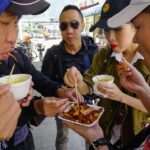
The tour is built around snacks included, so you’re sampling instead of eating full meals at each place. That’s ideal for a walking tour because you avoid the post-meal slump and keep moving while your taste buds are still fresh.
The itinerary also suggests a smart mix:
- sweet and bakery-style at Ki Tsui Cake Shop
- preserved savory bites at the marinated store
- fruit tasting tied to the low-agriculture supply chain
- seafood-related sampling and shop knowledge
I like this approach because it reduces decision fatigue. You don’t need to guess what to order or whether a shop caters to tourists. The guide brings you to the right places and helps you understand what you’re tasting as you go.
How the guide style changes your day (and what to look for)
Since this tour runs with a professional local guide, your experience will often come down to storytelling and pacing. The tour’s best moments are when the guide connects a shop to the city’s real-world pressures: rents, shipping speed, preservation habits, and community institutions.
Examples from different guides include people like Stephen, Michael, Alice, and Isaac leading tours with a friendly, enthusiastic tone and a focus on helping you try foods you might skip on your own.
What you can do: ask one question at each stop. Food tours can turn into passive eating if you don’t engage. Even a simple question like why this shop exists here or what makes this specific item local can multiply the value.
Who this Kowloon walking tour suits best
This tour is a great fit if you:
- want authentic local food haunts that many visitors miss
- like cultural stories attached to what you’re tasting
- prefer walking with a plan over trying to freestyle in crowded streets
- enjoy small groups and conversation with a guide
It’s also a good option if you’re traveling solo or with friends who don’t all want the same kind of activity. The stops cover multiple interests: food, economics, supply chains, and community institutions.
If you want a strictly foodie-only tour with zero history or social context, you might find some stops less snack-heavy. But if you enjoy understanding why Hong Kong food tastes the way it does, the mix is part of the point.
Should you book this Kowloon Street Market & Food Culture walking tour?
I’d book it if your goal is to eat your way through Kowloon while learning what makes Hong Kong food culture tick. The small group size, the snacks included value, and the stop selection—from Tung Choi Street goldfish shops to Canton Road traditions—make it a practical, memorable 2-hour plan.
Skip it if you need long seated breaks or you only want the most famous food names with minimal context. This tour keeps you moving and often standing, because that’s where the real market energy lives.
If you’re in Hong Kong around 3:00 pm, you’ll also be perfectly placed to continue wandering afterward at Ladies’ Market.
FAQ
How much does the Kowloon Street Market & Food Culture walking tour cost?
It costs $32.80 per person.
How long is the tour?
The duration is about 2 hours.
What’s the group size?
This tour has a maximum group size of 6 travelers.
Where do I meet the tour, and where does it end?
You meet at Prince Edward Station (Prince Edward Road West, Hong Kong) and end at Ladies’ Market on Tung Choi St, Mong Kok.
What time does the tour start?
The start time is 3:00 pm.
What’s included in the price?
You get a professional local guide and snacks food tasting as part of the tour.
Do I need to pay separately for tastings or admissions?
No. The tour includes snacks, and the listed stop admissions are marked as free.
Is this tour helpful if I don’t speak Cantonese?
Yes. The tour is described as ideal for removing language barriers, since the guide helps you navigate and understand what you’re eating.
What happens if the weather is bad?
This experience requires good weather. If it’s canceled due to poor weather, you’ll be offered a different date or a full refund.
Are service animals allowed?
Yes. Service animals are allowed on this tour.