REVIEW · BEIJING
Private China Tour to Beijing, Xi’an, Zhangjiajie and Shanghai
Book on Viator →Operated by Travel China Guide · Bookable on Viator
Four cities in 11 days. That’s the hook. What makes this route interesting is the way it strings together major icons—the Great Wall, Terracotta Warriors, Zhangjiajie’s mountain views, and Shanghai’s Bund—without forcing you to piece together transport.
I really like two things about this plan. First, you get day-by-day local guidance in each city, plus an air-conditioned vehicle that handles the uncomfortable parts of travel (traffic, transfers, and time sinks). Second, the schedule mixes headline sights with small, memorable moments like a Hutong rickshaw ride and the Muslim Quarter snack stroll.
One possible drawback: this is a “see a lot” itinerary. You’ll spend meaningful time walking, including outdoor days like the Great Wall and the mountain parks, where optional steep stairs can turn into a leg-day situation.
In This Review
- Key Highlights at a Glance
- Beijing Airport to Hotel Check-In Without the Headache
- Day 1 practical reality
- Tiananmen Square and the Forbidden City: A Big Day With Clear Flow
- Tiananmen Square: more than a photo stop
- Forbidden City: why guided time helps
- Hutongs by rickshaw: the Beijing you don’t get from a bus window
- Temple of Heaven: finishing with atmosphere
- Badaling Great Wall and Ming Tombs: Real Imperial Power, Not a Movie Set
- Badaling Great Wall: the iconic section for a reason
- Ming Tombs: Sacred Way and Dingling Tomb
- Bird’s Nest: the photo pass
- Summer Palace and the Train to Xi’an: Big Gardens, Then Big Distance
- Why I like the transport choice
- Terracotta Warriors and Small Wild Goose Pagoda: Xi’an’s Core Credits
- Terracotta Warriors Museum: long enough to matter
- Small Wild Goose Pagoda and Xi’an Museum area
- Lunch timing
- Xi’an City Wall, Great Mosque, Muslim Quarter, and Hanyangling
- Xi’an City Wall: see local life around a monument
- Great Mosque: architecture with a different rhythm
- Muslim Quarter: snack stroll time
- Hanyangling (Han Yangling Mausoleum): the afternoon surprise
- Flying to Zhangjiajie: Mountains, Air, and a Different Kind of “Wow”
- What to expect in Zhangjiajie
- Zhangjiajie National Forest Park: Bailong Elevator to Yuanjiajie Views
- Bailong Elevator: fast access to big views
- Long day, big scenery
- Grand Canyon of Zhangjiajie and Golden Whip Brook: A Hike That Feels Like a Museum
- Grand Canyon of Zhangjiajie: mountains, caves, and water
- Golden Whip Brook: a 7.5-kilometer scenic hike
- Tianmen Mountain and the Fly to Shanghai: Stairs Optional, Views Not
- Tianmen Mountain: 999 stairs, if you want them
- Evening flight to Shanghai
- Shanghai Urban Planning Hall, Yu Garden, and the Huangpu Cruise That Puts the Bund Into Context
- Shanghai Urban Planning Exhibition Hall: get the map in your head
- Yu Garden: classical layout, long-lived design
- Huangpu River cruise: architecture from water level
- The Bund and Tianzifang lanes: two different textures
- Departure Day From Shanghai: A Clean Finish
- Price and Value: What $2,999 Covers, and What You Still Need
- The real value question
- How to Pack and Pace Yourself for This Route
- Should You Book This Private 11-Day China Tour?
- FAQ
- What cities does the tour include?
- How long is the tour?
- What’s included for meals?
- Are flights included between the cities?
- Do I get a hotel room included?
- Is this tour private?
- Is there any special dietary option?
Key Highlights at a Glance
- Private, guided, and logistics-heavy: airport/rail coordination, drivers, and smooth city-to-city transfers
- Beijing classics done in smart blocks: Tiananmen area, Forbidden City, Hutongs, Temple of Heaven
- Badaling Great Wall + Ming Tombs: two of the most famous imperial sites with guided focus
- Xi’an’s core trio: Terracotta Warriors, Small Wild Goose Pagoda area, then city wall and Great Mosque
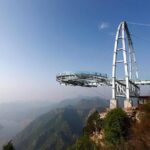
- Zhangjiajie scenery with the signature wow: Southern Sky Column views and a No.1 glass bridge stop
- Shanghai’s best mix: Yu Garden, Huangpu River cruise, Bund time, and Tianzifang lanes
Beijing Airport to Hotel Check-In Without the Headache
This tour starts the moment you land. Your local guide meets you after you clear customs and collect luggage at Beijing Airport, then you’re driven to your hotel and helped through check-in. It’s a simple move, but it matters. The first day in a foreign country is when small frictions multiply.
You also get clear grounding for your stay: the tour is designed to begin around Beijing’s major “must-see” zone early, rather than dumping you in the middle of traffic and hoping you figure it out.
You can also read our reviews of more tours and experiences in Beijing.
Day 1 practical reality
This is mostly a travel-and-settle day. You won’t be doing big-ticket walking marathons on day one, so you can get your bearings fast.
Tiananmen Square and the Forbidden City: A Big Day With Clear Flow
Day 2 is the classic Beijing center sweep: Tiananmen Square, the Forbidden City (Palace Museum), then a cultural sampler through Hutongs and finishing with the Temple of Heaven.
Tiananmen Square: more than a photo stop
Tiananmen Square is huge, and that scale is the point. You’ll see what the biggest urban square in the world feels like in real life. Since your guide handles the pacing, you can focus on how the space connects the city’s political symbolism to everyday Beijing.
Forbidden City: why guided time helps
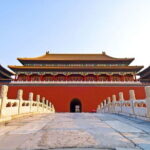
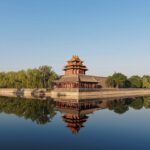
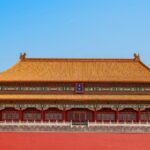
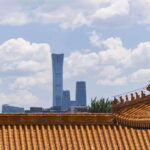
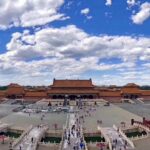
You’ll explore the Imperial Palace, also known as the Forbidden City, for around three hours. This is the kind of place where a guide can turn “wow, buildings” into “how power actually worked.” You’ll look at halls and pavilions designed for ceremonies and governance.
A tip for your comfort: plan for a steady walking pace. Even with guidance, this is a large complex.
Hutongs by rickshaw: the Beijing you don’t get from a bus window
After the palace block, you head to Shichahai for Hutongs. The highlight here is a traditional rickshaw ride through alleyways (around 40 minutes). It’s a gentle, human-scale contrast to the grand imperial spaces.
This is one of the stops I’d treat as a core value moment. It gives you texture: narrow lanes, local rhythms, and that old Beijing layout you simply can’t replicate by rushing between attractions.
Temple of Heaven: finishing with atmosphere
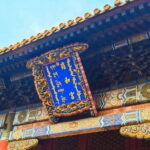
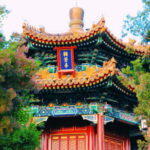
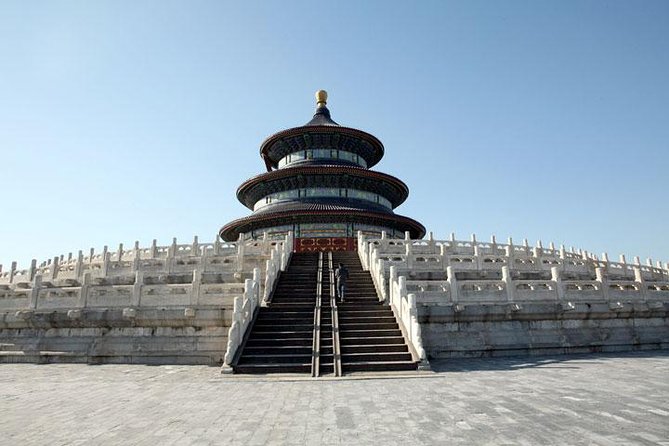
You wrap the day at the Temple of Heaven, where emperors worshiped the God of Heaven during Ming and Qing dynasties. The timing helps because this site often feels calmer after the crowds of the palace area.
Budget note: most major entries on this day are included, but your guide’s planning determines how smooth it feels in practice.
Badaling Great Wall and Ming Tombs: Real Imperial Power, Not a Movie Set
Day 3 is your Great Wall day, plus Ming Tombs. This is a strong combination because it pairs the empire’s outer boundary (the wall) with its inner legacy (the tombs).
Badaling Great Wall: the iconic section for a reason
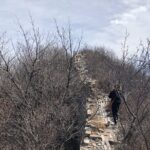
You’ll go to Badaling Great Wall in the morning. Standing on the wall and looking along the long line of stone is exactly the kind of sight that makes you understand why it’s famous. It’s about distance and endurance—stone holding back history.
Entry is included. Your main challenge is effort: you’ll want good shoes and a realistic expectation of walking time.
Ming Tombs: Sacred Way and Dingling Tomb
Then you explore Ming Tombs, resting place of 13 Ming emperors. Your visit focuses on two highlights: the Sacred Way and Dingling Tomb. The Sacred Way is a big “arrival moment,” lined with ceremonial symbolism, while Dingling gives you a more structured look at burial design and imperial scale.
Bird’s Nest: the photo pass
On the way back, you’ll pass the Bird’s Nest and get about 20 minutes for photos. It’s not a long hangout, so treat it like a quick “got it on camera” stop rather than a full visit.
Summer Palace and the Train to Xi’an: Big Gardens, Then Big Distance
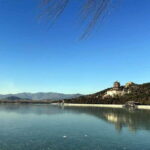
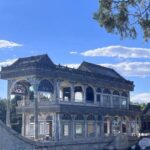
Day 4 starts with the Summer Palace. It’s the largest existing imperial garden and it’s known for graceful landscapes and impressive constructions. The key win here is pacing. After a heavy imperial day two and an outdoor day three, this feels like a shift in tempo.
Then you transfer to the railway station and take a high-speed train to Xi’an. Your Xi’an guide and driver pick you up at the station and take you to your hotel.
Why I like the transport choice
High-speed rail is one of the most practical ways to connect these cities. Instead of losing half a day to slow land travel, you preserve energy for the actual sightseeing blocks.
Terracotta Warriors and Small Wild Goose Pagoda: Xi’an’s Core Credits
Day 5 gives you Xi’an’s headline attractions in a way that makes sense.
Terracotta Warriors Museum: long enough to matter
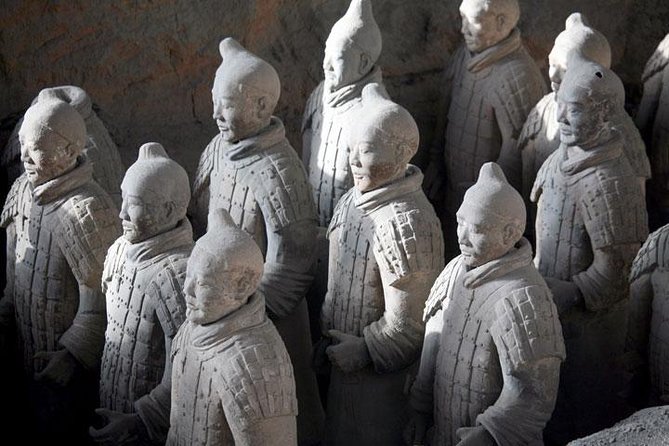
You’ll visit the Museum of Qin Terra-cotta Warriors and Horses. The museum highlights three excavated pits with warrior figures and ancient weapons. This is not just one big hall; it’s a sequence designed to show you scale and variety.
Expect a few hours here (about four). It’s the kind of visit where you’ll want to pause. The detail is what makes it stick.
Small Wild Goose Pagoda and Xi’an Museum area
Next is the Small Wild Goose Pagoda and the adjacent Xi’an Museum. Even with earthquakes in the region over time, the brick pagoda still stands. That survival factor adds a “time lived here” feel.
Lunch timing
Lunch is included on the route only on selected days (six lunches total across the trip). So on days like this, you’ll appreciate having one meal handled—especially when the afternoon continues with more walking.
Xi’an City Wall, Great Mosque, Muslim Quarter, and Hanyangling
Day 6 is a full cultural mix: fortifications, Islam in Xi’an, local food wandering, and a Han Dynasty stop.
Xi’an City Wall: see local life around a monument
You start with City Wall Park, where you can observe day-to-day life of locals, then pay a visit to the City Wall. It’s described as the most complete existing urban fortification in China. Even if you don’t climb everything, the wall gives context for how Xi’an was organized.
Great Mosque: architecture with a different rhythm
You then visit the Great Mosque of Xi’an, known for typical Islamic architectural features. This stop is valuable because it reminds you Xi’an isn’t only dynastic China in a box. It’s a crossroads city, and the architecture shows that.
Muslim Quarter: snack stroll time
Later, you can stroll the nearby Muslim Quarter freely. There’s also an arranged snack tour at a popular restaurant with varieties of mouth-watering snacks. This is one of the “you’ll remember this taste” moments, and it’s built into the plan rather than left to chance.
Hanyangling (Han Yangling Mausoleum): the afternoon surprise
In the afternoon, on the way toward the airport, you visit the Han Yang Ling Museum, also called Yangling Mausoleum of Han Dynasty (202 BC – 220 AD). What’s different here is the excavation areas.
This is a good “change of era” stop before you fly onward to Zhangjiajie.
Flying to Zhangjiajie: Mountains, Air, and a Different Kind of “Wow”
You head to the airport and catch a flight to Zhangjiajie on Day 6, then transfer to your hotel. Day 7 and 8 are where the scenery really takes over.
This flight move matters. It’s what lets the itinerary include both Chinese heritage cities and the mountain parks without turning the trip into a transportation endurance test.
What to expect in Zhangjiajie
Zhangjiajie isn’t just a single viewpoint. It’s a whole set of connected landscapes—canyons, peaks, and trails—so your time gets divided between scenic lifts, walks, and long park days.
Also, this route is designed to include Zhangjiajie’s “Avatar floating mountains” feel through the Southern Sky Column shooting spot, and it includes the No.1 glass bridge stop.
Zhangjiajie National Forest Park: Bailong Elevator to Yuanjiajie Views
Day 7 is a full day in Zhangjiajie National Forest Park.
Bailong Elevator: fast access to big views
You’ll take the Bailong Elevator to the Yuanjiajie Scenic Area, famous for the Southern Sky Column shooting spot. This is one of those places where the mountains look like they were made for a movie camera.
If you’re short on time or trying to avoid excessive walking early, the elevator is a practical win.
Long day, big scenery
You’re on park time for about eight hours, so build your day around sustained pacing. Bring water (the tour provides two bottled water per person per day), and keep your schedule flexible in case you need rest.
Grand Canyon of Zhangjiajie and Golden Whip Brook: A Hike That Feels Like a Museum
Day 8 combines a scenic canyon and an easier nature walk.
Grand Canyon of Zhangjiajie: mountains, caves, and water
You start at the Grand Canyon of Zhangjiajie, described as a landscape museum-like blend of mountains, caves, and water. You’ll spend around four hours here.
This day is less about strict history and more about reading geology like art. The guide helps you connect what you’re seeing with why it looks this way.
Golden Whip Brook: a 7.5-kilometer scenic hike
After a boost, you enter from the East Gate and ride a scenic car to Shuirao Simen. Then you hike along Golden Whip Stream, about 7.5 kilometers, for around three hours.
This is the kind of hike where you don’t just “do distance.” You enjoy it because the route is built for views. Still, it’s not a stroll, so wear shoes with grip.
Tianmen Mountain and the Fly to Shanghai: Stairs Optional, Views Not
Day 9 shifts from Zhangjiajie to Shanghai.
Tianmen Mountain: 999 stairs, if you want them
You go to Tianmen Mountain National Forest Park, where Tianmen Cave gives the mountain its name. There’s an option to climb the famous 999 stairs if you’re energetic enough.
Even if you don’t do the full stair climb, it’s worth going. You’ll get the mountain-meets-atmosphere feeling that’s the whole Tianmen point.
Evening flight to Shanghai
Then you catch an evening flight to Shanghai. When you land, your guide and driver for the private Shanghai tour transfer you to your hotel.
This is a real “travel day + sightseeing day” combo, so don’t plan extra activities that depend on perfect timing.
Shanghai Urban Planning Hall, Yu Garden, and the Huangpu Cruise That Puts the Bund Into Context
Day 10 is a strong mix of old and new Shanghai.
Shanghai Urban Planning Exhibition Hall: get the map in your head
You start at the Shanghai Urban Planning Exhibition Hall. It shows how Shanghai grew from a fishing village into a modern metropolis through models and photos, plus the clever planning behind the city’s shape.
This kind of pre-game makes everything else easier to understand.
Yu Garden: classical layout, long-lived design
Then you visit Yu Garden (Yuyuan), a private garden of more than 400 years. After walking past Yuyuan Bazaar outside the garden, you get time connected to the older market lanes.
Huangpu River cruise: architecture from water level
After an a la carte lunch, you take a Huangpu River Cruise. You’ll admire buildings with both Chinese and Western architectural styles along the bustling Bund, with modern skyscrapers in view.
This is one of the best ways to see Shanghai quickly without getting stuck in constant street-level traffic.
The Bund and Tianzifang lanes: two different textures
You also get time at the Bund (Wai Tan) to explore freely, and then Tianzifang, described as a cultural street with old lanes. You return to the hotel afterward.
This combination is smart: the Bund gives the skyline spectacle; Tianzifang gives local-style creativity and side streets.
Departure Day From Shanghai: A Clean Finish
Day 11 is straightforward. You check out, then your driver and guide escort you to catch your homeward flight.
This matters more than people think. You don’t want your “last day” turned into stress.
Price and Value: What $2,999 Covers, and What You Still Need
At $2,999 per person, this isn’t a budget backpacker trip. It’s positioned as a private, time-saving way to cover four major destinations.
Here’s what you’re paying for:
- Hotels (twin-sharing) throughout
- Professional guide and experienced driver
- Air-conditioned vehicle
- One-way economy-class airfare for the Xi’an → Zhangjiajie → Shanghai legs
- Key admissions are listed as included for most major stops
- Meals: 10 breakfasts and 6 lunches plus two bottled waters per person per day
- Mobile ticket support
What’s not included:
- Gratuities to guides and drivers (recommended)
- China visa fees
- International airfare
- And it notes the tour isn’t suitable for people over 80
One more practical thing: the itinerary is non-refundable and can’t be changed after purchase. If you’re not locked into dates, that’s the part to think hard about before booking.
The real value question
If you hate coordinating transport and you want fewer “what bus is this?” moments, this route earns its price. If you prefer total freedom and don’t mind researching each attraction, you might be able to assemble a cheaper DIY plan. But you’ll be spending your time instead of saving it.
How to Pack and Pace Yourself for This Route
Even with private transport, your body does the work on the scenic days.
Pack smart for:
- Good walking shoes (Great Wall, parks, and Golden Whip Stream)
- Layers for mountain weather swings (Zhangjiajie can feel different from the city)
- A small day bag so you’re not hunting for essentials at each stop
Pacing advice:
- On Days 2–3 (Beijing) and 7–9 (Zhangjiajie + Tianmen), you’ll feel the trip’s intensity. Plan rest in the car and build calm into your photo breaks.
- If the 999 stairs at Tianmen are tempting, decide early. If you wait until you’re tired, you’ll either skip it or feel grumpy about it.
Should You Book This Private 11-Day China Tour?
If your goal is to see Beijing, Xi’an, Zhangjiajie, and Shanghai with minimal logistical stress, this tour makes a lot of sense. The structure is built around major sights that most people actually come for, and it’s the kind of schedule that tends to be well-organized because the transport and timing are already handled.
Also, the feedback score is very high, with a 4.9 rating and 100% recommendation in the provided summary. The strongest theme is that the trip runs smoothly and covers a lot without feeling chaotic.
I’d say skip or reconsider if you want a slow, flexible vacation, or if you’re not comfortable with steep walking options (including optional stairs at Tianmen) and long park days. For everyone else, this is a solid “big highlights” route that respects your time.
FAQ
What cities does the tour include?
It covers Beijing, Xi’an, Zhangjiajie, and Shanghai over about 11 days.
How long is the tour?
The duration is listed as 11 days (approx.).
What’s included for meals?
Breakfast is included for 10 mornings, and lunch is included for 6 meals. Two bottled waters per person per day are also included.
Are flights included between the cities?
Yes. One-way economy-class airfare is included for the Xi’an to Zhangjiajie to Shanghai legs.
Do I get a hotel room included?
Yes. Hotel accommodation is included based on twin-sharing rooms.
Is this tour private?
Yes. It’s described as private, with only your group participating. The tour requires a minimum of 2 people per booking.
Is there any special dietary option?
A vegetarian option is available—just advise at booking.