REVIEW · HONG KONG SAR
Private Kowloon Michelin Rated Street Food & Culture Tour
Book on Viator →Operated by Hello Hong Kong · Bookable on Viator
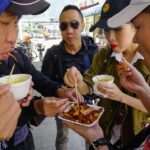
Kowloon at snack time is a different city. This private walking tour mixes street food (7 to 9 tastings) with a guide who’ll talk through day-to-day life in neighborhoods most visitors rush past. You’ll also target two Michelin-rated eats on every tour, so you’re not just eating anything that looks good.
What I like most is the balance of practical food choices and people-first context. I love that you get to sample classics like cheung fun, wonton noodles, egg tarts, and dessert soup (ong shui), plus less-common picks like wife cake and exotic fruit—stuff you might walk right by on your own. I also like the private format, with guides who can pace the walk and steer the stops based on your interests, with names like Kiyo, Sinclair, and Mel showing up in standout experiences.
The main drawback is that it’s a walking tour focused on the grittier side of Kowloon, so it’s not for everyone. If you have walking difficulties, you’re out. And if you’re vegan, this isn’t the best match since the food stops aren’t designed to work around that.
In This Review
- Key highlights worth planning around
- Kowloon After Dark: what makes this tour feel different
- Price and value: what $222.35 really buys you
- Timing, walking, and how you’ll move around (without guessing)
- Food stops you can expect: what you’ll likely taste
- Sham Shui Po: the market-start that sets the tone
- Mongkok: neon markets and fast-moving appetite
- Yaum Ma Tei and the fruit market history: where the tour lands
- The culture talk: housing crisis, triads, prostitution, and grey markets
- Guide quality is the real secret sauce (Kiyo, Sinclair, Mel)
- Food rules to know before you go
- Who should book this private Kowloon street-food tour
- Should you book? My quick call
- FAQ
- FAQ
- How long is the tour?
- Where does the tour start and end?
- Is hotel pick-up included?
- Is this tour mainly walking?
- How many food stops will I visit?
- What kind of foods will I try?
- Is the tour suitable for vegans?
- What is the minimum age?
- What is the tour’s theme?
Key highlights worth planning around
- Michelin-rated targets: the guide aims for two Michelin-rated street food stops each tour
- 7 to 9 tastings: you’ll leave properly fed, not just sampling one bite per stop
- Private guide, real pacing: fewer crowds, more room to ask questions (and to slow down)
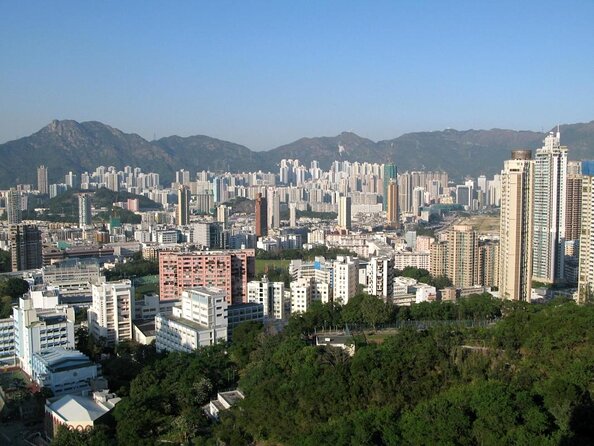
- Kowloon neighborhoods, not the postcard map: Sham Shui Po, Mongkok, and Yau Ma Tei
- Culture talk you can feel: housing pressure, plus topics like triads and prostitution
- MTR connections: expect a mix of walking and subway travel to cover more ground
Kowloon After Dark: what makes this tour feel different
This tour is built for the part of Hong Kong that doesn’t show up on brochures. You start in Sham Shui Po and work through Mongkok and the Yau Ma Tei area, which are famous for markets, dense streets, and street life that’s been going on for decades. The timing matters too: it’s offered as an afternoon/early evening outing with a 3:00 pm start, which means you’re eating as neon and market lights come on.
What you’re really buying is a mix of two things: food with credibility and conversation with context. The Michelin-rated target is a nice safety net for food quality, but the tour doesn’t stop at taste. You’ll get talk-time about daily life outside Central and Tsim Sha Tsui, and you’ll hear about the housing crisis that affects people here in a very direct, lived way.
There’s also an expectation-setting note that this is about the darker side: poverty, triads, prostitution, and grey markets. You don’t have to be edgy about it, but you should go in knowing the guide may address real street realities rather than keeping things squeaky-clean.
You can also read our reviews of more tours and experiences in Hong Kong SAR.

Price and value: what $222.35 really buys you
At $222.35 per person for about 4 hours, this isn’t a budget food crawl. But it is one of those tours where the value comes from how the time is structured: a private guide, multiple neighborhoods, and enough scheduled food stops to make the cost feel less like a “tour fee” and more like the price of a guided, full meal route.
Here’s how the math starts to make sense:
- You get 7 to 9 food stops, not just a couple tastings.
- The guide aims for two Michelin-rated eats each time.
- You use public transportation during the tour, which helps cover more ground than a straight walk.
Also, this tour is booked fairly far in advance on average (around 54 days). That’s a hint that people who plan well want the private-food-neighborhood combo, not a last-minute gamble.
If you’re the type who enjoys markets and food you can’t easily replicate at home, this price can feel reasonable. If you only want a quick snack or prefer tidy, predictable tourist neighborhoods, you might feel the cost more than the payoff.
Timing, walking, and how you’ll move around (without guessing)
The tour starts at 3:00 pm and runs about 4 hours. If you choose a 5-hour version with hotel pick-up, you get that added time and pickup, but there’s an important catch: it’s still a walking tour even with pickup. So think of “pickup” as convenience to meet the guide, not as a sign you’ll be chauffeured.
At the end, you finish around Yau Ma Tei MTR station, and the guide will give directions for getting back to wherever you’re staying. That’s helpful because you’re ending in a very local transit spot rather than needing to reverse the whole route yourself.
The route itself is designed to balance walking with faster connections. In practice, that often means you’ll have stretches of on-foot wandering through markets and narrow lanes, plus MTR rides to keep things efficient.
Two practical notes:
- It’s not suitable for walking difficulties.
- Stops can shift based on weather, walking pace, and your interests, so come with curiosity more than a rigid checklist.
Food stops you can expect: what you’ll likely taste
This tour is built around lots of “real Hong Kong” snacks and small meals. The lineup can vary by day, but the kinds of dishes you can expect are pretty specific. You may sample things like:
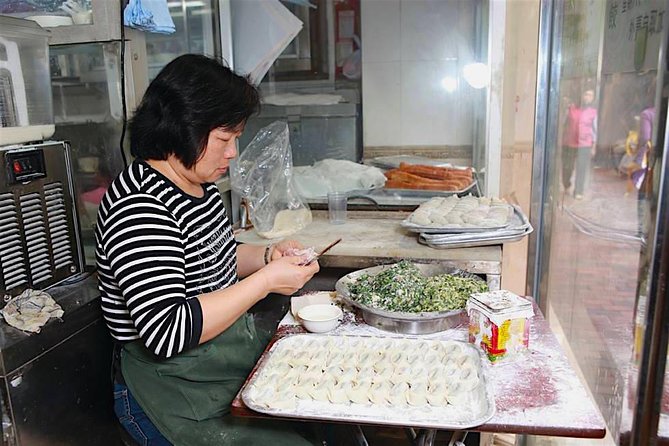
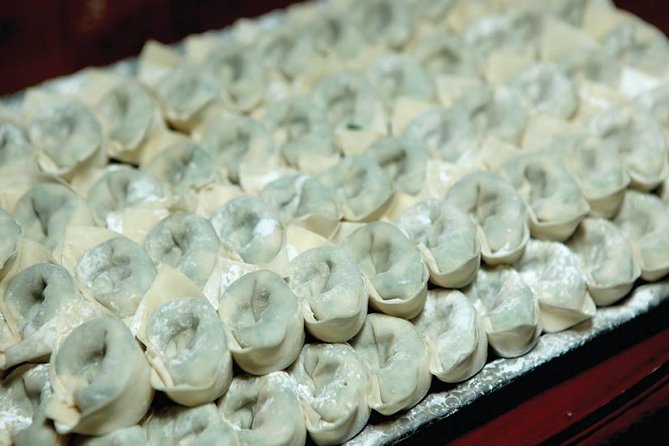
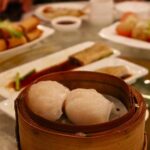
- Cheung fun (rice noodle rolls)
- Beef and egg sandwiches
- Wife cake
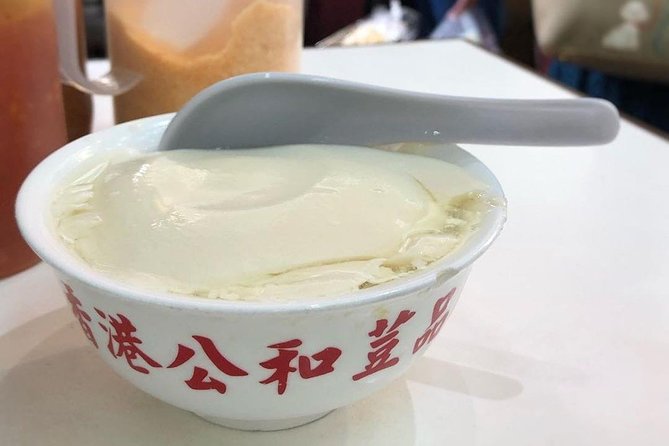
- Ong shui (dessert soup)
- Wonton noodles
- Egg tarts
- Exotic fruit
That mix is smart because it spans categories: noodles, pastries, street desserts, and quick bites. You’re not stuck eating only sweet or only savory.
The Michelin part matters too. The tour’s plan is to try for two Michelin-rated eats on every tour, and those stops tend to be the ones where the guide’s recommendations feel most “locked in.” Even if you’re not chasing awards, Michelin-rated street-style food is usually where you get consistency, good sourcing, and repeatable flavor in a place built for turnover.
One more thing: this tour isn’t designed for strict vegan diets. It says it’s not suitable for vegans, and that even if you’re vegetarian or pescatarian, you won’t be able to eat everything. So if your diet is flexible, you’ll still likely find options, but you should expect some stops to include meat or non-vegan ingredients.
Sham Shui Po: the market-start that sets the tone
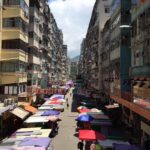
Sham Shui Po is where the tour’s mood clicks into place. It’s a district associated with everyday commerce, dense streets, and market energy that feels older than the city’s glossier districts.
You’ll likely start and spend meaningful time here before heading onward. One of the keys is that the tour uses this area to introduce you to Kowloon as something lived-in. You’re not just walking through food shops—you’re seeing the surrounding context: where people shop, where they pass time, and how the streets shape daily routine.
From a food perspective, this is often where you’ll find classic street snacks and noodle-style comfort foods. From a tour perspective, it’s also where the guide can set expectations about the themes of the evening: housing pressure, social realities, and why Kowloon has a different texture than places like Central.

Mongkok: neon markets and fast-moving appetite
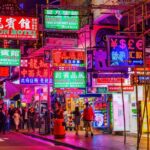
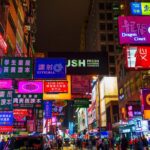
Next comes Mongkok, famous for shopping, markets, and neon-lit streets. This is one of the most densely populated areas in the world, and you feel it immediately when you’re walking through it—people, signs, and stalls stacking up in every direction.
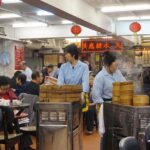
For your tour experience, Mongkok is useful because it’s high-density food territory. That means the guide can keep food stops frequent without needing huge detours. You’ll also get a taste of Kowloon’s big “market brain”: lots of small shops, lots of short lines, and lots of food that’s made to be eaten on the move.
This is also the portion where a private guide helps. In a crowded, neon-heavy place, it’s easy for self-guided wandering to become exhausting. A guide keeps you moving efficiently so you spend your energy tasting and learning, not just navigating.
Yaum Ma Tei and the fruit market history: where the tour lands
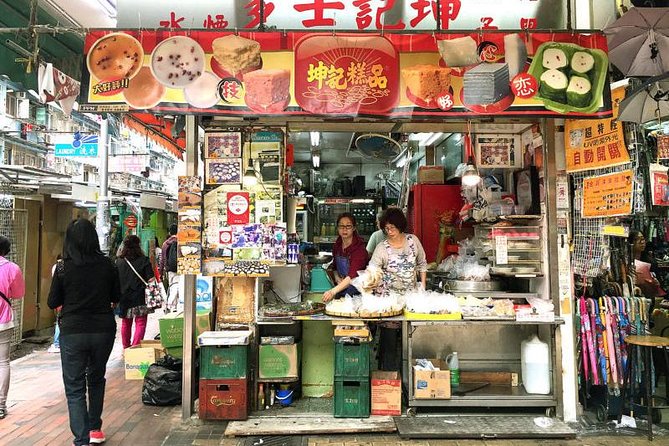
The tour ends in the Yau Ma Tei area, with the route tied to Yau Ma Tei MTR station. Yau Ma Tei tends to feel like a neighborhood you can slow down in, even during a walking tour. It has history and a slightly calmer rhythm compared with Mongkok’s constant buzz.
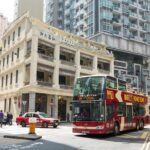
One specific landmark tied to the tour is the Wholesale Fruit Market, dating back to 1913. You’ll likely notice this because places like that are more than a photo stop—they’re a signal of how long the market system has structured local life.
Tin Hau Temple is also mentioned in the tour flow, which gives the area a cultural anchor. Even if you’re not religious, it helps ground what you’ve been eating in the place those snacks come from.
The culture talk: housing crisis, triads, prostitution, and grey markets
This tour doesn’t treat food like a bubble. It connects the plates you eat to the pressure and contradictions people face.
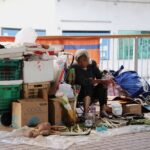
The guide is set up to talk about the housing crisis, which is one of those topics that can sound abstract until someone frames it through daily routine: where people live, how neighborhoods change, and what it means to grow up or work in Kowloon.
The tour also explicitly sets the expectation that the route may cover darker topics like triads, prostitution, and grey markets. That doesn’t mean the tour is trying to shock you. It means the guide may explain the “why” behind certain street scenes and the social systems operating around markets and nightlife.
If you want a food tour that only focuses on flavors and polite small talk, this may feel too real. If you want to understand Hong Kong as it’s experienced by people who live there, it’s one of the strongest parts of the value.
Guide quality is the real secret sauce (Kiyo, Sinclair, Mel)
A private tour lives or dies by the guide, and the experiences tied to this one are consistently about personality and flow. I like that guides such as Kiyo, Sinclair, and Mel are repeatedly described as fun, friendly, and able to connect food choices to local history and culture.
That matters for your day because street food can be intimidating if you don’t know what to order or how to eat it. A good guide also keeps the tour moving at a pace that feels human. One highlight from the experience notes is that there’s enough walking to feel like a neighborhood journey, but not so much that you’re wrecked by the end—especially because you’re also using the MTR.
In short: this tour isn’t just about consuming dishes. It’s about learning how Kowloon works while you’re eating in the middle of it.
Food rules to know before you go
This is the part that saves your trip.
- If you’re vegan, this tour is not suitable.
- If you’re vegetarian or pescatarian, you won’t be able to eat everything on the route.
- It’s a walking tour even if you choose hotel pick-up in the longer version.
So when you book, think about your comfort with shared plates, sauces, and menu items that might not be “tourist friendly.” If you’re unsure, message the operator before you go and ask what kinds of substitutions might be possible—but don’t expect it to become a fully vegan-friendly itinerary on the spot.
Who should book this private Kowloon street-food tour
Book it if you:
- Want real street food across 7 to 9 stops
- Like markets and busy neighborhoods more than museum afternoons
- Enjoy food plus context, including tough topics like housing stress
- Prefer a private guide who can adapt to your pace and interests
Skip it if you:
- Have walking limitations (this isn’t built for that)
- Need a vegan-only plan
- Want a purely light, non-political tour that avoids social realities
This is also a solid choice for couples and small groups who don’t want to split attention with strangers in a group tour. You can ask more questions, and the guide can keep your route practical instead of rigid.
Should you book? My quick call
If you’re aiming for a Hong Kong experience that goes past Central postcard scenes, I think you should book this. The combination of private pacing, a serious food structure with Michelin-rated targets, and neighborhood context in Sham Shui Po, Mongkok, and Yau Ma Tei makes it feel like value you can actually taste.
But be honest with yourself about two things: you must be comfortable with a fair amount of walking and you should be ready for the tour to address darker street realities. If that fits your style, this is the kind of outing that leaves you with both full stomachs and a better mental map of Kowloon.
FAQ
FAQ
How long is the tour?
The standard tour runs about 4 hours. There’s also a 5-hour option if you book with hotel pick-up.
Where does the tour start and end?
It starts in Sham Shui Po and ends in Yau Ma Tei, with the tour finishing near Yau Ma Tei MTR station.
Is hotel pick-up included?
Hotel pick-up is not included in the standard 4-hour version. If you want pick-up, you need to book the 5-hour option that includes it. Even then, it remains a walking tour.
Is this tour mainly walking?
Yes. It’s designed as a walking tour, and it may still involve some transit even if you use hotel pick-up.
How many food stops will I visit?
You’ll have between 7 and 9 food stops, with the guide aiming to include two Michelin-rated eats.
What kind of foods will I try?
The tour may include items such as cheung fun, beef and egg sandwiches, wife cake, ong shui, wonton noodles, egg tarts, and exotic fruits.
Is the tour suitable for vegans?
No. The tour is not suitable for vegans, and vegetarians or pescatarians may not be able to eat everything.
What is the minimum age?
The minimum age is 12 years, though younger participants may be allowed at the guide’s discretion.
What is the tour’s theme?
It focuses on the “darker” side of Kowloon, including topics like poverty, triads, prostitution, and grey markets, along with discussion of the housing crisis.
-400x300.jpg)