REVIEW · SHANGHAI
Shanghai: 3-Hour Old Shanghai City Tour
Book on GetYourGuide →Operated by Shanghai Guided Tours · Bookable on GetYourGuide
Old Shanghai meets new nightlife in three hours. This compact walk ties together Yuyuan Garden (the classic private-garden start) with a sharp shift to Xintiandi in the old Shikumen lanes, where the vibe turns modern fast. I especially like the way the route mixes photogenic sights with real daily scenes, not just landmark stops.
I also like the human details: you’ll pass through old-town bazaar streets and linger where elderly residents play cards right on street corners. Add a stop for tea tasting, and suddenly the tour feels more like Shanghai life than a checklist.
One consideration: this is mostly on foot, and Yu Garden entry tickets are not included (and there’s no hotel pickup), so you’ll want to plan your arrival and ticket timing carefully.
In This Review
- Key points that matter
- Yuyuan Garden: the classic start that sets the tone
- Old-town bazaar lanes: where daily life shows up
- The card games and little shops: culture you can actually see
- Xintiandi and Shikumen: where the city rewrites itself
- Tea tasting: small included perk, big payoff
- English guide support: stories that connect the dots
- Price and value: is $75 fair for three hours?
- Meeting point at Renaissance Shanghai Yu Garden: easy start, no pickup
- Timing, pace, and what to do with the remaining hours
- Who this tour fits best (and who might prefer something else)
- Should you book the Shanghai Old Shanghai City Tour?
- FAQ
- FAQ
- How long is the Old Shanghai City Tour?
- What is included in the price?
- Are Yu Garden entrance tickets included?
- Where does the tour meet?
- Is hotel pickup or drop-off included?
- What language is the tour guide?
- Do I need to bring anything?
- Is the tour suitable for people with mobility impairments?
- What’s the cancellation policy?
Key points that matter
- Yuyuan Garden first for the classic garden intro before the city changes gears
- Tea tasting included with a guide who explains what you’re tasting
- Old bazaar streets + card-playing corners for everyday Shanghai texture
- Xintiandi and Shikumen lanes to see the old-French-Concession area’s makeover
- English-speaking guides (you may be paired with Tom, Mary, Roy, Julie, or Mark) who share context
- Comfortable shoes are required since the pacing is walking-heavy
Yuyuan Garden: the classic start that sets the tone
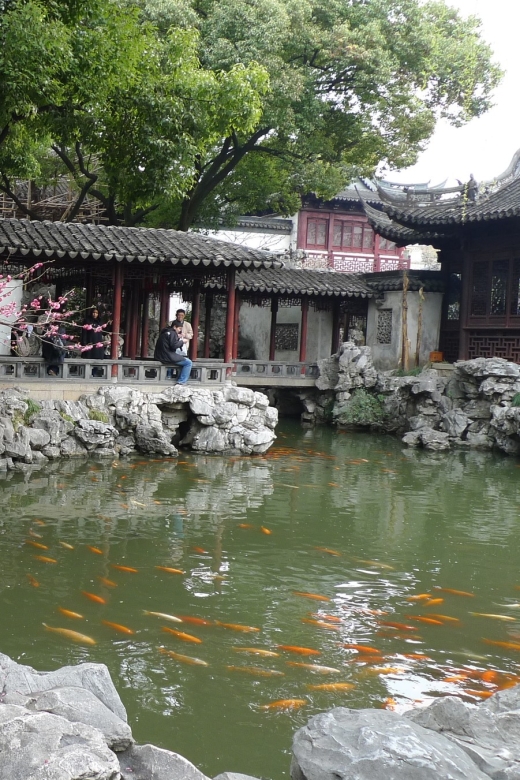
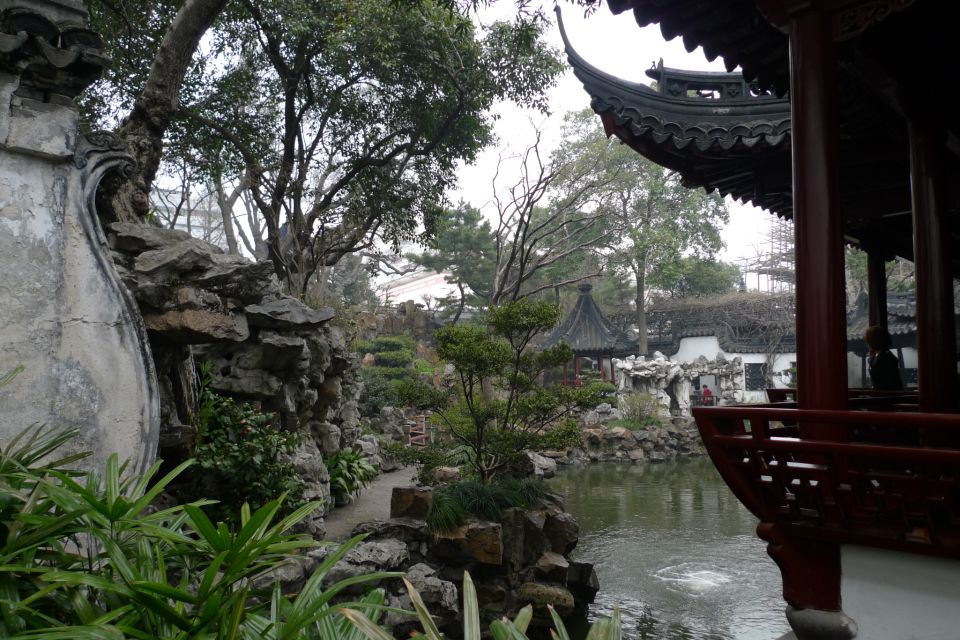
The tour kicks off at the Renaissance Shanghai Yu Garden Hotel on South HeNan Road, and it makes smart sense to begin with Yuyuan Garden. It’s one of Shanghai’s best-known private gardens, famous for the traditional layout—paths, ponds, and framed views—so you start with a calm, carefully designed Shanghai mood before stepping into louder streets.
What I like here is the contrast. Many city tours rush straight to the busiest shopping streets. This one starts with a garden intro, which gives you a baseline for what people are building and protecting when they say they love tradition.
Do note: the garden’s entrance ticket is not included in the tour price, so budget time to buy it. Also, if you’re the type who likes to linger, try to move at a steady pace so you still enjoy the later neighborhoods without feeling rushed.
You can also read our reviews of more tours and experiences in Shanghai.



Old-town bazaar lanes: where daily life shows up
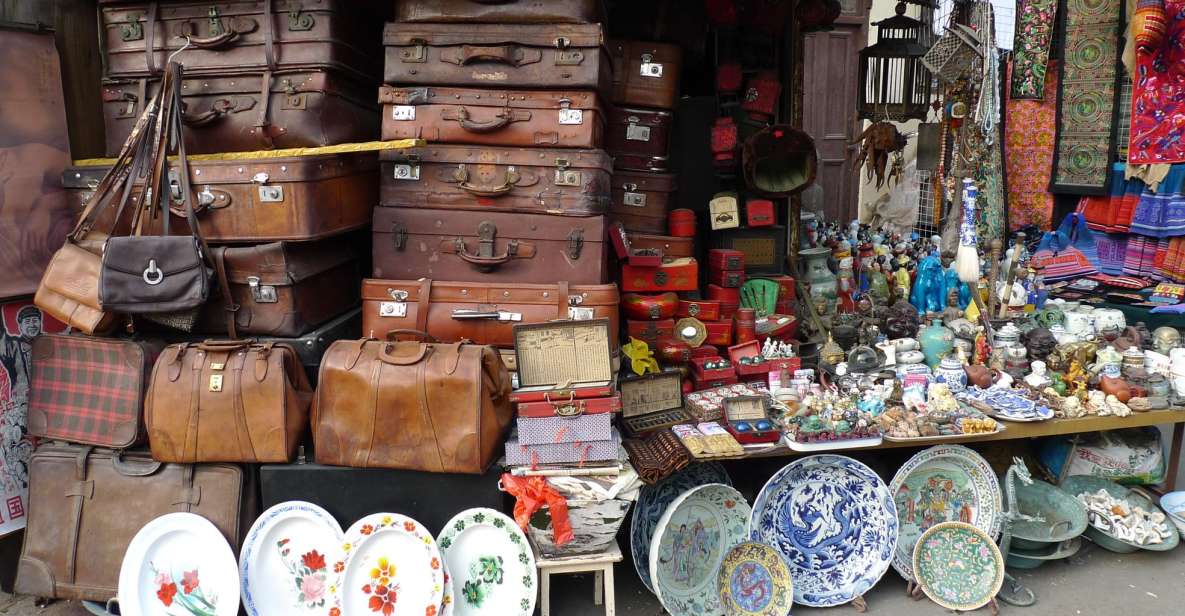
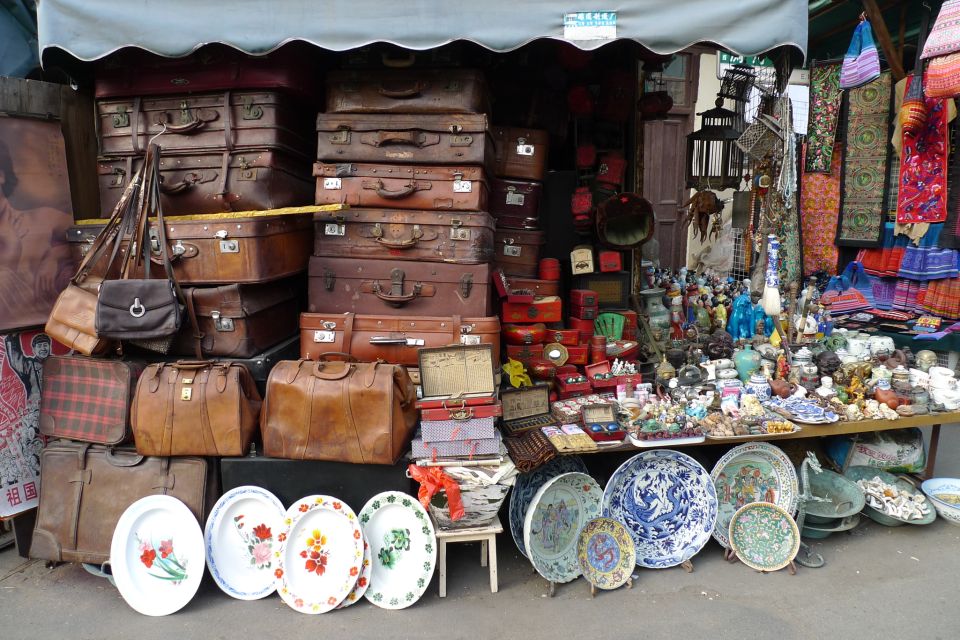
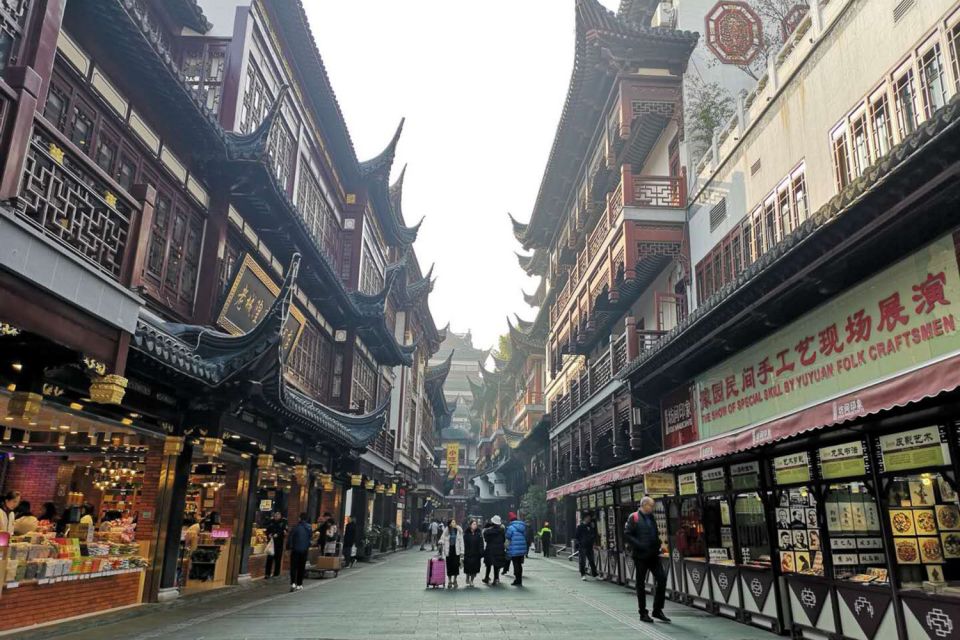
After the garden, the tour heads into old-town bazaar streets and nearby lanes where the city feels lived-in. You’ll see small family-owned shops, tight streets, and that satisfying sense of everyday commerce—people running errands, bargaining, chatting, and browsing.
The most memorable part for me is the street-level social life. The route includes lively spots where elderly residents play cards on street corners, the kind of scene that’s hard to capture from photos or from train windows. It’s not staged; it’s just how life happens when you’re walking through the right blocks at the right time.
One practical thought: these lanes can be busy and narrow. Go in with comfortable shoes and a calm pace. If you’re quick to get annoyed by crowds, keep your expectations realistic—this is a walk through real neighborhoods, not a staged attraction route.
The card games and little shops: culture you can actually see
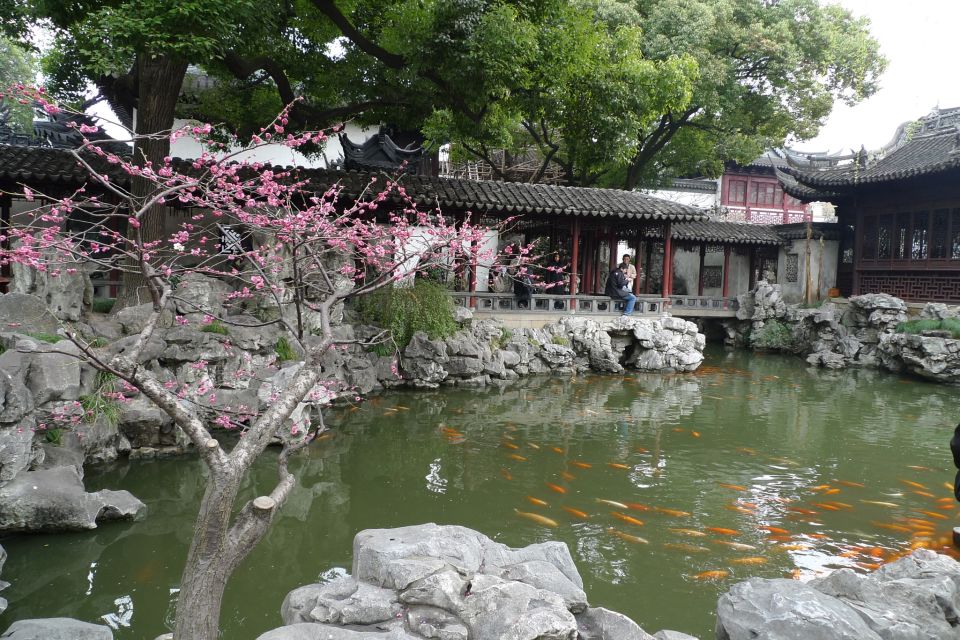
These “small” moments are the whole point of an old Shanghai tour done well. A garden can tell you what the city looked like on paper. Streets tell you how the city feels today.
When your guide talks about what you’re seeing—why card games happen in public, why certain shop types cluster in the bazaar—you start to understand Shanghai as a place that keeps moving while still carrying habits forward. In past tour experiences, guides like Tom and Mary have been especially strong on background stories and connecting what you see to broader Chinese culture.
If you’re traveling with an open mind, you’ll enjoy these stops more than another photo stop. And if you like asking questions, this is a good route for it, because the scenery naturally sparks them.
Xintiandi and Shikumen: where the city rewrites itself
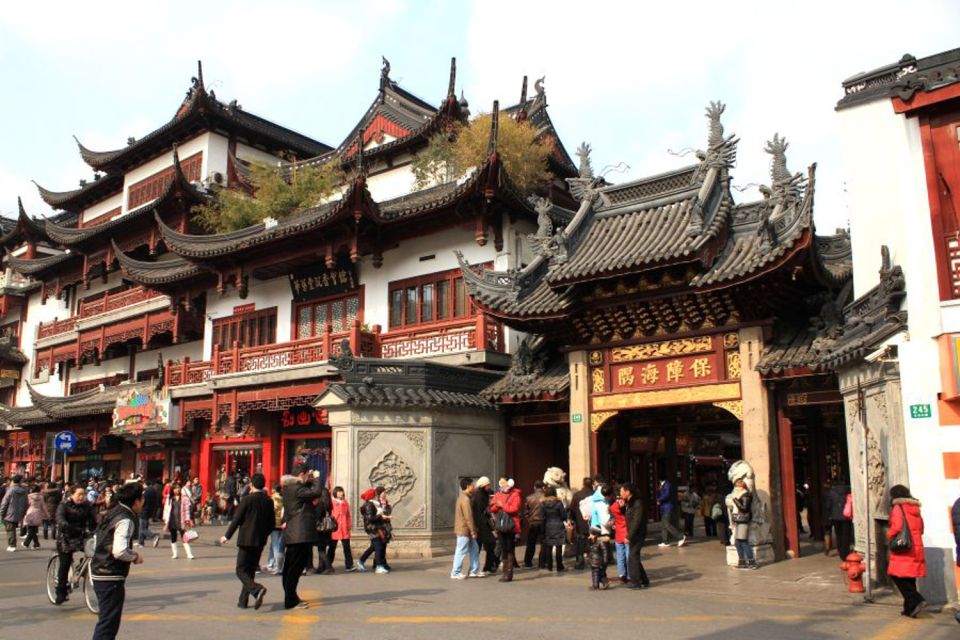
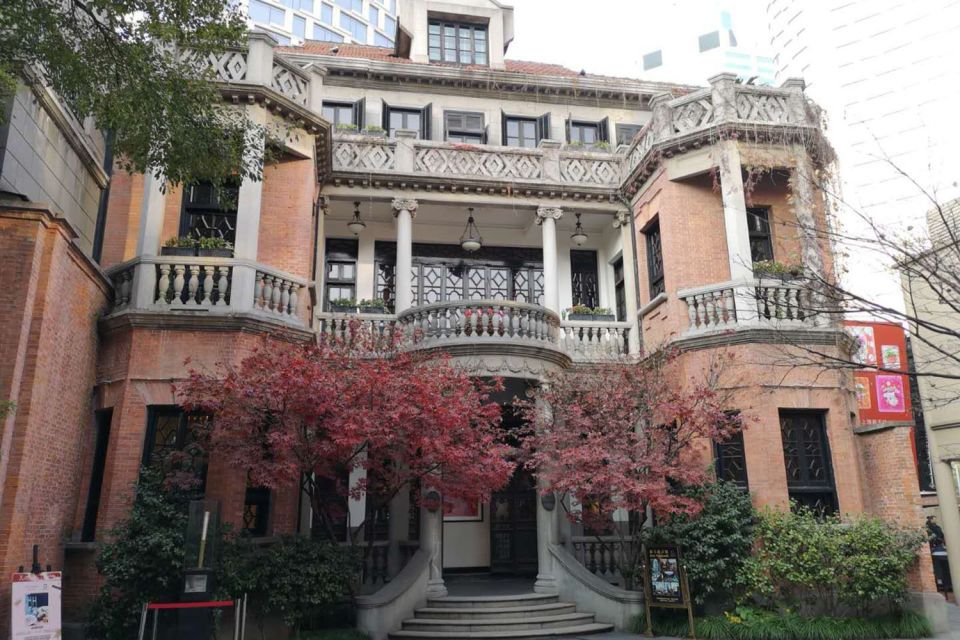
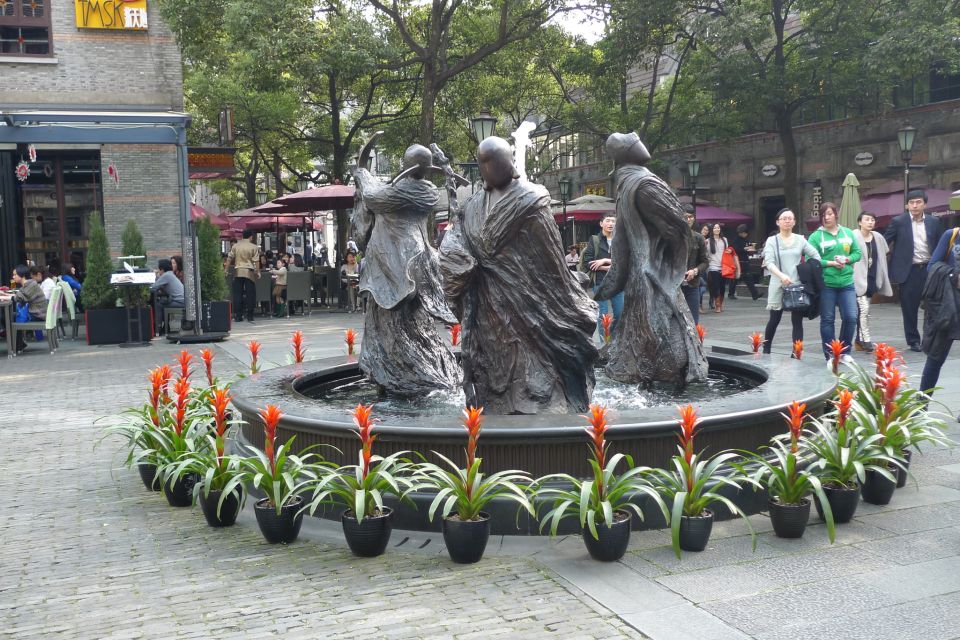
Then the tour makes its most noticeable shift: you reach Xintiandi, the trendy entertainment district built in and around the former Shikumen area. In plain terms, this is where old-style shophouse lanes get polished for modern visitors—antique charm on the outside, contemporary shopping and dining on the inside.
The former French Concession context matters. Shanghai’s different neighborhoods grew under different influences, and Xintiandi is one of the clearest examples of the city’s makeover. One guide (Roy) is known for walking people through this transformation and helping visitors understand what changed over the last couple of decades and why the neighborhood now feels cosmopolitan.
Here’s the tradeoff you should know: Xintiandi is more “experience district” than “everyday street life.” You’ll still get atmosphere, but it’s less about watching neighbors and more about enjoying dining, bars, boutique shopping, and nightlife-style energy.
If you time it right, the contrast can be genuinely fun: garden quiet, bazaar street texture, then a slick evening-district scene where you can picture Shanghai as a global city.
Tea tasting: small included perk, big payoff
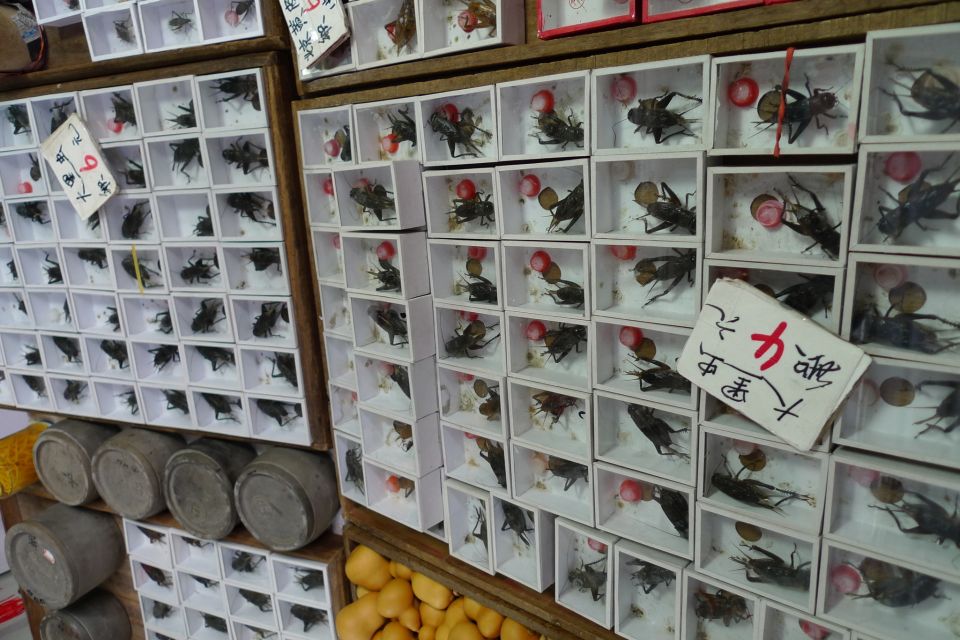
A complimentary tea tasting is built into the tour, and it’s a smart inclusion for a few reasons. First, it breaks the walking rhythm. Second, it gives your guide a way to explain culture beyond architecture and street scenes.
In other similar city walks, I’ve found that tea talk becomes your shortcut to understanding how people think about ritual and everyday customs. This tour follows that same approach. Guides have also offered language tips during the walk—one tour experience included teaching a few Chinese words that helped travelers feel more confident navigating the city.
If you’re a tea person, you’ll enjoy it as a snack-stop. If you’re not, you still get something valuable: a little cultural framing that makes the rest of the sights easier to interpret.





English guide support: stories that connect the dots
This tour’s value rises fast when the guide does more than point. The tour includes an English-speaking local guide, and several named guides from past tours show a pattern: they share stories, background context, and practical tips.
Tom is highlighted for answering questions and steering people toward good restaurant ideas. Mary is noted for giving strong background information and telling stories behind what you’re seeing. Roy stands out for connecting Shanghai’s transformation to daily impressions. Even if you don’t catch a specific guide, the consistent theme is clear: you get explanations that help your eyes work better.
One more practical perk from the guide style: food recommendations. If you’re hungry afterward, you’ll likely leave with a stronger idea of what to eat—one experience mentioned dumplings as a must-try, with a suggestion that actually matched the area’s character.
Price and value: is $75 fair for three hours?
At $75 per person for a roughly three-hour walking tour, the price is competitive for Shanghai, especially because it includes an English-speaking guide and the tea tasting. The main thing not included is Yu Garden entrance tickets, plus food and drinks, so you’re not getting a totally all-in day pass.
Still, the value comes from how the stops connect:
- You get Yuyuan Garden as your grounding point
- You get the bazaar and street life portion that most short tours skip
- You get the Xintiandi/Shikumen shift that shows Shanghai’s “then vs. now” story in one outing
If you were to do this on your own, you’d spend time figuring routes, figuring context, and deciding where to stop. A good guide compresses that learning curve into a short, walkable window.
I’d call this a good deal if you want a first orientation to Shanghai—especially if it’s your first visit or you’re short on time.
Meeting point at Renaissance Shanghai Yu Garden: easy start, no pickup
The meeting point is the Renaissance Shanghai Yu Garden Hotel at 159, South HeNan Road. There’s no hotel pickup or drop-off included, so you’ll want to get to the area under your own steam.
This is common for walking tours, but it changes how you plan. If your hotel is far away, budget extra transit time so you don’t start the tour stressed. If you’re already exploring nearby, you’ll love the convenience of beginning right in the Yu Garden zone.
Also bring comfortable shoes. The tour is not labeled as suitable for people with mobility impairments, so anyone who needs extra mobility support should look for a different format.
Timing, pace, and what to do with the remaining hours
The tour is listed as 3 hours, while the description also uses a “3.5-hour” framing. In practice, you should expect a brisk walking pace with time for stops, photos, and guide talk.
Plan your day so you’re not rushing immediately afterward. Xintiandi is a natural place to continue wandering, grabbing dinner, or shopping—so if you finish with energy, you’ll have options.
If you’re traveling during busy periods like major holidays, book early. One past experience noted a guide kept the tour running even when staffing challenges existed, which suggests the operator tries hard to keep schedules intact.
If weather turns bad or your transport runs late, you may get help adjusting the timing. In one case, a train delay led to shifting the tour by about an hour, which can matter if you’re trying to see a lot in a short window.
Who this tour fits best (and who might prefer something else)
This is a strong choice if you:
- want a fast first look at old Shanghai + modern Shanghai
- like street-level culture, not just big monuments
- want a guide to explain what you’re seeing, including tea and cultural context
- enjoy photography but also care about understanding the “why”
It may feel less ideal if you:
- have mobility limitations or fatigue issues with walking
- want a strictly ticket-included garden day with long, leisurely time inside Yu Garden
- hate crowds in narrow old-town lanes
Should you book the Shanghai Old Shanghai City Tour?
Yes—if you want an efficient introduction that covers both Shanghai’s old fabric and its modern makeover. For the money, you get more than scenery: you get context, tea, and a route that moves from classic garden design to bazaar street life to Xintiandi’s polished Shikumen blocks.
I’d book it if you’re there for the first time, or if you only have a half-day and want the “then vs now” story without planning five separate stops. Skip it only if walking is tough for you, or if you prefer a tour that includes fewer transitions and more time sitting still.
FAQ
FAQ
How long is the Old Shanghai City Tour?
The tour is listed as 3 hours, and it’s described as about a 3.5-hour experience depending on the flow of the walk.
What is included in the price?
You get an English-speaking local guide and a complimentary tea tasting.
Are Yu Garden entrance tickets included?
No. Yu Garden entrance tickets are not included, so you’ll need to purchase them separately.
Where does the tour meet?
It meets at Renaissance Shanghai Yu Garden Hotel, 159, South HeNan Road.
Is hotel pickup or drop-off included?
No. Hotel pickup and drop-off are not included, though they can be arranged for an additional cost.
What language is the tour guide?
The guide is available in English and Chinese.
Do I need to bring anything?
Wear comfortable shoes, since the tour is primarily walking.
Is the tour suitable for people with mobility impairments?
No, it’s not suitable for people with mobility impairments based on the activity notes provided.
What’s the cancellation policy?
You can cancel up to 24 hours in advance for a full refund.