REVIEW · XI AN
Xi’an: Terra-Cotta Warriors Entry with Optional Guide
Book on GetYourGuide →Operated by Andy's private china tours · Bookable on GetYourGuide
The Terracotta Warriors still feel unreal. This Xi’an outing gets you to one of China’s biggest museum moments with either a guided intro or a self-guided run, plus ticket booking support. I like that it’s built for independent travelers too—you can follow your own pace without giving up a smooth plan.
Two things I really like: the advance ticket + booking service help, and the option for a private car transfer that keeps your time in Xi’an from turning into transportation stress. One thing to consider: if you choose the self-guided option, you’ll want to go in knowing you’ll get less on-the-spot explanation than with the guided version.
In This Review
- Key things to know before you go
- Xi’an’s Terracotta Warriors: why this visit feels different
- Guided versus self-guided: which style fits your brain?
- Inside the Terracotta Army Museum: what to look for during your 2.5 hours
- Pits and scale (No. 1 pit is the big anchor)
- Facial expressions and “mission focus”
- Discovered in 1974, now back in China
- Your pacing plan: how to get value from a 2–7 hour window
- Getting there in Xi’an: private car comfort without the hassle
- Price and value: what $188 covers and why it can be fair
- Who should book this Terracotta Warriors option?
- Practical tips to make the most of your visit
- Should you book this? My honest decision guide
- FAQ
- How long is the Terracotta Warriors experience?
- Is there an option for a guided tour?
- Does the price include museum entry?
- Do I get transportation in Xi’an?
- Is the tour private?
- What languages are available for the guide?
- Is the experience wheelchair accessible?
Key things to know before you go
- Advance entry and booking support reduce the biggest headache for this site: getting in on the right day
- Two touring styles: English local guide or 2.5-hour self-guided visit
- Private transport option can save time and keep you out of shuffle-mode in Xi’an
- Museum highlights are structured around the pits and the Qin-era formation facing east
- Shorter than a full-day tour: ideal when you want one “must-see” without eating the whole day
Xi’an’s Terracotta Warriors: why this visit feels different
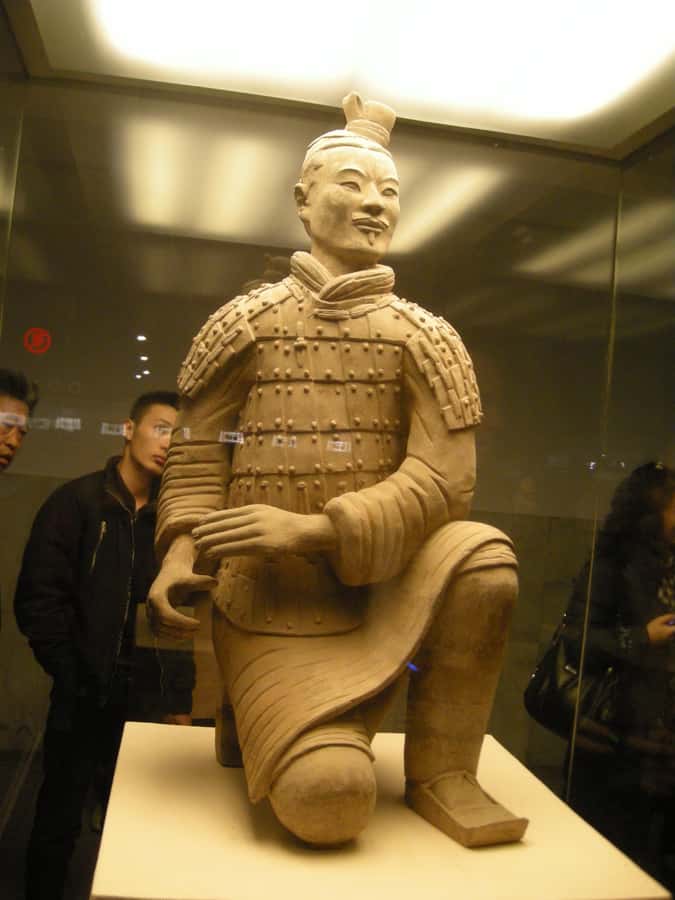
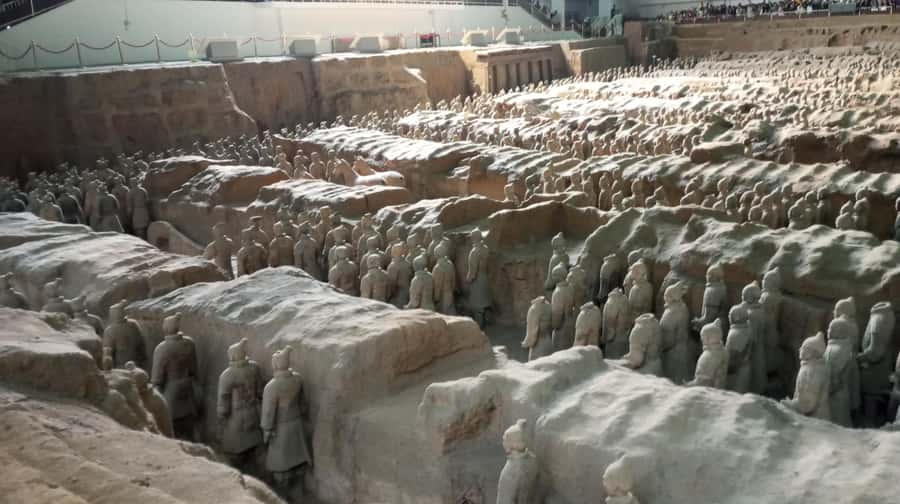
Xi’an is the former seat of Chinese emperors across more than ten dynasties, for roughly a thousand years. The Terracotta Warriors connect that long timeline to one specific moment: the Qin ruler who unified China. When you see the site laid out as a command formation, it’s easier to grasp how huge the ambition was—thousands of life-size soldiers, not a few statues for decoration.
What makes the experience click for most people is the scale and the staging. The museum area displays the soldiers and horses as part of a battle formation. They face east, and the expressions are not identical—each figure is meant to look determined and focused on a mission. That tiny detail matters. If you treat this as a “photo stop,” you miss the part where the figures read almost like a living scene.
Also, it’s not just one room and done. The warriors are organized around multiple pits. The largest is No. 1 pit, with more than 6,000 clay warriors and horses in 11 corridors that are about three meters deep. That layout gives you a sense of discovery too, because the pits are where the story became real to the world.
You can also read our reviews of more tours and experiences in Xi An.



Guided versus self-guided: which style fits your brain?
This experience gives you a straightforward choice: go with an English-speaking local guide, or keep it independent for a 2.5-hour visit.
With a guide, you get context while you’re looking. The site can feel overwhelming fast: you see rows of figures, you want to understand what you’re seeing, and the guide helps you connect the dots between the pits and what each formation represents. One review highlighted a tour guide who was both welcoming and easy to follow—exactly what you want when you’re dealing with a large museum space and limited time.
Self-guided works best if you already like museums and can handle reading your way through. You’ll still see the main exhibition and get time to linger on the faces and ranks. The trade-off is that you may spend longer trying to figure out what matters most in each area, rather than learning it on the spot.
My practical take: if this is your first time seeing the Terracotta Warriors, choose the guided option. If you’ve done a lot of museum reading already and want control of pacing, self-guided is a solid fit.
Inside the Terracotta Army Museum: what to look for during your 2.5 hours
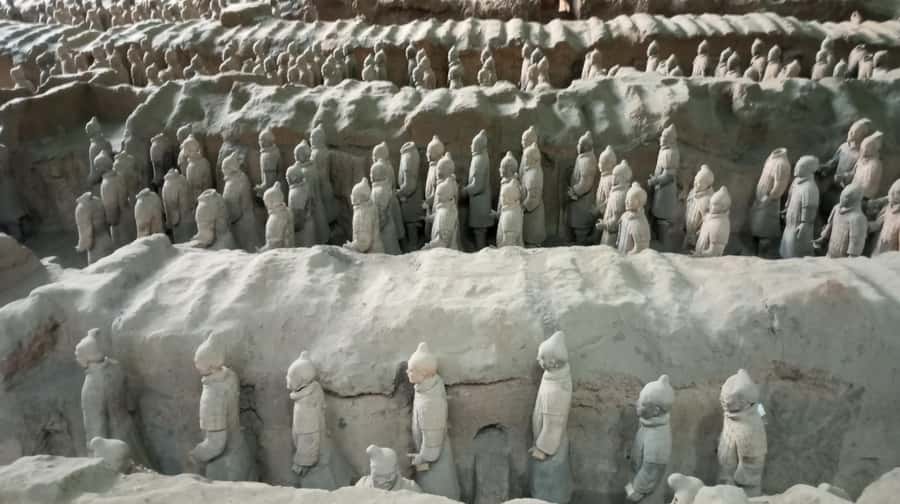
Your main stop is the Terracotta Warriors and Horses Museum, and the key is to treat your visit like a tour of three ideas: the pits, the craftsmanship, and the story of unification.
Pits and scale (No. 1 pit is the big anchor)
The site is organized so you can understand that these are not random finds. There are three pits, and No. 1 is the largest. It contains more than 6,000 clay warriors and horses arranged across 11 three-meter-deep corridors. That “corridor” detail helps. It explains why the arrangement feels like an organized battle grid rather than a scattered excavation.
If you’re short on time, prioritize what you can see that best represents the larger formation. No. 1 is usually the one that gives you the immediate wow-factor: density, repetition, and command structure all at once.
Facial expressions and “mission focus”
One of the most striking aspects of the display is that the figures face east and appear healthy and determined. The museum presentation emphasizes that the soldiers have different facial expressions. Even if you don’t have time to study each face, you can still notice that they weren’t carved as generic clones.
This is where a guide helps most. A good explanation keeps you from turning the experience into a pattern-matching exercise. Without context, you might just think, “So many soldiers.” With context, you start thinking, “This is an attempt to project order, discipline, and purpose.”


Discovered in 1974, now back in China
The warriors were discovered in 1974, and they became famous worldwide as they traveled in exhibitions from places like England and the United States to other countries. Now, the display is back in China, presented as an oblong battle formation.
That travel history is more than trivia. It helps you understand why the museum feels like it has both archaeological weight and global pop-culture status. It’s one reason the site can feel bigger than life: it’s been “seen” by the world, but you’re finally standing in the real context.
Your pacing plan: how to get value from a 2–7 hour window

The experience duration can range from 2 to 7 hours depending on the option you select. The museum time itself is listed as guided or self-guided at about 2.5 hours. That means your real decision is about what surrounds the museum visit: pickup, transport time, and whether you want more than a basic entry.
Here’s how I’d think about it as you plan your day:
- If you want a tight schedule, aim for the self-guided route or a shorter overall option. You’ll still get the entry support, and you won’t lose half a day to extra moving parts.
- If you’re okay spending more time in the area, choose the guided option to turn the visit into a clearer story.
The biggest mistake people make with major sites is spending time “wandering” without a purpose. With this format, you already have a built-in anchor: about 2.5 hours at the museum. Use that time to do two things: see the main formation and slow down for the facial differences and ranks. That’s where the figures stop being background and start feeling human.
Also, remember that this is a museum with large structures. The physical layout can influence how quickly you can take photos, rest, and move between viewpoints. If you’re prone to running out of steam, go earlier rather than late—your legs and your attention will thank you.
Getting there in Xi’an: private car comfort without the hassle
This experience is designed to reduce the time cost of getting to and from the museum. If you choose the transfer option, you get air-conditioned transport by car or minivan, and pickup/drop-off is optional.
That matters in Xi’an because museum days can eat time fast: getting tickets, finding locations, and navigating the city when you’re tired. A private vehicle helps you control your schedule, and it also makes it easier to keep your pace consistent once you arrive.
The drop-off is listed as two locations in Xi’an (Xi’An and Xi’an appear as options), so you can plan around your lodging area. If you’re trying to keep the day efficient, choose the transfer option. If you’re already close and want zero car planning, the self-guided approach can work well too.
Price and value: what $188 covers and why it can be fair
The price is listed at $188 per person, and the value depends on what you choose.
Here’s what’s included:
- If you pick the transfer option: air-conditioned car/minivan transport
- If you pick the tour option: an English-speaking local guide
- Terracotta Warriors entrance fees plus a booking services charge
What’s not included:
- Personal expenses
So you’re not just paying for a taxi and a ticket. You’re paying for the “hard part” of museum entry and the time management around it. Advance booking support is a big deal at the Terracotta Warriors, because this is one of those sites where last-minute planning can turn into frustration. When your ticket is handled as part of the package, your day becomes simpler.
For comparison, consider the cost in time as well as money. If you’re spending hours sorting entry and logistics on your own, that turns into an expensive day even if the headline price feels lower. With this setup, you pay for friction-free access and an option to add explanation through an English-speaking guide.
My advice: if your schedule is tight or you don’t want to gamble on entry logistics, the package price looks more reasonable. If you’re already traveling very flexibly and you’re close to the museum, you might lean toward the self-guided option to keep costs down.
Who should book this Terracotta Warriors option?
This is a good match if you’re:
- an independent traveler who likes structure but not constant hand-holding
- short on time in Xi’an and want one major “can’t miss” site done well
- someone who appreciates options: guided learning if you want it, self-guided freedom if you don’t
It’s also a solid choice if you want the museum experience to feel orderly. One review called out fantastic organization and an experience that was well worth it, with excellent infrastructure. That’s a big deal at a site this large: you want it to feel like a planned visit rather than a scavenger hunt.
Who might hesitate:
- If you want a very long, slow museum day with lots of extra stops beyond the core site, the format here is centered on the Terracotta Warriors museum itself. You’d likely need a different itinerary type for additional attractions.
Practical tips to make the most of your visit
A few grounded tips, based on how the experience is structured and what tends to matter at big museum sites:
- Go in with a plan for your two priorities: formation and faces. With about 2.5 hours, you’ll get the best value if you don’t split your attention too much.
- If you choose the guided option, ask the guide to help you choose which pit views and viewpoints matter most for the time you have. That keeps you from “seeing everything” and understanding nothing.
- If you choose self-guided, prepare mentally to read signage and translate the story of Qin-era unification into what you’re actually looking at. It’ll make the figures feel more meaningful.
- Wear shoes you can walk in comfortably. Large sites move you around, and you’ll probably want to reposition more than you expect.
- If you care about a smooth day flow, pick the private car transfer option. Getting to and from a major site without stress makes the museum part more enjoyable.
Accessibility is listed as wheelchair accessible, so if that matters for you, this option is designed with access in mind.
Should you book this? My honest decision guide
Book it if you want ticket help, a clear visit length, and the option to add an English-speaking guide for context. The pricing makes sense because it bundles entrance access and (if selected) transport and guide service, instead of forcing you to piece together logistics under time pressure.
I would skip or reconsider if you want a long multi-stop day with lots of extra sightseeing beyond the museum itself. This experience is built around one big anchor: the Terracotta Warriors, done well.
If you’re heading to Xi’an for the first time and you want to get your bearings fast—without turning the day into admin—this is a smart way to do it.
FAQ
How long is the Terracotta Warriors experience?
The total duration can be 2 to 7 hours, depending on the option you select. The museum visit itself is listed as about 2.5 hours for guided or self-guided time.
Is there an option for a guided tour?
Yes. You can choose an option that includes an English-speaking local guide, or an option for self-guided touring at the Terracotta Army Museum.
Does the price include museum entry?
Yes. Entrance fees for the Terracotta-Cotta Warriors and the booking services charge are included.
Do I get transportation in Xi’an?
Transportation by air-conditioned car or minivan is included if you choose the option with transfer. Pickup and drop-off are also optional depending on the option booked.
Is the tour private?
Yes, a private group is available.
What languages are available for the guide?
The experience lists Chinese and English.
Is the experience wheelchair accessible?
Yes, wheelchair accessibility is included as part of the activity details.









or-ticket-only-150x150.jpg)