REVIEW · LHASA
Tibet Tour 15 Days Lhasa to Kailash Trekking Small Group via EBC
Book on Viator →Operated by Tibet Vista · Bookable on Viator
Mount Kailash and Everest in one tight plan. This trip strings together Lhasa’s key sights, high-mountain road stops, and the spiritual challenge of the Kailash Kora in a small-group format, with permits and entrance fees handled. It also includes the practical extras that matter at altitude, like oxygen in the vehicle and airport or train transfers.
What I like most is the human side: an English-speaking Tibetan guide, with real skill at explaining what you’re seeing and keeping the day moving at a safe pace. In the feedback, the name Lhakpa Tenzin comes up again and again for calm help, safety focus, and a good sense of humor during long travel days.
One thing to consider is the sheer altitude and time on the road. You’ll be heading through passes like 5,630m on the Kailash kora route, plus long driving stretches from Lhasa toward Everest and then onward to Saga and Sakya—so this is not a slow, easy sightseeing day-after-day kind of trip.
In This Review
- Key highlights you’ll actually care about
- Lhasa first: Potala, Jokhang, and the daily rhythm of Barkhor
- The road to Shigatse: passes, glaciers, and how the day quietly builds altitude
- Everest Base Camp echo bus: sunrise at Rongbuk and the weather reality
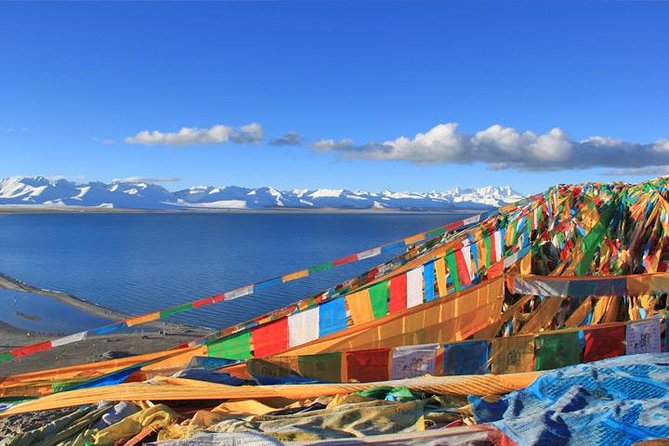
- Lake Namtso and the Saga approach: big water, big sky, and calm preparation
- Darchen to Sarshung: setting up for Mount Kailash
- Kailash Kora trekking days: Dromala Pass, teahouse rests, Mani stones
- From Kailash back to real cities: Manasarovar to Saga, then Sakya and Shigatse
- Yalong Valley return to Lhasa: incense mills and last viewpoints
- Price and value: what $2,069 really buys you
- Guide factor: why Lhakpa Tenzin changes the whole trip
- Who should book this tour, and who should pause
- Should you book this Kailash and Everest small-group trek?
- FAQ
- What permits and fees are included?
- How many people are in the group?
- Is oxygen provided for the altitude?
- What about trekking on the Kailash Kora?
- Are meals included?
- Does the tour include airport or train transfers in Lhasa?
Key highlights you’ll actually care about
Permits and entry fees included for the main sites named on the route (Tibet permits explicitly included, Chinese L visa excluded).
Small group size (max 12), which usually means fewer logistics headaches and more flexibility with questions.
Oxygen cylinder in the car (4L or 7L) plus scheduled altitude time, which matters when you’re moving fast through high passes.
Everest Base Camp echo bus + Rongbuk area sunrise potential, depending on weather.
Kailash Kora trek routing over major passes like Dromala (5,630m), with day-by-day pacing built around the circle.
Local flavor around the monasteries, from tea and Barkhor street kora to Mani stones along the holy paths.
Lhasa first: Potala, Jokhang, and the daily rhythm of Barkhor
Most first-timers hit Lhasa and feel a buzz right away. This trip starts with an arrival transfer to your hotel and then gives you space to settle in before you start climbing spiritually and physically. That’s smart, because Lhasa isn’t just a postcard city—it’s a real place with real altitude, noise, and crowds.
Day 2 is classic Lhasa power: Potala Palace (the Dalai Lama’s winter palace), then Jokhang Temple, then a walk around Barkhor Street. The value here is that you see how these sites connect: Potala is the headline, Jokhang is the living center of devotion, and Barkhor is where the city’s routines show up—pilgrims doing kora, locals shopping, and tea stops along the way.
A quick practical note: Potala and Jokhang are often busy, and the mood can shift quickly between awe and crowd-control. If you like photography, plan to go slow for a few minutes and then accept that some angles will be blocked by people and prayer cycles.
Day 3 adds the monastery mix beyond the main center. Drepung Monastery (Zhebang Si) is paired with time in Dadong Village, which you can treat as your decompress moment. Dadong is about the feel of an old Tibetan village environment, not big-ticket attractions.
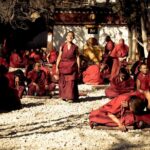
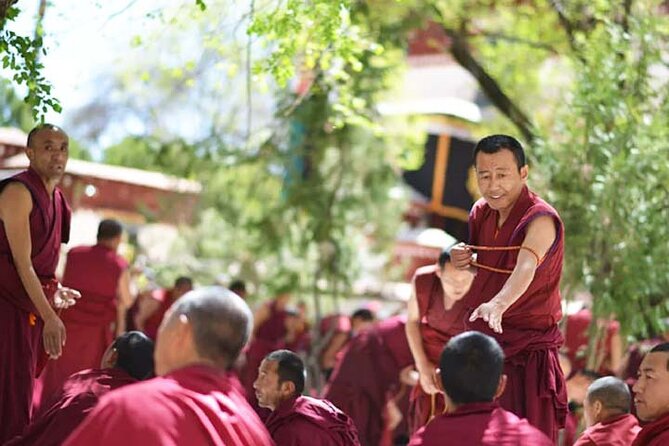
Then you head to Sera Monastery, one of the “great three” Gelug monasteries. The big moment is the monk debate window in the afternoon (often around 3–5), which gives you a live window into religious education in action. If you want the quiet version of the monastery experience, go in with a watchful pace; if you want the energy, plan your timing so you catch the debate.
You can also read our reviews of more tours and experiences in Lhasa.
The road to Shigatse: passes, glaciers, and how the day quietly builds altitude
After Lhasa’s sacred circuit, the trip turns into a long scenic-and-altitude corridor. Day 4 drives from Lhasa toward Shigatse, crossing the Gampala Pass (4,790m) with a glimpse of Yamdrok-tso (around 4,400m). High passes can feel intense, but the upside is that the drive gives you more “view time” while you’re already adjusting.
On the way, you’ll stop at the Karo La Glacier area and pass by locations like Manak Dam Lake. The route also includes a moment to hang prayer flags at Simila Mountain Pass. These little rituals are more than decoration; they’re a reminder that you’re walking through a lived spiritual geography.
In Gyantse, you’ll visit Pelkor Monastery and Kumbum (Kumbum Stupa). This is where the trip becomes more layered. Instead of only iconic palaces, you get a look at how architecture and devotion mix at smaller-city scale—often easier to appreciate without the full Lhasa crowds.
Day 5 continues the movement and then commits to the Everest corridor. You’ll visit Tashilunpo Monastery in Shigatse, then transition toward the Mt. Everest National Nature Reserve area. The drive is long and altitude climbs through Tsola Pass (4,600m), Gyatsola Pass (5,248m), and up toward views from Gawula Pass (5,198m).
The practical consideration here is simple: this is a day for patience. You’ll spend hours in the vehicle, and you’ll want to dress for temperature swings. The reward is that you’re not just arriving at Everest late—you’re already “earning” the panorama through the pass route.
Everest Base Camp echo bus: sunrise at Rongbuk and the weather reality
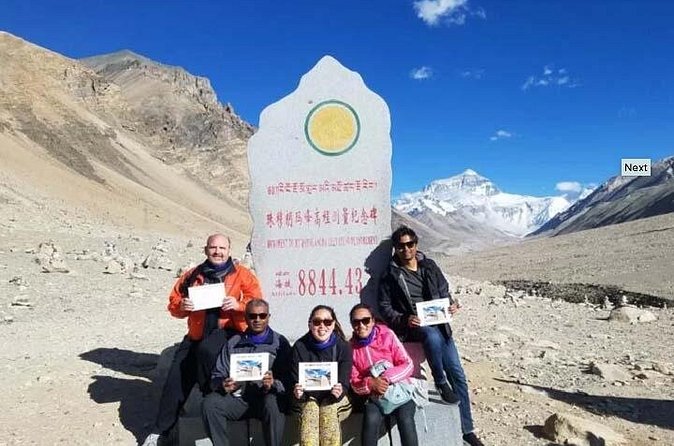
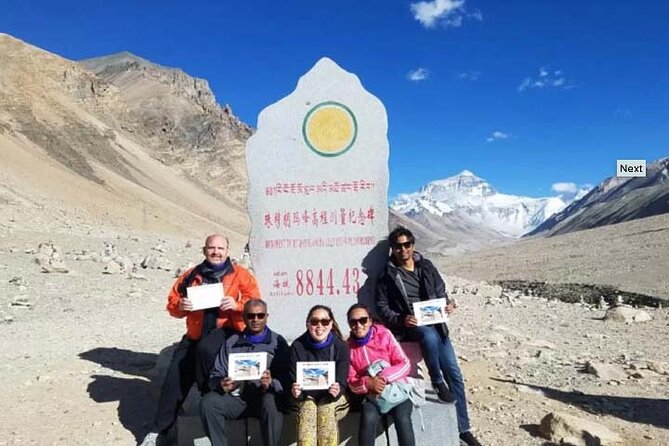
Day 6 focuses on the Rongbuk Monastery area, with a chance at sunrise over Everest Peak if weather permits. That phrase matters. In high altitude travel, fog and clouds decide what you get as much as timing does. Still, this stop is one of the most direct ways to frame Everest as more than a destination name.
From there, the route links into the wider Everest region timing—plus Everest Base Camp echo bus is included. That’s the kind of detail that sounds small until you realize how hard it is to coordinate at the last stage of access.
Then you roll onward toward Saga, with a “on the way” style of scenery mention for views like Mt. Shishapangma and Pekutso Lake. The long-distance driving portion is not glamorous, but it does two useful things: it gets you closer to Kailash logistics, and it keeps the schedule tight so you can reach the Kora circle without adding extra travel days.
Lake Namtso and the Saga approach: big water, big sky, and calm preparation
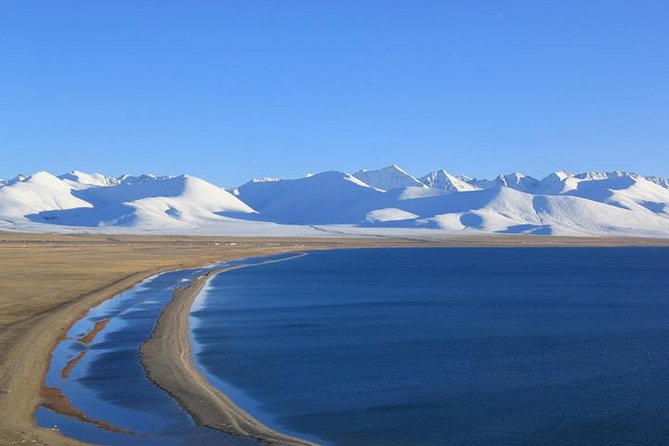
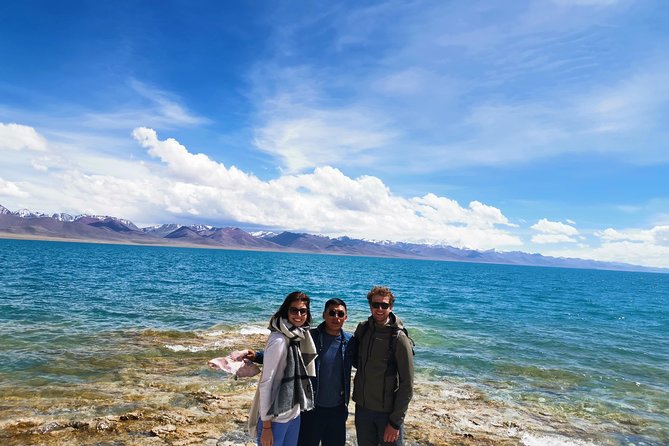
Before you reach Darchen and Kailash, you also get an overnight that focuses on Namtso (Lake Namtso is included as an included night in the overview). This is a good mid-journey change of pace after monastery days and Everest-area road time.
Day 7 shifts into the Saga valley approach, with a stop for Manasarovar Wetland views on the way to Darchen. The route also includes mention of watching the Saga valley between mountain ranges, plus glimpses of grassland and local villages. You’re starting to feel the tone change: less “heritage sightseeing,” more “sacred geography.”
Then Day 11 later returns you across Lake Manasarovar on the drive from Darchen to Saga, tying the holy-water theme together from a couple angles. That repetition helps if you like understanding a place from more than one vantage point.
Darchen to Sarshung: setting up for Mount Kailash
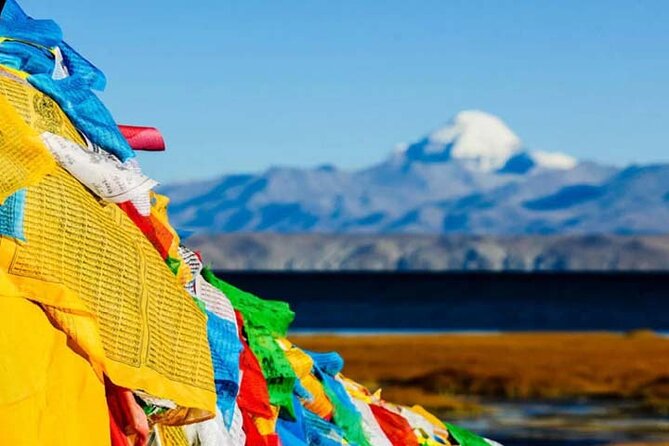
Day 8 is where the trip switches from viewing to doing. You’ll take an eco-bus from Darchen to Sarshung Valley, then meet yaks and porters at Sarshung village. One important detail: the cost of hiring yaks, horses, and porters is not included, so if you need that support, budget for it.
This day includes a full push—about 12 hours in the schedule. Expect a “get moving early” feel even if you’re not trekking yet. The main reason this day matters is that it positions you on the route correctly so you can start the Kora circle without compressing the trek too much.
Also, the Kora system is very ritual-based. You’ll want to keep your mind steady: you’re not just chasing distance, you’re joining a spiritual path that locals treat with seriousness.
Kailash Kora trekking days: Dromala Pass, teahouse rests, Mani stones
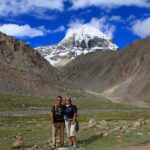
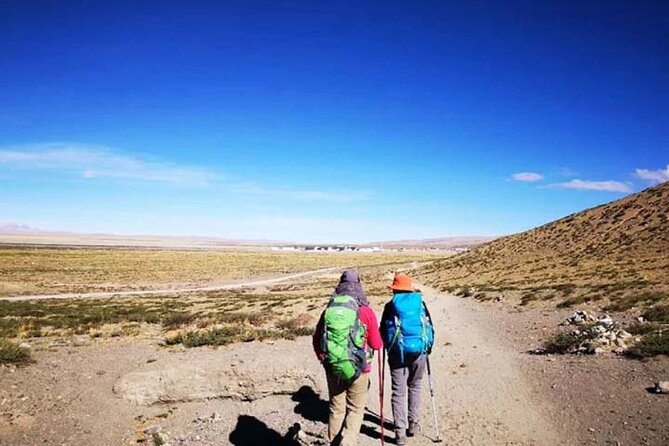
Day 9 is the high point challenge on the walking side: trekking over Dromala Pass (5,630m), with a rest stop at a teahouse along the route. The day is described with memorable details: you may see local Tibetans prostrating along the kora path, and you’ll notice Kadoe Lake along the way.
This is where you’ll feel the altitude the most. The practical move is to pace slower than you think you need. When the air thins, your breathing becomes your project, not the trail. Oxygen support in the vehicle and the overall plan help, but your personal pace still decides whether you feel okay.
Day 10 continues the Kora process. You’ll trek 7km to Zongto, where you can take a bus back to Darchen. Along the Kora, the route calls out piles of Mani stones. It’s a good day for people who enjoy repeating patterns—because the Kora is repetitive by design, and that repetition becomes calming once you settle into it.
If you’re considering whether this trek is right for you, here’s the honest way to think about it: you don’t need to be an expert hiker, but you do need to be ready for big-altitude exertion and long days.
From Kailash back to real cities: Manasarovar to Saga, then Sakya and Shigatse
After the Kora, the route turns into recovery and connection. Day 11 drives from Darchen to Saga via Lake Manasarovar. Day 12 then goes from Saga to Sakya. This section is important because it keeps you moving forward toward your return loop without adding extra detours.
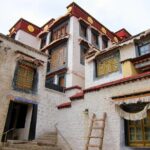
Day 13 brings Sakya Monastery into focus. The description emphasizes the town’s ancient feel and the monastery’s murals and large collections of scriptures and statues. This is the cultural counterweight to the physical Kora days: a chance to shift from breathing-hard to looking closely again.
Then you drive back toward Shigatse, which is also where your earlier monastery experience connects in your memory. It feels like Tibet answering your questions in a different dialect.
Yalong Valley return to Lhasa: incense mills and last viewpoints
Day 14 follows the Yalong Valley back toward Lhasa. You’ll have time on a viewing platform for the Yalong River bed, plus a stop involving a water mill making Tibetan incense material in summer if time allows. Even if the incense-making part doesn’t fit your specific day’s schedule, the valley drive gives you that last long look at how rivers and mountains shape daily life.
Day 15 is the finishing note: a return to the meeting point after completing the long route (more than 2,000km across the full journey). At this point, you’re usually tired in a satisfying way: you did the main “big ticket” Tibet arc, but you also walked the Kora.
Price and value: what $2,069 really buys you
At $2,069 per person, the value depends on what you’d otherwise have to organize yourself. Here, the big items included are Tibet travel permits and necessary permits (Chinese L visa excluded), plus entrance ticket fees for sites named on the route, and Everest Base Camp echo bus.
You’re also getting transportation by comfortable van or minibus with a local driver, plus pickup and drop-off in Lhasa from airport or train station. That matters in Tibet, where one missing transfer can turn your day into a scramble.
Small-group size (max 12) is another quiet value. It generally reduces wait times and makes it easier for your guide to manage pacing, questions, and logistics.
One caution about meals: the details show Lunch and Dinner in the included section, but also say all lunches and dinners are not included. Before you book, I’d ask the operator to confirm exactly which meals are covered on which days and whether you should plan for daily meal purchases.
Also, the tour price is based on double occupancy, and a single room supplement may apply. If you’re traveling solo and hate add-ons, ask early so you know the real all-in number.
Guide factor: why Lhakpa Tenzin changes the whole trip
From the feedback, the guide quality here is a standout ingredient. Lhakpa Tenzin shows up with praise for calm, safety focus, organization, and humor—plus the ability to explain what you’re seeing in a way that sticks. That’s not fluff. In Tibet, good explanations help you understand why people do things a certain way, and safety-minded guiding helps you handle altitude pacing.
The guide also plays a practical role in how you move through temples and how you manage the “wait, walk, wait” rhythm of high-demand sites. You want someone who can keep your energy steady and your plans clean.
Who should book this tour, and who should pause
This tour is a strong match if you want a guided, structured route from Lhasa to the Kailash Kora without assembling permits and transport yourself. It’s also a fit if you like mixing city heritage with real effort—temples one day, a high-altitude pass the next.
It’s less ideal if you want lots of downtime, gentle pacing, or minimal time in a vehicle. The schedule includes long driving stretches and a serious altitude profile.
It also needs planning if you have travel documents that are time-sensitive. The tour requires photocopies of passports and China L visas at least 20 days prior, and your Tibet permit paperwork is delivered after confirmation.
Should you book this Kailash and Everest small-group trek?
I’d book it if you want one organized plan that covers Lhasa’s core monuments, the Everest corridor experience, and then the Kailash Kora with a guide who keeps things safe and clear. The combination of permits + major entrances + transfers + oxygen is hard to beat if you’d otherwise pay to stitch it all together.
I’d think twice if you dislike altitude exertion or if you want full control over meals and day-by-day choices. Also, if the lunch/dinner details are unclear to you, get a written confirmation before paying—because long trips should be simple, not a puzzle.
If you’re ready for a high-altitude adventure that mixes spirituality, sightseeing, and real walking, this is a practical way to make it happen.
FAQ
What permits and fees are included?
Tibet travel permits and entrance fees are included. The Chinese L visa is not included, but the tour can provide a Chinese visa invitation letter if needed.
How many people are in the group?
This small-group tour has a maximum of 12 travelers.
Is oxygen provided for the altitude?
Yes. Oxygen cylinders are provided in the vehicle (4L or 7L).
What about trekking on the Kailash Kora?
You’ll trek on the Kora route, including a day over Dromala Pass (5,630m). There’s also a trek of about 7km to Zongto, with a bus ride back to Darchen. Yaks and porters are arranged for meeting at Sarshung, but hiring them costs extra.
Are meals included?
The details show Lunch and Dinner as included, but also state that all lunches and dinners are not included. Before booking, confirm which meals are actually covered on your dates.
Does the tour include airport or train transfers in Lhasa?
Yes. Pickup/drop-off from the airport or train station to Lhasa is included, and the tour also provides minibus transport and airport transfers as part of the service.