REVIEW · HONG KONG SAR
Private tour – Hong Kong’s major sites and history
Book on Viator →Operated by Hong Kong a la carte · Bookable on Viator
Hong Kong can feel like a magic trick—up close it’s math, money, and stories. This private 6-hour tour ties the city’s main sights to the forces that shape daily life, from geopolitics to housing. Guides like Alexandra and Stéphanie bring it to street level while you move through Central, the Peak, Sheung Wan, and across to Kowloon.
I especially love the stress-free flow of using public transport on a tight route, including the Ding Ding tram, MTR, and Star Ferry. The other big win is the way the guide turns landmarks into meaning: you’ll hear about public housing, real estate pressures, youth culture, street art, and even Feng Shui as you walk.
The one caution is that this is a walking-heavy “see a lot” day with moderate physical demands, and rain or humidity can slow things down. Also, food tasting is part of the experience, but lunch and drinks aren’t included, so plan to budget for that.
In This Review
- Key things you’ll notice on this Hong Kong major-sites day
- Central to the Peak: the day starts with purpose (not just photos)
- How the Peak Tram fast track actually helps your day
- Sheung Wan’s old town: where stories live in temples and streets
- Central’s lessons: geography and geopolitics in plain language
- Crossing to Kowloon: the harbor makes sense when you ride the ferry
- Tsim Sha Tsui: big views, but also big context
- Sham Shui Po: where the tour gets real fast
- Local food tasting: quick, real, and not an afterthought
- The guide makes the difference: Alexandra, Stéphanie, and Michel
- Getting around: public transport included, and it’s part of the point
- Timing and pacing: why 6 to 8 hours can feel like two different days
- Price and value: $314.86 per person for a private history-driven route
- Who should book this private Hong Kong major-sites tour
- Should you book this private Hong Kong major-sites tour?
- FAQ
- How long is this private Hong Kong major-sites tour?
- What’s included in the tour price?
- Is Peak Tram included, and do I get fast track access?
- What language is the tour guide?
- Is lunch or food included?
- Where do you meet, and does it end nearby?
- Can I cancel for a full refund?
Key things you’ll notice on this Hong Kong major-sites day
- Peak Tram fast track access saves time for one of the city’s most popular viewpoints
- Central-to-Kowloon route uses the right mix of tram, MTR, and ferry so you’re not stuck in transit limbo
- Old town texture in Sheung Wan with temple stops and heritage streets that are hard to stitch together alone
- Sham Shui Po context where public housing and everyday Hong Kong life become the story, not just the setting
- Street-food style tasting that feels local instead of staged
- English or French private guide who can steer the pace for families and mixed groups
Central to the Peak: the day starts with purpose (not just photos)
Meeting at Statue Square, Central, you begin in the part of Hong Kong that most people recognize first: finance, skyscrapers, and the pulse of the city. But the guide frames it early with the big picture—how geography and politics shaped the port, the economy, and the way neighborhoods grew.
This tour works best when you like explanations while you walk. Instead of rattling facts, the guide links them to what you’re seeing: why certain streets feel built for commerce, why the city layers old and new so tightly, and how the harbor connects everything from trade to identity.
I like that you don’t have to manage the “what do I do next?” headache. You follow the guide’s rhythm, and you’re moving with the city rather than pausing to fight for your own bearings.
You can also read our reviews of more tours and experiences in Hong Kong SAR.

How the Peak Tram fast track actually helps your day
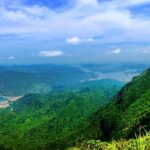
Victoria Peak is the obvious highlight, but the real value here is the Peak Tram fast track access. Even if you’ve ridden it before, getting up and in without losing a chunk of your morning makes a difference. You spend more time looking, listening, and understanding what you’re seeing.
From the Peak, the guide can connect the viewpoint to the city’s structure: islands and hills, the harbor’s role, and how Hong Kong’s geography created a built environment that’s always climbing. That’s where Hong Kong starts to feel less random and more like a system.
Practical note: Peak Tram and viewpoint time can be affected by weather. If fog or rain rolls in, your guide will usually adjust pacing so the day still stays worthwhile, since timing is approximate and depends on traffic and conditions.
Sheung Wan’s old town: where stories live in temples and streets
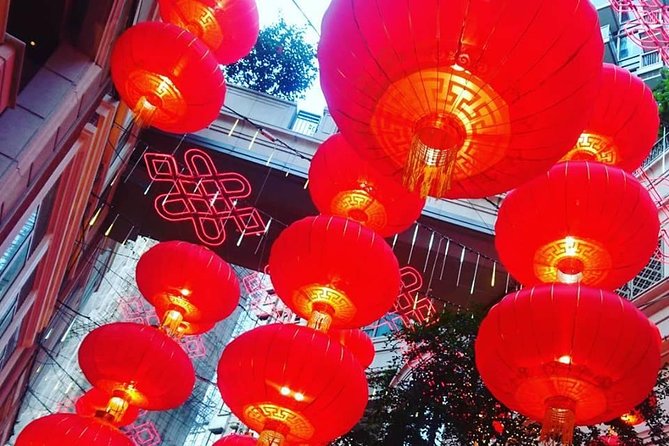
After the Peak, you shift into Sheung Wan, the old-town side of Hong Kong Island. This is where the city shows you texture—small streets, layered architecture, and religious sites that locals still treat as living parts of daily life.
One stop that stands out in guides’ routes is the Man Mo Temple. The guide can explain what the temple represents and how that ties to Chinese cultural thinking, including the practical way people handle luck and balance through Feng Shui. You’ll also get the sense of why these spaces survived while the skyline skyrocketed around them.
Hollywood Road often comes up as well—perfect for understanding how art, commerce, and tradition can share the same street. If you’ve ever felt that Hong Kong is too fast to notice details, this part slows you down in a good way.
What I appreciate: the guide doesn’t treat heritage like a museum exhibit. Instead, it becomes an entry point into how the city thinks, how families live, and how culture keeps moving even when the economy changes.
Central’s lessons: geography and geopolitics in plain language
A lot of Hong Kong tours stop at “here’s the landmark, take the picture.” This one keeps going. The guide brings in geopolitics and local context in a way that helps the whole city click.
If you like your history tied to current reality, you’re in the right place. Topics can include how the territory’s status and international relationships affect everything from business to public life. And if you’re the type who’s always wondered why Hong Kong works the way it does, this tour gives you the connecting thread.
It also helps that you’re walking through places where you can see that tension between roles: global finance side-by-side with religious practice, colonial-era traces, and neighborhoods shaped by modern constraints.
Crossing to Kowloon: the harbor makes sense when you ride the ferry
Once the route moves toward Kowloon, you’ll use classic Hong Kong transport, including Star Ferry (plus MTR and bus as needed). Riding the ferry isn’t just scenery. The guide uses the crossing to explain the harbor relationship—why Hong Kong turned into a logistics engine and how that ties into today’s identity.
Tsim Sha Tsui waterfront is a key stop area. This is where you’ll recognize the skyline, but it’s also where the guide can point out the less-obvious sides of the story: the port’s evolution, how real estate pressure changes what people can afford, and why the city’s development feels like constant decision-making.
If you’re worried you’ll spend too much time traveling, this route is built to avoid that trap. You’re moving by sensible public options, and the guide keeps you engaged during the transfers instead of treating them like downtime.


Tsim Sha Tsui: big views, but also big context
Tsim Sha Tsui can look like pure postcard territory. With a private guide, you get more than skyline angles. The guide ties what you see to the forces behind it—especially how real estate and economic change shape the daily life of different age groups.
The best part is how the explanation stays linked to your feet. As you walk the waterfront area and nearby sights, you’re getting the why behind the what: why certain zones attract specific kinds of commerce, how the city’s structure pushes people upward or inward, and why Hong Kong often feels like it’s constantly redefining itself.
This section is ideal if you’re a first-timer who wants the quick route and still wants the context to understand what you’re looking at.
Sham Shui Po: where the tour gets real fast
Sham Shui Po is the final “don’t skip this” area. It’s also the place where you see Hong Kong in a different register—one tied to public housing and the realities of a more limited budget.
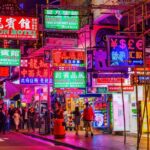
Here, the guide shifts from iconic sights to everyday systems. You can expect discussion of youth, housing conditions and constraints, and how street life develops its own styles and rhythms. Street art often comes up too, because it’s a visible way young people communicate, criticize, and claim space.
This stop can be emotionally heavier than Central or the Peak, but it’s also what makes the day feel honest. It’s the difference between visiting a place and understanding what living there can be like.
If you want Hong Kong as more than a skyline, Sham Shui Po is where the tour earns its value.
Local food tasting: quick, real, and not an afterthought
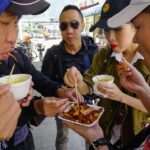
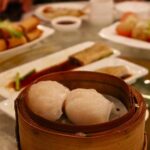
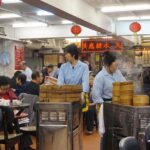
One of the highlights is the chance to taste local delights served from street-food style stalls. The tour doesn’t position it as a fancy restaurant detour; it’s about sampling the kinds of bites locals pick up while moving through their day.
Important reality check: food and drinks aren’t included, so the tasting is likely structured as small samples rather than a full meal. Still, it’s one of the best ways to build a connection to the city beyond sightseeing.
Bring an open mind, and if you have dietary needs, I’d say you should tell the guide early so they can steer tasting toward options that work for your group.
The guide makes the difference: Alexandra, Stéphanie, and Michel
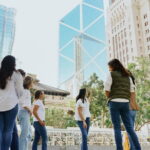
What jumps out from the guide stories is how much personality they bring to the job. Alexandra comes across as witty and highly engaged, with a talent for holding kids’ attention while still delivering substance. Stéphanie is repeatedly credited with explaining both history and current geopolitics in a way that helps you understand the city’s mindset, not just memorize dates.
Michel is also mentioned as part of multi-day guiding teams, suggesting you can get consistent, high-energy interpretation if you extend your stay.
This kind of tour isn’t only about coverage. It’s about how the guide connects the dots between neighborhoods that look unrelated at first glance.
Getting around: public transport included, and it’s part of the point
The tour includes public transport options such as bus, tramway (Ding Ding), MTR, and Star Ferry. That matters because Hong Kong’s best “feel” is tied to how locals actually move.
You’re not chauffeured around in a private bubble. You use the same systems the city runs on, which is a big part of what makes it feel authentic. If private transport is needed, it can be arranged at an extra supplement, but the standard plan keeps things efficient.
Also, you’ll have a mobile ticket, which helps with entry into any ticketed segments like Peak Tram fast track.
Timing and pacing: why 6 to 8 hours can feel like two different days
The duration is listed as 6 to 8 hours with an 8:30 am start, and timing depends on traffic and conditions. That time window matters: it’s enough to hit major Hong Kong landmarks, but it’s also long enough that you’ll want comfy shoes and a water strategy of your own.
You’ll see a lot, so the guide’s pacing becomes everything. A private guide helps here because they can slow down when you want to linger for photos or speed up if your group is ready.
Moderate physical fitness is recommended. If anyone in your group has mobility limitations, you should ask about how the route will be adapted, since walking and transfers are part of the experience.
Price and value: $314.86 per person for a private history-driven route
At $314.86 per person for a 6–8 hour private tour, this isn’t a bargain-basement option. But it isn’t priced like a luxury chauffeur day either.
Here’s where the value comes from:
- A private guide who talks through geopolitics, housing, culture, and local thinking while you move
- Peak Tram fast track access so you’re not burning time in queues
- Multiple major areas covered in one coherent route, using public transport that’s already included
- The ability to tailor the route slightly once they learn what you want to focus on
If you’re traveling with someone who likes depth—history, society, and the why behind the sights—this price starts to look more reasonable than it first seems. If you just want a quick photo sprint with no explanations, then you might find it better to spend less and do it independently.
My advice: decide based on your appetite for context, not just on cost.
Who should book this private Hong Kong major-sites tour
This tour is a great fit for:
- First-timers who want the major sights plus the human and political context behind them
- Families who want a guide who can keep kids interested without flattening the content
- People who prefer public-transport realism over sightseeing bubbles
- Travelers who like street-level Hong Kong food and culture, not only monuments
It might be less ideal if your schedule is tight, you dislike walking, or you don’t want any discussion of geopolitics and social issues.
Should you book this private Hong Kong major-sites tour?
If you want Hong Kong explained while you’re actually moving through it, I’d say book it. The combination of Central + Victoria Peak + Sheung Wan + Tsim Sha Tsui + Sham Shui Po, plus the Peak Tram fast track, gives you both the headline views and the everyday reality that most quick tours miss.
I’d pass (or switch to something shorter) only if you’re chasing a relaxed day with minimal walking, or if you’re not interested in the bigger context behind the streets. For the right traveler, this is one of the most efficient ways to understand Hong Kong beyond the skyline.
FAQ
How long is this private Hong Kong major-sites tour?
It’s listed as approximately 6 to 8 hours, depending on the time of day and traffic conditions.
What’s included in the tour price?
You get a private guide, public transportation (bus, Ding Ding tram, MTR, and Star Ferry), and taxes. Admission tickets are included, and a mobile ticket is provided.
Is Peak Tram included, and do I get fast track access?
Yes. The tour includes Victoria Peak with fast track access via Peak Tram.
What language is the tour guide?
The tour is operated in English or French.
Is lunch or food included?
Food and drinks are not included. The experience includes opportunities to taste local food from street food stalls, but you should budget for additional meals.
Where do you meet, and does it end nearby?
You start at Statue Square, Central, Hong Kong and the tour ends back at the meeting point.
Can I cancel for a full refund?
Yes, you can cancel up to 24 hours in advance for a full refund. If you cancel less than 24 hours before the start time, the amount paid won’t be refunded.