REVIEW · HONG KONG SAR
Tea Tasting & Brewing Experience
Book on Viator →Operated by Hong Kong Foodie Tour · Bookable on Viator
Tea tastes different when you learn the rules. In a focused 1.5-hour session in Wan Chai, you’ll train your senses to notice aromas and flavors, not just drink what’s put in front of you. I like that the teaching keeps things practical, with a professional-style approach to tasting and a nice set of seasonal samples.
My second big reason I’m into this: you get hands-on practice with a gaiwan, so you’re not only tasting, you’re also brewing. The host, Cecilia, comes through as friendly and passionate, and that matters because tea can feel intimidating if nobody explains what to watch for.
One thing to keep in mind: the whole experience is short. If you want a long, slow tea journey with lots of repeat brewing and deep technical homework, this 90 minutes may feel like a smart taste-and-learn intro rather than a full course.
In This Review
- Key highlights worth marking on your map
- How This 1.5-Hour Tea Tasting Feels in Wan Chai
- Tea Myths, Six Tea Categories, and the Stuff You’ll Actually Notice
- Aroma Training: Why Smell Comes Before Sip
- Brewing Your Own Cup on a Gaiwan (Without Turning It Into a Science Project)
- The Tea Set: Seasonal Premium Teas and Snack Pairing
- Cecilia’s Style: Friendly, Passionate, and Built for Engagement
- Price and Value: Is $55.11 Worth It?
- Who Should Book This Tea Tasting, and Who Might Skip It
- Should You Book This Hong Kong Tea Tasting?
- FAQ
- What is the duration of the tea tasting and brewing experience?
- Where do I meet, and does it end nearby?
- How much does it cost?
- How big is the group?
- What will I do during the session?
- Do I need anything to join, and will I get a ticket?
- What is the cancellation policy and weather policy?
Key highlights worth marking on your map
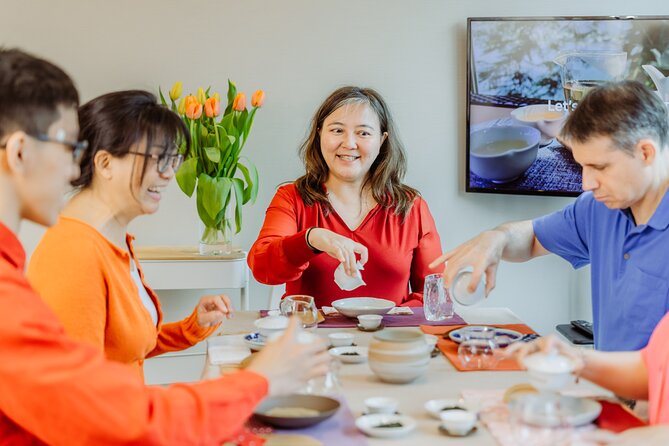
- A small group max of 6, so you can ask questions and keep up with the tasting pace
- Aroma-focused tasting, where you learn how pros think before judging by taste alone
- Gaiwan brewing practice, letting you experiment with the elements that shape a great cup
- Tea myths and facts, plus what actually makes different tea categories unique
- Seasonal premium teas with snack pairings, so you taste tea in context, not isolation
How This 1.5-Hour Tea Tasting Feels in Wan Chai
This is an easy Hong Kong activity to build into a normal day. You meet at 382 Lockhart Rd, Wan Chai, and the tour ends back at the same spot, so you’re not hunting for the end of the route. The session runs about 1 hour 30 minutes, which is a sweet length: long enough to taste multiple teas and brew your own, but not so long that you’ll lose your energy mid-way.
A major practical plus is the group size. With a maximum of 6 travelers, you’re more likely to get individual attention when you taste, smell, or ask what you’re picking up in the cup. This matters in tea because the differences can be subtle. The lesson is designed to keep you from staring at the table like, I think I taste something… maybe.
You’ll also get a mobile ticket, plus confirmation at booking time. That’s useful in Hong Kong, where you don’t want an extra paper task in your travel rhythm. The meeting point is described as near public transportation, which is exactly what you want for a short, sensory experience.
You can also read our reviews of more tours and experiences in Hong Kong SAR.



Tea Myths, Six Tea Categories, and the Stuff You’ll Actually Notice
The session starts by framing tea culture in a way that’s both fun and useful. You’ll hear facts and myths about tea, which is a smart approach because it corrects the lazy explanations people repeat. Some tea rules sound like folklore until you learn how tea changes with processing and brewing.
Then you move into the six categories of tea and what makes each one different. Even if you already have your favorites, this kind of structure helps you taste with a clearer mental map. Instead of randomly comparing cups, you’ll learn to connect aroma and flavor patterns to category differences.
What I like about this part is the way it trains attention. Tea tasting isn’t just “do you like it.” It’s more like guided observation. The host walks you through how to describe what you’re tasting, so your brain stops relying on vague words like sweet or bitter and starts noticing what’s actually happening in the cup.
Aroma Training: Why Smell Comes Before Sip
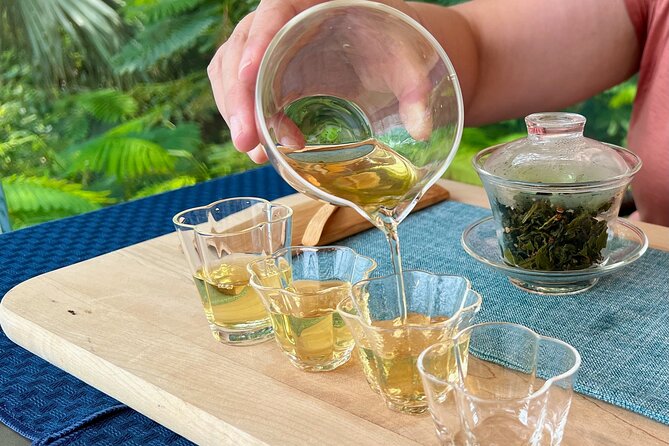
Tea tasting is almost unfair. You can’t judge tea correctly if you only rely on taste. The good news is this experience doesn’t make that mistake. You’ll explore the complex aromas and flavors as you sip and savor, and you’ll also get a glimpse of what professional tea tasters look for.
The practical takeaway: you’ll learn to slow down just enough to catch the layers. First comes the immediate scent that hits you when you bring the cup close. Then there’s the aroma that changes as the drink cools a bit. With tea, that shift can be where the real story is.
This is also where the small group format pays off. When there are only a few people, you’re more likely to hear guidance that helps you notice what the host is pointing out. And if your nose is still warming up to tea smells, that’s normal. You’re not expected to be a tea expert on day one.
Brewing Your Own Cup on a Gaiwan (Without Turning It Into a Science Project)
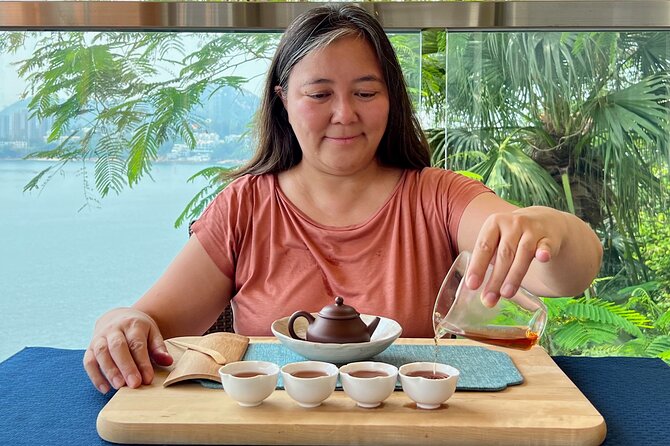
The hands-on brewing is the core of why this feels like more than a simple tasting event. You’ll brew your own tea using a gaiwan, and you’ll experiment with the crucial elements that make a great cup.
Even without getting buried in technical jargon, the lesson is built around cause and effect. Brewing isn’t only about the tea leaves. It’s also about what you do with them while you’re preparing the cup. You’ll learn what professional tea tasters pay attention to when evaluating tea, which gives you a reason behind the steps rather than random instructions to memorize.
A gaiwan setup can look intimidating if you’ve never used one. But the format here is designed for learning by doing. The host talks you through the process while you participate, and the point is not perfection. The point is understanding what changes the cup.
If you’ve ever wondered why tea that tastes amazing at one place can taste “fine” elsewhere, this is where you’ll start thinking like a taster. You’ll leave with a better sense of how brewing choices can shift the cup’s balance, aroma, and overall character.
The Tea Set: Seasonal Premium Teas and Snack Pairing
You’re not just getting one tea and moving on. The session includes a selection of premium teas chosen for the season, plus complimentary snacks to pair with what you’re tasting.
That pairing part is more valuable than it sounds. Snacks can reset your palate and change how you perceive aroma and flavor. You get the chance to taste tea in a more realistic setting than a quiet cup alone at a desk. And because the snacks are included, you don’t have to spend extra time or money figuring out what pairs well.
Seasonal selection is a nice detail because tea changes throughout the year. When you taste different samples in a single session, you also start noticing style differences that you might otherwise miss if you only drink one type of tea you already know.
The overall vibe here is “try, compare, adjust, and pay attention.” That’s a lot more satisfying than passive sipping.




Cecilia’s Style: Friendly, Passionate, and Built for Engagement
One name shows up in the consistent praise: Cecilia. The feedback emphasizes her as friendly and passionate, and it also notes that she makes tea tasting super fun and informative. That’s important because tea can be either magical or boring depending on the tone of the teacher.
A good tea teacher does two things at once. First, they keep you engaged so time flies. Second, they make the process understandable so you don’t feel lost. Based on how the session is described, that’s what Cecilia brings: clear guidance, active tasting, and a pace that doesn’t drag.
If you like workshops where you’re part of the action, this format fits. You’re tasting in sequence, brewing on your own, and getting direction from a host who clearly cares about what you’re experiencing.
Price and Value: Is $55.11 Worth It?
At $55.11 per person for about 1.5 hours, you’re paying for more than just tea. You’re paying for structured tasting instruction, hands-on brewing practice with a gaiwan, and a set of premium seasonal teas plus snack pairings.
Here’s how I think about the value:
- If you were to replicate this on your own, you’d likely buy tea, try brewing methods, and spend time learning through trial. That can get expensive fast.
- This gives you a focused lesson with feedback and a guided way to describe what you’re tasting.
- The max group size of 6 helps justify the price because it supports real interaction instead of a one-person show.
Also, the fact that this is commonly booked around 11 days in advance suggests it’s not a tour people treat as an afterthought. If tea is on your list of “must do” activities in Hong Kong, booking earlier is a smart move so you can fit it into your schedule.
Who Should Book This Tea Tasting, and Who Might Skip It
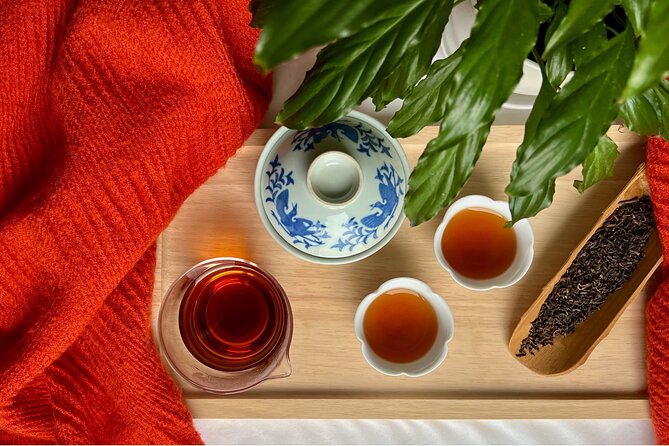
This is a great match for you if you like sensory travel. If you enjoy food tours, markets, and experiences where you learn by tasting, you’ll get a lot out of it. It’s especially good for people who have tried tea before but never learned how to evaluate it beyond personal preference.
It’s also ideal if you want something hands-on without needing prior skills. You don’t need to know tea terminology in advance. You’ll learn the categories, work with aroma, and practice with a gaiwan.
You might consider skipping if you want a long, slow tea ritual with lots of repeat brewing. This experience is designed as an intro and a tasting lesson, not an all-day tea deep dive. It’s short on purpose, and that’s part of its charm.
Should You Book This Hong Kong Tea Tasting?
I’d book it if you want a compact, high-quality way to understand tea culture in Hong Kong. The combination of aroma-focused tasting, hands-on gaiwan brewing, and seasonal premium teas (with snacks) gives you real skills, not only memories.
Book it sooner if you can, since it’s commonly reserved in advance. And if you’re sensitive to last-minute schedule changes, note that the experience requires good weather. If poor weather forces a change, you’ll be offered a different date or a full refund.
If you’re curious about tea and want a friendly guide who can turn tasting into something you can actually describe, this is a strong pick in Wan Chai.
FAQ
What is the duration of the tea tasting and brewing experience?
It runs for approximately 1 hour 30 minutes.
Where do I meet, and does it end nearby?
You meet at 382 Lockhart Rd, Wan Chai, Hong Kong, and the activity ends back at the meeting point.
How much does it cost?
The price is $55.11 per person.
How big is the group?
The experience has a maximum of 6 travelers.
What will I do during the session?
You’ll learn about tea culture and categories, taste multiple teas, and brew your own tea using a gaiwan. You’ll also get complimentary snacks.
Do I need anything to join, and will I get a ticket?
You’ll receive confirmation at booking time, and the tour uses a mobile ticket.
What is the cancellation policy and weather policy?
You can cancel for a full refund up to 24 hours in advance. The experience requires good weather; if it’s canceled due to poor weather, you’ll be offered a different date or a full refund.