Tibet is a ride you remember. This 7-day overland route strings together Lhasa’s major temples and high-altitude highlights, then hands you unforgettable views of Everest without making you juggle logistics. I like that you get a private, English-speaking local guide and a driver, plus real structure from pick-up to the final border crossing. The main thing to plan for is altitude: higher elevations can trigger sickness, so you’ll want to pace yourself and hydrate from day one.
What also works for me is the balance between culture and big scenery. You’ll spend meaningful time at places like Potala Palace, Jokhang Temple, Sera and Drepung Monasteries, and then switch gears toward lakes, passes, and Everest Base Camp. One caution: lunch, dinner, and most entrance tickets are not included, so your on-the-ground spending is not zero.
In This Review
- Key Things I’d Focus On Before You Go
- Lhasa to Kathmandu in 7 Days: What This Route Feels Like
- Day 1 in Lhasa: Airport Pickup and Getting Oriented
- Day 2 Potala Palace, Jokhang Temple, and Barkhor Street
- Day 3 Sera and Drepung Monasteries: Two Giants, Different Moods
- Day 4 Kampala Pass, Yamdrok Lake, Karola Glacier, and the Gyantse Kumbum to Shigatse
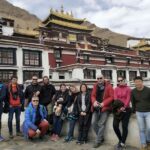
- Day 5 Tashilhunpo at Shigatse, Tingri Country, Rongphu/Rongbuk, and Everest Base Camp Night
- Day 6 Everest Sunrise and the Drive to Gyirong Town
- Day 7 Gyirong Border Crossing to Kathmandu: How the Tour Actually Ends
- Price and Logistics: What You’re Really Paying For
- Guide, Driver, and Group Style: How This Trip Keeps Moving
- Altitude, Comfort, and Real-World Tips That Actually Matter
- Who This Tour Fits Best (and Who Might Not Love It)
- Should You Book This Lhasa-to-Kathmandu Overland Tour?
- FAQ
- How long is the Lhasa to Kathmandu overland tour?
- What nights of accommodation are included?
- Are breakfasts included?
- Is there a guide and driver included?
- Is Everest Base Camp lodging included?
- Do I need to pay entrance tickets?
- Is oxygen or emergency support included?
- What about altitude sickness?
- Where does the tour end?
- What’s included for meals and water?
- Can I cancel for a full refund?
- Does the Tibet permit process differ depending on where I enter from?
Key Things I’d Focus On Before You Go
- Private driver and licensed vehicle for the whole overland stretch, so you’re not stuck figuring out transport
- 6 nights of lodging included, including one night at Everest Base Camp in a tent
- Oxygen container and casualty insurance built into the package for high-altitude risk
- Early Everest morning start, with sunrise views before heading toward Gyirong
- Permit and document handling support, with clear rules depending on whether you enter from China or Nepal
- Breakfasts included at hotels, but not on Everest morning, so plan for that change
Lhasa to Kathmandu in 7 Days: What This Route Feels Like
This is not a slow, lounge-by-the-window trip. It’s an overland sprint that trades long stays in one place for maximum variety: Lhasa temples first, then mountain passes, then Everest Base Camp, and finally the border step toward Nepal.
The big appeal is convenience. Once you’re met at the airport or train station in Lhasa, the tour handles the big moving parts: guide, transport, lodging, and key reservations (like the Potala Palace reservation fee). You can focus on seeing—while still having a safety net for emergencies with the oxygen container and insurance.
The best match is if you’re continuing onward to Nepal and want one organized path across Tibet. If you’re the type who hates schedules or wants lots of free time in each stop, this will feel fast.
You can also read our reviews of more tours and experiences in Lhasa.
Day 1 in Lhasa: Airport Pickup and Getting Oriented
Your tour starts with an airport (or train) pick up in Lhasa. Your guide meets you on arrival, escorts you to the hotel, and helps you get checked in.
This first day matters more than it sounds. Lhasa sits at high altitude, so the win is not rushing. Think of Day 1 as your buffer day: rest, drink water, and avoid heavy exertion so you’re ready for temple days that follow.
Day 2 Potala Palace, Jokhang Temple, and Barkhor Street
Potala Palace and Jokhang Temple are the two sights most people picture when they imagine Lhasa. Here, you get both, plus Barkhor Street at market time.
- Potala Palace: You’ll visit the palace complex, with the package covering the Potala Palace reservation fee. Your entrance ticket itself is not listed as included, so expect to pay separate entrance costs if required on-site.
- Jokhang Temple: This is one of Tibet’s core spiritual hubs. You’ll see it as a working place of faith, not a museum set-up.
- Barkhor Street: The stroll through Barkhor is where the city wakes up. It’s a lively market strip where you can shop for Tibetan, Nepalese, and Indian handicrafts and souvenirs.
Practical vibe check: wear layers. Temples are often cooler than you’d expect, and markets can swing from shade to sun fast.
Day 3 Sera and Drepung Monasteries: Two Giants, Different Moods
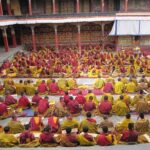
Today you visit two of the most important monasteries in Tibetan Buddhism: Sera Monastery and Drepung Monastery. These are classic “you feel small in the best way” places.
What I like about pairing them on the same day is variety. Even when monasteries share architectural themes and spiritual atmosphere, the feel on the ground can be different—so you don’t get stuck with the same experience twice.
If you’re trying to get the most out of the day, slow down in the quieter moments. Your local guide’s job here isn’t just logistics; it’s helping you connect what you’re seeing with the meaning behind it. That’s one of the strongest values in the entire package.
Day 4 Kampala Pass, Yamdrok Lake, Karola Glacier, and the Gyantse Kumbum to Shigatse
Day 4 is a full-on road day with big payoff. You’ll drive up to Kampala Pass at 4,797 meters, then head toward viewpoints of Yamdrok Lake and later stop at Karola Glacier. After that, you continue to Gyantse to see the famous Gyantse Kumbum, and then ride on to Shigatse for the night.
Here’s why this day is worth the early start:
- Yamdrok Lake viewpoints: The tour focuses on the turquoise lake views from the pass area. This is one of those “camera now, questions later” moments.
- Mt. Nyenchen Khangsar in the distance: You get long-range mountain views during the drive—useful if you want the sense of scale that Tibet does so well.
- Karola Glacier stop: Even if you’re not a glacier expert, seeing the glacier area helps you understand how high, cold, and real the mountains are.
- Gyantse Kumbum (Kumbum Monastery): The highlight here is architectural. The Kumbum is described as one of the most stunning wonders in Tibet, and it’s exactly the kind of stop that turns a travel day into a story day.
One planning note: this is a mountain-driving day. Your comfort depends on your flexibility. Bring a hat, sun protection, and something warm for vehicle stops.
Day 5 Tashilhunpo at Shigatse, Tingri Country, Rongphu/Rongbuk, and Everest Base Camp Night
Day 5 is where the itinerary turns from “Tibet highlights” into “the Everest part.” After breakfast you visit Tashilunpo Monastery, then continue via Lhatse and Tingri toward Everest Base Camp. You also stop at Rongbuk Monastery, described as the world’s highest altitude monastery, before spending the night at Everest Base Camp in a tent.
This is a key day for two reasons: altitude and expectations.
First, the road up through Tingri country gives you that wide-open, high-altitude feeling—endless grasslands and huge peaks in the distance are mentioned as part of the day. You don’t need to be a hardcore trekker to enjoy it, but you do need to stay aware of how your body’s reacting to the height.
Second, your Everest Base Camp overnight is listed as a tent. That’s not a hotel room. You’ll want to treat it like camping at high elevation, meaning warm layers and a realistic mindset about comfort. If you’re picturing a fluffy bed, adjust early.
A small practical tip I’d borrow from real-world advice: if you’re sensitive to motion or want the best viewing angle, ask your driver where the best side is for views. One practical note that came up in trip feedback was to sit on the right side if you’re choosing freely.
Day 6 Everest Sunrise and the Drive to Gyirong Town
The itinerary calls for an early Everest sunrise experience, then a drive back to the main road (318 National Highway) toward Gyirong Town.
This day is less about attractions and more about transition. Sunrise is the payoff, and then you shift into “get there safely” mode.
A realism note: the tour text says sunrise on the top of Mt. Everest, but in practice, from Base Camp you’ll be seeing sunrise in the Everest view zone, not physically standing on the summit. Either way, the goal is the same: a dramatic early look that makes all the travel time feel worth it.
The Gyirong Town overnight is your landing zone before the border step. Think warm shower if you can find one, early sleep, and hydration again.
Day 7 Gyirong Border Crossing to Kathmandu: How the Tour Actually Ends
Day 7 is early and straightforward: drive to Gyirong Port, cross the border, and your tour service ends at the border.
That matters. Even though Kathmandu appears in the trip title and day-7 wording, the included service ends at the border crossing point. Plan your onward travel from there into Nepal. Keep your documents ready and double-check what you’ll need for crossing.
If you’re continuing on the same day, build in time buffers. Border transitions can be quick or slow depending on the day’s paperwork pace.
Price and Logistics: What You’re Really Paying For
At $1,703.95 per person, this tour is priced in the category where “included logistics” matters. You’re not just paying for sightseeing. You’re paying for:
- Private transport with a driver
- A local English-speaking guide
- 6 nights accommodation across Lhasa, Shigatse, Everest Base Camp tent, and Gyirong Town
- Hotel breakfasts (with the Everest-morning exception)
- Airport/train transfers in Lhasa
- On-package safety items like casualty insurance and an oxygen container
- Bottled water: 2 bottles per person per day
- Taxes/fees/handling charges, plus the Potala Palace reservation fee
What’s not included is where you’ll need to budget carefully:
- Lunches and dinners (not specified in the itinerary)
- Entrance tickets for sightseeing places (even if a reservation fee is included for Potala)
- Tips to guide and driver (stated as not required but expected)
- Any personal expenses
- Flight/train tickets in and out of Tibet
- Single room supplement (if you want your own room)
So is it good value? For many people, yes—because you’re covering a lot that would be expensive and stressful to arrange yourself across borders, permits, long drives, and high-altitude lodging. If you’re the type who travels with confidence and prefers to DIY meals and tickets, you might pay less elsewhere. But if you want a structured path end-to-end, this price starts making sense quickly.
Guide, Driver, and Group Style: How This Trip Keeps Moving
This is a private tour/activity, so only your group participates. That helps more than people think on a high-altitude route. You can ask questions without competing with strangers, and your pace can stay more consistent.
Your guide is listed as professional English-speaking local. In trip write-ups for this operator, certain guide names show up repeatedly (like Norbu and Dawa Tsering). I can’t promise who you’ll get, but the pattern is helpful: the company clearly puts effort into selecting guides who can explain what you’re seeing, not just recite schedules.
Your driver also plays a role. On mountain highways, good driving isn’t glamorous, but it’s a big part of why tours feel smooth. Your day-to-day success here is mostly “we’re still moving safely,” not “we checked one box.”
Altitude, Comfort, and Real-World Tips That Actually Matter
Altitude is the main risk you should take seriously. The tour data specifically warns that some visitors may experience symptoms of altitude sickness due to higher elevation and recommends going slowly, resting the first day, and drinking lots of water. It also says to contact your guide immediately if symptoms are severe or worsening.
So here’s my practical approach:
- Take the first day easy even if you feel fine
- Hydrate consistently (not just when you remember)
- Avoid pushing hard for selfies at viewpoints if you start feeling off
- Tell your guide early if you feel worse, not later
Comfort is the second reality. You’ll have normal hotel nights in Lhasa and Shigatse, then a tent night at Everest Base Camp. You should also expect less-than-perfect facilities along the route. One practical note that came up in trip advice was that public washrooms can be messy and often involve squat-style setups—so bring what you need to stay comfortable.
Finally, think about camera battery life. Cold makes batteries drain faster at altitude, and you’re spending long hours outside on key days.
Who This Tour Fits Best (and Who Might Not Love It)
This works best for:
- You want culture plus Everest without planning the hard parts
- You’re continuing into Nepal and want one overland handoff
- You’re okay with long drive days and high altitude
- You value having meals and transport structured around an itinerary
It may not be your best match if:
- You want lots of downtime or extra flexible days
- You’re very sensitive to altitude and can’t pace yourself
- You expect all meals and entrances to be included in the price
If your idea of travel is slow streets and long museum afternoons, this route might feel like a sprint.
Should You Book This Lhasa-to-Kathmandu Overland Tour?
If you want a strong value package for a high-impact cross-Tibet journey, I’d say yes—with smart expectations.
Here’s the decision checklist:
- If you like the idea of temples in Lhasa, monastery stops, lakes and passes, and then Everest sunrise, the itinerary hits those points directly.
- If you prefer not to handle transport, permits, and reservation fees yourself, the included guide/driver and handling charges make this easy.
- If you’re disciplined about altitude and willing to handle a tent night at Everest Base Camp, you’ll likely enjoy the whole arc.
One bonus: this tour shows a 5-star rating with 100% recommendation in the provided feedback snapshot. That doesn’t remove risk, but it does suggest the operator is consistent with service and follow-through.
If altitude scares you or you’re not comfortable with basic overnight conditions at high elevation, consider a different route or add extra acclimatization time elsewhere.
FAQ
How long is the Lhasa to Kathmandu overland tour?
It’s listed as 7 days approximately, running from Lhasa to the Gyirong border crossing.
What nights of accommodation are included?
The package includes 6 nights total: 3 nights in Lhasa city, 1 night in Shigatse, 1 night at Everest Base Camp in a tent, and 1 night in Gyirong Town.
Are breakfasts included?
Yes. Breakfast is provided at the hotels, but there is no breakfast on Everest morning.
Is there a guide and driver included?
Yes. You get a private professional English-speaking local tour guide and a licensed vehicle with an experienced driver.
Is Everest Base Camp lodging included?
Yes. You spend one night at Everest Base Camp and it’s listed as a tent overnight.
Do I need to pay entrance tickets?
Yes. The tour includes the Potala Palace reservation fee, but all entrance tickets to sightseeing places are listed as not included.
Is oxygen or emergency support included?
Yes. The package includes an oxygen container for emergency use and Tourists Accident/Casualty Insurance.
What about altitude sickness?
The tour notes that altitude sickness can happen due to higher elevations. It recommends going slowly, resting the first day, staying very well hydrated, and contacting your guide immediately if symptoms are severe or worsening.
Where does the tour end?
Service ends at the Gyirong border (Gyirong Port). Day 7 includes the border crossing step.
What’s included for meals and water?
You get hotel breakfasts (with the Everest-morning exception). Lunch and dinner are not specified in the itinerary. You also receive 2 bottles of drinking water per person per day.
Can I cancel for a full refund?
Yes. The policy states free cancellation if you cancel up to 24 hours in advance for a full refund.
Does the Tibet permit process differ depending on where I enter from?
Yes. If you enter by plane from mainland China, the Tibet permit is delivered before you board. If you enter by train, you get a printed copy by email. If you enter Tibet from Nepal, you must get a Group Visa in the Chinese embassy in Kathmandu, and the process needs at least 3 working days.