REVIEW · LHASA
15 Days Mt Everest and Mt Kailash Kora Pilgrimage Group Tour
Book on Viator →Operated by Great Tibet Tour · Bookable on Viator
Tibet can feel like a big puzzle, and this tour is how I’d solve it without losing days to logistics. I like the practical small-group setup (max 12) and the way the trip handles the heavy paperwork and transport, so you spend energy on the places themselves. I also like that you get both worlds: classic Lhasa highlights and then the high-altitude Everest-to-Kailash arc that’s usually hard to piece together on your own.
One thing to plan for: this is not a couch-to-Kailash vacation. The itinerary crosses big passes (including Dromala Pass at 5,630m) and asks for a strong fitness level, with an early-morning Everest Base Camp moment thrown in when the weather cooperates.
If you want a ready-made route through sacred sites and big mountains, this one is built for you—just be honest about how your body handles altitude and long travel days.
In This Review
- Quick hits before you commit
- Why this 15-day Tibet loop feels easier than DIY
- Lhasa’s sacred core: Drepung, Potala, Jokhang, and Norbulingka
- The drive to Shigatse: Yamdrok Yumtso and the “holy lake” stop
- From Tashilunpo onward: Shigatse energy, then high passes toward Everest
- Everest Base Camp camping: what to expect, and what to prepare for
- Kailash Kora: trekking days that test legs and calm your mind
- Sakya, Nyemo incense workshop, and your final return to Lhasa
- Price and logistics: what $2,280 really buys
- Who should book this, and who should skip it
- Should you book it? My practical verdict
- FAQ
- What’s the tour price and group size?
- Where does the tour start and end?
- Are airport transfers included?
- What sights and activities are included in Lhasa?
- Is camping included at Everest Base Camp?
- How challenging is the Kailash Kora trek?
- What’s included for altitude and cold safety?
- Do I need a Tibet permit, and how is it handled?
- Is travel insurance included?
Quick hits before you commit
- Small group size (up to 12): easier pacing, less time waiting, and more room for questions.
- Permits and transport handled: you don’t have to stitch together the Tibet process and driving logistics yourself.
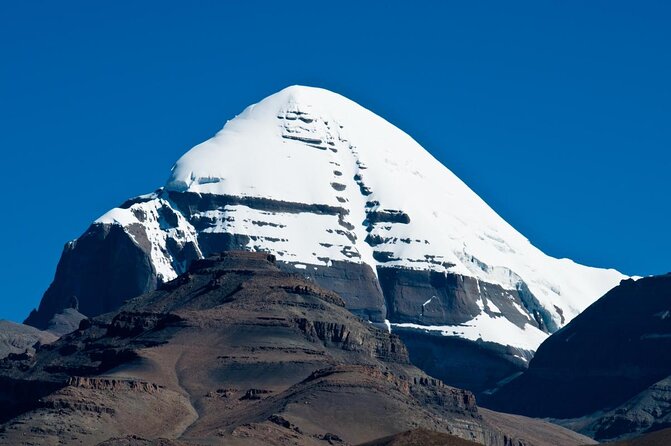
- Everest Base Camp with camping: you’re not just driving past the idea of Everest; you’re sleeping at the edge of the reserve.
- Kailash Kora trek with a high pass: the Dromala Pass day is the big physical test of the trip.
- Comfort basics included: sleeping bag, emergency oxygen tank, and daily mineral water show the tour is prepared for cold and altitude stress.
- Lots of UNESCO-area time in one circuit: Lhasa’s major monasteries plus key stops on the way to the far west.
Why this 15-day Tibet loop feels easier than DIY
The biggest value here isn’t the number of sights. It’s the fact that Tibet runs on permits, schedules, and road logistics that can swallow a vacation if you’re improvising. This tour packages the driving route from Lhasa to the northern and far western regions, using a vehicle with a travel license (with parking and gas covered). That matters because some of the time in Tibet is simply about getting from one high place to the next without chaos.
You also get a guided experience that’s structured around the way monasteries and sacred sites work on the ground: timing for entry, time for viewing, and enough breathing room to walk at a human pace. You’ll still do a lot—this is a serious itinerary—but it’s organized serious, not stressed-serious.
And yes, the tour is priced at $2,280 per person. At first glance, it’s not a bargain. Then you remember what’s actually included: accommodations ranging from hotels to guesthouses and even nomad-style tents, entrance fees, oxygen support, and transport. For many travelers, that’s the difference between making the trip happen and postponing it again.
You can also read our reviews of more tours and experiences in Lhasa.
Lhasa’s sacred core: Drepung, Potala, Jokhang, and Norbulingka
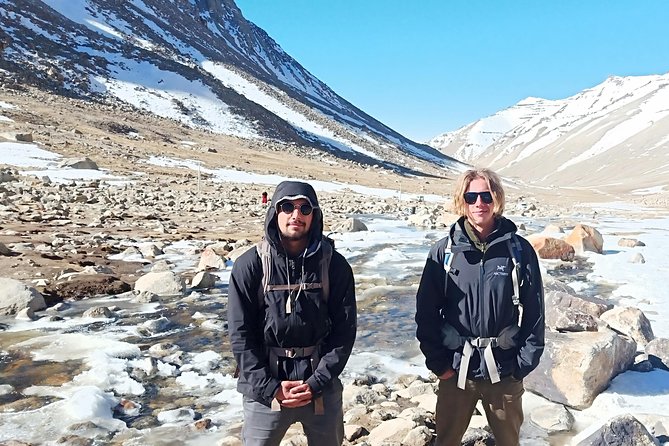
Your trip starts with a straightforward arrival day. You get picked up at Lhasa Gonggar Airport and transferred to your hotel, with multiple pickup windows listed for the first day. That removes one of the most annoying arrival hassles in Lhasa: finding your way when you’re tired and still adjusting to altitude.
Day 2 is monastery-heavy in a good way. You visit Drepung Monastery (Zhebang Si), one of the major Gelug monasteries, with time to explore and absorb the scale and feel of the place. In the afternoon, you shift into culture and everyday Tibetan life through the Tibet Museum, then end at Norbulingka (Precious Stone Garden), the Dalai Lama’s summer residence. I like how this mix works. Drepung gives you the religious architecture and atmosphere; the museum fills in context; Norbulingka adds a calmer, more personal royal-garden side.
Day 3 brings Lhasa’s icons. You visit Potala Palace in the morning, then head to Jokhang Temple and the lively Barkhor Street afterward. Potala is one of those places where photos never quite match how it sits over the city. Jokhang has a strong sacred gravity—plan to take your time with it instead of rushing. And Barkhor Street is where you get practical travel payoff: you can browse traditional items and get a feel for how locals move around the main shrine area.
A possible drawback in Lhasa is pace. These are big-ticket sights in a short window, and some days include both major interiors and busy street walking. If you’re sensitive to crowd density or need quiet time, you’ll want to treat the afternoon breaks like a real part of the plan, not optional padding.
The drive to Shigatse: Yamdrok Yumtso and the “holy lake” stop
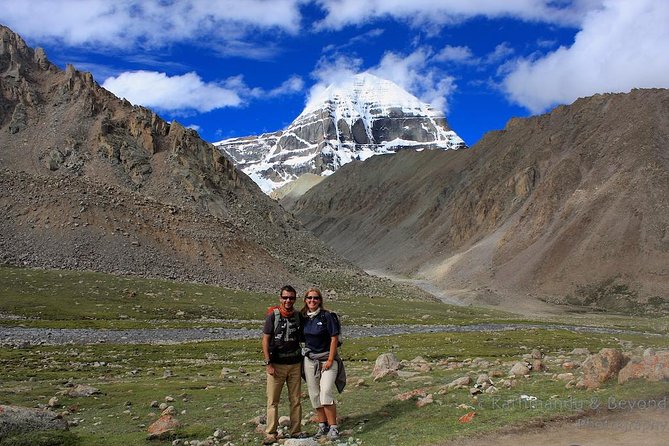
Once you leave Lhasa, the trip shifts into long-road mode—still scenic in a practical way, because the route itself is part of the experience. On Day 4, you pass by Yamdrok Lake (Yamdrok Yumtso Lake) on the way to Shigatse. This is one of the holy-water stops that’s famous for strong natural color and atmosphere, and your timing here is built around the drive rather than treating it as an extra detour.
That same day includes a roadside Karola Glacier viewpoint and then continues to Gyantse for Pelkor Chode Monastery. Pelkor Chode is known for intact murals and statuary, which is a clue that this stop isn’t just a quick photo stop. It’s worth slowing down inside if you care about Tibetan art and architecture details.
If you’re the kind of traveler who hates wasted travel hours, you’ll have to accept that the Tibet circuit is road-based. But the way this tour frames it—sight stops tied to the drive—makes the hours feel used, not lost.
From Tashilunpo onward: Shigatse energy, then high passes toward Everest
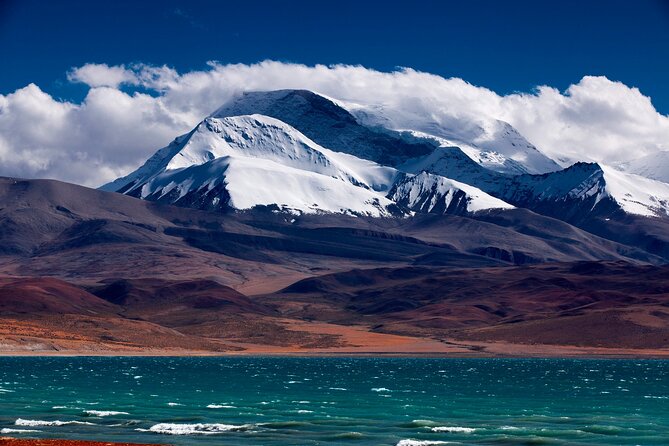
Day 5 is a classic “Shigatse to Everest-area access” step. You start at Tashilunpo Monastery, the Panchen Lama’s home, then drive toward Lhatse for a lunch break and rest. After that, the route goes into the Everest region through a mountain-pass sequence, including Tsola Pass (around 4,600m) and Gyatsola Pass (around 5,248m), with late-day entry into the Mt. Everest National Nature Reserve.
This is the part of the trip where you feel altitude changes even if you don’t push hard. Your body will notice the air and the slower breathing. I like that the itinerary doesn’t pretend this is easy; it moves you through passes and reserve boundaries in a way that sets you up for what comes next.
On Day 6, the focus tightens again. You can rise early if weather allows for sunrise at Everest Base Camp, and then you drive toward Saga while stopping to view Mt. Shishapangma (8,012m). That sight moment is valuable because Shishapangma is often overshadowed by Everest in mainstream planning, even though it’s right there in the broader Himalayan view language.
A note you should take seriously: the tour includes an oxygen tank for emergency use. That doesn’t mean you’ll need it. But it does mean the operator expects altitude to be a factor.
Everest Base Camp camping: what to expect, and what to prepare for
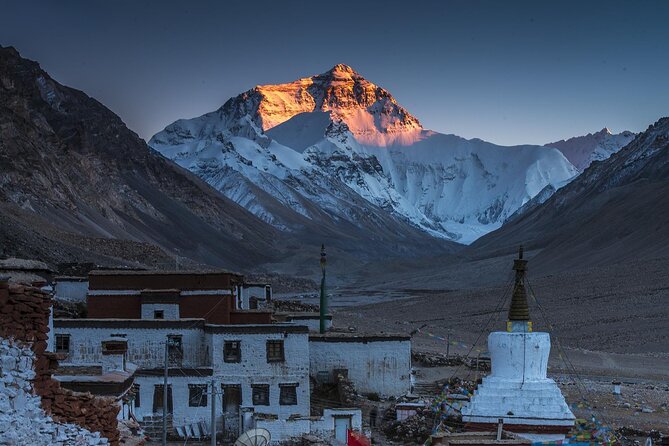
The itinerary is built around the idea of being physically present at Everest Base Camp, and the tour overview indicates camping at Everest Base Camp with views of Mt. Everest. That’s one of the most meaningful parts of the route. You’re not just arriving for a quick overlook. You’re spending the night in the reserve zone where weather can change fast.
Camping also means cold and wind management are real. The tour includes a sleeping bag, which is a big plus if you don’t want to rent or guess at what gear you need. Bring your own layers beyond that sleeping bag if you run cold, and treat the “when the weather is good” phrasing as a reminder to plan for flexibility.
Here’s the balanced truth: Everest Base Camp is awe-inspiring, but it can also feel intense. High altitude plus cold plus long drives can be mentally demanding. If you’ve never done serious altitude travel before, go slower than you think you should—hydrate, keep moving lightly, and don’t try to “win” the mountain.
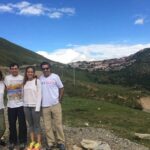
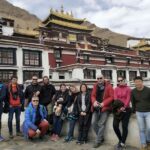
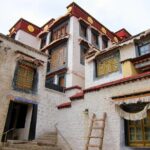
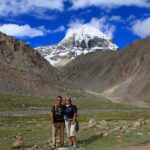
Kailash Kora: trekking days that test legs and calm your mind
If Everest is the big drama, Kailash Kora is the spiritual endurance portion. You travel to the Kailash area and then move into trekking stages starting with Sarshung Valley via an eco-bus ride (included in the overall cost; the tour also lists shuttle bus fees related to Kailash access).
On the first day of the trek (Day 8), you meet porters and yaks at Sarshung Valley and begin the walk. The details you’re given matter here: you’re not expected to carry everything yourself in the usual “solo trek” way. That can make the physical work more manageable and lets you keep your attention on the walking and the surroundings.
Then comes the key day.
On Day 9, you cross Dromala Pass (around 5,630m), described as the most challenging day of the trek. This is the day where you should respect your pace and stop often. The pass is not a race. After the top, you descend into the long valley and have lunch breaks along the way.
On Day 10, you complete the Kora route with an easy day trek (about 9km) to finish the circuit, then take the eco bus back to Darchen. The itinerary notes a Buddhist explanation for the kora—doing a full circle to clear sins. You don’t have to be religious to appreciate why people take this seriously; it’s a rhythm and a ritual designed for repetition and focus, not sightseeing checklists.
Also pay attention to the fact the Kora trek is part walking, part altitude adaptation. You’ll be outside for long stretches, and the route can feel physically serious even on the “easy” day. This is not a “grab sneakers and go” hike.
Sakya, Nyemo incense workshop, and your final return to Lhasa
After Kailash, the trip shifts back into driving and monastery stops. Day 11 goes from Zhongba to Lhatse, with many high passes crossed and “endless” scenery along the way. There’s not a single marquee stop listed here, which makes this day more about travel and observation than a scheduled attraction moment.
Day 12 visits Sakya Monastery in Sakya County, the main monastery of the Sakyapa tradition, built in the 1360s. The itinerary also notes surrounding walls with murals and statues. If you like monasteries for art and design more than just religion, this is the kind of stop that rewards paying attention to the surfaces and layout.
Then Day 13 returns toward Lhasa along the northern route via Yarlung Tsangpo valley, including a stop in Nyemo to visit a Tibetan Incense Workshop. That’s a nice change of pace. It turns your travel story from “grand architecture and passes” into something sensory and practical: craft-making and daily-life traditions.
Day 14 gives you free time in Lhasa with your guide. You don’t get a forced schedule here, which is smart. After long days and high passes, a flexible day helps you catch your breath and choose how you want to spend your last hours in the city.
Finally, Day 15 ends with transfer to Lhasa Gonggar Airport or the railway station, depending on your next step. That makes it easier to connect onward plans without last-minute navigating.
Price and logistics: what $2,280 really buys
Here’s how I think about the price. If you were planning this trip yourself, you’d likely spend time and money on:
- securing permits for Tibet
- arranging licensed vehicles and driver schedules
- lining up entrance tickets
- building a route that combines Lhasa, Shigatse, the Everest access road, and Kailash Kora logistics
This tour covers that kind of groundwork. It lists all necessary permits to Tibet, plus an express delivery fee for the Tibet travel permit. It also includes vehicle logistics (travel license, parking, gas), and it has a plan for transfers at the airport and railway station on the first and last days.
On top of that, you get tangible support for altitude and cold:
- oxygen tank for emergency use
- sleeping bag
- two bottles of mineral water per person per day
There are also real inclusions that reduce decision fatigue: entrance fees are covered for sites on the itinerary, accommodations are handled throughout, and the guide is local and English-speaking.
The part you should notice: not everything is included in the sense of “free.” The itinerary explicitly lists shuttle bus fees to and from Kailash (USD 10/person each way), even though those are counted under included items in the tour package. It’s still worth checking what your final invoice includes so there are no surprises.
Also take the “non-refundable and cannot be changed” policy seriously. If you’re unsure about travel dates, don’t book on a hope-and-wait timeline.
Who should book this, and who should skip it
This tour fits best if you:
- want a single organized route that links Lhasa highlights to Everest Base Camp camping and then the Kailash Kora trek
- like small groups and prefer an itinerary with structure
- have the physical fitness to handle high passes (including Dromala Pass) and long travel days
- want support with Tibet permits and transportation so you can focus on the experience
I’d be cautious if you:
- struggle with altitude or have not done high-elevation travel before
- dislike long driving days and prefer lighter days built around one town per day
- need lots of unscheduled downtime every day (the itinerary has some flexible time, but most days are scheduled)
If you’re the adventurous, planning-efficient traveler who still wants authentic moments—temples that feel alive, kora trekking that actually has a real pass day, and Everest Base Camp camping—this is strong.
Should you book it? My practical verdict
If your dream is to combine Everest Base Camp and the Kailash Kora in one trip without wrestling with permits and driving logistics, I think this tour is a smart match. The biggest proof is the overall satisfaction score: 4.6/5 rating with 94% recommending it.
You’re paying for readiness. The price makes sense because the tour includes the expensive, time-consuming parts that usually sink independent planning—permits, licensed transport, entrances, and altitude-cold readiness items like the sleeping bag and emergency oxygen. Just don’t underestimate the physical demands.
Book it if you’re ready to work a little: walk the Kora, handle the big pass day, and accept that Tibet runs on altitude and roads as much as it runs on sights.
FAQ
What’s the tour price and group size?
The tour is priced at $2,280.00 per person, and it has a maximum group size of 12 travelers.
Where does the tour start and end?
It starts with pickup from Lhasa Gonggar Airport and ends with a transfer to Lhasa Gonggar Airport or the railway station for your next connection.
Are airport transfers included?
Yes. The tour includes pickup from Lhasa Gonggar Airport to your hotel on day 1 (listed times) and drop-off from your hotel to Lhasa Gonggar Airport on day 15 (listed times). It also includes Lhasa railway station transfer on the first and last day.
What sights and activities are included in Lhasa?
You visit Drepung Monastery, Tibet Museum, Norbulingka, Potala Palace, Jokhang Temple, and you have time on Barkhor Street.
Is camping included at Everest Base Camp?
Yes. The tour overview highlights camping at Everest Base Camp with views of Mt. Everest.
How challenging is the Kailash Kora trek?
The itinerary includes the Dromala Pass (about 5,630m) on the most challenging trek day, plus a Kora completion day trek of about 9km on a lighter day.
What’s included for altitude and cold safety?
The tour includes an oxygen tank for emergency use and a sleeping bag. It also provides two bottles of mineral water per person per day.
Do I need a Tibet permit, and how is it handled?
Yes, the tour includes all necessary permits to Tibet and covers an express delivery fee for the permit. You’ll need to provide passport and China visa documentation in advance, and the permit often takes about 12 working days.
Is travel insurance included?
No. Tourists travel insurance is not included.